Introduction
Few flowering plants capture the beauty of a tropical garden quite like hibiscus. With their large, colorful blooms, glossy green leaves, and lush growth, tropical hibiscus plants bring a vibrant, resort-inspired atmosphere to patios, gardens, and outdoor living spaces.
Successful tropical hibiscus care begins with understanding what these warm-weather plants need to thrive. Unlike hardy hibiscus varieties that tolerate cold winters, tropical hibiscus prefers warm temperatures, abundant sunlight, consistent moisture, and protection from freezing conditions.
Unsure whether your plant is tropical or cold-hardy? Start with our hibiscus plant care guide to compare tropical hibiscus, Rose of Sharon, and hardy perennial hibiscus before selecting the right care routine.
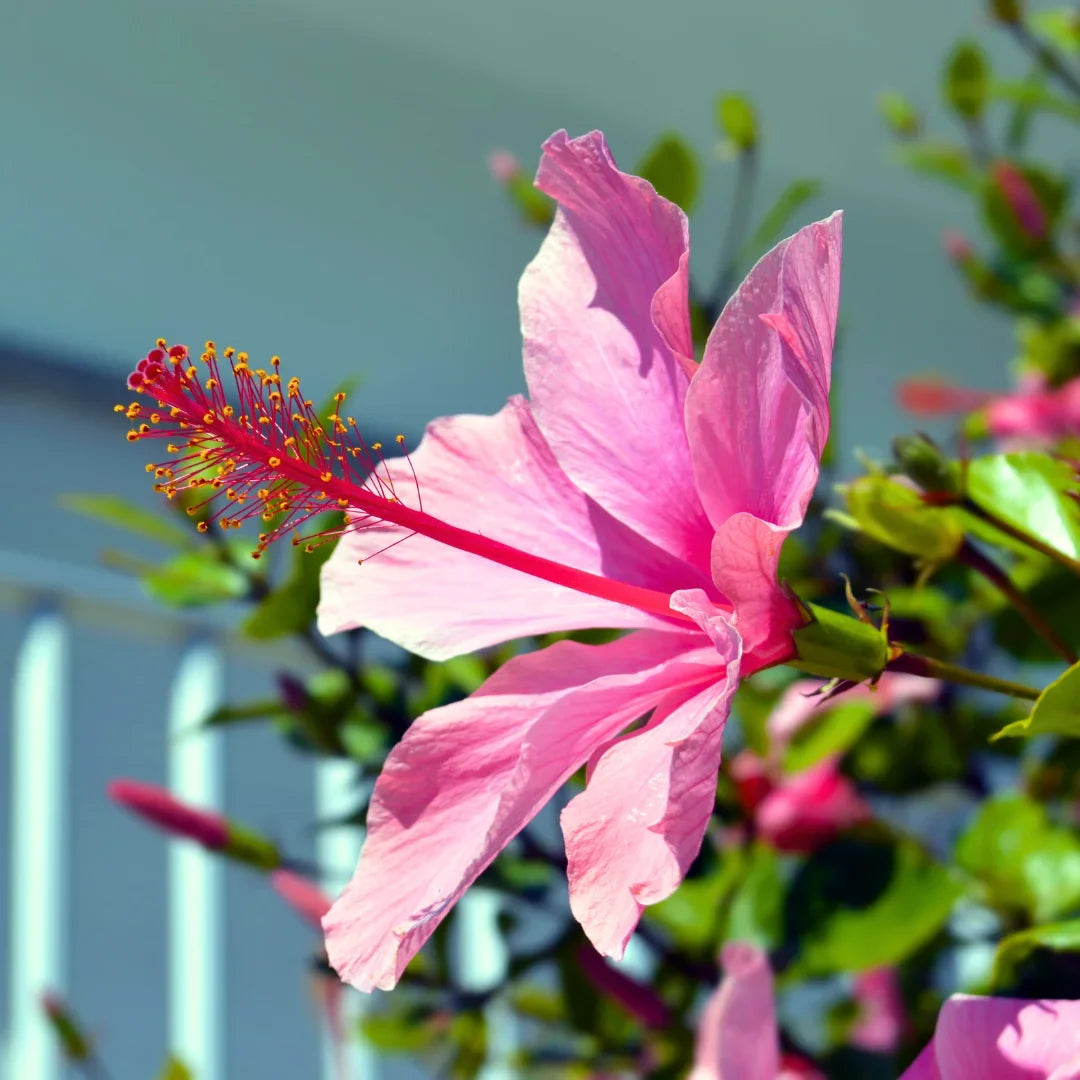
For gardeners looking to add tropical color to their landscapes, the Lipstick Hibiscus Shrub from Simply Trees is a beautiful choice. Its bold pink blooms and lush foliage make it well-suited to sunny patios, containers, and warm-climate gardens.
In this complete guide, we'll explain how to care for tropical hibiscus, including sunlight, watering, soil, fertilizer, pruning, winter protection, and common growing problems. We'll also cover how to grow hibiscus in pots, encourage more flowers, and keep your plants healthy throughout the year.
Tropical Hibiscus Care at a Glance
| Care Requirement | Ideal Conditions |
|---|---|
| Botanical Group | Hibiscus rosa-sinensis and related tropical cultivars |
| Plant Type | Evergreen flowering shrub in frost-free climates |
| USDA Hardiness Zones | Generally Zones 9–11, depending on cultivar and microclimate |
| Sunlight | Full sun to partial shade; generally 6 or more hours of strong light |
| Soil | Fertile, well-draining soil |
| Watering | Consistent moisture without waterlogging |
| Fertilizer | Regular light feeding during active growth when needed |
| Blooming Season | Spring through fall in many climates; potentially year-round in suitable tropical conditions |
| Flower Colors | Red, pink, yellow, orange, white, and multicolored |
| Mature Size | Varies by cultivar and growing conditions |
| Pruning | Late winter to spring or during suitable active growth |
| Winter Care | Protect from frost and freezing temperatures |
| Best Uses | Patio containers, tropical gardens, flowering borders, and warm-climate landscapes |
1. What Is Tropical Hibiscus?
Tropical hibiscus is a flowering shrub belonging to the mallow family, Malvaceae.
The best-known tropical hibiscus is Hibiscus rosa-sinensis, although cultivated tropical hibiscus plants include numerous hybrids and varieties.
These plants are recognized by their large, showy flowers, prominent central staminal columns, and glossy green foliage.
Unlike many deciduous flowering shrubs, tropical hibiscus can maintain its foliage throughout the year when temperatures remain sufficiently warm.
Individual flowers may last only a day or two, but healthy plants can continually produce new flower buds throughout the growing season.
Is Tropical Hibiscus the Same as Hardy Hibiscus?
No. Although both belong to the hibiscus genus, tropical and hardy hibiscus have important differences in their growing requirements.
Tropical hibiscus generally requires protection from freezing temperatures, while hardy hibiscus varieties can tolerate much colder winters.
There are also two different groups commonly described as hardy hibiscus:
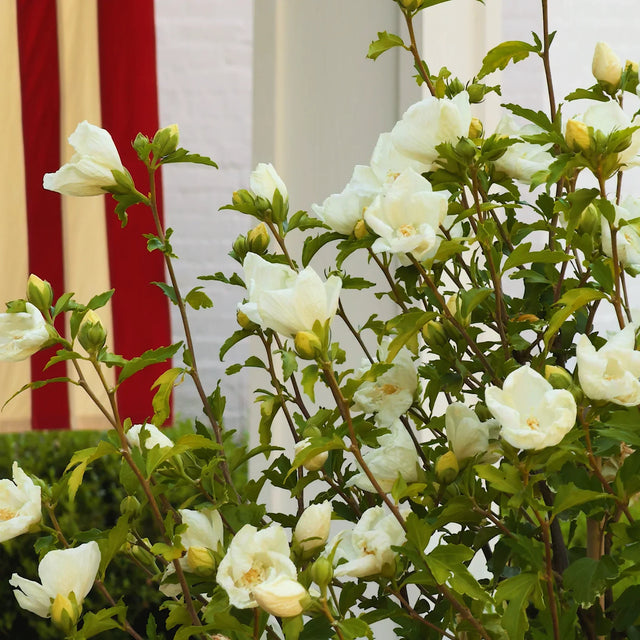
- Rose of Sharon (Hibiscus syriacus): A hardy deciduous woody shrub that can also be trained into a small tree.
- Hardy Perennial Hibiscus: Herbaceous hibiscus varieties that typically die back to the ground during winter and regrow in spring.
- Tropical Hibiscus: Warm-climate shrubs that generally retain their foliage in frost-free conditions and require winter protection in colder regions.
Understanding which type you own is essential because their pruning, watering, and winter care requirements differ.
2. Lipstick Hibiscus Shrub: A Tropical Hibiscus at Simply Trees
The Lipstick Hibiscus Shrub is a tropical flowering shrub valued for its vibrant pink blooms and attractive evergreen foliage in suitable warm climates.
Its bold flowers create an eye-catching display that works beautifully in gardens, patio containers, and tropical-inspired landscapes.
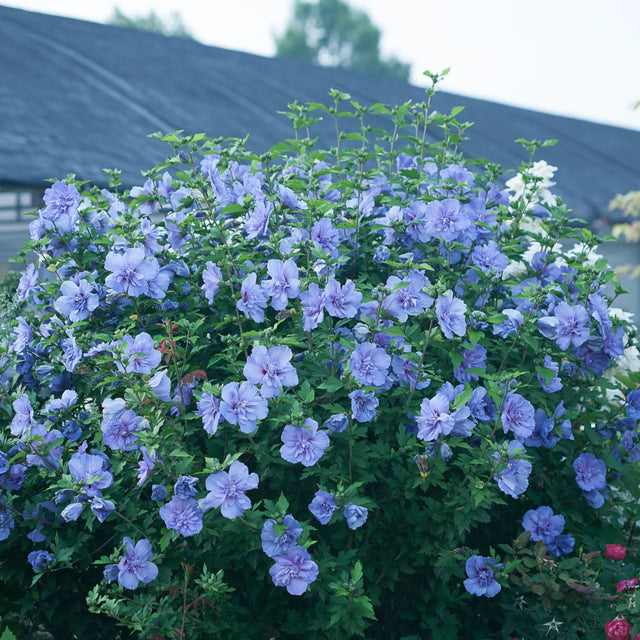
Because Lipstick Hibiscus is a tropical variety, it requires a different care approach from the hardy Rose of Sharon trees and shrubs commonly grown in colder climates.
What Makes Lipstick Hibiscus Different?
The main distinguishing characteristics of Lipstick Hibiscus include:
- Flower color: Bold pink blooms that create a vibrant tropical appearance.
- Growth habit: A flowering shrub rather than a naturally trained tree form.
- Foliage: Lush green leaves that can remain evergreen in sufficiently warm conditions.
- Climate preference: Warm temperatures and protection from frost.
- Landscape use: Suitable for patio containers, tropical gardens, and warm-climate flowering borders.
Best for:
- Sunny patios and decks
- Tropical-inspired landscapes
- Large decorative containers
- Warm-climate flowering borders
- Summer garden focal points
Care tip: In colder climates, growing tropical hibiscus in a movable container is often more practical than planting it permanently outdoors. This allows you to bring the plant into a protected location before freezing temperatures arrive.
3. How Much Sunlight Does Tropical Hibiscus Need?
Sunlight is one of the most important requirements for healthy tropical hibiscus growth and flowering.
Most tropical hibiscus plants grow best with approximately six or more hours of strong sunlight daily.
However, the ideal amount of direct sunlight may vary depending on temperature, humidity, and growing conditions.
Can Tropical Hibiscus Grow in Full Sun?
Yes. Many tropical hibiscus varieties thrive in full sun when properly acclimated and provided with adequate moisture.
Good sunlight exposure supports:
- Strong foliage development
- Healthy flower bud formation
- More consistent flowering
- Compact, balanced growth
- Improved overall plant vigor
However, plants grown in partial shade should not be moved suddenly into intense direct sunlight without gradual acclimation.
Does Tropical Hibiscus Need Afternoon Shade?
In regions with extremely hot summers, some tropical hibiscus plants may benefit from protection during the most intense afternoon sunlight.
This is particularly relevant for container plants, where roots can heat up quickly and potting mix may dry out rapidly.
Morning sunlight combined with some afternoon protection can help reduce stress in exceptionally hot conditions.
However, too much shade may reduce flowering.
Can Tropical Hibiscus Grow Indoors?
Yes. Tropical hibiscus can grow indoors when provided with sufficiently bright light and suitable temperatures.
Place indoor plants near a bright south- or west-facing window where they can receive several hours of strong sunlight.
If natural light is insufficient, an appropriate grow light may help support healthy foliage.
Indoor hibiscus may flower less frequently than plants growing outdoors in favorable conditions.
4. How Often Should You Water Tropical Hibiscus?
Watering is one of the most important aspects of hibiscus plant care, particularly for tropical varieties.
Unlike drought-tolerant flowering shrubs, tropical hibiscus generally prefers consistent moisture during periods of active growth.
However, consistently moist soil does not mean waterlogged soil.
The goal is to provide enough water to support healthy foliage and flower development while allowing adequate oxygen to reach the roots.
Watering Newly Planted Tropical Hibiscus
Newly planted tropical hibiscus requires regular watering while its roots establish.
Immediately after planting, thoroughly water the root ball and surrounding soil.
During establishment:
- Check soil moisture frequently.
- Keep the root zone evenly moist without prolonged saturation.
- Water thoroughly rather than applying small amounts repeatedly.
- Increase moisture monitoring during hot, dry, or windy weather.
- Make sure excess water can drain away.
Newly planted hibiscus may be particularly sensitive to drying out before its roots have spread into the surrounding soil.
Watering Established Tropical Hibiscus
Established tropical hibiscus generally benefits from consistent moisture, particularly during flowering.
During hot summer conditions, plants may need more frequent watering than during mild weather.
However, watering frequency depends on:
- Temperature and humidity
- Rainfall
- Soil drainage
- Plant size
- Container size, if potted
- Sunlight exposure
Before watering, check the soil several inches below the surface.
If the root zone is beginning to dry, water thoroughly. If it remains wet, allow more time before watering again.
Signs of Underwatering
Tropical hibiscus may respond quickly to inadequate moisture.
Common signs include:
- Drooping or wilting leaves
- Dry soil around the root zone
- Premature flower bud drop
- Dry or crispy leaf edges
- Reduced flowering
However, wilting alone does not prove that a plant needs water. Roots damaged by prolonged saturation may also struggle to supply moisture to the leaves.
Signs of Overwatering
Excessive watering or poor drainage can damage tropical hibiscus roots.
Possible symptoms include:
- Yellowing foliage
- Wilting while the soil remains wet
- Weak growth
- Premature leaf drop
- Root deterioration
Care tip: Check the root zone before watering a wilted plant. Both overwatering and underwatering can produce similar symptoms.
5. What Is the Best Soil for Tropical Hibiscus?
Tropical hibiscus grows best in fertile, well-draining soil that retains sufficient moisture without becoming saturated.
Unlike plants adapted to extremely dry soil, tropical hibiscus generally benefits from soil with moderate water-holding capacity.
Best Soil for Garden-Grown Tropical Hibiscus
Loamy soil with adequate organic matter is often ideal.
The soil should provide:
- Good drainage
- Adequate moisture retention
- Air circulation around roots
- Access to essential nutrients
Avoid planting in areas where water remains standing after heavy rainfall.
Best Soil for Potted Hibiscus
For container-grown tropical hibiscus, choose a quality potting mix designed for flowering plants or outdoor containers.
The mixture should retain moisture while allowing excess water to drain freely.
Dense garden soil is generally not ideal for containers because it may compact and interfere with drainage.
What Soil pH Does Tropical Hibiscus Prefer?
Tropical hibiscus generally prefers slightly acidic to near-neutral soil, commonly around pH 6.0–7.0.
Soil pH can influence the availability of essential nutrients, particularly iron.
If leaves develop unusual yellowing while veins remain green, a soil or potting-mix test may help determine whether pH or nutrient availability is contributing to the problem.
6. How to Plant Tropical Hibiscus Outdoors
Tropical hibiscus is best planted outdoors when temperatures are consistently warm and the risk of frost has passed.
In warmer USDA growing zones, it may be grown directly in garden beds.
In colder climates, containers provide greater flexibility for seasonal protection.
When Is the Best Time to Plant Tropical Hibiscus?
Spring, after the last expected frost, is generally a favorable time to plant tropical hibiscus outdoors.
Wait until temperatures have warmed enough to support active growth.
Avoid planting during unusually cold or wet conditions.
Step-by-Step Planting Instructions
- Choose a sunny location: Select a site receiving abundant sunlight with protection from extreme exposure where necessary.
- Check soil drainage: Avoid areas where standing water accumulates.
- Dig a wide planting hole: Make the hole approximately twice as wide as the root ball.
- Position the plant: Keep the top of the root ball level with the surrounding soil.
- Backfill carefully: Replace soil around the roots without burying the crown too deeply.
- Water thoroughly: Saturate the root ball and surrounding soil while allowing excess water to drain.
- Apply mulch: Use an appropriate organic mulch layer, keeping it away from the main stems.
- Monitor establishment: Maintain suitable moisture as the plant develops new roots.
7. How to Care for Tropical Hibiscus in Pots
Growing tropical hibiscus in containers is an excellent choice for patios, decks, balconies, and gardens in regions with cold winters.
Container growing allows you to control soil conditions and move the plant to a protected location when temperatures decline.
However, potted hibiscus usually requires more frequent moisture monitoring than plants growing in garden soil.
Choose the Right Container
Select a pot with adequate drainage holes and enough room for the plant's root system.
A container approximately 12–16 inches wide may be a suitable starting point for some young tropical hibiscus plants, although the correct size depends on the size of the nursery root ball.
Larger plants may eventually require containers approximately 18–24 inches wide or more.
Avoid moving a small plant into an excessively large container that retains moisture for long periods.
How Often Should You Water Potted Hibiscus?
During summer, potted tropical hibiscus may dry out relatively quickly.
Small containers exposed to intense sunlight and heat may need daily moisture checks.
However, checking moisture daily does not mean watering every day is always appropriate.
To determine when to water:
- Insert a finger approximately 1–2 inches into the potting mix.
- Check whether the upper mix has begun to dry.
- Water thoroughly when the root zone needs moisture.
- Allow excess water to drain through the container.
- Empty standing water from saucers.
Large containers and cooler conditions may require less frequent watering.
Where Should You Place Potted Tropical Hibiscus?
Place containers in a bright location receiving ample sunlight.
Sunny patios and decks are often suitable, although some afternoon protection may help during extreme heat.
Keep containers away from locations where strong winds repeatedly damage flowers or dry the soil excessively.
Should You Repot Tropical Hibiscus?
Repotting may be necessary when a hibiscus becomes significantly root-bound or begins outgrowing its container.
Spring is generally a suitable time to repot as growth resumes.
Choose a slightly larger container with adequate drainage and fresh potting mix.
For additional container gardening ideas, explore our guide to the best patio plants for your space.
8. Tropical Hibiscus Fertilizer: What to Use and When
Tropical hibiscus can be a relatively active-growing and heavily flowering plant when growing conditions are favorable.
As a result, it may benefit from supplemental nutrients during the growing season, especially when grown in containers.
What Is the Best Fertilizer for Tropical Hibiscus?
A balanced fertilizer or a suitable formulation designed for flowering hibiscus can support healthy growth when nutrients are needed.
Important nutrients include:
- Nitrogen: Supports healthy foliage and stem growth.
- Phosphorus: Supports root function and essential plant processes.
- Potassium: Supports overall plant health and normal growth.
- Iron and magnesium: Contribute to healthy foliage and chlorophyll function.
Avoid assuming that a very high-phosphorus fertilizer automatically produces more hibiscus flowers.
Excess nutrients can damage roots and create imbalances.
When Should You Fertilize Tropical Hibiscus?
Fertilization is generally most appropriate during spring and summer when plants are actively growing.
Container-grown hibiscus may benefit from regular light feeding according to fertilizer instructions.
Reduce feeding when growth slows during cool weather or indoor winter conditions.
Can Too Much Fertilizer Damage Hibiscus?
Yes. Excessive fertilizer can cause salt accumulation in potting mix, root damage, and leaf discoloration.
Some plants may also produce excessive foliage without a corresponding increase in flowers.
Follow product instructions and consider soil or potting-mix testing when nutrient problems are suspected.
9. How to Prune Tropical Hibiscus
Pruning helps tropical hibiscus maintain an attractive shape, develop a fuller canopy, and produce healthy new growth.
Unlike tree-form Rose of Sharon, which maintains a specific woody trunk and canopy structure, shrub-form tropical hibiscus can be shaped to encourage branching and maintain a compact appearance.
When Is the Best Time to Prune Tropical Hibiscus?
Late winter or early spring, as temperatures begin to warm and active growth resumes, is generally a suitable time for more substantial pruning.
Light shaping can also be performed during favorable growing conditions.
Avoid severe pruning immediately before cold weather because tender new growth may be vulnerable to low temperatures.
Step-by-Step Tropical Hibiscus Pruning
- Inspect the plant: Identify dead, damaged, or diseased branches.
- Remove unhealthy growth: Use clean, sharp pruning shears.
- Thin crowded stems: Improve airflow and light penetration.
- Shorten leggy branches: Make selective cuts to encourage branching.
- Maintain a balanced shape: Avoid removing excessive healthy foliage at once.
- Monitor new growth: Resume normal care as new shoots develop.
Does Pruning Help Tropical Hibiscus Bloom?
Pruning can encourage fresh branching and growth, which may support future flower production.
However, excessive pruning can temporarily reduce blooming while the plant develops new shoots.
For plants already flowering heavily, limited shaping may be preferable to major cutting.
Should You Deadhead Tropical Hibiscus?
Individual hibiscus flowers naturally fade and drop after a relatively short period.
Removing spent flowers can help maintain a tidy appearance, but regular deadheading is not always necessary for continued flowering.
Healthy plants can produce new buds throughout the growing season when conditions remain favorable.
10. How to Keep Tropical Hibiscus Blooming
Tropical hibiscus is especially admired for its colorful flowers, but several environmental factors influence how consistently a plant blooms.
Provide Sufficient Sunlight
Inadequate sunlight is a common reason for reduced flowering.
Provide strong light while avoiding sudden exposure to intense afternoon sun for shade-grown plants.
Maintain Consistent Moisture
Water stress may cause flower buds to fall before opening.
Keep the root zone adequately moist during active growth without allowing prolonged saturation.
Provide Appropriate Nutrients
Regular light feeding may benefit container plants during active growth.
However, excessive nitrogen or accumulated fertilizer salts can contribute to poor flowering or plant stress.
Avoid Sudden Environmental Changes
Moving a tropical hibiscus from outdoors to indoors, or suddenly changing its sunlight, temperature, or watering routine, can cause temporary stress.
Environmental changes may lead to yellowing leaves or dropped flower buds.
When possible, gradually acclimate plants to new conditions.
Monitor Pests
Insects such as aphids, whiteflies, thrips, and spider mites can damage new growth and developing buds.
Inspect plants regularly and address pest problems before infestations become severe.
11. Why Is My Tropical Hibiscus Dropping Flower Buds?
Flower bud drop is one of the most frustrating problems for tropical hibiscus growers.
A plant may develop numerous buds, only for them to yellow and fall before opening.
Common causes include:
- Inconsistent watering: Repeated drying or prolonged saturation can stress the plant.
- Sudden temperature changes: Abrupt shifts between warm and cool conditions can affect buds.
- Insufficient sunlight: Reduced light may limit flowering.
- Environmental changes: Moving plants between indoor and outdoor conditions can cause temporary stress.
- Pests: Insects feeding on buds may interfere with flower development.
- Root problems: Poor drainage or damaged roots can affect the plant's ability to support buds.
How to Prevent Hibiscus Bud Drop
Maintain consistent growing conditions whenever possible.
Avoid extreme fluctuations in watering, provide adequate sunlight, and protect plants from sudden cold exposure.
When moving a potted hibiscus to a new location, gradually acclimate it to the changed conditions.
12. Tropical Hibiscus Winter Care
Winter protection is one of the most important differences between tropical hibiscus and hardy Rose of Sharon.
Tropical hibiscus generally cannot tolerate prolonged freezing temperatures and may experience leaf, stem, or root damage during cold weather.
In frost-free climates, plants may continue growing and flowering throughout much of the year.
In colder regions, they are often grown in containers and brought indoors for winter.
What Temperature Is Too Cold for Tropical Hibiscus?
Tropical hibiscus generally performs best in warm conditions.
Growth may slow when temperatures regularly fall below approximately 60°F, and exposure to temperatures approaching 50°F can cause stress in some plants.
Freezing temperatures may severely damage or kill tropical hibiscus.
For container plants, consider moving them into protection before overnight temperatures consistently fall below approximately 50–55°F.
Exact temperature tolerance varies by cultivar, plant condition, and exposure.
How to Overwinter Tropical Hibiscus Indoors
If you live in a region with freezing winters, a potted tropical hibiscus may survive indoors with appropriate care.
Follow these steps:
- Move the plant before cold weather: Bring it indoors before temperatures become damaging.
- Inspect for pests: Check foliage, stems, and leaf undersides before bringing the plant inside.
- Choose a bright location: Place it near a sunny window or provide supplemental grow lighting.
- Reduce watering: Water according to soil moisture as growth slows.
- Stop unnecessary fertilization: Reduce feeding when the plant is no longer actively growing.
- Monitor indoor conditions: Keep the plant away from cold drafts and direct heating vents.
Some leaf drop may occur as the plant adjusts to lower indoor light levels.
However, excessive leaf loss, persistent wilting, or declining stems should prompt an assessment of watering, lighting, and pests.
Can Tropical Hibiscus Survive Winter Outdoors?
In sufficiently warm climates, tropical hibiscus can remain outdoors throughout the year.
However, in areas that experience occasional frost, even normally hardy landscape plants may need temporary protection.
Gardeners should check their local USDA hardiness zone and the cold tolerance of their specific hibiscus cultivar before planting permanently outdoors.
For additional cold-weather preparation guidance, read our article on how to protect plants from frost.
13. Common Tropical Hibiscus Problems and Solutions
Tropical hibiscus can experience problems related to moisture, lighting, pests, temperature, and nutrition.
Correctly identifying the cause is important because several issues produce similar symptoms.
Problem #1: Tropical Hibiscus Leaves Turning Yellow
Yellowing leaves may develop because of overwatering, underwatering, nutrient issues, cold exposure, or sudden environmental changes.
What to do: Check soil moisture and review recent changes in temperature, light, or watering before adding fertilizer.
Problem #2: Hibiscus Not Blooming
A hibiscus may produce healthy green foliage without developing many flowers.
Common causes include insufficient sunlight, excessive nitrogen, temperature stress, or recent heavy pruning.
What to do: Evaluate sunlight exposure, fertilizer use, and overall growing conditions.
Problem #3: Hibiscus Flower Buds Falling Off
Premature bud drop may result from inconsistent watering, sudden temperature changes, or insect damage.
What to do: Maintain stable conditions and inspect developing buds for pests.
Problem #4: Whiteflies, Aphids & Spider Mites
Tropical hibiscus may attract several common sap-feeding pests.
Symptoms can include:
- Sticky residue on leaves
- Yellow or stippled foliage
- Distorted new growth
- Fine webbing from some mite infestations
- Visible insects beneath leaves
What to do: Identify the pest before choosing a treatment. Inspect leaf undersides regularly, especially when plants are growing indoors.
Problem #5: Hibiscus Root Rot
Root rot may develop when soil remains excessively wet or drainage is inadequate.
Symptoms can include yellowing foliage, wilting despite wet soil, and declining growth.
What to do: Improve drainage, reduce unnecessary watering, and inspect root health where appropriate.
Tropical Hibiscus Troubleshooting Guide
| Symptom | Possible Cause | What to Check |
|---|---|---|
| Yellow leaves | Water stress, temperature changes, or nutrients | Soil moisture and growing conditions |
| Healthy foliage but few flowers | Insufficient light or fertilizer imbalance | Sunlight and feeding |
| Flower buds falling | Moisture stress, temperature changes, or pests | Root zone and developing buds |
| Wilting with dry soil | Underwatering | Moisture below the surface |
| Wilting with wet soil | Possible root damage | Drainage and roots |
| Sticky leaves | Possible sap-feeding insects | Leaf undersides and stems |
| Fine webbing or stippling | Possible spider mites | Leaves and humidity conditions |
| Leaf drop after moving indoors | Environmental adjustment | Light and temperature changes |
| Brown foliage after cold weather | Cold injury | Temperature exposure |
14. Tropical Hibiscus Care Through the Seasons
Spring Tropical Hibiscus Care
- Gradually increase sunlight exposure as temperatures warm.
- Inspect plants for winter damage.
- Repot container plants when necessary.
- Resume feeding when active growth begins.
- Prune leggy or damaged stems.
- Move plants outdoors only when temperatures are suitable.
Summer Tropical Hibiscus Care
- Provide strong sunlight.
- Check soil moisture frequently.
- Water consistently during hot weather.
- Feed appropriately during active growth.
- Monitor flower buds and foliage for pests.
- Protect container roots from extreme heat when necessary.
Fall Tropical Hibiscus Care
- Monitor nighttime temperatures.
- Prepare container plants for indoor overwintering.
- Reduce fertilization as growth slows.
- Inspect foliage for pests before moving plants inside.
- Avoid sudden environmental changes.
Winter Tropical Hibiscus Care
- Protect plants from freezing temperatures.
- Provide bright indoor light when overwintering.
- Reduce watering according to slower growth.
- Avoid unnecessary feeding.
- Keep plants away from cold drafts and heating vents.
- Monitor for indoor pests.
15. Common Tropical Hibiscus Care Mistakes to Avoid
- Confusing tropical hibiscus with hardy hibiscus: Tropical varieties need more winter protection.
- Providing too little sunlight: Insufficient light can reduce flowering.
- Allowing repeated severe drought: Water stress may cause wilting and bud drop.
- Overwatering: Prolonged saturation can damage roots.
- Using pots without drainage holes: Increases the risk of root rot.
- Overfertilizing: Excess nutrients can damage roots and interfere with growth.
- Ignoring nighttime temperatures: Tropical hibiscus is sensitive to cold weather.
- Moving plants abruptly: Sudden changes in light and temperature can cause stress.
- Pruning too heavily during flowering: Can temporarily reduce flower production.
- Overlooking pests: Indoor and container plants may develop insect problems.
Frequently Asked Questions About Tropical Hibiscus Care
How do you care for tropical hibiscus?
Provide abundant sunlight, consistently moist but well-draining soil, appropriate fertilizer during active growth, and protection from freezing temperatures. Prune when necessary to maintain healthy shape and branching.
Is tropical hibiscus easy to care for?
Tropical hibiscus can be relatively straightforward to grow in warm climates with suitable sunlight and moisture. In colder regions, it requires additional attention because plants need protection during winter.
How often should you water tropical hibiscus?
Water according to soil moisture, temperature, and plant size. Tropical hibiscus generally prefers consistent moisture during active growth, but the roots should not remain waterlogged. Container plants may require more frequent watering during summer.
Does tropical hibiscus need full sun?
Most tropical hibiscus plants grow and bloom best with approximately six or more hours of strong sunlight. Some afternoon shade may be beneficial in extremely hot climates.
Can tropical hibiscus grow in pots?
Yes. Tropical hibiscus grows well in containers with adequate drainage and quality potting mix. Containers are particularly useful in colder climates because plants can be moved indoors during winter.
What is the best fertilizer for tropical hibiscus?
A balanced fertilizer or an appropriate hibiscus formulation may support healthy growth and flowering. Avoid excessive nitrogen and follow the fertilizer manufacturer's instructions.
When should you prune tropical hibiscus?
Late winter or early spring, as growth resumes, is often a suitable time for more substantial pruning. Light shaping may also be performed during active growth when conditions are favorable.
Why is my tropical hibiscus not blooming?
Common causes include insufficient sunlight, inconsistent watering, excessive nitrogen fertilizer, temperature stress, or recent heavy pruning.
Why are my hibiscus buds falling off?
Premature bud drop can result from water stress, sudden environmental changes, temperature fluctuations, or pests. Maintaining consistent growing conditions can help reduce the problem.
Why are tropical hibiscus leaves turning yellow?
Yellow leaves may result from overwatering, underwatering, nutrient imbalance, temperature stress, or changes in sunlight. Check growing conditions before selecting a remedy.
Can tropical hibiscus survive winter outdoors?
Tropical hibiscus can remain outdoors in suitably warm, frost-free climates. In regions with freezing temperatures, plants generally require winter protection or indoor overwintering.
When should you bring tropical hibiscus indoors?
Consider bringing potted tropical hibiscus indoors before overnight temperatures consistently drop below approximately 50–55°F. Avoid exposing plants to frost.
Does tropical hibiscus come back every year?
In frost-free climates, tropical hibiscus can survive and bloom over multiple years. In colder regions, it is commonly grown as an annual or overwintered indoors.
What is the difference between tropical hibiscus and Rose of Sharon?
Tropical hibiscus generally prefers warm conditions and needs frost protection. Rose of Sharon is a deciduous, cold-hardy woody hibiscus that loses its leaves in winter and returns with new growth in spring.
How big does tropical hibiscus get?
Mature size varies by cultivar and growing conditions. Many landscape tropical hibiscus shrubs reach several feet tall and wide, while container-grown plants may remain smaller through rootstock, pot size, and pruning.
How do you encourage more hibiscus flowers?
Provide adequate sunlight, consistent moisture, appropriate nutrients, and favorable temperatures. Avoid excessive pruning and monitor developing buds for pests.
Final Thoughts: Growing Beautiful Tropical Hibiscus
Tropical hibiscus brings dramatic flowers, lush foliage, and vibrant color to patios, gardens, and outdoor living spaces.
Whether you're growing hibiscus directly in the landscape or in a decorative container, successful tropical hibiscus care begins with abundant sunlight, adequate moisture, well-draining soil, and protection from cold weather.
Understanding the differences between tropical and hardy hibiscus is especially important when planning seasonal care. Tropical varieties require warmer conditions and generally need additional protection during winter.
With consistent watering, appropriate fertilization, and thoughtful pruning, tropical hibiscus can reward gardeners with beautiful flowers throughout much of the growing season.
Beautiful gardens start with healthy plants and the knowledge to help them thrive.