
Introduction
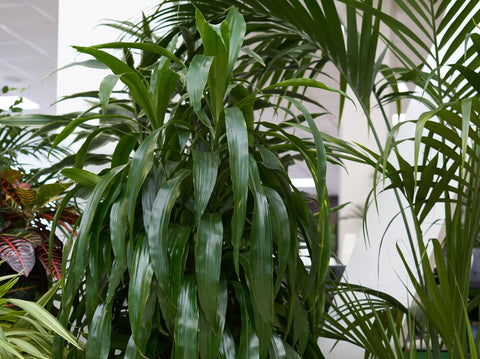
Dracaena plants are some of the most popular indoor plants for homes, offices, bedrooms, and bright interior spaces. Known for their upright growth, bold foliage, and low-maintenance nature, Dracaenas are a great choice for anyone who wants an indoor plant with structure and style without needing constant care.
The key to good dracaena care is balance. Dracaena plants like bright indirect light, well-draining soil, moderate watering, and stable indoor conditions. They can tolerate lower light better than many houseplants, but they do not like soggy soil, cold drafts, or being watered too often.
This guide covers dracaena care, dracaena plant care indoors, watering, light, soil, fertilizer, pruning, repotting, brown tips, yellow leaves, leaf drop, and how to choose between popular Dracaena varieties.
Most Dracaena varieties share the same basic care needs, so this guide applies broadly to Dracaena Lisa, Lemon Lime, Mass Cane, Janet Craig Compacta, Warneckii, Marginata, Colorama, Tarzan, and braided Dragon Tree. The main differences are light tolerance, growth habit, and foliage color.
Dracaena Care at a Glance
| Care Need | Dracaena Preference |
|---|---|
| Light | Bright indirect light; many types tolerate lower indoor light |
| Watering | Water when the top few inches of soil dry out |
| Soil | Well-draining indoor potting mix |
| Fertilizer | Light feeding during spring and summer |
| Humidity | Average indoor humidity is usually fine |
| Pruning | Prune to control height, remove damaged leaves, and encourage branching |
| Common Problems | Brown tips, yellow leaves, leaf drop, drooping, root rot, leggy growth |
What Is a Dracaena Plant?
Dracaena is a group of tropical indoor plants known for upright canes, architectural forms, and colorful or deep green foliage. Some Dracaenas look like slim indoor trees, while others stay compact and leafy.
Dracaena plant care is generally easy because these plants can adapt to many indoor environments. They are often used in homes and offices because they bring height, greenery, and structure without requiring daily attention.
Which Dracaena Plant Should You Choose?
Different Dracaena varieties have different looks, sizes, and foliage colors, but their care is broadly similar. Most prefer bright indirect light, careful watering, and well-draining soil.
| Dracaena Plant | Best For | Key Difference |
|---|---|---|
| Dracaena Lisa | Low-light rooms, offices, tall indoor greenery | Deep green foliage and strong low-light tolerance |
| Dracaena Lemon Lime | Bright indoor color and modern spaces | Green, yellow, and lime striped foliage |
| Dracaena Mass Cane Corn Plant | Classic indoor tree look and larger rooms | Broad leaves with yellow center stripes |
| Dracaena Janet Craig Compacta | Compact spaces and bold vertical foliage | Dense dark green foliage in a compact form |
| Dracaena Tarzan | Dramatic indoor height and tropical style | Bold architectural form with deep green leaves |
| Dracaena Warneckii | Elegant striped foliage and office spaces | Green and white striped leaves |
| Dracaena Marginata | Sculptural indoor tree style | Slender trunks and narrow leaves with red edges |
| Dracaena Marginata Colorama | Colorful indoor foliage | Pink, red, and green striped leaves |
| Dragon Tree Braided | Decorative trunk form and modern interiors | Braided stems with narrow Dracaena foliage |
Dracaena Lisa

Dracaena Lisa is a low-maintenance indoor plant with deep green foliage and strong low-light tolerance. It is a great option for offices, corners, and rooms with limited natural light.
Dracaena Lemon Lime

Dracaena Lemon Lime stands out with bright green, yellow, and lime-striped leaves. It is a good choice when you want a colorful Dracaena that can brighten an indoor space.
Dracaena Mass Cane Corn Plant

Dracaena Mass Cane Corn Plant has broad glossy leaves with bold yellow striping. It gives a classic indoor tree look and works well in larger rooms, offices, and entry spaces.
Dracaena Janet Craig Compacta

Dracaena Janet Craig Compacta has dense, dark green foliage and a compact vertical shape. It works well where you want a polished, structured houseplant with a smaller footprint.
Dracaena Tarzan

Dracaena Tarzan has a bold tropical look and strong architectural presence. It is a good choice for larger rooms or spaces that need a tall, dramatic indoor plant.
Dracaena Warneckii

Dracaena Warneckii has elegant green and white striped foliage. It brings a lighter, brighter look than deep green Dracaena varieties.
Dracaena Marginata

Dracaena Marginata has slender trunks and narrow leaves with red-edged foliage. It is a sculptural indoor plant that adds height without feeling too heavy.
Dracaena Marginata Colorama

Dracaena Marginata Colorama has narrow leaves with pink, red, and green striping. It is a colorful option for modern interiors and bright indoor spaces.
Dragon Tree Braided

Dragon Tree Braided has distinctive braided stems and narrow Dracaena foliage. It works well when you want a decorative trunk form with a clean indoor tree look.
How to Care for a Dracaena Plant
Dracaena care indoors is simple when you avoid the two biggest mistakes: too much water and too little light. Dracaenas can tolerate lower light, but they still grow best with bright indirect light and a consistent watering routine.
The most important Dracaena care tips are:
- Place the plant in bright indirect light when possible.
- Let the top few inches of soil dry before watering.
- Use well-draining indoor potting soil.
- Keep the plant in a pot with drainage holes.
- Avoid cold drafts and heating vents.
- Wipe dust from leaves occasionally.
- Fertilize lightly during spring and summer.
- Trim brown tips or damaged leaves as needed.
Dracaena plants are forgiving, but they do best when care is steady. Sudden changes in light, temperature, or watering can lead to leaf drop or browning tips.
Dracaena Light Requirements
Most Dracaena plants prefer bright indirect light. They can tolerate lower indoor light, which is one reason they are so popular for offices and homes, but low light usually slows growth.
Variegated Dracaenas, such as Lemon Lime, Warneckii, and Marginata Colorama, usually look best with brighter indirect light. In lower light, colorful foliage may become less vibrant or growth may slow.
Best light for Dracaena plants:
- Bright indirect light is ideal.
- Medium indoor light is usually fine.
- Low light can work, but growth may slow.
- Avoid harsh direct afternoon sun.
- Rotate the pot occasionally for even growth.
If your Dracaena is leaning, stretching, or losing color, it may need more light.
How Often Should You Water a Dracaena?
Water a Dracaena when the top few inches of soil feel dry. Do not water on a strict calendar without checking the soil first. Dracaena watering depends on light, pot size, season, soil mix, temperature, and humidity.
In many indoor homes, Dracaena plants may need water every 1 to 3 weeks. Plants in brighter light may dry faster, while plants in lower light or larger pots may need water less often.
| Condition | Watering Need | Why |
|---|---|---|
| Bright indirect light | Water when top few inches dry | Plant uses water more actively |
| Low light | Water less often | Soil dries more slowly |
| Winter | Reduce watering | Indoor growth often slows |
| Large pot | Water less often | More soil holds moisture longer |
| Fast-draining soil | May dry faster | Better airflow reduces soggy roots |
How to Water a Dracaena Plant
Watering Dracaena plants correctly is one of the most important parts of dracaena plant care. The goal is to water thoroughly, then let the soil dry down before watering again.
How to water Dracaena:
- Check the top few inches of soil.
- Water only if the soil feels dry.
- Water evenly around the soil surface.
- Let excess water drain from the pot.
- Empty the saucer so the plant is not sitting in water.
- Wait until the soil dries slightly before watering again.
Small sips of water every few days can create uneven moisture and weak roots. It is better to water thoroughly, then allow the soil to dry down.
For more indoor watering help, read the Simply Trees Guide to Watering Houseplants.
Best Soil for Dracaena Plants
Dracaena plants need well-draining indoor potting soil. The soil should hold some moisture but not stay wet for too long.
Dense soil, oversized pots, and poor drainage can all cause soggy roots. This can lead to yellow leaves, drooping, soft stems, or root rot.
Good Dracaena soil should be:
- Well-draining
- Light enough for airflow
- Able to hold moderate moisture
- Not compacted
- Used in a pot with drainage holes
If the soil stays wet for many days after watering, the plant may need brighter light, a better-draining soil mix, or a pot with improved drainage.
Dracaena Fertilizer
Dracaena plants do not need heavy fertilizer. Light feeding during active growth can support healthy foliage, but too much fertilizer can cause brown tips or salt buildup in the soil.
Dracaena fertilizer tips:
- Fertilize lightly during spring and summer.
- Use a balanced houseplant fertilizer.
- Follow label directions carefully.
- Avoid fertilizing in winter when growth slows.
- Do not fertilize a stressed, overwatered, or declining plant.
- Flush the soil occasionally if fertilizer salts build up.
Fertilizer will not fix root rot, soggy soil, or poor light. If your Dracaena is struggling, check the care conditions before feeding.
For general feeding guidance, read the Simply Trees Guide to Fertilizing.
How to Prune a Dracaena
Pruning helps control the height, shape, and fullness of a Dracaena plant. Many Dracaenas grow from canes or tall stems, so pruning can help keep the plant balanced indoors.
How to prune Dracaena:
- Use clean, sharp pruners.
- Remove dead, yellow, or damaged leaves.
- Trim brown tips if desired, following the natural leaf shape.
- Cut back tall canes if the plant is too high.
- Prune during active growth when possible.
- Avoid removing too much healthy foliage at once.
If a Dracaena becomes too tall, cutting back the cane can encourage new shoots below the cut. This is useful for older plants that have become leggy or top-heavy.
How to Repot a Dracaena Plant
Repot Dracaena when the plant becomes rootbound, dries out too quickly, becomes unstable, or the soil breaks down and no longer drains well. Dracaenas do not need frequent repotting, and overpotting can lead to soil staying wet too long.
How to repot Dracaena:
- Choose a pot with drainage holes.
- Select a pot only slightly larger than the current container.
- Use fresh, well-draining indoor potting mix.
- Remove the plant gently from its old pot.
- Loosen circling roots if needed.
- Place the plant at the same depth as before.
- Backfill with soil and water carefully.
Spring and summer are usually the best seasons to repot because the plant is actively growing and can recover more easily.
For more repotting help, read Repotting Dracaena Plant: Essential Tips and Techniques.
Why Are My Dracaena Leaves Turning Brown?
Brown tips are one of the most common Dracaena plant care problems. They can happen from inconsistent watering, dry indoor air, fertilizer buildup, fluoride or mineral sensitivity, underwatering, or root stress.
| Brown Leaf Symptom | Possible Cause | What to Check |
|---|---|---|
| Brown leaf tips | Dryness, minerals, fertilizer buildup, or inconsistent watering | Review water quality and watering routine |
| Brown crispy edges | Underwatering, dry air, or too much direct sun | Check soil dryness and light exposure |
| Brown soft patches | Overwatering or root stress | Check soil moisture and drainage |
| Brown leaves after moving | Adjustment stress or light change | Keep care stable |
You can trim brown tips for appearance, but the most important step is correcting the care issue so new growth stays healthier.
Why Are My Dracaena Leaves Turning Yellow?
Yellow leaves on Dracaena plants are often caused by overwatering, poor drainage, low light, root stress, or natural aging of older leaves.
Common causes of yellow leaves:
- Watering too often
- Soil staying wet too long
- Pot without drainage
- Low light slowing soil drying
- Cold drafts
- Natural older leaf drop
If only a few lower older leaves are yellowing, that may be normal. If many leaves are yellowing at once, check the soil and roots.
Why Is My Dracaena Drooping?
A drooping Dracaena can be caused by underwatering, overwatering, root stress, cold drafts, or recent relocation. The first step is to check the soil.
How to diagnose drooping:
- Drooping with dry soil: the plant may need water.
- Drooping with wet soil: possible overwatering or root stress.
- Drooping after moving: likely adjustment stress.
- Drooping near a draft: possible temperature stress.
Do not water automatically just because leaves droop. If the soil is already wet, more water can make the problem worse.
Dracaena Root Rot
Root rot can happen when a Dracaena sits in wet soil for too long. This is usually caused by overwatering, dense soil, low light, an oversized pot, or no drainage holes.
Signs of root rot:
- Yellow leaves
- Drooping even when soil is wet
- Soft stems or cane bases
- Bad smell from the soil
- Black, brown, or mushy roots
- Soil that stays wet for too long
What to do:
- Remove the plant from the pot.
- Trim mushy or rotten roots with clean tools.
- Repot into fresh, well-draining soil.
- Use a pot with drainage holes.
- Move the plant to bright indirect light.
- Water less often going forward.
Root rot is easier to prevent than fix, so careful watering and drainage are essential.
Common Dracaena Plant Problems
| Problem | Likely Cause | Best Fix |
|---|---|---|
| Brown tips | Water quality, dry air, fertilizer buildup, or inconsistent watering | Adjust watering and avoid overfertilizing |
| Yellow leaves | Overwatering, low light, poor drainage, or natural aging | Check soil moisture and light |
| Drooping leaves | Dry soil, wet soil, root stress, or drafts | Check soil before watering |
| Leaf drop | Stress, light change, watering issue, or cold draft | Stabilize care conditions |
| Leggy growth | Not enough light | Move to brighter indirect light and prune if needed |
| Root rot | Overwatering or poor drainage | Repot and reduce watering |
For a deeper troubleshooting guide, read Reviving a Dying Dracaena: A Lifesaving Guide.
Dracaena Plant Care Indoors
Dracaena plant care indoors is easiest when the plant is placed in a stable location. Avoid moving it repeatedly between very different light or temperature conditions.
Indoor care tips:
- Place near bright indirect light when possible.
- Water only after the top few inches of soil dry.
- Keep away from cold drafts and heating vents.
- Use a pot with drainage holes.
- Wipe dust from leaves occasionally.
- Rotate the plant for even growth.
- Fertilize lightly in spring and summer.
Dracaenas can handle normal indoor conditions, but they look best with steady care and moderate watering.
Can Dracaena Grow in Low Light?
Yes, many Dracaena plants can tolerate low light, especially varieties like Dracaena Lisa and Mass Cane. However, low light does not mean no light. Growth may slow, and the soil may stay wet longer.
In lower light, water less often. A Dracaena in a low-light room may need much less water than the same plant in a bright room.
Can Dracaena Grow Outdoors?
Dracaenas are tropical plants and are usually grown indoors in most climates. They can grow outdoors in warm zones, but they should be protected from cold weather and harsh direct sun if they are used to indoor conditions.
If you move a Dracaena outdoors for summer, place it in bright shade or filtered light first. Sudden direct sun can burn the leaves.
Dracaena Care Mistakes to Avoid
Watering Too Often
Overwatering is one of the most common Dracaena care mistakes. Let the top few inches of soil dry before watering again.
Keeping the Plant in a Dark Corner
Dracaenas tolerate lower light, but very low light can cause weak growth and slow soil drying.
Using a Pot Without Drainage
Drainage holes help prevent soggy roots. A pot without drainage makes root rot more likely.
Overfertilizing
Too much fertilizer can contribute to brown tips or salt buildup. Feed lightly during active growth only.
Ignoring Brown Tips
Brown tips are often a signal that something in the watering, fertilizer, humidity, or water quality routine needs adjusting.
Repotting Into a Pot That Is Too Large
A pot that is too large can hold excess wet soil around the roots. Move up only slightly when repotting.
FAQ: Dracaena Care
How do you care for a Dracaena plant?
Care for a Dracaena plant by placing it in bright indirect light, watering when the top few inches of soil dry out, using well-draining soil, and keeping it away from cold drafts and soggy conditions.
Is Dracaena easy to care for?
Yes, Dracaena is generally easy to care for. It is low maintenance, adaptable indoors, and tolerant of lower light, but it should not be overwatered.
How often should you water Dracaena?
Water Dracaena when the top few inches of soil are dry. Many indoor Dracaenas need water every 1 to 3 weeks, but timing depends on light, pot size, soil, and season.
Does Dracaena need direct sunlight?
No, Dracaena usually does best in bright indirect light. Harsh direct sun can scorch the leaves, especially if the plant has been grown indoors.
Can Dracaena live in low light?
Yes, many Dracaena plants can tolerate low light, but growth may slow. Water less often in lower light because the soil dries more slowly.
What soil is best for Dracaena?
The best soil for Dracaena is a well-draining indoor potting mix that holds moderate moisture without staying soggy.
Should you fertilize Dracaena?
Yes, but lightly. Use a balanced houseplant fertilizer during spring and summer, and avoid fertilizing in winter or when the plant is stressed.
Why does my Dracaena have brown tips?
Brown tips can be caused by inconsistent watering, dry air, fertilizer buildup, mineral sensitivity, underwatering, or root stress.
Why are my Dracaena leaves turning yellow?
Yellow leaves are often caused by overwatering, poor drainage, low light, root stress, or natural aging of older leaves.
Why is my Dracaena drooping?
A Dracaena may droop from underwatering, overwatering, root stress, cold drafts, or adjustment after moving. Check the soil before watering.
How do you prune a Dracaena?
Prune Dracaena by removing damaged leaves, trimming brown tips, or cutting back tall canes to control height and encourage new growth.
When should you repot Dracaena?
Repot Dracaena when it becomes rootbound, unstable, dries too quickly, or the soil no longer drains well. Spring and summer are usually best.
Which Dracaena is best for low light?
Dracaena Lisa and Dracaena Mass Cane are strong options for lower-light indoor spaces, though they still perform best with some bright indirect light.
Which Dracaena is best for colorful foliage?
Dracaena Lemon Lime, Dracaena Warneckii, and Dracaena Marginata Colorama are good choices if you want brighter or variegated foliage.
Final Thoughts
Dracaena plants are excellent indoor plants for anyone who wants bold foliage, upright growth, and easy care. They are adaptable, stylish, and available in many forms, from deep green Dracaena Lisa to colorful Lemon Lime, sculptural Marginata, and classic Mass Cane.
For the best dracaena care, place your plant in bright indirect light, water only when the top few inches of soil dry, use well-draining soil, and avoid cold drafts or soggy roots. Fertilize lightly during active growth and prune only as needed to shape the plant.
With steady indoor care, a Dracaena can stay beautiful, structured, and low maintenance for years.


