

Spartan Juniper Spiral
Zones 4-9
Buy more, save more
Save up to $1,000 on your whole cart.
Discounts don't stack. At checkout you automatically get whichever saves you more.
See all savings tiers
Your code will auto-apply at checkout.
From our farm to your front door
- Shipped in its nursery pot, so the roots stay undisturbed
- Soil secured so it stays put in transit
- Packed so the plant stays steady on the way to you
At a glance
- Leaves
- Evergreen: keeps its leaves all year
- Sunlight
- Full Sun
- Water
- When the top 2–3" of soil is dry
- Growth & size
- Moderate growth rate, with a mature height of 15 feet and a width of 3-5 feet.
- Botanical name
- Juniperus chinensis 'Spartan'
- Hardiness
- Zones 4-9
- Tolerates
- Cold hardyHeat tolerantDrought tolerantWind tolerant
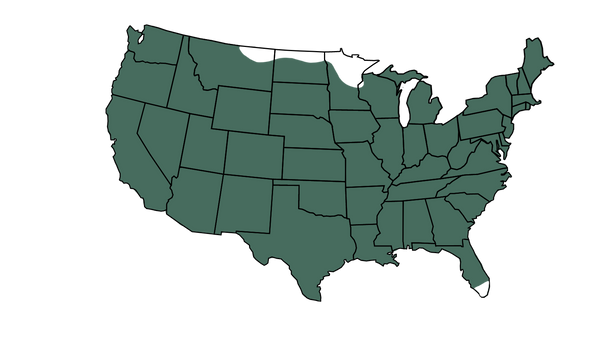
Where it grows in the groundShaded areas are the zones where it can be planted outdoors.


Size guide & what arrives
| *Trade size | **Pot size |
|---|---|
| 1 gallon | 6" |
| 3 gallon | 8 to 10" |
| 5 gallon | 10 to 12" |
| 7 gallon | 14" |
| 10 gallon | 15 to 17" |
| 15 gallon | 17" |
| "Jumbo" | 7 or 10 or 15 gallon |
*Nursery gallon sizes are trade sizes and do not equal standard liquid gallons.
**Pot sizes in inches refer to container width (diameter), not plant or pot height.
Please note: Sizing can differ between plant varieties and growers. Please chat with us if you need clarification.
For more information on sizing, please see our sizing guide.
What arrives
Regular trimming may be needed to maintain the spiral shape and prevent overgrowth.
What customers are saying
Why customers love it

Healthy, well-rooted plants
Hand-selected and shipped in its nursery pot.

Delivered to your door
Skip the nursery trip. Very little car Tetris required.

Real plant experts
Ask us anything before or after planting.

1-year guarantee
If something goes wrong, we'll help make it right.
Care made simple
Plant it right once and it does the rest.
Pick the spot before you dig.
Water slowly and deeply. Check more often in its first summer.
Enter your ZIP above to check your zone.
Your first year together
- 1Day 1
Plant it, then water slowly until the whole root ball is soaked.
- 2First few weeks
Keep the soil evenly moist while new roots settle in.
- 3First summer
Water deeply during hot, dry spells.
- 4Next spring
New growth starts. Feed as it wakes up.
Planting instructions
Watering & sunlight
Use a slow-running hose, soaker hose, or drip system to water the root ball and surrounding root zone thoroughly. Allow the water to penetrate deeply (not just wet the top few inches of soil), and avoid frequent, shallow watering.
Before watering again, check the soil 3–4 inches deep near the root ball. If it feels dry, repeat this deep-watering process. If it feels moist or soggy, wait and check again in 1–2 days. Check the soil of newly planted trees and shrubs several times per week, especially during hot, dry, or windy weather.
Irrigation run times will vary based on flow rate, soil, and system setup.
Need help? Contact our plant experts for watering guidance tailored to your plant and growing conditions.
Spartan Juniper Spiral prefers full sun, ensure it receives 6-8 hours of direct sunlight daily.
Care guide
Shipping & what's inside
Your plant ships in its nursery pot with the soil secured, packed so it stays steady on the way to you.
1-year guarantee
Every plant is covered by our 1-year guarantee. If something goes wrong, contact our team and we'll walk you through it.
 Answered by Simply Trees plant experts
How big does Spartan Juniper Spiral get?
Height: Spartan Junipers can grow to a mature height of 15 to 20 feet.
Width: They usually have a mature spread of 4 to 5 feet.
This upright, columnar growth habit makes Spartan Juniper an excellent choice for use as a privacy screen, hedge, or vertical accent in the landscape. Its dense foliage and narrow profile allow it to fit well into various garden settings while providing year-round greenery and structure.
How fast does Spartan Juniper grow?
Where is the best place to plant Spartan Juniper?
Sunlight: Spartan Junipers thrive in full sun and need at least 6 hours of direct sunlight each day. Plant them in a location where they will receive plenty of sunlight for optimal growth and dense foliage.
Soil: Choose well-drained soil. Spartan Junipers can adapt to various soil types, including sandy, loamy, and clay soils, as long as the soil drains well. Avoid areas where water tends to pool or where the soil remains consistently wet.
Air Circulation: Plant in an area with good air circulation to help prevent fungal diseases and promote healthy growth. Avoid planting too close to other plants or structures that might block airflow.
Space Considerations: Ensure there is enough space for the juniper to reach its mature size. Spartan Junipers can grow up to 15 to 20 feet tall and 4 to 5 feet wide. Provide sufficient spacing from buildings, fences, and other plants (at least 4 to 6 feet apart).
Landscape Use: Spartan Junipers are versatile and can be used for various purposes in the landscape, such as privacy screens, hedges, windbreaks, or as specimen plants. Consider the specific role you want the plant to play in your garden when choosing the planting location.
Climate: Spartan Junipers are hardy in USDA zones 4-9. Ensure the planting site is within this hardiness range for the best chance of success.
By selecting a site that meets these conditions, you can ensure that your Spartan Juniper thrives and adds beauty and structure to your landscape.
How far apart should you plant Spartan Juniper?
Distance Between Plants: For optimal growth and air circulation, space Spartan Junipers about 4 to 6 feet apart. This spacing allows each plant enough room to reach its mature width of 4 to 5 feet without overcrowding.
Hedges and Screens: If you are planting Spartan Junipers as a hedge or privacy screen, you can space them closer together, about 3 to 4 feet apart. This closer spacing helps create a dense, continuous barrier more quickly.
Distance from Structures: Plant Spartan Junipers at least 5 to 6 feet away from buildings, fences, or other structures. This prevents potential issues with root interference and ensures the foliage does not rub against or damage the structure.
Distance from Other Plants: Ensure there is enough space between Spartan Junipers and other plants or trees, ideally 4 to 6 feet, to reduce competition for water and nutrients and to promote healthy growth.
By following these spacing guidelines, you can ensure that your Spartan Junipers have enough room to grow healthily and enhance your landscape.
How often should you water Spartan Juniper?
Newly Planted Junipers: During the first year after planting, water Spartan Junipers regularly to help establish their root systems. Water deeply once a week, ensuring the soil is moist but not waterlogged. In hotter climates or during dry spells, you may need to water more frequently.
Established Junipers: Once established (after the first year), Spartan Junipers are quite drought-tolerant and require less frequent watering. Water them deeply every 2-3 weeks during dry periods. In areas with regular rainfall, supplemental watering may not be necessary.
Seasonal Considerations:
Spring and Summer: Water more frequently during hot, dry weather to prevent stress and ensure healthy growth.
Fall: Gradually reduce watering as temperatures cool, allowing the plant to prepare for winter.
Winter: In colder climates, reduce watering significantly. Ensure the soil is not waterlogged, as excess moisture can lead to root rot.
Soil Moisture: Always check the soil moisture before watering. Insert your finger about an inch into the soil; if it feels dry, it's time to water. If it feels moist, wait a few more days before checking again.
Mulching: Apply a layer of mulch around the base of the plant to help retain soil moisture, regulate soil temperature, and reduce the frequency of watering.
By following these watering guidelines, you can ensure that your Spartan Juniper remains healthy and thrives in your landscape.
What is the ideal climate for Spartan Junipers?
USDA Hardiness Zones: Spartan Junipers are best suited for USDA hardiness zones 4-9. This wide range makes them adaptable to various temperature conditions.
Temperature: They can tolerate a broad range of temperatures, from cold winters to hot summers. However, they perform best in regions with moderate temperatures and are quite resilient to temperature fluctuations.
Sunlight: Spartan Junipers prefer full sun and need at least 6 hours of direct sunlight daily to thrive. They can tolerate partial shade, but full sun exposure promotes denser foliage and better overall growth.
Soil: These junipers are adaptable to various soil types, including sandy, loamy, and clay soils. They prefer well-drained soil and can tolerate poor soil conditions, making them suitable for a variety of landscapes.
Drought Tolerance: Once established, Spartan Junipers are quite drought-tolerant, making them ideal for dry and arid climates. They do well in regions with low to moderate rainfall.
Humidity: They prefer low to moderate humidity levels. In regions with high humidity, ensure good air circulation around the plants to prevent fungal diseases.
By providing these ideal conditions, you can ensure that your Spartan Junipers thrive and maintain their attractive appearance year-round.
Do Spartan Junipers have berries?
Appearance: The berries are small, typically about 1/4 inch in diameter. They start out green and mature to a bluish-black color. These berries add ornamental value to the plant.
Function: The berries are actually seed cones, and they serve as a reproductive structure for the juniper. Each berry contains one or more seeds.
Attraction to Wildlife: The berries are a food source for birds and other wildlife. Birds, in particular, are attracted to the berries and can help with seed dispersal.
Edibility: While some juniper berries are used for culinary purposes (such as in the production of gin), it's important to note that not all juniper berries are edible, and some can be toxic. Spartan Juniper berries are generally not considered suitable for human consumption.
The presence of berries adds to the aesthetic and ecological value of Spartan Junipers, making them a beneficial addition to a diverse garden landscape.
How far should you plant Spartan Junipers from structures?
Distance from Buildings: Plant Spartan Junipers at least 5 to 6 feet away from buildings, walls, and other structures. This spacing allows for proper air circulation and prevents the foliage from rubbing against the structure, which can cause damage to both the plant and the building.
Distance from Sidewalks and Driveways: Keep the plants at least 4 to 5 feet away from sidewalks, driveways, and other paved surfaces. This helps prevent root interference and ensures that the foliage does not obstruct pathways.
Distance from Other Plants: Space Spartan Junipers at least 4 to 5 feet apart from other plants or trees. This ensures adequate room for growth and reduces competition for water and nutrients.
Consider Mature Size: Spartan Junipers can grow up to 15 to 20 feet tall and 4 to 5 feet wide. Providing enough space from the start helps prevent overcrowding and allows the plants to reach their full potential.
By following these guidelines, you can ensure that your Spartan Junipers have enough space to grow healthily and enhance your landscape without causing issues with nearby structures.
Why does my Spartan Juniper have some browning?
Natural Aging:
Aging Process: As junipers mature, it is natural for some inner foliage to turn brown and drop off. This is part of the plant's normal aging process and helps make room for new growth. Regular pruning can help maintain the plant's appearance and health.
Watering Issues:
Overwatering: Too much water can lead to root rot, which causes browning of the foliage. Ensure the soil is well-drained and avoid excessive watering.
Underwatering: Lack of water, especially during prolonged dry periods, can cause stress and browning. Ensure the plant receives adequate water, particularly during hot and dry weather.
Pests:
Spider Mites: These tiny pests can cause browning by feeding on the plant's sap. Check for fine webbing and treat with insecticidal soap or miticides if necessary.
Bagworms: These pests create small silk bags and feed on the foliage, leading to browning. Remove and destroy any bags you find and consider using a suitable insecticide.
Diseases:
Fungal Infections: Diseases like Phomopsis or Kabatina blight can cause browning. Prune out infected branches and apply a fungicide if needed.
Root Rot: Caused by poorly drained soil, leading to brown, wilting foliage. Improve soil drainage and avoid overwatering.
Environmental Stress:
Winter Burn: Cold, dry winds can cause the foliage to turn brown, especially in exposed locations. Protect the plants with burlap screens or windbreaks during harsh winters.
Transplant Shock: Recently transplanted junipers may experience stress and browning as they adjust to their new environment. Ensure proper watering and care during the establishment period.
Nutrient Deficiency:
Lack of Nutrients: Poor soil nutrition can lead to browning. Consider applying a balanced fertilizer in early spring to promote healthy growth.
By identifying and addressing the specific cause of browning, you can help restore your Spartan Juniper to its healthy, green state.
Are Spartan Junipers drought tolerant?
Establishment Period: Like most plants, Spartan Junipers need regular watering during their first year after planting to establish a strong root system. After this period, their drought tolerance improves significantly.
Low Water Requirements: Once established, Spartan Junipers require minimal watering. They can thrive with infrequent deep watering, making them an excellent choice for low-water landscapes.
Soil Preferences: They prefer well-drained soil, which helps prevent root rot and other water-related issues. Their ability to adapt to various soil types, including sandy and rocky soils, also contributes to their drought tolerance.
Maintenance: While they can handle dry conditions, providing occasional deep watering during extended dry periods can help maintain their health and appearance.
Their drought tolerance, combined with their low maintenance requirements, makes Spartan Junipers an ideal choice for water-wise gardening and xeriscaping.