


Purple Rain Texas Sage
Zones 8-11
Save up to $1,000 on your whole cart.
Your code will auto-apply at checkout.
From our farm to your front door
- Shipped in its nursery pot, so the roots stay undisturbed
- Soil secured so it stays put in transit
- Packed so the plant stays steady on the way to you
At a glance
- Sunlight
- Full Sun
- Water
- When the top 2–3" of soil is dry
- Growth & size
- Moderate growth rate; mature height of 4-6 feet and width of 4-6 feet.
- Botanical name
- Leucophyllum frutescens
- Hardiness
- Zones 8-11
- Tolerates
- Heat tolerantDrought tolerantDesert tolerantWind tolerant
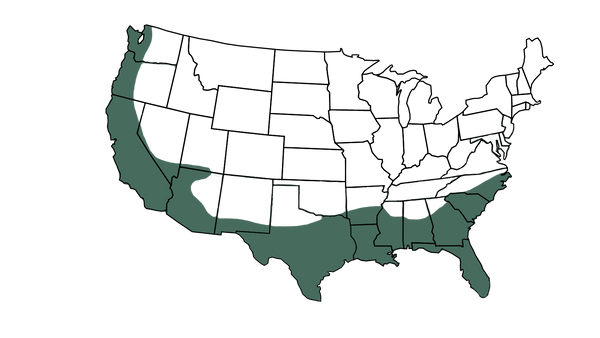
Where it grows in the groundShaded areas are the zones where it can be planted outdoors.


Size guide & what arrives
| *Trade size | **Pot size |
|---|---|
| 1 gallon | 6" |
| 3 gallon | 8 to 10" |
| 5 gallon | 10 to 12" |
| 7 gallon | 14" |
| 10 gallon | 15 to 17" |
| 15 gallon | 17" |
| "Jumbo" | 7 or 10 or 15 gallon |
*Nursery gallon sizes are trade sizes and do not equal standard liquid gallons.
**Pot sizes in inches refer to container width (diameter), not plant or pot height.
Please note: Sizing can differ between plant varieties and growers. Please chat with us if you need clarification.
For more information on sizing, please see our sizing guide.
What arrives
Purple Rain Texas Sage may experience some leaf drop during extended periods of heavy rain, but it recovers well once conditions improve.
What customers are saying
Why customers love it
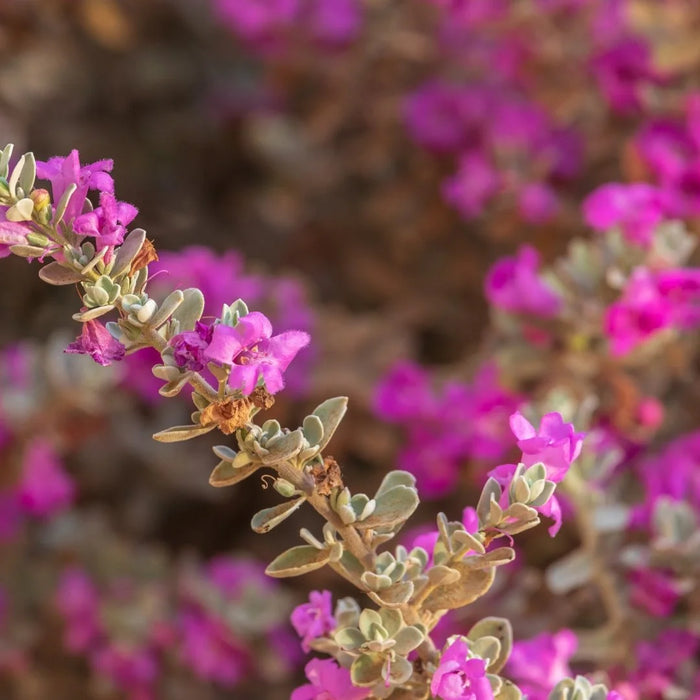
Healthy, well-rooted plants
Hand-selected and shipped in its nursery pot.
Delivered to your door
Skip the nursery trip. Very little car Tetris required.
Real plant experts
Ask us anything before or after planting.
1-year guarantee
If something goes wrong, we'll help make it right.
Care made simple
Plant it right once and it does the rest.
Pick the spot before you dig.
Water slowly and deeply. Check more often in its first summer.
Enter your ZIP above to check your zone.
Your first year together
- 1Day 1
Plant it, then water slowly until the whole root ball is soaked.
- 2First few weeks
Keep the soil evenly moist while new roots settle in.
- 3First summer
Water deeply during hot, dry spells.
- 4Next spring
New growth starts. Feed as it wakes up.
Planting instructions
Watering & sunlight
Care guide
Shipping & what's inside
Your plant ships in its nursery pot with the soil secured, packed so it stays steady on the way to you.
1-year guarantee
Every plant is covered by our 1-year guarantee. If something goes wrong, contact our team and we'll walk you through it.
 Answered by Simply Trees plant experts
How big does Purple Rain Texas Sage get?
Mature Size
Height: Purple Rain Texas Sage typically grows to a height of about 4 to 5 feet.
Width: It has a spread of approximately 4 to 6 feet.
Growth Habit
Shape: This plant has a rounded, bushy growth habit, making it a great choice for hedges, borders, or as a standalone specimen in the garden.
Foliage and Flowers: In addition to its size, it features dense, silvery-green foliage and profuse blooming, which adds visual interest and color to any landscape.
By understanding the mature size and growth habit of Purple Rain Texas Sage, you can effectively plan its placement in your garden to achieve the desired aesthetic and functional results.
How fast does Purple Rain Texas Sage grow?
Where is the best place to plant Purple Rain Texas Sage?
Ideal Planting Location
Sunlight: Choose a spot that receives full sun, which means at least 6 hours of direct sunlight daily. Full sun is crucial for optimal growth and abundant blooming.
Soil: Plant in well-draining soil. Texas Sage prefers sandy or rocky soils but can tolerate a range of soil types as long as they have good drainage. Avoid heavy clay soils unless they are amended with sand or gravel to improve drainage.
Air Circulation: Ensure the location has good air circulation to help prevent fungal diseases and promote healthy growth.
Additional Factors
Protection: Select a spot that is protected from strong winds, which can damage the delicate flowers and branches.
Landscape Use: Consider the plant’s role in your garden design. Purple Rain Texas Sage is excellent for use in xeriscapes, as a border or hedge plant, or as an accent in mixed shrub beds. Its silvery foliage and purple blooms add color and texture to various garden settings.
Spacing: Plant each shrub about 3 to 5 feet apart to allow for proper growth and air circulation.
Avoid
Shady Areas: Avoid planting in areas that receive less than 6 hours of sunlight, as insufficient light will reduce blooming and weaken the plant.
Poor Drainage: Do not plant in areas with poor drainage or where water tends to pool, as this can lead to root rot and other issues.
By selecting a sunny, well-draining location with good air circulation and protection from strong winds, your Purple Rain Texas Sage will thrive, providing vibrant color and beauty to your garden with minimal maintenance.
How far apart should I plant Purple Rain Texas Sage?
Spacing Requirements
Distance: Plant Purple Rain Texas Sage about 3 to 5 feet apart. This spacing allows each plant to grow to its full potential without overcrowding.
Consideration: If you aim to create a dense hedge or continuous border, you can plant them closer together, around 3 feet apart, to achieve a more uniform and full appearance more quickly.
Benefits of Proper Spacing
Air Circulation: Adequate spacing ensures good air circulation, which helps prevent fungal diseases and promotes healthy growth.
Growth and Spread: Proper spacing allows each plant enough room to spread and develop its natural shape without competing for nutrients, water, and sunlight.
Maintenance: Sufficient space makes it easier to access each plant for pruning, watering, and other maintenance tasks.
By following these spacing guidelines, your Purple Rain Texas Sage plants will thrive, providing a beautiful and healthy display in your garden.
How long does it take for Purple Rain Texas Sage to bloom?
Blooming Timeline
Establishment Period: In its first year after planting, Texas Sage may focus more on establishing its root system, which can sometimes delay the initial blooms.
First Blooms: You can expect the first significant blooms within the first growing season, typically a few months after planting, especially if planted in spring.
Bloom Frequency: Once established, Purple Rain Texas Sage blooms multiple times a year. It is known for its ability to produce vibrant flowers in response to changes in humidity, such as after rainfall. In regions with intermittent summer rains, this can result in several blooming periods from late spring through fall.
Factors Influencing Bloom Time
Sunlight: Full sun exposure (at least 6 hours of direct sunlight daily) is crucial for timely and abundant blooming.
Watering: While drought-tolerant, regular watering during the establishment period helps promote quicker blooming. Avoid overwatering as it can inhibit blooms.
Soil: Well-draining soil supports healthy growth and blooming. Poor drainage can delay or reduce blooms.
Climate and Humidity: Changes in humidity and weather conditions, especially after rain, often trigger blooming in Texas Sage.
Care Tips for Encouraging Blooms
Proper Planting: Ensure the plant is in a location with full sun and well-draining soil.
Watering: Water regularly during the first growing season to establish the roots, then reduce frequency.
Pruning: Lightly prune in late winter or early spring to encourage new growth and more blooms.
Fertilization: Use a balanced, slow-release fertilizer in early spring to support healthy growth.
With the right care and conditions, your Purple Rain Texas Sage should bloom beautifully and repeatedly, adding vibrant color to your garden throughout the growing season.
What does Purple Rain Texas Sage attract?
Beneficial Insects and Pollinators
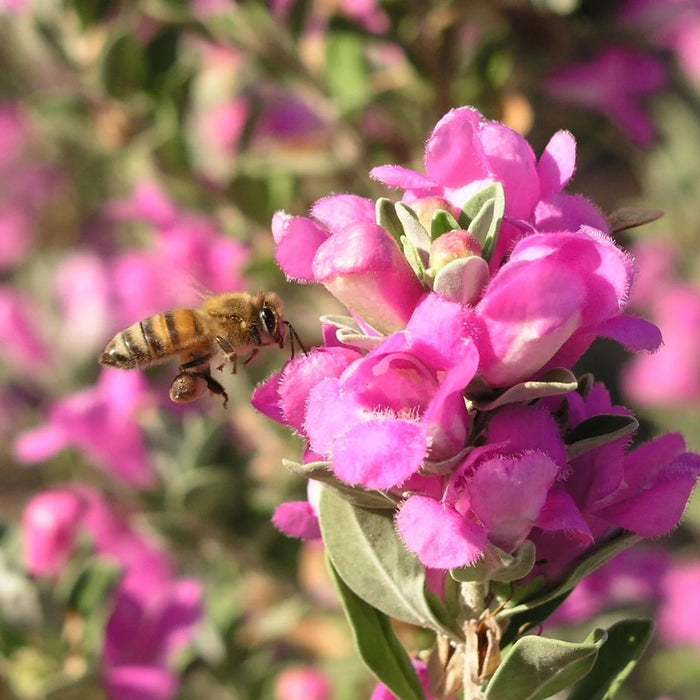
Bees: The vibrant purple flowers of Texas Sage are highly attractive to bees, which are essential for pollination.
Butterflies: The colorful blooms also attract butterflies, adding a lively and dynamic element to your garden.
Hummingbirds: While not as commonly attracted as bees and butterflies, hummingbirds may also visit the flowers for their nectar.
Wildlife
Birds: Some birds may be drawn to the shrub for shelter or to forage for insects that are attracted to the plant.
Garden Benefits
Pollination: By attracting bees and butterflies, Purple Rain Texas Sage helps support the pollination of other plants in your garden, promoting a healthy ecosystem.
Biodiversity: The presence of various pollinators and wildlife increases the biodiversity of your garden, contributing to a balanced and thriving environment.
By planting Purple Rain Texas Sage, you not only enhance the beauty of your garden with its stunning foliage and flowers but also support local pollinators and wildlife.
Is Purple Rain Texas Sage evergreen?
Should you winterize Purple Rain Texas Sage?
Assess Your Climate
Mild Climates: In USDA zones 8-11, where winters are mild, Purple Rain Texas Sage typically does not require special winterization.
Colder Climates: In regions where temperatures drop below freezing (zones 7 and below), some protective measures may be necessary.
Winterizing Steps:
Mulching:
Insulation: Apply a thick layer of mulch (2-4 inches) around the base of the plant to insulate the roots and retain soil moisture. Use organic materials such as straw, bark, or wood chips.
Coverage: Ensure the mulch covers the root zone but avoid piling it against the stem to prevent rot.
Watering:
Deep Watering: Give the plant a deep watering before the first hard freeze. Moist soil retains heat better than dry soil.
Reduce Frequency: Reduce watering during winter, as the plant requires less water when it's dormant.
Pruning:
Timing: Avoid heavy pruning in late fall. Instead, prune lightly in late winter or early spring before new growth begins.
Removal: Remove any dead or damaged branches to reduce stress on the plant.
Protection:
Covering: In regions with severe frost, consider covering the plant with burlap, frost cloth, or a blanket to protect it from extreme cold and wind. Remove the covering during the day if temperatures rise above freezing.
Windbreaks: Use windbreaks or plant the sage in a sheltered location to protect it from harsh winter winds.
Container Plants:
Relocation: If your Texas Sage is in a container, move it to a sheltered location, such as a garage, shed, or unheated greenhouse, to protect it from freezing temperatures.
Insulation: Insulate the pot with bubble wrap or burlap to protect the roots from cold.
Additional Considerations
Observation: Regularly check the plant for signs of stress or damage during the winter months.
Patience: Be patient in spring, as Texas Sage may take some time to start growing again after winter dormancy.
By taking these steps, you can help ensure that your Purple Rain Texas Sage survives the winter and returns healthy and vibrant in the spring.
How do you care for Purple Rain Texas Sage?
Planting
Location: Choose a sunny spot that receives at least 6 hours of direct sunlight daily. Full sun is crucial for optimal growth and blooming.
Soil: Plant in well-draining soil. Sandy or rocky soils are ideal, but if your soil is heavy clay, amend it with sand or gravel to improve drainage.
Watering
Frequency: Water sparingly. Purple Rain Texas Sage is drought-tolerant and prefers dry conditions once established.
Technique: Allow the soil to dry out between watering sessions. Overwatering can lead to root rot and other issues.
Feeding
Fertilization: Generally, Texas Sage does not require frequent fertilization. If needed, apply a balanced, slow-release fertilizer in early spring. Avoid high-nitrogen fertilizers, as they can promote excessive foliage growth at the expense of blooms.
Pruning
Timing: Prune lightly in late winter or early spring before new growth begins. This helps maintain the plant's shape and encourages healthy growth.
Method: Remove any dead or damaged branches. Lightly trim the tips of the branches to promote bushier growth and more blooms.
Mulching
Benefits: Apply a layer of mulch around the base of the plant to help retain moisture, suppress weeds, and regulate soil temperature.
Material: Use organic mulch such as wood chips, bark, or gravel.
Pest and Disease Control
Monitoring: Regularly inspect your plant for signs of pests or diseases. Texas Sage is generally pest-resistant but can occasionally be affected by spider mites or fungal infections.
Treatment: Use insecticidal soap or neem oil for pests. Ensure proper spacing and air circulation to prevent fungal diseases.
Winter Care
Protection: In colder climates, protect the plant from severe frost by covering it with burlap or a frost cloth. Ensure the roots are well-insulated with mulch.
Additional Tips
Avoid Overwatering: One of the most common mistakes is overwatering. Ensure the soil is dry before watering again.
Spacing: Plant Texas Sage with adequate spacing (3 to 5 feet apart) to allow for good air circulation, which helps prevent disease.
By following these care guidelines, your Purple Rain Texas Sage will flourish, providing vibrant purple blooms and attractive silvery-green foliage to your garden.
Why isn't my Purple Rain Texas Sage blooming?
Reasons for Lack of Blooms:
Insufficient Sunlight:
Issue: Texas Sage requires full sun (at least 6 hours of direct sunlight daily) to bloom properly.
Solution: Ensure your plant is in a location that receives ample sunlight. If it's in a shaded area, consider transplanting it to a sunnier spot.
Improper Watering:
Issue: Overwatering or underwatering can stress the plant and inhibit blooming. Texas Sage is drought-tolerant and prefers dry conditions.
Solution: Water sparingly, allowing the soil to dry out between watering sessions. Overwatering can lead to root rot and lack of blooms.
Soil Conditions:
Issue: Poorly draining soil can cause root problems, while overly rich soil can lead to excessive foliage growth at the expense of flowers.
Solution: Ensure the soil is well-draining and not overly fertile. Amending soil with sand or gravel can improve drainage.
Temperature and Climate:
Issue: Texas Sage blooms in response to changes in humidity and temperature, often after rain or during periods of high humidity.
Solution: Be patient during dry spells; blooms may appear after changes in weather conditions.
Pruning Practices:
Issue: Incorrect pruning can remove flower buds and inhibit blooming.
Solution: Prune lightly in late winter or early spring before new growth starts. Avoid heavy pruning during the growing season.
Nutrient Imbalance:
Issue: Excessive nitrogen can promote foliage growth at the expense of flowers.
Solution: Use a balanced fertilizer with lower nitrogen levels to encourage blooming.
Additional Tips
Check for Pests or Diseases: Ensure your plant is healthy and free from pests or diseases that might affect its ability to bloom.
Patience: Sometimes, young plants need a few seasons to establish themselves before blooming profusely.
By addressing these potential issues, you can help your Purple Rain Texas Sage bloom beautifully, adding vibrant color to your garden.