


Peggy Martin Climbing Rose
Zones 5-9
Buy more, save more
Save up to $1,000 on your whole cart.
Discounts don't stack. At checkout you automatically get whichever saves you more.
See all savings tiers
Your code will auto-apply at checkout.
From our farm to your front door
- Shipped in its nursery pot, so the roots stay undisturbed
- Soil secured so it stays put in transit
- Packed so the plant stays steady on the way to you
At a glance
- Sunlight
- Full Sun
- Water
- When the top 2–3" of soil is dry
- Growth & size
- Fast growth rate; reaches 10–15 ft tall and 6–8 ft wide when mature
- Botanical name
- Rosa 'Peggy Martin'
- Hardiness
- Zones 5-9
- Tolerates
- Heat tolerantHumidity tolerantDrought tolerantWind tolerant
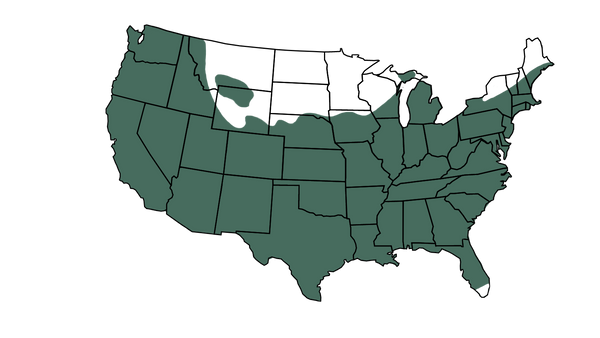
Where it grows in the groundShaded areas are the zones where it can be planted outdoors.


Size guide & what arrives
| *Trade size | **Pot size |
|---|---|
| 1 gallon | 6" |
| 3 gallon | 8 to 10" |
| 5 gallon | 10 to 12" |
| 7 gallon | 14" |
| 10 gallon | 15 to 17" |
| 15 gallon | 17" |
| "Jumbo" | 7 or 10 or 15 gallon |
*Nursery gallon sizes are trade sizes and do not equal standard liquid gallons.
**Pot sizes in inches refer to container width (diameter), not plant or pot height.
Please note: Sizing can differ between plant varieties and growers. Please chat with us if you need clarification.
For more information on sizing, please see our sizing guide.
What arrives
Peggy Martin is a semi-thornless climbing rose that needs a sturdy structure to support its rapid vertical growth. While it’s low-maintenance, pruning after blooming will help shape and encourage a second round of flowers.
What customers are saying
Why customers love it

Healthy, well-rooted plants
Hand-selected and shipped in its nursery pot.

Delivered to your door
Skip the nursery trip. Very little car Tetris required.

Real plant experts
Ask us anything before or after planting.

1-year guarantee
If something goes wrong, we'll help make it right.
Care made simple
Plant it right once and it does the rest.
Pick the spot before you dig.
Water slowly and deeply. Check more often in its first summer.
Enter your ZIP above to check your zone.
Your first year together
- 1Day 1
Plant it, then water slowly until the whole root ball is soaked.
- 2First few weeks
Keep the soil evenly moist while new roots settle in.
- 3First summer
Water deeply during hot, dry spells.
- 4Next spring
New growth starts. Feed as it wakes up.
Planting instructions
Watering & sunlight
Care guide
Shipping & what's inside
Your plant ships in its nursery pot with the soil secured, packed so it stays steady on the way to you.
1-year guarantee
Every plant is covered by our 1-year guarantee. If something goes wrong, contact our team and we'll walk you through it.
 Answered by Simply Trees plant experts
How big does the Peggy Martin Climbing Rose get?
How fast does the Peggy Martin Climbing Rose grow?
Where is the best place to plant the Peggy Martin Climbing Rose?
How do I train the Peggy Martin Climbing Rose?
1. Install a trellis, fence, arbor, or wire support at planting time.
2. As the canes grow, gently tie them using soft plant ties, twine, or garden tape.
3. Spread the canes horizontally or in a fan shape—this encourages more blooms along the length of each cane.
4. Prune stray canes and guide new growth to keep it full and balanced.
Regular training helps create a structured, bloom-heavy display over time.
Can I plant the Peggy Martin Climbing Rose in a container?
• Choose a pot at least 20–24 inches wide and deep, with good drainage.
• Use well-draining potting soil and a slow-release rose fertilizer.
• Add a trellis or obelisk in the container for support.
• Place the container in full sun, and water regularly to prevent the soil from drying out.
Container-grown roses may stay slightly smaller but can still thrive and bloom beautifully with proper care.
How do I prune the Peggy Martin Climbing Rose?
• Prune in late winter or early spring before new growth begins.
• Remove dead, damaged, or crossing canes.
• Cut back older canes to the base every few years to encourage fresh growth.
• After the first bloom flush, deadhead spent flowers and lightly shape if needed.
Training and annual pruning help maintain a tidy form and encourage heavy blooming.
How do I care for the Peggy Martin Climbing Rose?
• Sunlight: Full sun (6–8 hours daily)
• Watering: Water deeply when the top inch of soil is dry—aim for consistent moisture, especially in summer
• Soil: Well-draining, slightly acidic to neutral soil
• Fertilizer: Feed with a rose fertilizer in early spring, and again after each bloom cycle
• Pruning: Shape in early spring and after blooming
• Mulching: Add mulch to retain moisture and suppress weeds
This rose is prized for its resilience and reblooming ability, even in tough southern climates.
How do I winterize the Peggy Martin Climbing Rose?
• In Zones 7–9, minimal protection is needed—just mulch the base and avoid pruning late in the season.
• In Zones 4–6, mulch heavily around the base (up to 8 inches deep) after the first frost.
• Consider wrapping canes with burlap or frost cloth in areas with harsh winters.
• Avoid late-season feeding or pruning, which may trigger tender growth before frost.
Peggy Martin is cold-hardy and disease-tolerant, but still benefits from basic winter prep.