


Loring Peach Tree
Zones 5-8
Can't ship to your state. Due to USDA and state agriculture regulations.
Shop plants we can ship to you ·
Can't ship to California or Georgia.
Buy more, save more
Save up to $1,000 on your whole cart.
Discounts don't stack. At checkout you automatically get whichever saves you more.
See all savings tiers
Your code will auto-apply at checkout.
From our farm to your front door
- Shipped in its nursery pot, so the roots stay undisturbed
- Soil secured so it stays put in transit
- Packed so the plant stays steady on the way to you
At a glance
- Leaves
- Deciduous: drops its leaves in fall and regrows them in spring
- Sunlight
- Full Sun
- Water
- When the top 2–3" of soil is dry
- Growth & size
- Moderate growth rate; mature height of 10-15 feet and width of 10-15 feet.
- Botanical name
- Prunus persica 'Loring'
- Hardiness
- Zones 5-8
- Tolerates
- Cold hardyHeat tolerantHumidity tolerant
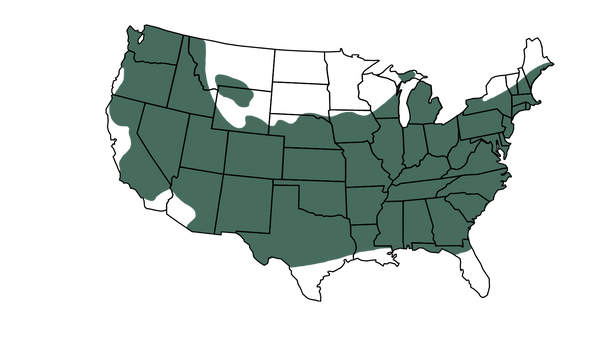
Where it grows in the groundShaded areas are the zones where it can be planted outdoors.


Size guide & what arrives
| *Trade size | **Pot size |
|---|---|
| 1 gallon | 6" |
| 3 gallon | 8 to 10" |
| 5 gallon | 10 to 12" |
| 7 gallon | 14" |
| 10 gallon | 15 to 17" |
| 15 gallon | 17" |
| "Jumbo" | 7 or 10 or 15 gallon |
*Nursery gallon sizes are trade sizes and do not equal standard liquid gallons.
**Pot sizes in inches refer to container width (diameter), not plant or pot height.
Please note: Sizing can differ between plant varieties and growers. Please chat with us if you need clarification.
For more information on sizing, please see our sizing guide.
What arrives
Loring Peach Trees require regular watering during the growing season to ensure healthy fruit development.
*We cannot guarantee the Loring Peach Tree you receive will already be bearing fruit. This depends on the season and the overall growth pattern.
What customers are saying
Why customers love it

Healthy, well-rooted plants
Hand-selected and shipped in its nursery pot.

Delivered to your door
Skip the nursery trip. Very little car Tetris required.

Real plant experts
Ask us anything before or after planting.

1-year guarantee
If something goes wrong, we'll help make it right.
Care made simple
Plant it right once and it does the rest.
Pick the spot before you dig.
Water slowly and deeply. Check more often in its first summer.
Enter your ZIP above to check your zone.
Your first year together
- 1Day 1
Plant it, then water slowly until the whole root ball is soaked.
- 2First few weeks
Keep the soil evenly moist while new roots settle in.
- 3First summer
Water deeply during hot, dry spells.
- 4Next spring
New growth starts. Feed as it wakes up.
Planting instructions
Watering & sunlight
Use a slow-running hose, soaker hose, or drip system to water the root ball and surrounding root zone thoroughly. Allow the water to penetrate deeply (not just wet the top few inches of soil), and avoid frequent, shallow watering.
Before watering again, check the soil 3–4 inches deep near the root ball. If it feels dry, repeat this deep-watering process. If it feels moist or soggy, wait and check again in 1–2 days. Check the soil of newly planted trees and shrubs several times per week, especially during hot, dry, or windy weather.
Irrigation run times will vary based on flow rate, soil, and system setup.
Need help? Contact our plant experts for watering guidance tailored to your plant and growing conditions.
Loring Peach Tree requires full sun, with at least 6-8 hours of direct sunlight daily for optimal growth and fruiting.
Care guide
Shipping & what's inside
Your plant ships in its nursery pot with the soil secured, packed so it stays steady on the way to you.
1-year guarantee
Every plant is covered by our 1-year guarantee. If something goes wrong, contact our team and we'll walk you through it.
 Answered by Simply Trees plant experts
How big does the Loring Peach Tree get?
How fast does the Loring Peach Tree grow?
Where is the best place to plant the Loring Peach Tree?
Full Sun: Choose a spot that receives at least 6-8 hours of direct sunlight daily. Full sun is essential for healthy growth and optimal fruit production.
Well-Drained Soil: Ensure the soil is well-drained and rich in organic matter. Peach trees do not tolerate waterlogged conditions, so planting in well-draining soil helps prevent root rot and other moisture-related issues.
Slightly Elevated Area: Planting on a slightly elevated area or slope can improve drainage and reduce the risk of frost damage, as cold air tends to settle in lower areas.
Protection from Strong Winds: Select a location that provides some protection from strong winds, which can damage branches and reduce fruit set. Planting near a fence or building can offer some wind protection.
Good Air Circulation: Ensure good air circulation around the tree to reduce the risk of fungal diseases such as peach leaf curl. Avoid planting too close to other trees or structures that could restrict airflow.
Spacing: Plant the Loring Peach Tree at least 15-20 feet away from other trees or large structures to provide enough space for its mature size and to ensure it receives adequate sunlight and airflow.
By selecting a planting location that offers these conditions, you can help ensure that your Loring Peach Tree will thrive, producing healthy growth and abundant, high-quality peaches.
Can I plant the Loring Peach Tree in a planter?
Container Size: Choose a large planter with a minimum diameter of 24-30 inches and a similar depth to accommodate the tree's root system. Ensure the container has drainage holes to prevent waterlogging.
Soil: Use a high-quality, well-draining potting mix. Avoid using garden soil, which can become compacted and hinder root growth.
Location: Place the planter in a location that receives at least 6-8 hours of direct sunlight daily. Full sun is essential for peach trees to produce abundant fruit.
Watering: Container-grown trees dry out more quickly than those planted in the ground. Water the tree regularly to keep the soil consistently moist but not waterlogged. During hot weather, you may need to water more frequently.
Fertilizing: Feed the tree with a balanced, slow-release fertilizer formulated for fruit trees according to the package instructions. Container plants may require more frequent feeding than those in the ground due to nutrient leaching.
Pruning: Prune the tree annually in late winter or early spring to maintain its shape and encourage healthy growth. Remove any dead, damaged, or crossing branches.
Winter Care: In colder climates, consider moving the planter to a sheltered location or insulating the container to protect the roots from freezing temperatures. You can also wrap the container with burlap or bubble wrap for added insulation.
Repotting: As the tree grows, it may outgrow its container. Repot the tree into a larger container or refresh the potting mix every few years to ensure continued healthy growth.
By following these guidelines, you can successfully grow a Loring Peach Tree in a planter, enjoying its beautiful blooms and delicious fruit even in limited space.
How long until the Loring Peach Tree bears fruit?
Is the Loring Peach a freestone?
How do you care for the Loring Peach Tree?
Planting Location: Choose a sunny spot with well-drained soil. Loring Peach Trees need at least 6-8 hours of direct sunlight daily for optimal growth and fruit production.
Soil: Plant in fertile, well-draining soil. If your soil is heavy or clay-based, amend it with organic matter to improve drainage.
Watering: Water the tree deeply and regularly, especially during dry periods. Young trees need consistent moisture to establish strong roots. Mature trees should be watered during dry spells, ensuring the soil remains moist but not waterlogged.
Mulching: Apply a 2-4 inch layer of mulch around the base of the tree to help retain soil moisture, suppress weeds, and regulate soil temperature. Keep the mulch a few inches away from the trunk to prevent rot.
Fertilizing: Fertilize in early spring with a balanced, slow-release fertilizer formulated for fruit trees. Follow the manufacturer's instructions for the appropriate amount. Avoid over-fertilizing, as excessive nutrients can lead to lush foliage at the expense of fruit production.
Pruning: Prune the tree annually in late winter or early spring to remove dead, diseased, or damaged branches. Maintain an open center or vase shape to allow sunlight and air to penetrate the canopy, promoting healthy growth and fruit production. Remove any suckers or water sprouts that may develop.
Thinning Fruit: Once the tree starts to set fruit, thin the peaches to about 6-8 inches apart to prevent overcrowding. This helps ensure larger, healthier fruit and prevents branches from breaking under the weight of too many peaches.
Pest and Disease Control: Monitor the tree for common pests such as aphids, peach tree borers, and scale insects. Use appropriate organic or chemical treatments as needed. Implement disease prevention measures, such as proper pruning and good air circulation, to reduce the risk of fungal infections like peach leaf curl.
Harvesting: Harvest peaches when they are fully ripe, usually in mid to late summer. The fruit should be firm but yield slightly to gentle pressure and have a sweet aroma.
By following these care guidelines, your Loring Peach Tree will remain healthy and productive, providing you with delicious, high-quality peaches year after year.
When does the Loring Peach Tree bloom?
Are Loring Peach Trees self-pollinating?
Should you prune the Loring Peach Tree?
Timing: The best time to prune a peach tree is in late winter or early spring, just before new growth begins. This timing minimizes the risk of disease and allows the tree to heal quickly.
Initial Pruning: When planting a young tree, prune it to a height of about 30 inches to encourage the development of a strong scaffold of branches.
Annual Pruning: Each year, remove any dead, diseased, or damaged branches. Thin out crowded areas to improve air circulation and light penetration, which helps reduce the risk of fungal diseases.
Shape: Maintain an open center or vase shape, which allows sunlight to reach the inner branches and promotes better fruit production. Remove any inward-growing branches that clutter the center of the tree.
Fruit Wood: Prune to encourage the growth of new fruiting wood, as peach trees produce fruit on one-year-old wood. Remove old, non-productive branches and encourage new shoots.
Height Control: Keep the tree at a manageable height for easy harvesting and maintenance. Prune to control the tree’s height and spread.
By following these pruning guidelines, you can ensure your Loring Peach Tree remains healthy, productive, and well-shaped, resulting in a bountiful harvest of delicious peaches.