


Loblolly Pine Tree
Zones 6-9
Buy more, save more
Save up to $1,000 on your whole cart.
Discounts don't stack. At checkout you automatically get whichever saves you more.
See all savings tiers
Your code will auto-apply at checkout.
From our farm to your front door
- Shipped in its nursery pot, so the roots stay undisturbed
- Soil secured so it stays put in transit
- Packed so the plant stays steady on the way to you
At a glance
- Leaves
- Evergreen: keeps its leaves all year
- Sunlight
- Full Sun
- Water
- When the top 2" of soil is dry
- Growth & size
- Fast growth rate; it reaches a mature height of 60 to 90 feet and a width of 25 to 35 feet.
- Botanical name
- Pinus taeda
- Hardiness
- Zones 6-9
- Tolerates
- Heat tolerantHumidity tolerantWind tolerant
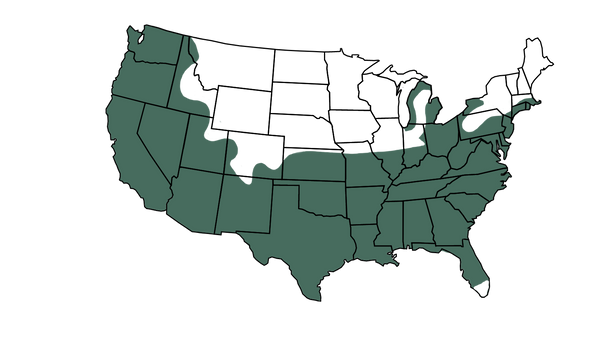
Where it grows in the groundShaded areas are the zones where it can be planted outdoors.


Size guide & what arrives
| *Trade size | **Pot size |
|---|---|
| 1 gallon | 6" |
| 3 gallon | 8 to 10" |
| 5 gallon | 10 to 12" |
| 7 gallon | 14" |
| 10 gallon | 15 to 17" |
| 15 gallon | 17" |
| "Jumbo" | 7 or 10 or 15 gallon |
*Nursery gallon sizes are trade sizes and do not equal standard liquid gallons.
**Pot sizes in inches refer to container width (diameter), not plant or pot height.
Please note: Sizing can differ between plant varieties and growers. Please chat with us if you need clarification.
For more information on sizing, please see our sizing guide.
What arrives
This pine tree variety is known for its ability to withstand high winds and is often used in coastal planting due to its stability and strength.
What customers are saying
Why customers love it

Healthy, well-rooted plants
Hand-selected and shipped in its nursery pot.

Delivered to your door
Skip the nursery trip. Very little car Tetris required.

Goodbye, noisy neighbors
A living screen that blocks the view, softens the sound and looks better than a fence.

1-year guarantee
If something goes wrong, we'll help make it right.
Care made simple
Plant it right once and it does the rest.
Pick the spot before you dig.
Water slowly and deeply. Check more often in its first summer.
Enter your ZIP above to check your zone.
Your first year together
- 1Day 1
Plant it, then water slowly until the whole root ball is soaked.
- 2First few weeks
Keep the soil evenly moist while new roots settle in.
- 3First summer
Water deeply during hot, dry spells.
- 4Next spring
New growth starts. Feed as it wakes up.
Planting instructions
Watering & sunlight
Use a slow-running hose, soaker hose, or drip system to water the root ball and surrounding root zone thoroughly. Allow the water to penetrate deeply (not just wet the top few inches of soil), and avoid frequent, shallow watering.
Before watering again, check the soil 3–4 inches deep near the root ball. If it feels dry, repeat this deep-watering process. If it feels moist or soggy, wait and check again in 1–2 days. Check the soil of newly planted trees and shrubs several times per week, especially during hot, dry, or windy weather.
Irrigation run times will vary based on flow rate, soil, and system setup.
Need help? Contact our plant experts for watering guidance tailored to your plant and growing conditions.
Loblolly Pine requires full sun exposure—at least 6 to 8 hours of direct sunlight daily—to thrive and achieve its fast growth rate.
Care guide
Shipping & what's inside
Your plant ships in its nursery pot with the soil secured, packed so it stays steady on the way to you.
1-year guarantee
Every plant is covered by our 1-year guarantee. If something goes wrong, contact our team and we'll walk you through it.
 Answered by Simply Trees plant experts
How big do Loblolly Pine Trees get?
How fast do Loblolly Pine Trees grow?
Where is the best place to plant Loblolly Pine Trees?
Plant them in areas with good air circulation to reduce the risk of disease. They are well-suited for open spaces like large yards, forests, or along property lines, where they can serve as windbreaks or privacy screens. If you’re planting for timber or reforestation, Loblolly Pines are ideal for regions with warm climates, especially in USDA zones 6 to 9, where they are commonly found.
Avoid planting in low-lying areas where water might pool, as standing water can lead to root rot. Additionally, give the trees enough room to grow to their full height (up to 90 feet) and spread (up to 30 feet).
How far apart should I plant Loblolly Pine Trees?
If planting as a windbreak or privacy screen, you can plant them closer together, around 8 to 10 feet apart, to encourage denser growth. Keep in mind that proper spacing helps reduce competition for nutrients and water, promotes healthy growth, and minimizes the risk of disease.
How do I care for Loblolly Pine Trees?
Water young trees deeply once a week during the first year to help establish their root system. Mature trees are drought-tolerant and generally only need watering during prolonged dry spells. Ensure that the soil remains moist but not soggy, as overwatering can lead to root rot.
Fertilize in early spring with a balanced, slow-release fertilizer, such as a 10-10-10 formula, to promote healthy growth, especially in nutrient-poor soils. Avoid over-fertilizing, as Loblolly Pines generally don’t need heavy feeding.
Mulch around the base of the tree with a layer of organic mulch to retain soil moisture, regulate soil temperature, and suppress weeds. Keep the mulch a few inches away from the trunk to prevent rot.
Pruning is generally not necessary for Loblolly Pines, but you can remove any dead, damaged, or diseased branches to maintain the tree’s health. Prune in late winter or early spring when the tree is dormant.
Monitor for pests like pine bark beetles and diseases like needle blight. If you notice signs of infestation or disease, treat promptly with appropriate insecticides or fungicides.
With proper care, Loblolly Pine trees are relatively low-maintenance and will thrive in most environments.
How often should I water Loblolly Pine Trees?
Young trees: For the first year after planting, water deeply once a week, especially during dry spells. This helps establish a strong root system. Make sure the soil stays moist but not waterlogged.
Mature trees: Once established (after the first 1-2 years), Loblolly Pines generally need less frequent watering. You can reduce watering to every 10-14 days during dry periods, allowing the soil to dry out slightly between waterings. In areas with regular rainfall, mature trees may not require supplemental watering unless experiencing drought conditions.
Be sure to monitor soil moisture, particularly in sandy soils or during extended dry spells, as Loblolly Pines prefer well-draining soil. Overwatering or poor drainage can lead to root rot, so it’s important to avoid waterlogged conditions.
Are there male and female Loblolly Pine Trees?
Male Cones: These are small, cylindrical cones that produce pollen. They typically appear in clusters on the lower branches of the tree in early spring. Once they release pollen, they usually fall off the tree.
Female Cones: The female cones are larger and grow higher up in the tree. After pollination, these cones develop over the course of two years, maturing into the familiar woody, brown pine cones that contain seeds.
This allows a single Loblolly Pine tree to reproduce without needing a separate male and female tree, making them efficient reproducers in forests and other settings.
What is the root system like on Loblolly Pine Trees?
In addition to the taproot, Loblolly Pines develop a widespread lateral root system, which can extend well beyond the tree’s canopy. These lateral roots help the tree absorb nutrients and water from a larger area. The combination of deep and lateral roots allows Loblolly Pines to adapt to various soil types, including sandy, loamy, and clay soils, and provides the tree with resilience against wind and erosion.
Overall, the root system of Loblolly Pine trees makes them stable and adaptable, but in compacted or poorly drained soils, the roots may not penetrate deeply, making them somewhat more vulnerable to high winds.
What is special about Loblolly Pine Trees?
Fast Growth: Loblolly Pines are known for their rapid growth, making them a popular choice for timber production, reforestation, and windbreaks.
Adaptability: They are highly adaptable to a variety of soil types, including sandy, clay, and loamy soils, and can tolerate wet conditions, which makes them suitable for a wide range of landscapes.
Economic Importance: Loblolly Pines are one of the most commercially valuable trees in the southeastern United States, extensively used for lumber, paper, and plywood production due to their fast growth and strong wood.
Wildlife Habitat: These trees provide important habitat for wildlife, including birds, squirrels, and deer. Their seeds are a food source for many animals, and their tall stature offers excellent shelter.
Evergreen: Loblolly Pines are evergreen, meaning they keep their needles year-round, providing year-long greenery and visual interest in the landscape.
These traits make Loblolly Pines a valuable and versatile tree in both commercial forestry and residential landscapes.
Should I fertilize the Loblolly Pine Tree?
Fertilize in early spring before the growing season begins to give the tree a nutrient boost. For mature trees, fertilizing is usually only necessary if the soil is poor or the tree is under stress. Spread the fertilizer evenly around the tree, focusing on the area under the drip line (the outer edge of the tree’s canopy), and avoid placing it directly against the trunk. Be sure to follow the manufacturer’s recommended rates to avoid over-fertilizing, which can harm the tree.