


Kentia Palm
Save up to $1,000 on your whole cart.
Your code will auto-apply at checkout.
From our farm to your front door
- Shipped in its nursery pot, so the roots stay undisturbed
- Soil secured so it stays put in transit
- Packed so the plant stays steady on the way to you
At a glance
- Light
- Bright Indirect Sunlight, Medium Sunlight
- Water
- When the top 1–2" of soil is dry
- Care level
- Pretty easy
- Pets
- Pet friendly
- Growth & size
- Slow growth rate; can take years to reach its full height of 6-10 ft and width of 5-10 ft indoors.
- Botanical name
- Howea forsteriana


Size guide & what arrives
| *Trade size | **Pot size |
|---|---|
| 1 gallon | 6" |
| 3 gallon | 8 to 10" |
| 5 gallon | 10 to 12" |
| 7 gallon | 14" |
| 10 gallon | 15 to 17" |
| 15 gallon | 17" |
| "Jumbo" | 7 or 10 or 15 gallon |
*Nursery gallon sizes are trade sizes and do not equal standard liquid gallons.
**Pot sizes in inches refer to container width (diameter), not plant or pot height.
Please note: Sizing can differ between plant varieties and growers. Please chat with us if you need clarification.
For more information on sizing, please see our sizing guide.
What arrives
The Kentia Palm is known for its resilience and ability to thrive in low-light conditions, making it an excellent choice for various indoor environments.
*The pot pictured is not included.
What customers are saying
Why customers love it
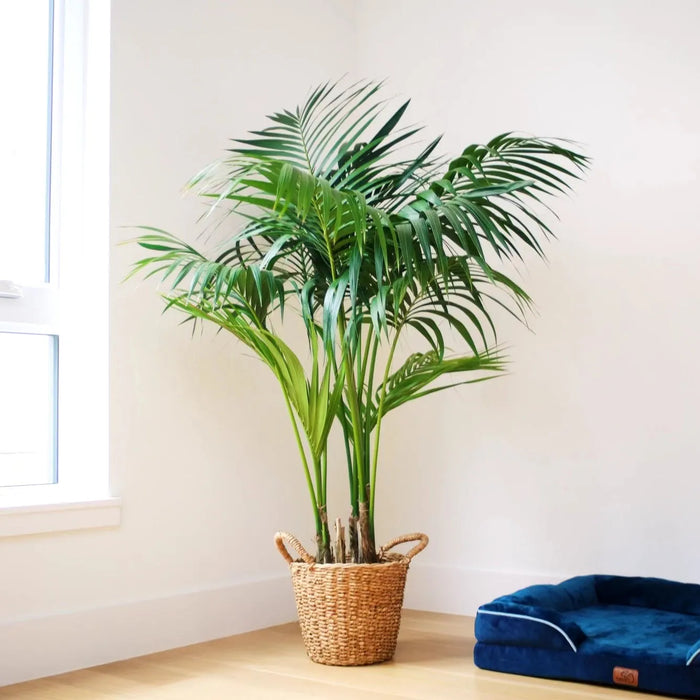
Instant life for any room
Living green that makes a space feel finished.
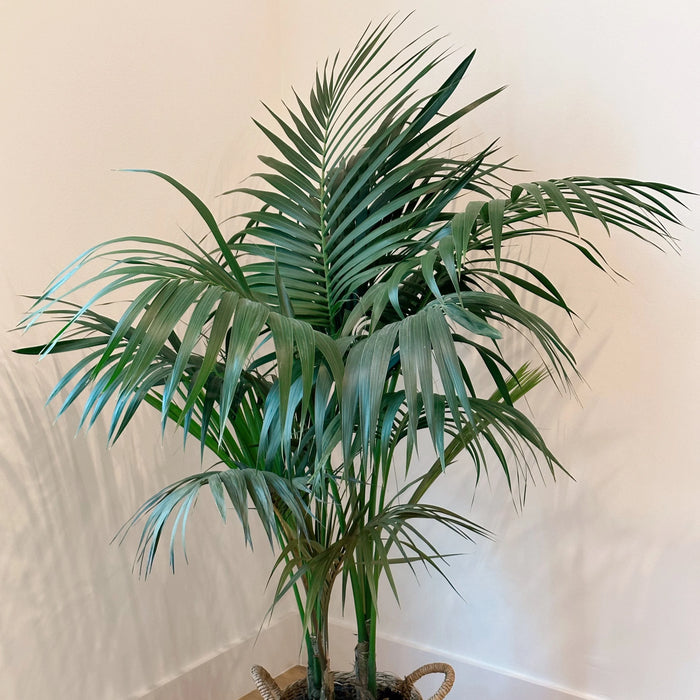
Healthy, well-rooted plants
Hand-selected and shipped in its nursery pot.
Delivered to your door
Skip the nursery trip. Very little car Tetris required.
Real plant experts
Ask us anything before or after it arrives.
Care made simple
Simple care, matched to this plant.
Bright, indirect light. While the Kentia Palm can tolerate lower light conditions better than many other palms, it thrives best in a spot with bright, filtered sunlight.
Water when the top 1-2 inches of soil are dry to the touch. Typically once a week during summer and less in winter months.
Easy! Suitable for beginners and experts.
Your first months together
- 1Day 1
Unbox, set it in its spot, and check the soil before you water.
- 2First few weeks
A few dropped leaves is normal while it adjusts to your home.
- 3Spring & summer
Feed during the growing season. Skip it in winter.
- 4Every 1–2 years
Repot into a slightly bigger pot once roots fill this one.
Light & water
Bright, indirect light. While the Kentia Palm can tolerate lower light conditions better than many other palms, it thrives best in a spot with bright, filtered sunlight.
Water when the top 1-2 inches of soil are dry to the touch. Typically once a week during summer and less in winter months.
About this plant
*The pot pictured is not included.
Care guide
Shipping & what's inside
Your plant ships in its nursery pot with the soil secured, packed so it stays steady on the way to you.
1-year guarantee
Every plant is covered by our 1-year guarantee. If something goes wrong, contact our team and we'll walk you through it.
 Answered by Simply Trees plant experts
What is the Kentia Palm known for?
Native to Lord Howe Island, located off the east coast of Australia, the Kentia Palm is well-suited to indoor environments due to its slow growth rate and tolerance of the typically lower light and humidity conditions found in homes and offices. This palm adds a touch of tropical sophistication to any space and is particularly favored for its low maintenance requirements and graceful appearance.
How much light does the Kentia Palm need?
How often should I water the Kentia Palm?
Does the Kentia Palm need special soil?
How big does the Kentia Palm get?
Do I need to fertilize my Kentia Palm?
It's important not to over-fertilize, as this can lead to salt buildup in the soil and potentially harm the plant. During the fall and winter months, when the plant's growth naturally slows down, you can reduce or stop fertilizing until the next growing season. Regular fertilization, when done correctly, helps ensure your Kentia Palm has the nutrients it needs to maintain its lush, green foliage and healthy growth.
Should I prune my Kentia Palm?
Prune Sparingly: Kentia Palms grow slowly, so excessive pruning can be detrimental. Only remove fronds that are dead, damaged, or discolored.
Use Clean Tools: Ensure your pruning tools are clean and sharp to make clean cuts and reduce the risk of disease.
Avoid Cutting Healthy Fronds: Cutting healthy fronds can stress the plant and should be avoided. Only trim fronds that are clearly dead or unsightly.
No Topping: Never cut the top off your Kentia Palm, as this can permanently damage the plant and inhibit its growth.
Pruning should be done minimally and with care, as the plant uses every part of its foliage to photosynthesize and grow. Regularly removing dead leaves will keep your Kentia Palm looking its best and help maintain a healthy plant.
Is the Kentia Palm safe around pets?
When / How do I repot the Kentia Palm?
Choose the Right Pot: Select a pot that is one size larger than the current one. Ensure it has good drainage holes.
Prepare the Soil: Use a well-draining potting mix, ideally one suited for palms or indoor plants. You can also add perlite or sand to improve drainage.
Gently Remove the Plant: Carefully remove the palm from its current pot. Be gentle to minimize root damage.
Inspect and Trim the Roots: Check the roots for signs of rot or disease. Trim off any damaged roots with clean scissors or pruners.
Planting: Place the palm in the new pot and fill around it with fresh potting mix. The base of the trunk should be at the same level it was in the previous pot.
Water Thoroughly: After repotting, water the plant well to settle the soil and eliminate air pockets.
Aftercare: Keep the palm in a well-lit area and follow your usual watering routine. Avoid fertilizing immediately after repotting to prevent root burn.
Remember, Kentia Palms prefer to be slightly root-bound, so there's no need to repot too frequently. The process should be as gentle as possible to minimize stress to the plant.
What common problems affect Kentia Palms?
Brown Leaf Tips: This is often caused by dry indoor air or under-watering. Increasing humidity and ensuring consistent watering can help.
Yellow Leaves: Over-watering is a common cause of yellowing leaves. Ensure the soil is well-draining and allow the top inch to dry out between waterings.
Pests: Spider mites, scale insects, and mealybugs can occasionally infest Kentia Palms. Regularly inspect the leaves and treat pests promptly with insecticidal soap or neem oil.
Root Rot: Caused by over-watering or poor drainage, root rot can be a serious issue. Prevent it by using well-draining soil and a pot with drainage holes.
Slow Growth: Inadequate light can lead to slow growth. While Kentia Palms can tolerate low light, they grow best in bright, indirect light.
Addressing these issues promptly and adjusting care routines as needed can help keep your Kentia Palm healthy and thriving. Regular monitoring and maintenance are key to preventing and managing these common problems.