


Cleveland Select Pear Tree
Zones 5-9
Buy more, save more
Save up to $1,000 on your whole cart.
See all savings tiers
Your code will auto-apply at checkout.
From our farm to your front door
- Shipped in its nursery pot, so the roots stay undisturbed
- Soil secured so it stays put in transit
- Packed so the plant stays steady on the way to you
At a glance
- Leaves
- Deciduous: drops its leaves in fall and regrows them in spring
- Sunlight
- Full Sun
- Water
- When the top 2–3" of soil is dry
- Growth & size
- Moderate to fast growth rate; mature height of 30-40 feet and width of 15-20 feet.
- Botanical name
- Pyrus calleryana 'Cleveland Select'
- Hardiness
- Zones 5-9
- Tolerates
- Cold hardyHeat tolerantHumidity tolerantDrought tolerantWind tolerant
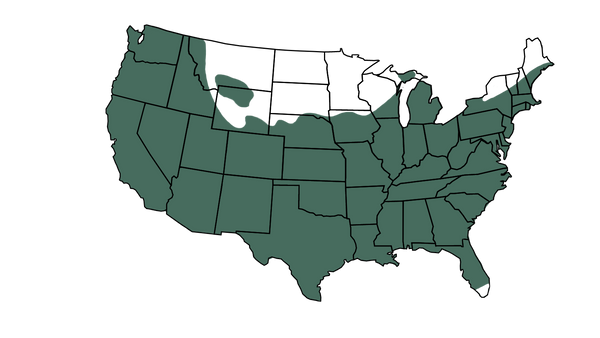
Where it grows in the groundShaded areas are the zones where it can be planted outdoors.


Size guide & what arrives
| *Trade size | **Pot size |
|---|---|
| 1 gallon | 6" |
| 3 gallon | 8 to 10" |
| 5 gallon | 10 to 12" |
| 7 gallon | 14" |
| 10 gallon | 15 to 17" |
| 15 gallon | 17" |
| "Jumbo" | 7 or 10 or 15 gallon |
*Nursery gallon sizes are trade sizes and do not equal standard liquid gallons.
**Pot sizes in inches refer to container width (diameter), not plant or pot height.
Please note: Sizing can differ between plant varieties and growers. Please chat with us if you need clarification.
For more information on sizing, please see our sizing guide.
What arrives
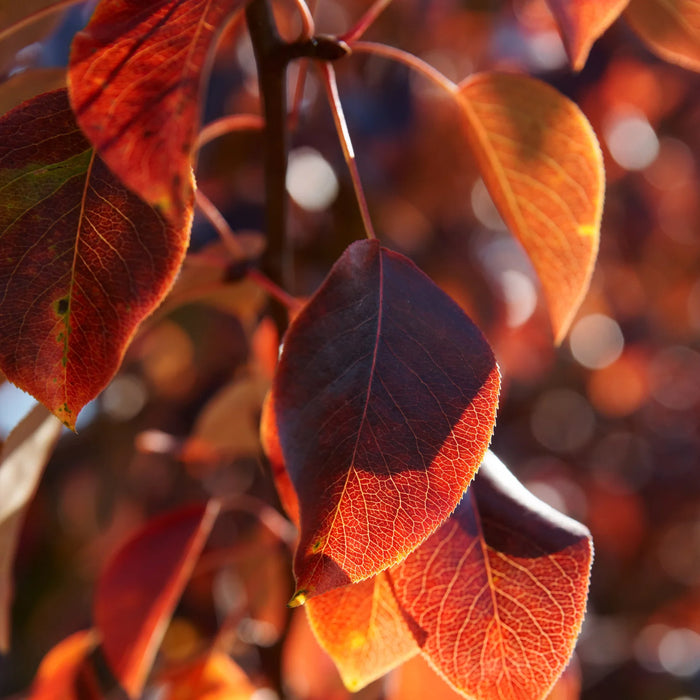
Cleveland Select Pear Tree is known for its stunning fall color and profuse blooms, but it may produce some fruit that is not always desirable for eating. Regular pruning can help maintain its shape and enhance its ornamental qualities.
What customers are saying
Why customers love it
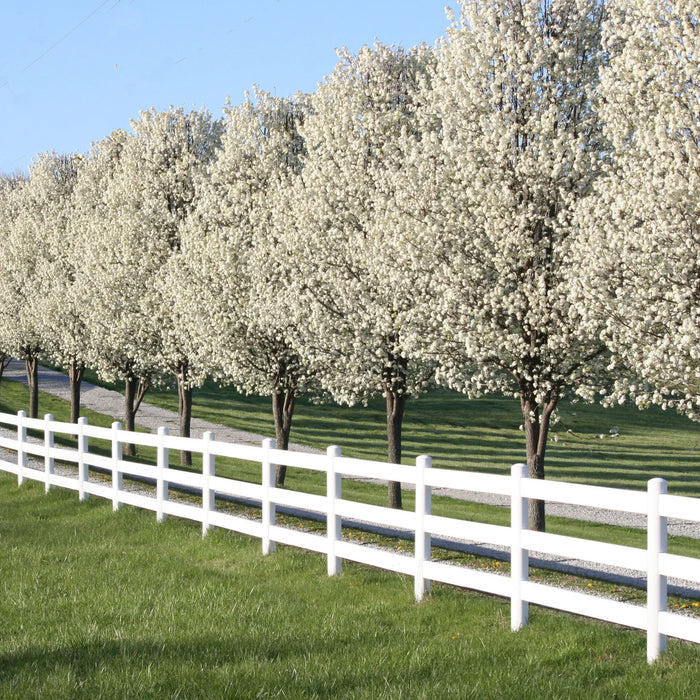
Healthy, well-rooted plants
Hand-selected and shipped in its nursery pot.
Delivered to your door
Skip the nursery trip. Very little car Tetris required.
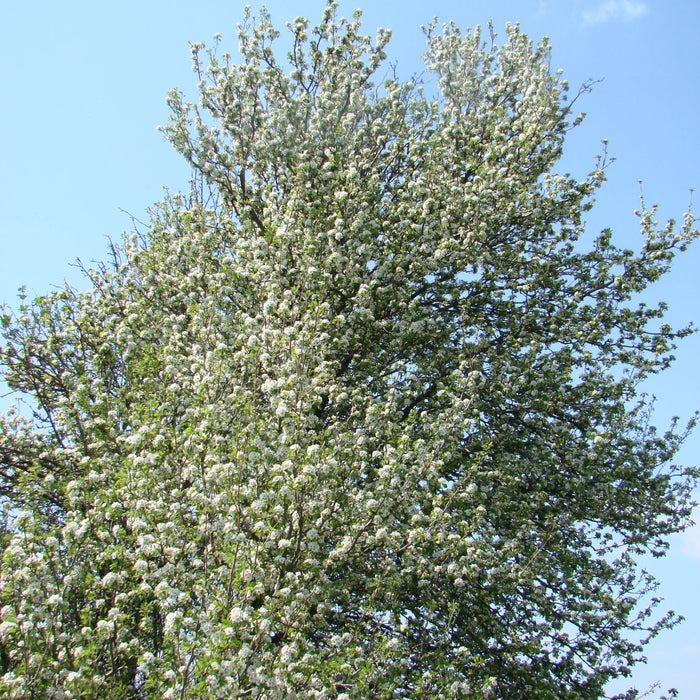
Real plant experts
Ask us anything before or after planting.
1-year guarantee
If something goes wrong, we'll help make it right.
Care made simple
Plant it right once and it does the rest.
Pick the spot before you dig.
Water slowly and deeply. Check more often in its first summer.
Enter your ZIP above to check your zone.
Your first year together
- 1Day 1
Plant it, then water slowly until the whole root ball is soaked.
- 2First few weeks
Keep the soil evenly moist while new roots settle in.
- 3First summer
Water deeply during hot, dry spells.
- 4Next spring
New growth starts. Feed as it wakes up.
Planting instructions
Watering & sunlight
Use a slow-running hose, soaker hose, or drip system to water the root ball and surrounding root zone thoroughly. Allow the water to penetrate deeply (not just wet the top few inches of soil), and avoid frequent, shallow watering.
Before watering again, check the soil 3–4 inches deep near the root ball. If it feels dry, repeat this deep-watering process. If it feels moist or soggy, wait and check again in 1–2 days. Check the soil of newly planted trees and shrubs several times per week, especially during hot, dry, or windy weather.
Irrigation run times will vary based on flow rate, soil, and system setup.
Need help? Contact our plant experts for watering guidance tailored to your plant and growing conditions.
Cleveland Select Pear Tree prefers full sun, at least 6-8 hours of direct sunlight per day.
Care guide
Shipping & what's inside
Your plant ships in its nursery pot with the soil secured, packed so it stays steady on the way to you.
1-year guarantee
Every plant is covered by our 1-year guarantee. If something goes wrong, contact our team and we'll walk you through it.
 Answered by Simply Trees plant experts
How big does the Cleveland Select Pear tree get?
When planted in an open area with plenty of space to spread, Cleveland Select Pear trees can develop a broad, rounded canopy with dense foliage. The tree's branches may form a symmetrical shape, especially when young, making it a popular choice for landscaping and street planting.
It's essential to consider the tree's mature size when selecting a planting location to ensure that it has enough room to grow and spread without interference from nearby structures or other plants. Proper spacing between trees is also important to prevent overcrowding and competition for resources.
Regular pruning may be necessary to maintain the desired shape and size of the Cleveland Select Pear tree, as well as to remove dead, diseased, or crossing branches. Pruning can help promote air circulation within the canopy, reduce the risk of pest and disease problems, and improve overall tree health and appearance.
By providing adequate space, proper care, and regular maintenance, you can help ensure that your Cleveland Select Pear tree grows to its full potential and remains healthy and attractive in your landscape for many years to come.
How fast does the Cleveland Select Pear tree grow?
Where is the best place to plant the Cleveland Select Pear tree?
Sunlight: Cleveland Select Pear trees thrive in full sun to partial shade, so choose a location that receives at least 6 to 8 hours of direct sunlight per day. Avoid planting in areas with dense shade, as inadequate sunlight can lead to poor growth and reduced flowering.
Soil Quality: Select a planting site with well-drained soil that is rich in organic matter and nutrients. Cleveland Select Pear trees prefer loamy or sandy soils with good drainage but can tolerate a wide range of soil types, including clay. Avoid planting in areas prone to waterlogging or poor drainage.
Air Circulation: Plant Cleveland Select Pear trees in an area with good air circulation to minimize the risk of fungal diseases such as fire blight and powdery mildew. Adequate air movement helps dry foliage quickly after rainfall or irrigation, reducing the likelihood of disease development.
Space Requirements: Cleveland Select Pear trees typically reach a mature height of 30 to 40 feet and a spread of 15 to 20 feet, so ensure that you provide ample space for the tree to grow and spread. Plant the tree away from buildings, overhead power lines, and other structures to prevent potential interference as the tree matures.
Aesthetic Considerations: Consider the visual impact of the Cleveland Select Pear tree in your landscape design. These trees are prized for their profusion of white blossoms in the spring and vibrant fall foliage, so choose a location where they can be prominently featured and appreciated.
Accessibility: Plant the Cleveland Select Pear tree in an area where it can be easily accessed for maintenance tasks such as pruning, watering, and harvesting. Avoid planting in areas that are difficult to reach or navigate, as this can make caring for the tree more challenging.
Microclimate: Consider the microclimate of your planting site, including factors such as exposure to wind, frost pockets, and heat islands. Choose a location that provides some protection from strong winds and late spring frosts, as these can damage blossoms and reduce fruit yield.
By carefully selecting a suitable planting site that meets the needs of the Cleveland Select Pear tree, you can help ensure its health, vigor, and overall performance in your landscape. If you're unsure about the best location for planting, consider consulting with a local arborist or extension service for personalized recommendations based on your specific growing conditions and landscape requirements.
Do Cleveland Select Pear trees bear fruit?
The fruits of Cleveland Select Pear trees are often referred to as "pearlettes" or "miniature pears" and are less than one inch in diameter. They are not commonly eaten by humans but are attractive to birds, which may consume the fruit and disperse the seeds to new locations.
It's important to note that while Cleveland Select Pear trees do produce fruit, the primary appeal of these trees is their ornamental value, particularly their profusion of white blossoms in the spring and vibrant fall foliage. They are prized for their attractive appearance and are commonly used in landscaping and as street trees for their aesthetic qualities rather than their fruit production.
If you're interested in growing pear trees for fruit production, there are many other pear varieties available that are specifically cultivated for their edible fruit. These varieties, such as Bartlett, Anjou, or Bosc pears, are better suited for home orchards or commercial cultivation and offer a wide range of flavors and textures for culinary use.
What is the best climate for Cleveland Select Pear trees?
The best climate for Cleveland Select Pear trees typically includes the following characteristics:
Moderate Temperatures: Cleveland Select Pear trees prefer moderate temperatures throughout the growing season, with warm summers and cool to mild winters. They can tolerate some degree of temperature extremes but may be susceptible to damage from severe cold or heat stress.
Mild Winters: While Cleveland Select Pear trees are generally cold hardy and can tolerate freezing temperatures, they perform best in regions with mild winters where temperatures rarely drop below 0°F (-18°C). Prolonged exposure to extreme cold can damage the tree's branches and buds, affecting flowering and fruit production.
Adequate Chill Hours: Cleveland Select Pear trees require a certain number of chill hours (hours of winter temperatures between 32°F and 45°F or 0°C and 7°C) to break dormancy and initiate flowering in the spring. In regions with insufficient chill hours, the tree may fail to bloom or produce fruit reliably.
Moisture Availability: Cleveland Select Pear trees benefit from consistent moisture throughout the growing season, particularly during periods of active growth and flowering. Adequate irrigation during dry spells can help promote healthy growth and flowering and reduce stress on the tree.
Sunlight Exposure: Cleveland Select Pear trees thrive in full sun to partial shade, so planting them in a location with plenty of sunlight is ideal. However, they can tolerate some shade, especially in hotter climates where partial shade may help protect them from intense afternoon sun.
Good Air Circulation: Proper air circulation is essential for reducing the risk of fungal diseases such as fire blight and powdery mildew, which can affect Cleveland Select Pear trees. Planting them in an area with good air movement and spacing them adequately can help minimize disease problems.
Overall, Cleveland Select Pear trees can adapt to a range of climates and growing conditions but perform best in regions with temperate to mild climates characterized by moderate temperatures, mild winters, adequate chill hours, consistent moisture, and good sunlight exposure.
How do you take care of a Cleveland Select Pear tree?
Planting Location: Choose a sunny location with well-drained soil for planting your Cleveland Select Pear tree. Ensure that the site receives at least 6-8 hours of sunlight per day and has good air circulation.
Soil Preparation: Prepare the planting site by loosening the soil and incorporating organic matter, such as compost or aged manure, to improve soil structure, fertility, and drainage. Avoid planting in areas prone to waterlogging or poor drainage.
Watering: Provide regular watering, especially during the tree's establishment period. Water deeply to encourage deep root growth and ensure that the soil remains evenly moist but not waterlogged. Reduce watering during periods of heavy rainfall or cooler weather.
Fertilization: Apply a balanced fertilizer formulated for fruit trees or ornamental trees in early spring before new growth begins. Follow the manufacturer's instructions for application rates and timing. Avoid excessive fertilization, as it can lead to excessive vegetative growth at the expense of fruit production.
Pruning: Prune your Cleveland Select Pear tree annually to maintain its shape, promote air circulation, and remove dead, diseased, or crossing branches. Pruning is typically done during the dormant season in late winter or early spring before bud break.
Pest and Disease Management: Monitor your pear tree regularly for signs of pests, such as aphids, pear psylla, or codling moth, and diseases, such as fire blight or pear rust. Treat any infestations or infections promptly with appropriate controls, such as insecticidal soap or fungicides.
Thinning Fruit: Thin out excess fruit when it reaches marble size to promote larger, healthier fruit and reduce the risk of branch breakage due to heavy fruit loads. Leave about 4-6 inches between each remaining fruit for optimal spacing.
Support and Protection: Provide support for young trees with stakes or trellises to prevent them from leaning or becoming misshapen. Protect the tree from strong winds, extreme temperatures, and frost damage, especially during the flowering and fruiting seasons.
Mulching: Apply a layer of organic mulch, such as wood chips or shredded bark, around the base of the tree to conserve moisture, suppress weeds, and regulate soil temperature. Leave a gap between the mulch and the tree trunk to prevent rot and pest issues.
By following these care guidelines and providing proper attention to your Cleveland Select Pear tree, you can help ensure its health, vigor, and productivity, allowing you to enjoy beautiful blossoms and delicious fruit for years to come.
Does the Cleveland Select Pear tree smell?
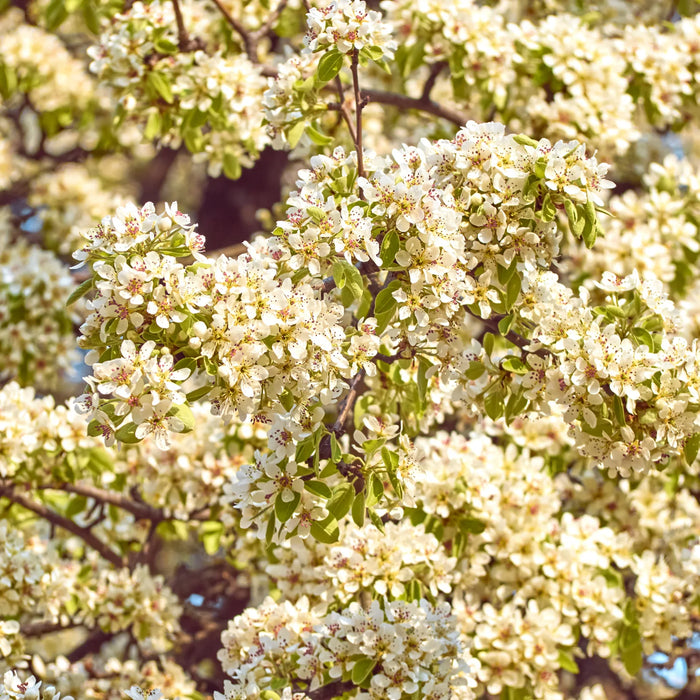
The primary attraction of Cleveland Select Pear trees is their abundant and showy white flowers that cover the branches in early spring, creating a stunning display. These flowers are primarily ornamental and are not cultivated for their fragrance.
Why are the leaves on my Cleveland Select Pear tree turning yellow?
Water Stress: Both overwatering and underwatering can cause leaves to turn yellow. If the soil is consistently waterlogged, it can lead to root suffocation and nutrient uptake problems, resulting in yellowing leaves. Conversely, drought stress can also cause leaves to yellow and wilt.
Nutrient Deficiency: Yellowing leaves may indicate a deficiency in essential nutrients, such as nitrogen, iron, or magnesium. A soil test can help identify any nutrient deficiencies in the soil. Adding a balanced fertilizer or specific nutrient supplements can help address deficiencies and promote healthy leaf growth.
Poor Drainage: Improper soil drainage can lead to waterlogged conditions, which deprive the roots of oxygen and nutrients. Poorly drained soil can contribute to root rot and other diseases, causing leaves to turn yellow and wilt. Amending the soil with organic matter and improving drainage can help alleviate this issue.
Pest Infestation: Pests such as aphids, pear psylla, or spider mites can suck sap from the leaves, causing them to yellow and curl. Inspect the leaves for signs of pest activity, such as tiny insects, sticky residue (honeydew), or distorted growth. Treat pest infestations promptly with insecticidal soap or horticultural oil.
Disease: Diseases such as fire blight, pear rust, or fungal leaf spot can cause leaves to yellow, wilt, and develop lesions. Look for symptoms such as brown or black spots, wilting, or unusual growth patterns on the leaves. Prune and remove affected branches and treat with appropriate fungicides to manage diseases.
Environmental Factors: Environmental stressors such as extreme temperatures, strong winds, or air pollution can also cause leaves to yellow. Ensure that your pear tree is planted in a suitable location with adequate protection from harsh environmental conditions.
Root Issues: Damage to the tree's roots from digging, construction activities, or soil compaction can impair nutrient uptake and lead to yellowing leaves. Take care to avoid damaging the tree's roots and provide proper soil management practices to support root health.
It's essential to identify the specific cause of leaf yellowing on your Cleveland Select Pear tree to implement appropriate remedies.
Why are there no leaves on my Cleveland Select Pear tree?
Winter Dormancy: If it's currently winter or early spring, the lack of leaves on your Cleveland Select Pear tree may be a natural response to seasonal dormancy. Deciduous trees like pears typically lose their leaves in the fall and remain leafless during the winter months. As temperatures warm up in spring, the tree will begin to produce new leaves.
Late Frost Damage: Late spring frosts or freezes can damage emerging buds and young leaves on pear trees, leading to leaf loss. If your area experienced unusually cold temperatures after the tree began to leaf out in spring, frost damage could be a possible cause of leaf loss.
Transplant Shock: If your Cleveland Select Pear tree was recently transplanted or moved to a new location, it may experience transplant shock, which can cause leaf drop and temporary stress. Trees often lose some leaves when their root systems are disturbed, but they typically recover with proper care and time.
Water Stress: Insufficient watering or drought stress can cause leaves to wilt, curl, or drop prematurely. Ensure that your Cleveland Select Pear tree receives adequate water, especially during periods of hot weather or dry conditions. Water deeply and regularly, allowing the soil to remain evenly moist but not waterlogged.
Nutrient Deficiency: A lack of essential nutrients, particularly nitrogen, can result in poor leaf growth and leaf loss. Conduct a soil test to assess nutrient levels in the soil around your pear tree. If deficiencies are identified, amend the soil with appropriate fertilizers or organic amendments to provide the tree with the nutrients it needs.
Pest or Disease Issues: Pest infestations or diseases such as fire blight, pear psylla, or pear rust can damage leaves and cause leaf drop on pear trees. Inspect your tree for signs of pest activity or disease symptoms, such as discolored or distorted leaves, oozing sap, or unusual growths. Treat any pest or disease issues promptly with appropriate controls.
Environmental Stressors: Other environmental factors such as excessive heat, strong winds, or air pollution can also stress pear trees and lead to leaf loss. Minimize environmental stressors and provide optimal growing conditions to support the health and vitality of your Cleveland Select Pear tree.
What is the best fertilizer for Cleveland Select Pear trees?
NPK Ratio: Look for a fertilizer with a balanced NPK ratio, such as 10-10-10 or 8-8-8, which provides a mix of nitrogen (N), phosphorus (P), and potassium (K). These essential nutrients support overall tree health, foliage growth, flowering, and fruit development.
Slow-Release Formulation: Consider using a slow-release or controlled-release fertilizer for Cleveland Select Pear trees. Slow-release fertilizers gradually release nutrients over an extended period, providing a consistent and steady supply of nutrients to the tree's roots. This can help promote healthy growth and reduce the risk of fertilizer runoff or leaching.
Micronutrients: In addition to the primary nutrients (NPK), select a fertilizer that contains essential micronutrients such as iron, magnesium, manganese, zinc, and copper. These micronutrients are vital for various metabolic processes in the tree and contribute to overall vigor and resilience.
Organic Options: Organic fertilizers derived from natural sources, such as compost, manure, bone meal, or fish emulsion, can also be beneficial for Cleveland Select Pear trees. Organic fertilizers enrich the soil with organic matter and promote soil health, microbial activity, and nutrient availability. They provide a slow but steady supply of nutrients to the tree and improve soil structure over time.
Timing and Application: Apply fertilizer to Cleveland Select Pear trees in early spring before new growth begins or in late fall after leaf drop. Follow the manufacturer's instructions regarding application rates and timing. Avoid over-fertilizing, as excessive nutrients can damage the tree's roots and foliage.
Soil Test: Consider conducting a soil test to assess the nutrient levels and pH of the soil around the Cleveland Select Pear tree. Soil testing can help determine any nutrient deficiencies or imbalances and guide fertilizer selection and application.
Watering: After applying fertilizer, water the Cleveland Select Pear tree thoroughly to help dissolve the nutrients and promote uptake by the roots. Watering also helps prevent fertilizer burn and ensures that the nutrients reach the root zone effectively.
By selecting a balanced fertilizer with a slow-release formulation, providing essential nutrients and micronutrients, and following proper application practices, you can promote the health, growth, and productivity of your Cleveland Select Pear tree for years to come. If you're unsure about the best fertilizer for your specific tree, consult with a local nursery or extension service for personalized recommendations based on your soil and growing conditions.