


Creeping Rosemary
Zones 8-10
Buy more, save more
Save up to $1,000 on your whole cart.
Discounts don't stack. At checkout you automatically get whichever saves you more.
See all savings tiers
Your code will auto-apply at checkout.
From our farm to your front door
- Shipped in its nursery pot, so the roots stay undisturbed
- Soil secured so it stays put in transit
- Packed so the plant stays steady on the way to you
At a glance
- Leaves
- Evergreen: keeps its leaves all year
- Sunlight
- Full Sun
- Water
- When the top 2–3" of soil is dry
- Growth & size
- Moderate growth rate; it reaches a mature height of 1 to 2 feet and a spread of 4 to 8 feet.
- Botanical name
- Rosmarinus officinalis 'Prostratus'
- Hardiness
- Zones 8-10
- Tolerates
- Heat tolerantDrought tolerantCoastal tolerantDesert tolerantWind tolerant
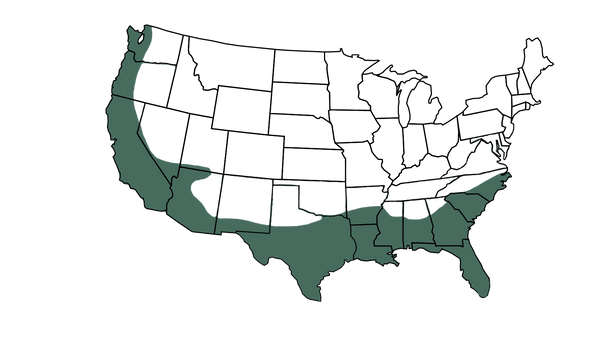
Where it grows in the groundShaded areas are the zones where it can be planted outdoors.


Size guide & what arrives
| *Trade size | **Pot size |
|---|---|
| 1 gallon | 6" |
| 3 gallon | 8 to 10" |
| 5 gallon | 10 to 12" |
| 7 gallon | 14" |
| 10 gallon | 15 to 17" |
| 15 gallon | 17" |
| "Jumbo" | 7 or 10 or 15 gallon |
*Nursery gallon sizes are trade sizes and do not equal standard liquid gallons.
**Pot sizes in inches refer to container width (diameter), not plant or pot height.
Please note: Sizing can differ between plant varieties and growers. Please chat with us if you need clarification.
For more information on sizing, please see our sizing guide.
What arrives
This creeping rosemary variety is perfect for adding texture and fragrance to landscapes, and its spreading habit works well as ground cover or along pathways.
What customers are saying
Why customers love it

Healthy, well-rooted plants
Hand-selected and shipped in its nursery pot.

Delivered to your door
Skip the nursery trip. Very little car Tetris required.

Real plant experts
Ask us anything before or after planting.

1-year guarantee
If something goes wrong, we'll help make it right.
Care made simple
Plant it right once and it does the rest.
Pick the spot before you dig.
Water slowly and deeply. Check more often in its first summer.
Enter your ZIP above to check your zone.
Your first year together
- 1Day 1
Plant it, then water slowly until the whole root ball is soaked.
- 2First few weeks
Keep the soil evenly moist while new roots settle in.
- 3First summer
Water deeply during hot, dry spells.
- 4Next spring
New growth starts. Feed as it wakes up.
Planting instructions
Watering & sunlight
Care guide
Shipping & what's inside
Your plant ships in its nursery pot with the soil secured, packed so it stays steady on the way to you.
1-year guarantee
Every plant is covered by our 1-year guarantee. If something goes wrong, contact our team and we'll walk you through it.
 Answered by Simply Trees plant experts
How wide does Creeping Rosemary spread?
How fast does Creeping Rosemary grow?
Where is the best place to plant Creeping Rosemary?
Plant Creeping Rosemary in spots where its trailing habit can be showcased, such as over retaining walls, in hanging baskets, or as ground cover. It works well in xeriscaping or Mediterranean-style gardens due to its drought tolerance. In colder climates, consider planting it in a container so it can be moved indoors during winter. Choose a location with good air circulation to prevent fungal issues, and avoid low-lying areas where water may accumulate.
How do I care for Creeping Rosemary?
Watering: Water young plants once or twice a week during their first growing season to help establish roots. For established plants, water every 10 to 14 days, allowing the soil to dry out between waterings. Container-grown plants may require more frequent watering since pots dry out faster.
Pruning: Prune lightly after flowering or during the growing season to maintain its shape, encourage dense growth, and prevent it from becoming woody. Avoid cutting into old, woody stems, as these may not regrow.
Fertilizing: Fertilize sparingly, applying a balanced, all-purpose fertilizer once or twice during the growing season. Rosemary doesn’t require heavy feeding and can thrive in nutrient-poor soils.
Winter Protection: In colder regions, protect Creeping Rosemary from frost by mulching around the base or growing it in containers that can be moved indoors. Indoors, place it in a sunny window with good air circulation.
Regular care will ensure Creeping Rosemary remains healthy, producing aromatic foliage and enhancing your garden as a low-maintenance, versatile plant.
How often should I water Creeping Rosemary?
• Young plants: Water deeply once or twice a week during the first growing season to help establish strong roots. Adjust frequency based on soil drainage and weather conditions.
• Established plants: Water every 10-14 days, or when the top inch of soil feels dry. Creeping Rosemary is drought-tolerant and prefers slightly dry conditions, so avoid overwatering.
• Container-grown plants: Check the soil more frequently, as containers dry out faster. Water when the top inch of soil is dry, ensuring good drainage to prevent root rot.
During hot or dry weather, increase watering frequency as needed, but always let the soil dry out slightly before watering again. Overwatering is one of the most common problems with rosemary, so it’s better to underwater slightly than to keep the soil consistently moist.
Will Creeping Rosemary survive winter?
To help Creeping Rosemary survive winter in cooler regions, consider the following:
1. Mulch: Apply a layer of mulch around the base of the plant to insulate the roots and protect them from freezing temperatures.
2. Shelter: Plant it in a sheltered location, such as against a south-facing wall, to provide some protection from harsh winds and frost.
3. Container Growth: Grow Creeping Rosemary in a container so it can be moved indoors during the winter months. Place it in a bright, sunny location with good air circulation.
4. Covering: Use frost cloths or blankets to shield the plant from severe cold snaps.
With proper care, Creeping Rosemary can thrive through winter or be overwintered successfully in colder regions.
Can I use Creeping Rosemary for cooking?
To use Creeping Rosemary for cooking, simply snip off a few sprigs as needed, rinse them to remove any dirt, and strip the leaves from the stems. Its trailing habit makes it a convenient and attractive edible addition to gardens, patios, or raised beds.
How do I plant Creeping Rosemary?
1. Choose the Right Location: Select a spot with full sun, as Creeping Rosemary thrives with at least 6-8 hours of direct sunlight daily. Ensure the area has well-draining soil, as rosemary doesn’t tolerate soggy conditions. Slightly sandy or rocky soils work well.
2. Prepare the Soil: If the soil is heavy or clay-like, amend it with sand, compost, or grit to improve drainage. Aim for a slightly acidic to neutral pH (6.0-7.0).
3. Dig the Hole: Dig a hole twice as wide and as deep as the plant’s root ball. This allows room for the roots to spread.
4. Plant the Rosemary: Gently remove the plant from its container and loosen any tightly bound roots. Place it in the hole so the top of the root ball is level with or slightly above the soil surface. Fill the hole with the amended soil, gently firming it around the roots.
5. Water Thoroughly: Water the plant deeply after planting to help settle the soil around the roots. Allow the soil to dry slightly between waterings, as rosemary prefers dry conditions over consistently wet soil.
6. Spacing: Space the plants 18 to 36 inches apart, depending on how much coverage you want and the size of the planting area.
7. Mulch and Care: Apply a light layer of mulch around the base to retain moisture and suppress weeds, but keep it a few inches away from the stem to prevent rot.
Creeping Rosemary is low-maintenance once established, providing beautiful cascading foliage and a fragrant addition to your garden.
How far apart should I plant Creeping Rosemary?
Should I prune Creeping Rosemary?
For more significant pruning, trim the plant in late winter or early spring before new growth begins. Cut back about one-third of the plant’s growth, avoiding cutting into old, woody stems, as these may not regrow. Regular pruning also promotes denser foliage and enhances its cascading appearance. Additionally, trimming off spent flowers after blooming helps direct the plant’s energy toward foliage growth.