When you bring new plants and trees home, it's natural to want to give them a boost right away. But when it comes to fertilizer, timing is everything. Feeding at the right time and in the right way supports strong roots and healthy growth, while feeding too early or in the wrong season can do more harm than good. Here's your guide to when and how to fertilize your new trees, shrubs, citrus, and houseplants.
Why Fertilizing Matters
Fertilizer supplies nutrients your plants may not get enough of from the existing soil. Used correctly, it helps build strong root systems, encourages healthy foliage and blooms, and improves overall plant vigor. The key word is correctly — fertilizer works best on a plant that's settled in and actively growing.
When to Fertilize a Newly Planted Tree or Shrub
- Wait 2–3 months after planting. New trees and shrubs need time to recover from transplanting and push new roots out into the surrounding soil. Fertilizing too soon can burn tender new roots and push top growth before the roots can support it. After 2–3 months, the plant is better able to absorb and use the nutrients you give it.
- Transit stress is real. Plants often experience stress from shipping, whether or not they show visible signs. Adding fertilizer on top of that stress can make it worse.
- Only fertilize during the growing season. Once the waiting period has passed, feed only in spring and summer, when your plant is actively growing and can put those nutrients to work. If your 2–3 month window ends in fall or winter, hold off until spring.
Why You Shouldn't Fertilize in Fall and Winter
It's tempting to feed a plant that looks a little tired going into the cooler months, but fertilizing in fall and winter comes with real risks:
- Tender new growth that can't survive the cold. Fertilizer signals a plant to grow. New shoots that emerge late in the season don't have time to harden off and are easily damaged or killed by frost and freezing temperatures.
- Interrupted dormancy. Trees and shrubs naturally slow down in fall to prepare for winter. Fertilizing at this time works against that process and can leave the plant more vulnerable to cold injury.
- Wasted nutrients and root burn. A plant that isn't actively growing can't take up much fertilizer. The excess can build up as salts in the soil and burn the roots, or simply wash away.
As a rule of thumb, make your last fertilizer application by late summer and pick back up in spring.
How to Fertilize Trees and Shrubs
1. Choose the Right Fertilizer
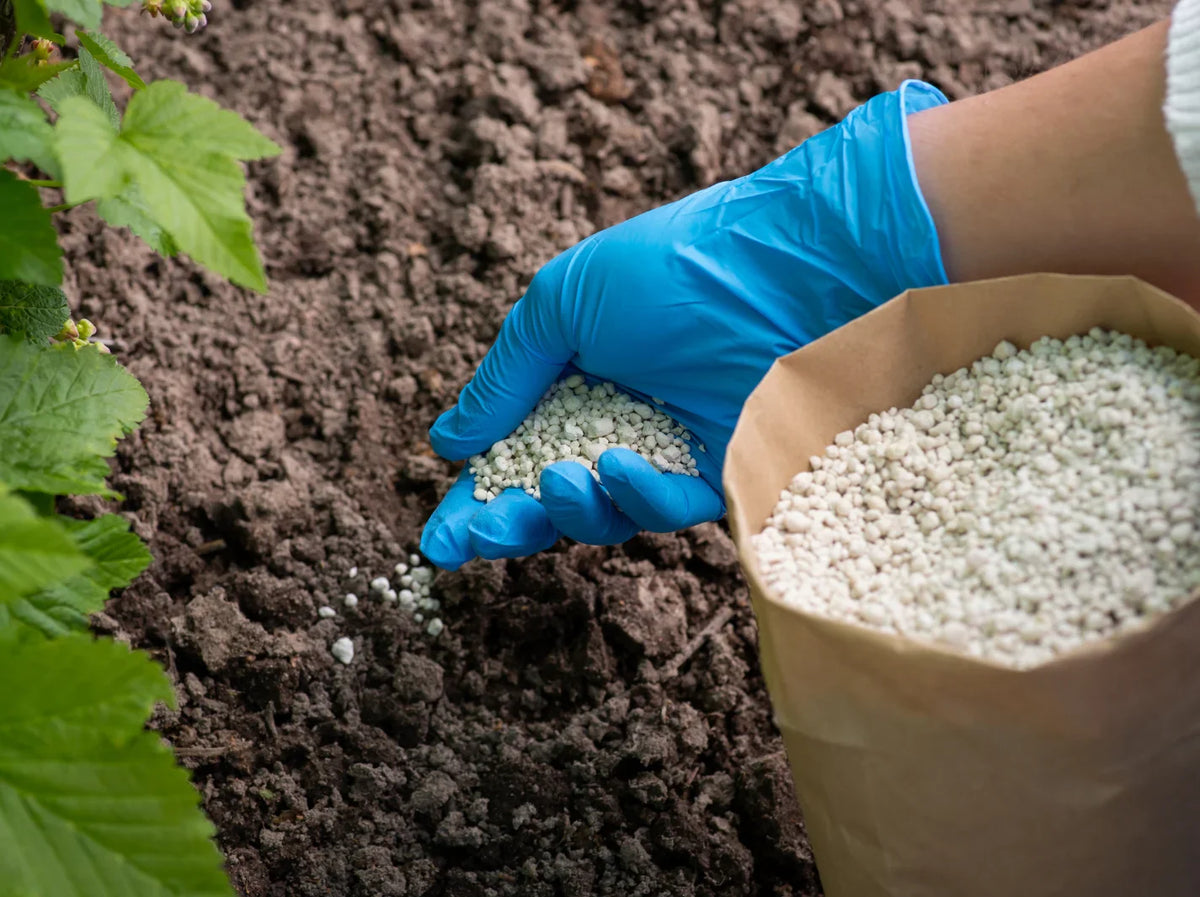
- Type of fertilizer: A balanced, slow-release fertilizer feeds gradually over time and is less likely to overwhelm the plant.
- Specific needs: Consider your plant type and soil. For example, flowering shrubs may benefit from a fertilizer higher in phosphorus to promote blooms.
2. Apply It in the Right Spot
- Spread it out: Apply fertilizer around the plant, extending out to the drip line (the outer edge of the canopy). This is where roots are actively growing.
- Keep it off the trunk: Don't pile fertilizer against the trunk or main stem, as this can cause burn.
- Follow the label: Always use the rate on the product label. More is not better.
3. Water It In
- After application: Water thoroughly to move nutrients into the soil where roots can reach them.
- Maintain moisture: Keep soil moist but not waterlogged. Dry soil makes it harder for roots to absorb nutrients.
Fertilizing Citrus Trees
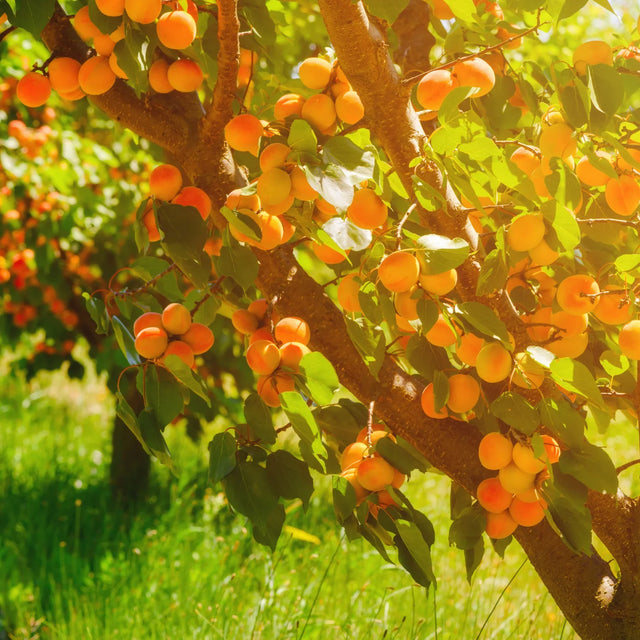
Citrus trees are heavy feeders and need more fertilizer than most other plants to stay healthy and produce fruit. Here's what to know:
- Still wait 2–3 months after planting. Even hungry citrus trees need time to settle in before their first feeding.
- Use a citrus-specific fertilizer. Look for one formulated for citrus, with extra nitrogen plus micronutrients like iron, magnesium, manganese, and zinc. General-purpose fertilizers often don't provide enough of what citrus needs.
- Feed more often during the growing season. Citrus typically need regular feedings throughout spring and summer rather than a single application. Follow the schedule on your fertilizer label.
- Potted citrus need extra attention. Nutrients wash out of containers each time you water, so potted citrus usually need more frequent feeding than citrus planted in the ground.
- Watch the leaves. Yellowing leaves, especially yellow leaves with green veins, are a common sign your citrus is hungry for nutrients.
Fertilizing Houseplants
Houseplants follow the same seasonal rhythm as outdoor plants, even indoors. They grow most actively in spring and summer when days are longer and brighter, and slow down in fall and winter.
- Let new plants settle in. Give new or freshly repotted houseplants time to adjust before feeding. Fresh potting mix usually contains enough nutrients to carry them for the first couple of months.
- Feed in spring and summer only. Use a balanced liquid houseplant fertilizer, diluted to about half the label strength, every 2–4 weeks during the growing season. Slow-release houseplant granules are another easy option; follow the label.
- Stop feeding in fall and winter. With less light, houseplants grow slowly and can't use much fertilizer. Extra feeding leads to salt buildup that can burn roots.
- Flush the soil occasionally. A white crust on the soil surface or pot rim is a sign of fertilizer salt buildup. Water slowly and thoroughly until it drains freely from the bottom of the pot to rinse excess salts away.
- Never fertilize a dry plant. Water first, then feed, to avoid burning the roots.
Want to Give Your Plant a Boost? Try MitoGrow
If you want to support your new tree or shrub during that 2–3 month waiting period, or give your plants some help outside the growing season, MitoGrow is a great option.
MitoGrow isn't a fertilizer. It's a patented, naturally derived biostimulant. Rather than adding nutrients the way fertilizer does, it supports the plant itself, helping it establish faster, recover from stress, and grow stronger. Because it isn't fertilizer, it doesn't carry the same timing risks:
- Use it right at planting. Give new trees and shrubs a strong start from day one, no waiting period needed.
- Help transplants recover. It helps reduce transplant and shipping stress so plants settle in faster.
- Support stressed, established plants. Use it to help plants bounce back after heat, drought, storms, or other stress.
- Use it year-round. MitoGrow can be applied any time of year and reapplied as needed.
- Works with your favorite fertilizer. When the growing season arrives, keep using MitoGrow alongside your regular feeding.
- No risk of overdoing it. Plants can't overdose on MitoGrow.
- Works on all your plants. Trees, shrubs, flowers, and houseplants, in the ground or in containers, indoors or out.
Most people start seeing signs of improvement, like healthier color and stronger growth, within 1 to 4 weeks. Each bag makes 25 gallons. Shop Tree & Shrub MitoGrow.
Tips for Successful Fertilization
- Test your soil: A soil test tells you which nutrients are actually lacking so you can choose the most effective fertilizer.
- Watch for warning signs: Over-fertilized plants may show yellowing or browning leaf edges, wilting, or stunted growth. Under-fertilized plants tend to have weak growth and pale leaves.
- When in doubt, wait: It's much easier to fix an underfed plant than one that's been burned by too much fertilizer.
Nourishing Your Garden's New Additions
Properly fertilizing your new plants and trees makes a real difference in their health and beauty. Give new plantings 2–3 months to settle in, feed only during spring and summer, give citrus the extra nutrition they need, and reach for MitoGrow whenever your plants could use a boost.
For more gardening tips and resources, visit Simply Trees. We're here to help you cultivate a vibrant, healthy garden with expert advice tailored to your gardening needs. Let's grow together!