Introduction
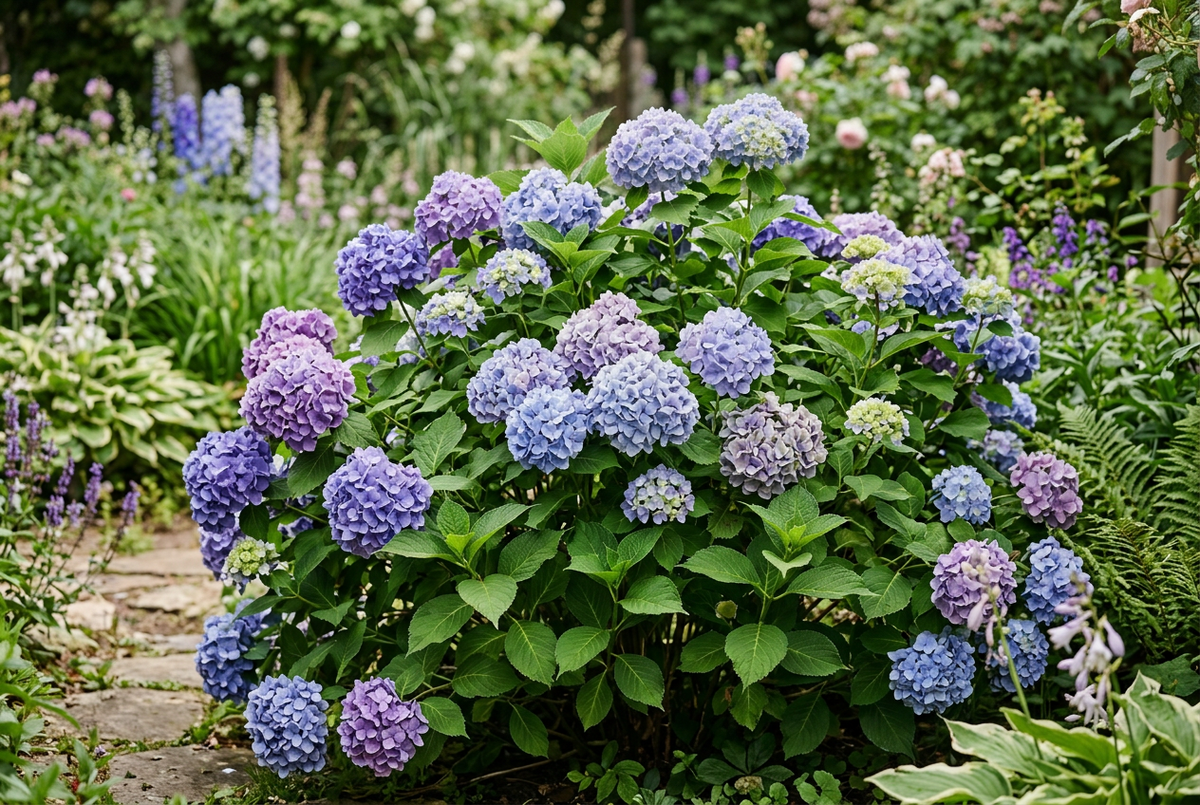
Few flowering shrubs bring as much color to a garden as Endless Summer hydrangeas. Known for their large flower clusters, vibrant colors, and ability to bloom repeatedly throughout the growing season, these hydrangeas are a favorite among gardeners looking for lasting summer beauty.
What makes Endless Summer hydrangeas especially appealing is their ability to produce flowers on both old and new wood. Unlike traditional bigleaf hydrangeas that rely primarily on the previous season's growth, reblooming Endless Summer varieties can develop flowers on both last year's stems and new growth from the current season.
If you're looking to bring these beautiful shrubs into your landscape, explore the Endless Summer BloomStruck® Hydrangea, known for its rich blue, purple, or pink blooms, or the Summer Crush Endless Summer Hydrangea, a compact variety with striking raspberry-red to pink flowers.
Although these shrubs are relatively easy to grow, understanding proper Endless Summer hydrangea care is important for maintaining healthy foliage, encouraging repeat flowering, and protecting developing flower buds.
In this complete guide, we'll cover watering, sunlight, soil, fertilizer, pruning, winter protection, flower color, and common problems. We'll also explain how Endless Summer differs from other popular hydrangeas, including Limelight.
Endless Summer Hydrangea Care at a Glance
| Care Requirement | Ideal Conditions |
|---|---|
| Plant Type | Reblooming bigleaf hydrangea |
| Botanical Classification | Hydrangea macrophylla (variety-dependent) |
| Sunlight | Morning sun with afternoon shade |
| Soil | Fertile, moist, well-draining soil |
| Watering | Consistent moisture without waterlogging |
| Fertilizer | Appropriate slow-release fertilizer in spring |
| Blooming Season | Late spring or summer through fall, depending on climate |
| Blooming Habit | Flowers on old and new wood |
| Flower Colors | Pink, blue, purple, or variety-specific colors |
| Pruning | Minimal; remove dead stems after spring growth appears |
| Hardiness Zones | Many varieties are suitable for USDA Zones 4–9 |
1. How to Care for Endless Summer Hydrangeas
Endless Summer is a collection of reblooming hydrangeas developed to provide an extended flowering season compared with many traditional bigleaf hydrangeas.
The most important characteristic of these shrubs is their ability to produce flowers on both old and new wood.
Old wood refers to stems that developed during the previous growing season. New wood refers to stems produced during the current growing season.
Because Endless Summer hydrangeas can flower on both, they have the potential to produce an initial flush of flowers followed by additional blooms later in the season.
However, successful repeat flowering still depends on adequate sunlight, consistent soil moisture, healthy roots, and protection from environmental stress.
Where Should You Plant Endless Summer Hydrangeas?
Choose a location that provides gentle morning sunlight and protection from intense afternoon heat, particularly in warmer regions of the United States.
Endless Summer hydrangeas work beautifully in:
- Flowering shrub borders
- Foundation plantings
- Garden beds receiving morning sunlight
- Mixed perennial and shrub landscapes
- Large outdoor containers with proper drainage
Before planting, consider the mature height and width of your particular variety. Providing enough space supports healthy airflow, reduces crowding, and minimizes the need for frequent pruning.
For additional planting guidance, including soil preparation and landscape placement, read our guide on how to plant and care for hydrangea bushes.
2. Endless Summer Hydrangea Sunlight Requirements
Sunlight plays an important role in healthy growth and flower production.
Endless Summer hydrangeas generally perform best with morning sunlight and afternoon shade, although ideal exposure varies depending on the climate.
How Much Sun Do Endless Summer Hydrangeas Need?
In cooler northern climates, these hydrangeas can often tolerate several hours of direct sunlight.
In warmer southern regions, intense afternoon sunlight may cause heat stress, wilting, and damage to leaves or flowers.
A location with several hours of gentle morning sunlight followed by protection during the hottest part of the day is usually a good starting point.
Can Endless Summer Hydrangeas Grow in Full Sun?
They can tolerate full sun in some cooler climates, provided sufficient soil moisture is available.
However, full sun may be too intense in regions with hot summers, particularly near concrete, pavement, or walls that reflect additional heat.
Signs of excessive sun exposure include:
- Frequent afternoon wilting
- Brown or scorched leaf edges
- Prematurely fading flowers
- Dry or damaged flower petals
Can Endless Summer Hydrangeas Grow in Shade?
Yes, they tolerate partial shade. However, too little sunlight can reduce flower production.
Plants growing in deep shade may develop lush green foliage but relatively few blooms.
The goal is to provide enough sunlight to support flowering without exposing the plant to excessive heat.
3. How Often Should You Water Endless Summer Hydrangeas?
Consistent watering is one of the most important aspects of Endless Summer hydrangea care.
Hydrangeas have relatively high moisture requirements, especially during warm weather and while developing flowers.
However, they prefer consistently moist soil rather than waterlogged conditions.
Watering Newly Planted Endless Summer Hydrangeas
Newly planted hydrangeas need regular watering while establishing their root systems.
After planting, thoroughly moisten the root ball and surrounding soil.
During establishment:
- Check soil moisture frequently.
- Water deeply when the root zone begins to dry.
- Avoid allowing the root ball to dry completely.
- Ensure excess water drains away.
- Apply mulch to help maintain consistent soil moisture.
The exact watering frequency depends on temperature, rainfall, soil type, and plant size.
Watering Established Endless Summer Hydrangeas
Established plants still require adequate moisture, particularly during hot and dry weather.
Rather than following a rigid watering schedule, check the soil several inches below the surface.
If the root zone is beginning to dry, water thoroughly.
Deep watering helps moisture reach the root system, while frequent shallow watering may leave deeper soil insufficiently hydrated.
Why Is My Endless Summer Hydrangea Wilting?
Hydrangeas sometimes wilt temporarily during hot afternoons, even when adequate moisture is available in the soil.
This occurs when the leaves lose water faster than the roots can replace it.
If the leaves recover by evening or early morning, the wilting may be a temporary response to heat.
However, persistent wilting can indicate:
- Insufficient soil moisture
- Excessive sunlight or heat
- Waterlogged roots
- Root damage
- Recent transplant stress
Care tip: Always check soil moisture before watering a wilted hydrangea. Adding water to saturated soil may worsen root problems.
For more advice on protecting hydrangeas during hot weather, explore our hydrangea summer care guide, which covers deep watering, afternoon shade, and reducing heat stress.
4. Best Soil for Endless Summer Hydrangeas
Endless Summer hydrangeas prefer fertile, well-draining soil that retains moisture without becoming saturated.
Soil quality affects root development, nutrient availability, and overall plant health. In certain varieties, soil chemistry also influences flower color.
What Type of Soil Is Best?
Ideal soil should be:
- Rich in organic matter
- Moisture-retentive but well-draining
- Loose enough to support healthy root growth
- Free from prolonged waterlogging
If your garden contains heavy clay soil, pay special attention to drainage.
Avoid creating a planting hole that traps water around the root ball.
Does Soil pH Affect Endless Summer Hydrangeas?
Yes. Soil pH can affect flower color in many bigleaf hydrangeas, including certain Endless Summer varieties.
- Acidic soil: Greater aluminum availability can encourage blue flowers.
- Less acidic or alkaline soil: Lower aluminum availability generally encourages pink flowers.
- Intermediate conditions: Some plants may produce lavender or purple flowers.
However, not every hydrangea responds equally to soil pH. A variety's genetics determine which flower colors are possible.
5. Endless Summer Hydrangea Fertilizer: What to Use and When
Proper fertilization supports healthy foliage, root development, and flower production.
However, Endless Summer hydrangeas do not necessarily benefit from frequent feeding. Excessive fertilizer may encourage leafy growth and damage roots.
What Is the Best Fertilizer for Endless Summer Hydrangeas?
A slow-release fertilizer formulated for flowering shrubs is generally a suitable choice when additional nutrients are needed.
Important nutrients include:
- Nitrogen: Supports foliage and stem growth.
- Phosphorus: Contributes to root development and flowering processes.
- Potassium: Supports general plant health and stress tolerance.
- Micronutrients: Help support normal growth and leaf development.
Some hydrangea fertilizers contain relatively high levels of phosphorus. However, phosphorus should not be added unnecessarily when soil already contains sufficient amounts.
A soil test can help determine whether additional nutrients are required.
When Should You Fertilize Endless Summer Hydrangeas?
Spring or early summer is generally the most appropriate time for fertilization.
Apply fertilizer as new growth begins, following product instructions and considering existing soil fertility.
Avoid late-season fertilization in regions with freezing winters because stimulating tender growth may increase the risk of cold damage.
Can Too Much Fertilizer Prevent Hydrangeas From Blooming?
Yes. Excessive nitrogen fertilization may encourage vigorous foliage without a corresponding increase in flowers.
If your hydrangea produces healthy leaves but few blooms, evaluate sunlight, pruning, and growing conditions before adding more fertilizer.
6. Old Wood vs. New Wood: Why Endless Summer and Limelight Hydrangeas Are Different
Understanding the difference between old wood and new wood is essential when caring for hydrangeas.
Different hydrangea types form flower buds at different stages of growth. This determines when they should be pruned and how winter damage affects flowering.
What Does Blooming on Old Wood Mean?
Old wood refers to stems that developed during the previous growing season.
Many traditional bigleaf hydrangeas form flower buds on these stems before winter. The buds remain dormant during cold weather and open during the following growing season.
If those stems are cut back in fall or winter, developing flower buds may be removed.
Similarly, severe cold can damage dormant buds and reduce flowering the following spring or summer.
What Does Blooming on New Wood Mean?
New wood refers to stems produced during the current growing season.
Hydrangeas that bloom on new wood form their flower buds on newly developing stems.
Because their flowering does not depend on preserving last year's flower buds, these hydrangeas can generally be pruned during dormancy without sacrificing the upcoming season's flowers.
However, excessive pruning can still affect plant structure and growth.
How Does Endless Summer Hydrangea Bloom?
Endless Summer hydrangeas are different because they can bloom on both old and new wood.
Flowers may develop from buds preserved on the previous season's stems, while additional flowers can emerge from growth produced during the current season.
This reblooming habit provides the potential for an extended flowering season.
It also means that even if some old-wood flower buds are damaged during winter, the plant may still produce flowers later on new growth.
However, reblooming does not guarantee continuous flowers. Blooming frequency depends on climate, plant health, sunlight, and growing conditions.
How Is Limelight Hydrangea Different From Endless Summer?
Limelight hydrangea is a panicle hydrangea (Hydrangea paniculata), while Endless Summer varieties such as BloomStruck are reblooming bigleaf hydrangeas (Hydrangea macrophylla).
Their flowering habits are significantly different.
Limelight blooms on new wood only. It develops flower buds on stems grown during the current season, making it suitable for pruning in late winter or early spring before new growth begins.
Endless Summer blooms on both old and new wood. Preserving healthy older stems helps maintain the potential for earlier flowers, while new growth can produce additional blooms later in the season.
Endless Summer vs. Limelight Hydrangea Comparison
| Feature | Endless Summer | Limelight |
|---|---|---|
| Hydrangea Type | Reblooming bigleaf | Panicle |
| Blooming Wood | Old and new wood | New wood |
| Flower Shape | Generally rounded mophead flowers in featured varieties | Large, cone-shaped flower clusters |
| Flower Color | Pink, purple, or blue depending on variety and soil | Lime green to creamy white, aging pink |
| Pruning | Minimal; preserve healthy old wood | Late winter or early spring |
| Winter Bud Damage | Can reduce early flowers | Previous-year flower buds do not determine the next bloom |
| Sunlight | Morning sun and afternoon shade often preferred | Generally more tolerant of full sun with adequate moisture |
The most important takeaway is that Endless Summer and Limelight should not follow the same pruning schedule.
Limelight hydrangeas can generally be pruned before spring growth begins, while Endless Summer hydrangeas benefit from retaining healthy older stems.
For detailed growing instructions, including pruning, sunlight, watering, and flowering, read our Limelight Hydrangea Care Guide.
7. How to Prune Endless Summer Hydrangeas
Pruning is one of the most misunderstood aspects of Endless Summer hydrangea care.
Because these plants bloom on both old and new wood, removing healthy stems unnecessarily can reduce their early-season flowering potential.
When Is the Best Time to Prune Endless Summer Hydrangeas?
Endless Summer hydrangeas generally require very little pruning.
If pruning is necessary, wait until spring when new growth becomes visible and the risk of severe frost has passed.
At that point, remove stems or portions of stems that are clearly dead.
Avoid cutting back healthy stems simply because they appear bare during winter dormancy.
How to Prune Endless Summer Hydrangeas
- Wait for visible new growth in spring.
- Inspect stems for healthy green buds.
- Identify clearly dead or damaged wood.
- Make clean cuts above healthy buds when appropriate.
- Avoid extensive shaping unless necessary.
If size reduction is essential, limited shaping immediately after flowering may be appropriate. However, removing healthy growth can reduce subsequent flowers.
Different hydrangea types require different pruning techniques. For a broader overview, explore our guide to when and how to prune hydrangeas, including traditional old-wood bloomers, new-wood bloomers, and reblooming varieties.
Should You Cut Back Endless Summer Hydrangeas in Fall?
No. Avoid cutting back healthy Endless Summer hydrangea stems in fall.
Because the plant can carry flower buds on old wood, fall pruning may remove buds that would otherwise bloom the following season.
Preserving healthy stems also helps maximize the potential for early flowers.
Should You Deadhead Endless Summer Hydrangeas?
Deadheading means removing spent flowers after they begin to fade.
Unlike heavy pruning, careful deadheading can improve a plant's appearance without removing large amounts of healthy growth.
During the growing season, remove faded flower heads just above a healthy set of leaves or buds.
Avoid cutting deeply into stems, particularly later in the season when buds for the following year may be developing.
8. How to Change Endless Summer Hydrangea Flower Color
One of the most appealing characteristics of certain Endless Summer hydrangeas is their ability to produce different flower colors depending on soil conditions.
In compatible bigleaf hydrangea varieties, aluminum availability plays a major role in whether flowers appear blue or pink.
How to Make Endless Summer Hydrangeas Blue
Blue flowers are generally encouraged by acidic soil conditions that allow the plant to absorb aluminum.
To encourage blue blooms:
- Test your soil pH before applying amendments.
- Use appropriate soil acidifiers only when needed.
- Maintain balanced plant nutrition.
- Allow time for gradual color changes.
Some products containing aluminum sulfate can influence flower color when used appropriately, but excessive application can damage plants.
How to Make Endless Summer Hydrangeas Pink
Pink flowers are generally encouraged when soil conditions reduce aluminum availability.
To encourage pink blooms:
- Test the soil pH first.
- Apply lime only when appropriate.
- Avoid unnecessary acidifying amendments.
- Make adjustments gradually.
Not every Endless Summer variety can change between blue and pink. Some selections have genetically determined flower colors that respond differently to soil conditions.
Why Are My Endless Summer Hydrangeas Purple?
Purple or lavender flowers may develop under intermediate soil conditions or because of a variety's natural pigmentation.
Flowers can also change color as they mature.
Purple flowers do not necessarily indicate a problem with plant health.
9. How to Care for Endless Summer Hydrangeas in Winter
Winter protection can be particularly important for Endless Summer hydrangeas grown in colder climates.
Although many varieties can survive cold winters, their old-wood flower buds may still suffer damage during severe freezes.
Because these shrubs bloom on both old and new wood, protecting dormant buds helps preserve the potential for an earlier flowering display.
Do Endless Summer Hydrangeas Need Winter Protection?
In colder regions, winter protection may help reduce damage from freezing temperatures, drying winds, and repeated freeze-thaw cycles.
Even when the roots survive, dormant flower buds on exposed stems may be damaged.
The plant may still bloom later on new growth, but early-season flowers can be reduced.
How to Protect Endless Summer Hydrangeas in Winter
- Apply an appropriate layer of mulch around the root zone.
- Avoid cutting back healthy stems in fall.
- Protect shrubs from harsh winter winds when possible.
- Consider additional insulation around stems in colder regions.
- Wait until severe frost danger has passed before removing protection.
Can Endless Summer Hydrangeas Grow in Containers?
Yes. Many compact varieties grow well in large containers with adequate drainage.
Container-grown hydrangeas require more frequent moisture monitoring because potting mixes can dry faster than garden soil.
Winter protection is also important because roots in above-ground containers are more exposed to freezing temperatures.
In cold climates, containers may need to be moved to a protected, unheated location during dormancy.
10. Common Endless Summer Hydrangea Problems and Solutions
Even with proper care, Endless Summer hydrangeas can experience problems affecting their leaves, stems, or flowers.
Problem #1: Endless Summer Hydrangea Not Blooming
If your hydrangea produces healthy leaves but few flowers, several factors may be responsible.
- Insufficient sunlight
- Pruning at the wrong time
- Winter damage to flower buds
- Excessive nitrogen fertilizer
- Water stress during flower development
What to do: Review sunlight, pruning history, and fertilization. Protect older stems during winter and allow new growth sufficient time to mature.
Problem #2: Yellow Hydrangea Leaves
Yellow leaves may result from overwatering, inadequate drainage, nutrient deficiencies, or normal leaf aging.
If younger leaves turn yellow while veins remain green, iron chlorosis may be involved.
What to do: Check moisture, drainage, and soil pH before applying fertilizer or amendments.
Problem #3: Brown Leaves and Flower Edges
Brown, crispy leaf edges or damaged flower petals can develop during prolonged drought, excessive heat, or intense sunlight.
What to do: Maintain consistent moisture and provide afternoon shade in hotter climates.
Problem #4: Hydrangea Leaves Wilting
Temporary afternoon wilting may occur during hot weather even when soil moisture is adequate.
However, persistent wilting can indicate drought, waterlogged soil, or root damage.
What to do: Check root-zone moisture and observe whether the plant recovers during cooler evening temperatures.
Problem #5: Hydrangea Leaf Spots
Leaf spots may develop due to fungal or bacterial diseases, producing brown, purple, or irregular lesions.
What to do: Remove heavily affected fallen leaves, improve airflow, and avoid unnecessarily wetting foliage during irrigation.
Endless Summer Hydrangea Troubleshooting Guide
| Symptom | Possible Cause | What to Check |
|---|---|---|
| Healthy leaves but no flowers | Shade, pruning, or fertilization | Light and pruning history |
| Brown buds after winter | Cold damage | Bud condition and exposure |
| Yellow leaves with wet soil | Overwatering | Drainage and roots |
| New yellow leaves with green veins | Possible iron chlorosis | Soil pH and nutrients |
| Brown, crispy foliage | Drought or excessive heat | Moisture and sunlight |
| Afternoon wilting | Heat or moisture stress | Soil and evening recovery |
| Brown or purple leaf spots | Possible disease | Foliage and airflow |
11. Endless Summer Hydrangea Care Through the Seasons
Spring Care
- Wait until severe frost danger passes before removing winter protection.
- Inspect stems for healthy new growth.
- Remove clearly dead or damaged wood.
- Apply fertilizer when needed.
- Monitor moisture as growth resumes.
Summer Care
- Water regularly during hot or dry weather.
- Provide protection from intense afternoon sun.
- Deadhead spent flowers carefully.
- Avoid unnecessary heavy pruning.
- Inspect foliage for pests and disease.
Fall Care
- Avoid pruning healthy stems.
- Stop late-season fertilization in colder regions.
- Maintain sufficient moisture until dormancy.
- Prepare appropriate winter protection.
Winter Care
- Protect roots and old-wood flower buds as needed.
- Keep healthy stems intact.
- Avoid fertilizing dormant plants.
- Monitor container plants for excessive drying.
- Delay major pruning decisions until spring.
12. Common Endless Summer Hydrangea Care Mistakes to Avoid
- Pruning in fall: Can remove old-wood flower buds and reduce early blooms.
- Planting in excessive afternoon sun: May cause heat stress, wilting, and scorched foliage.
- Allowing prolonged drought: Can reduce flower production and damage leaves.
- Overwatering: Poor drainage can damage roots.
- Applying excessive fertilizer: May encourage leafy growth or damage roots.
- Ignoring winter protection: Cold damage may destroy dormant flower buds.
- Using Limelight pruning practices: Endless Summer should not automatically be cut back in late winter like a new-wood-only panicle hydrangea.
- Changing soil pH without testing: Unnecessary amendments can harm soil conditions.
Frequently Asked Questions About Endless Summer Hydrangea Care
Are Endless Summer hydrangeas easy to care for?
Yes. Endless Summer hydrangeas are relatively easy to maintain when grown in suitable conditions. They prefer morning sun, afternoon shade in hot climates, consistently moist soil, and minimal pruning.
Do Endless Summer hydrangeas bloom on old or new wood?
Endless Summer hydrangeas can bloom on both old and new wood. This reblooming characteristic allows them to produce flowers on previous-year stems and new growth developed during the current season.
What is the difference between Endless Summer and Limelight hydrangeas?
Endless Summer varieties are reblooming bigleaf hydrangeas that can flower on old and new wood. Limelight is a panicle hydrangea that flowers on new wood only. Their pruning requirements, flower shapes, and sunlight preferences differ.
When should I prune Endless Summer hydrangeas?
Endless Summer hydrangeas generally require very little pruning. Wait until spring growth appears before removing clearly dead stems, and preserve healthy older growth whenever possible.
Can I prune Endless Summer hydrangeas like Limelight?
No. Limelight can generally be pruned during dormancy because it blooms on new wood. Endless Summer can also flower on old wood, so cutting back healthy stems may reduce early-season blooming.
How often should I water Endless Summer hydrangeas?
Water when the root zone begins to dry, maintaining consistently moist but not waterlogged soil. Newly planted and container-grown hydrangeas often require more frequent watering.
Do Endless Summer hydrangeas need full sun?
They generally grow best with morning sunlight and afternoon shade, especially in warmer climates. In cooler climates, they may tolerate more direct sunlight.
Why is my Endless Summer hydrangea not blooming?
Possible causes include insufficient sunlight, winter bud damage, improper pruning, excessive nitrogen fertilizer, and moisture stress.
What is the best fertilizer for Endless Summer hydrangeas?
A slow-release fertilizer formulated for flowering shrubs can be suitable when additional nutrients are needed. Apply according to label directions and soil fertility.
Should Endless Summer hydrangeas be cut back in fall?
No. Avoid cutting back healthy stems in fall because you may remove dormant flower buds that would otherwise contribute to next season's flowers.
How do I make Endless Summer hydrangeas blue?
For varieties capable of producing blue flowers, acidic soil and adequate aluminum availability can encourage blue blooms. Test soil before applying amendments.
Can Endless Summer hydrangeas grow in pots?
Yes. Many compact varieties grow well in large containers with adequate drainage, consistent watering, and appropriate winter protection.
Why are my Endless Summer hydrangea leaves turning brown?
Brown leaves may result from drought, heat, excessive sunlight, root problems, or disease. Examine soil moisture and growing conditions to identify the likely cause.
Final Thoughts: Enjoy Beautiful Endless Summer Hydrangea Blooms
Endless Summer hydrangeas are an excellent choice for gardeners looking for beautiful flowers and the potential for an extended blooming season.
Their ability to produce flowers on both old and new wood makes them particularly appealing, but successful flowering still depends on proper care.
Provide appropriate sunlight, consistent moisture, well-draining soil, and balanced nutrition. Most importantly, preserve healthy older stems rather than following pruning routines intended for new-wood-only hydrangeas like Limelight.
With the right care and a little patience, Endless Summer hydrangeas can bring vibrant color and beautiful flowers to your garden season after season.
Beautiful gardens start with healthy plants and the knowledge to help them thrive.