


Summer Crush Endless Summer Hydrangea
Zones 4-9
Buy more, save more
Save up to $1,000 on your whole cart.
Discounts don't stack. At checkout you automatically get whichever saves you more.
See all savings tiers
Your code will auto-apply at checkout.
From our farm to your front door
- Shipped in its nursery pot, so the roots stay undisturbed
- Soil secured so it stays put in transit
- Packed so the plant stays steady on the way to you
At a glance
- Leaves
- Deciduous: drops its leaves in fall and regrows them in spring
- Sunlight
- Full Sun, Partial Sun
- Water
- When the top 1" of soil is dry
- Growth & size
- Moderate growth rate; typically reaches 1-3 feet in height and width.
- Botanical name
- Hydrangea macrophylla 'Bailmacfive' PP30,359
- Hardiness
- Zones 4-9
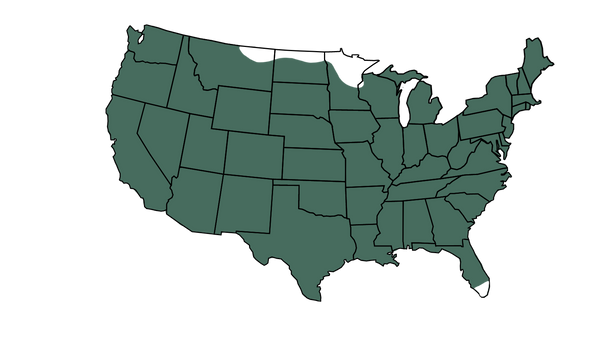
Where it grows in the groundShaded areas are the zones where it can be planted outdoors.


Size guide & what arrives
| *Trade size | **Pot size |
|---|---|
| 1 gallon | 6" |
| 3 gallon | 8 to 10" |
| 5 gallon | 10 to 12" |
| 7 gallon | 14" |
| 10 gallon | 15 to 17" |
| 15 gallon | 17" |
| "Jumbo" | 7 or 10 or 15 gallon |
*Nursery gallon sizes are trade sizes and do not equal standard liquid gallons.
**Pot sizes in inches refer to container width (diameter), not plant or pot height.
Please note: Sizing can differ between plant varieties and growers. Please chat with us if you need clarification.
For more information on sizing, please see our sizing guide.
What arrives
To maintain vibrant flower color, ensure the soil is acidic and avoid over-fertilizing, which can impact bloom quality.
What customers are saying
Why customers love it

Healthy, well-rooted plants
Hand-selected and shipped in its nursery pot.

Delivered to your door
Skip the nursery trip. Very little car Tetris required.

Real plant experts
Ask us anything before or after planting.

1-year guarantee
If something goes wrong, we'll help make it right.
Care made simple
Plant it right once and it does the rest.
Pick the spot before you dig.
Water slowly and deeply. Check more often in its first summer.
Enter your ZIP above to check your zone.
Your first year together
- 1Day 1
Plant it, then water slowly until the whole root ball is soaked.
- 2First few weeks
Keep the soil evenly moist while new roots settle in.
- 3First summer
Water deeply during hot, dry spells.
- 4Next spring
New growth starts. Feed as it wakes up.
Planting instructions
Watering & sunlight
Care guide
Shipping & what's inside
Your plant ships in its nursery pot with the soil secured, packed so it stays steady on the way to you.
1-year guarantee
Every plant is covered by our 1-year guarantee. If something goes wrong, contact our team and we'll walk you through it.
 Answered by Simply Trees plant experts
How big do Summer Crush Endless Summer Hydrangeas get?
However, it's essential to note that individual plant size can vary depending on factors such as growing conditions, climate, and maintenance practices. Providing optimal care, including adequate sunlight, well-drained soil, regular watering, and occasional fertilization, can help Summer Crush hydrangeas reach their full potential.
While these hydrangeas may not grow as large as some other varieties, their compact size makes them ideal for use as specimen plants, accents, or mass plantings in landscapes where space is limited. With their beautiful blooms and attractive foliage, Summer Crush Endless Summer hydrangeas add color and charm to gardens throughout the growing season.
How fast do Summer Crush Endless Summer Hydrangeas grow?
Where is the best place to plant hydrangeas?
Light: Hydrangeas generally prefer partial sun to partial shade. Plant them in a location where they will receive morning sun and afternoon shade, or dappled sunlight throughout the day. Protect them from the intense afternoon sun, which can scorch their delicate foliage and flowers.
Soil: Hydrangeas thrive in well-drained, fertile soil that is rich in organic matter. Amend the planting area with compost or peat moss to improve soil structure and fertility. Ensure the soil is slightly acidic to neutral, with a pH level of 5.5 to 6.5, for optimal growth and bloom color.
Moisture: Hydrangeas prefer consistently moist soil, but not waterlogged conditions. Plant them in an area where the soil retains moisture well, and provide regular watering, especially during hot, dry periods. Mulching around the base of the plant helps retain soil moisture and regulate soil temperature.
Protection: Choose a planting site that provides protection from strong winds and extreme weather conditions, such as frost or heat waves. Plant hydrangeas in a sheltered location, away from exposed areas where they may be susceptible to damage.
Air Circulation: Ensure adequate air circulation around the plants to prevent the development of fungal diseases. Avoid planting hydrangeas too close together or in areas with poor airflow.
Accessibility: Plant hydrangeas in a location where they can be easily accessed for watering, pruning, and maintenance tasks. Avoid planting them too close to structures or other obstacles that may impede access.
Overall, the best place to plant hydrangeas is in a location that provides the right combination of sunlight, soil, moisture, protection, and accessibility to ensure their health, vigor, and beauty in the landscape. By choosing the right planting site, you can help ensure the success of your hydrangeas and enjoy their stunning blooms for years to come.
How far apart should I plant Summer Crush hydrangeas?
Single Specimen Planting: If you're planting Summer Crush hydrangeas as standalone specimens or focal points in the landscape, space them approximately 3 to 4 feet apart. This spacing allows each plant to develop a full, rounded canopy without overcrowding.
Mass Planting or Border: For creating a mass planting or border using Summer Crush hydrangeas, space the plants about 2 to 3 feet apart. This tighter spacing creates a dense, lush effect and allows the plants to fill in the space more quickly.
Consider Mature Size: Keep in mind the mature size of Summer Crush hydrangeas when determining spacing. These plants typically reach a height and spread of 2 to 3 feet, so spacing them accordingly ensures they have ample room to grow without overcrowding neighboring plants or structures.
Account for Growth: While Summer Crush hydrangeas may start out relatively small, they can spread and fill out over time. Leave enough space between plants to accommodate their mature size and prevent overcrowding as they grow.
Site Conditions: Consider the site conditions, such as soil quality, sunlight exposure, and airflow, when spacing Summer Crush hydrangeas. Providing adequate space between plants allows for proper air circulation and reduces the risk of disease.
Ultimately, the exact spacing between Summer Crush hydrangeas will depend on your specific landscape design goals and preferences. Take into account factors such as sunlight, soil drainage, available space, and desired aesthetic to determine the most appropriate spacing for your needs.
Do Summer Crush hydrangeas prefer full or partial sun?
Ideally, plant Summer Crush hydrangeas in a location where they receive morning sun and afternoon shade, or dappled sunlight throughout the day. This helps to provide them with the right balance of light to encourage healthy growth and abundant blooming without risking sun damage.
In hotter climates or during periods of extreme heat, providing additional shade or protection from the sun can help prevent stress and maintain the plant's overall health and vigor.
Overall, finding the right balance of sunlight and shade is key to ensuring the optimal growing conditions for Summer Crush hydrangeas and promoting their best performance in the landscape.
Should you cut back Summer Crush hydrangeas?
Deadheading: Remove spent blooms throughout the blooming season to encourage continuous flowering and improve the plant's appearance. Cut the faded flower clusters just below the base of the cluster, using sharp and clean pruning shears.
Selective Pruning: In early spring, once the threat of frost has passed, you can selectively prune Summer Crush hydrangeas to remove any dead, damaged, or weak stems. Cut these stems back to healthy growth points, just above a set of healthy buds or branches.
Thinning: If the plant appears crowded or overgrown, you can thin out some of the oldest stems to improve airflow and light penetration within the canopy. Remove these stems at ground level to encourage new growth from the base of the plant.
Rejuvenation Pruning: If Summer Crush hydrangeas become leggy or overgrown over time, you can rejuvenate the plant by cutting back the entire plant to within 6 to 12 inches of the ground in early spring. This drastic pruning stimulates new growth and rejuvenates the plant's appearance.
Avoid Heavy Pruning: Avoid heavy pruning of Summer Crush hydrangeas, as this can remove potential flower buds and reduce blooming. These hydrangeas bloom on old wood, meaning that flower buds form on stems that grew in the previous growing season. Pruning too late in the season or removing too much growth can reduce or eliminate blooming for the current year.
By following these pruning guidelines, you can help maintain the health, vigor, and appearance of Summer Crush hydrangeas while encouraging abundant blooms and lush foliage throughout the growing season.
How do you care for Summer Crush Endless Summer hydrangeas?
Sunlight: Plant Summer Crush hydrangeas in a location that receives morning sun and afternoon shade, or dappled sunlight throughout the day. Protect them from hot, direct sunlight, which can scorch their delicate foliage.
Soil: Ensure the soil is well-drained, fertile, and rich in organic matter. Amend the planting area with compost or peat moss to improve soil structure and fertility. Hydrangeas prefer slightly acidic to neutral soil with a pH level of 5.5 to 6.5.
Watering: Provide regular watering to keep the soil evenly moist, especially during hot, dry periods. Hydrangeas prefer consistently moist soil but can be sensitive to overwatering. Water deeply at the base of the plant to encourage deep root growth.
Fertilization: Apply a balanced, slow-release fertilizer formulated for acid-loving plants in spring, just as new growth begins. Follow the manufacturer's recommendations for application rates. Avoid excessive fertilization, as it can lead to lush foliage at the expense of blooms.
Pruning: Minimal pruning is needed for Summer Crush hydrangeas. Remove dead or damaged wood in early spring, and selectively prune to shape the plant as needed after the blooming period. Avoid heavy pruning, as this can remove potential flower buds.
Mulching: Apply a layer of organic mulch, such as wood chips or shredded bark, around the base of the plant to help retain soil moisture, suppress weed growth, and regulate soil temperature. Keep the mulch layer about 2-3 inches thick, but avoid placing it directly against the stems of the plant.
Protection: Monitor the plants regularly for signs of pests or diseases, such as aphids, powdery mildew, or fungal leaf spots. Treat any infestations promptly with appropriate insecticides or fungicides to prevent damage to the plant.
Winter Protection: In colder climates, provide winter protection for Summer Crush hydrangeas by applying a layer of mulch around the base of the plant and wrapping the stems with burlap or tree wrap to protect them from frost damage.
By providing the right care, Summer Crush Endless Summer hydrangeas will reward you with abundant blooms and lush foliage, adding beauty and color to your garden throughout the growing season.
What are tips for planting Endless Summer hydrangeas?
Choose the Right Location: Select a planting site that receives morning sun and afternoon shade, or dappled sunlight throughout the day. Endless Summer hydrangeas prefer partial shade to protect them from the hot afternoon sun, which can scorch their delicate foliage.
Prepare the Soil: Amend the planting area with organic matter such as compost or peat moss to improve soil structure, drainage, and fertility. Ensure that the soil is well-drained but retains moisture, as hydrangeas prefer consistently moist soil.
Dig the Planting Hole: Dig a hole that is twice as wide as the root ball and of the same depth. Loosen the soil at the bottom of the hole to encourage root penetration and establishment.
Planting Depth: When placing the hydrangea in the planting hole, position it so that the top of the root ball is level with the surrounding soil surface. Avoid planting too deeply, as this can suffocate the roots and inhibit growth.
Backfill with Soil: Backfill the hole with the amended soil, gently firming it around the root ball to remove air pockets. Water the newly planted hydrangea thoroughly to settle the soil.
Mulch: Apply a layer of organic mulch, such as wood chips or shredded bark, around the base of the plant to help retain soil moisture, suppress weed growth, and regulate soil temperature. Keep the mulch layer about 2-3 inches thick, but avoid placing it directly against the stems of the plant.
Watering: Provide regular watering to keep the soil evenly moist, especially during the establishment period and dry spells. Hydrangeas prefer consistent moisture but can be sensitive to overwatering, so avoid waterlogged conditions.
Fertilization: Apply a balanced, slow-release fertilizer formulated for acid-loving plants in spring, just as new growth begins. Follow the manufacturer's recommendations for application rates, and avoid excessive fertilization, which can lead to lush foliage at the expense of blooms.
Pruning: Minimal pruning is needed for Endless Summer hydrangeas. Remove dead or damaged wood in early spring, and selectively prune to shape the plant as needed after the blooming period. Avoid heavy pruning, as this can remove potential flower buds.
By following these planting tips, you can help ensure the successful establishment and long-term health of your Endless Summer hydrangeas, allowing them to thrive and provide beautiful blooms season after season.
Should I cut the dead blooms off my hydrangeas?
Aesthetic Appeal: Removing dead blooms improves the overall appearance of the plant, making it look tidier and more attractive.
Promotes Reblooming: Deadheading encourages the plant to redirect its energy into producing new growth and blooms, rather than putting energy into seed production.
Prevents Seed Formation: By removing spent blooms, you prevent the formation of seeds, which can divert energy away from the plant and reduce blooming.
Prevents Disease: Dead or decaying blooms can attract pests and diseases. Removing them promptly helps to minimize the risk of pest infestations and fungal diseases.
When deadheading hydrangeas, it's best to cut the spent blooms just below the flower head, leaving the stem intact. Avoid cutting into the stems where new buds may be forming for future blooms. Deadheading can be done throughout the blooming season as needed to keep the plant looking its best and encourage continuous flowering.