


Yellow Bells Esperanza
Zones 8-11
Buy more, save more
Save up to $1,000 on your whole cart.
Discounts don't stack. At checkout you automatically get whichever saves you more.
See all savings tiers
Your code will auto-apply at checkout.
From our farm to your front door
- Shipped in its nursery pot, so the roots stay undisturbed
- Soil secured so it stays put in transit
- Packed so the plant stays steady on the way to you
At a glance
- Sunlight
- Full Sun, Partial Sun
- Water
- When the top 2–3" of soil is dry
- Growth & size
- Fast growth rate; typically reaches 3-6 feet in height and 3-4 feet in width.
- Botanical name
- Tecoma stans 'Gold Star'
- Hardiness
- Zones 8-11
- Tolerates
- Heat tolerantDrought tolerantDesert tolerantWind tolerant
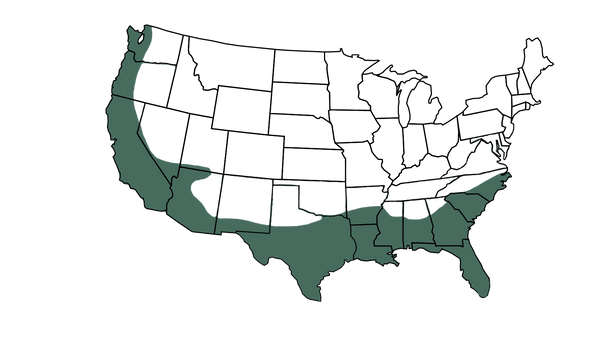
Where it grows in the groundShaded areas are the zones where it can be planted outdoors.


Size guide & what arrives
| *Trade size | **Pot size |
|---|---|
| 1 gallon | 6" |
| 3 gallon | 8 to 10" |
| 5 gallon | 10 to 12" |
| 7 gallon | 14" |
| 10 gallon | 15 to 17" |
| 15 gallon | 17" |
| "Jumbo" | 7 or 10 or 15 gallon |
*Nursery gallon sizes are trade sizes and do not equal standard liquid gallons.
**Pot sizes in inches refer to container width (diameter), not plant or pot height.
Please note: Sizing can differ between plant varieties and growers. Please chat with us if you need clarification.
For more information on sizing, please see our sizing guide.
What arrives
Yellow Bells Esperanza can have a rapid growth rate, so regular pruning may be necessary to keep it in shape and to promote continuous blooming.
What customers are saying
Why customers love it
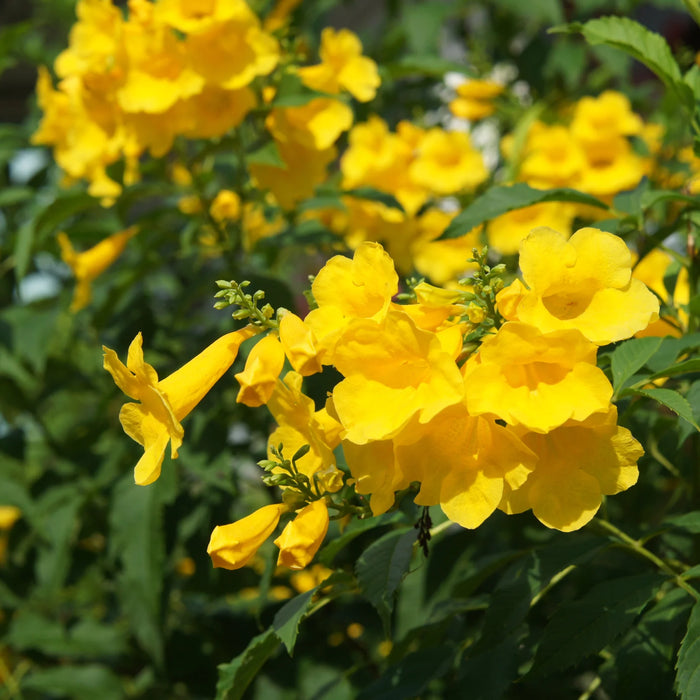
Healthy, well-rooted plants
Hand-selected and shipped in its nursery pot.
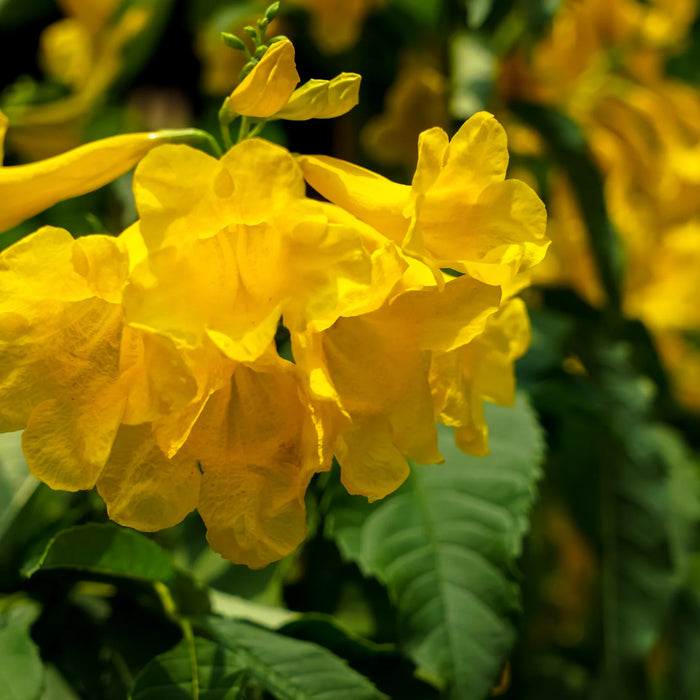
Delivered to your door
Skip the nursery trip. Very little car Tetris required.
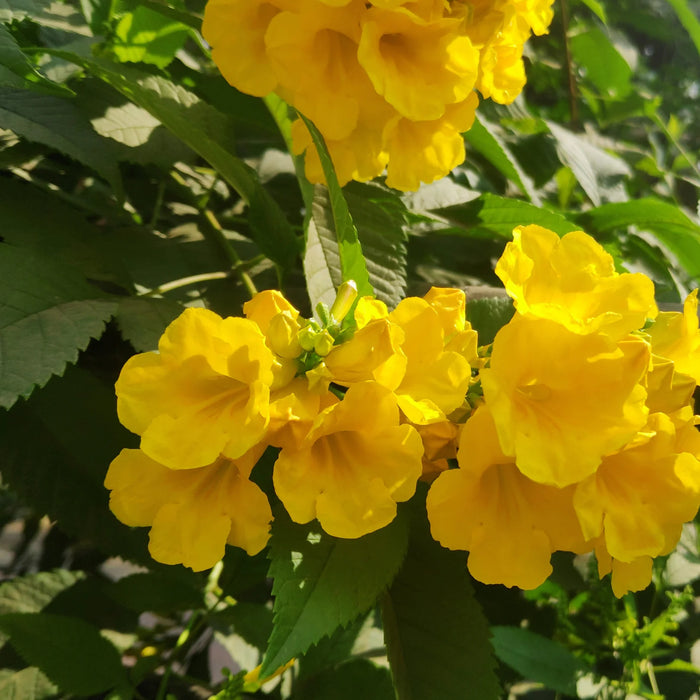
Real plant experts
Ask us anything before or after planting.
1-year guarantee
If something goes wrong, we'll help make it right.
Care made simple
Plant it right once and it does the rest.
Pick the spot before you dig.
Water slowly and deeply. Check more often in its first summer.
Enter your ZIP above to check your zone.
Your first year together
- 1Day 1
Plant it, then water slowly until the whole root ball is soaked.
- 2First few weeks
Keep the soil evenly moist while new roots settle in.
- 3First summer
Water deeply during hot, dry spells.
- 4Next spring
New growth starts. Feed as it wakes up.
Planting instructions
Watering & sunlight
Care guide
Shipping & what's inside
Your plant ships in its nursery pot with the soil secured, packed so it stays steady on the way to you.
1-year guarantee
Every plant is covered by our 1-year guarantee. If something goes wrong, contact our team and we'll walk you through it.
 Answered by Simply Trees plant experts
How big does Yellow Bells Esperanza get?
Height: In optimal conditions, Yellow Bells Esperanza can grow to a height of 3 to 6 feet tall. However, in ideal growing conditions with ample sunlight, well-draining soil, and regular watering, it may exceed these heights, reaching up to 6 to 12 feet or more.
Width: The width of Yellow Bells Esperanza typically ranges from 3 to 4 feet wide. The plant has a spreading, upright growth habit, and its branches may extend outward as it matures. Regular pruning can help maintain a more compact form and prevent the plant from becoming too wide or sprawling.
Growth Habit: Yellow Bells Esperanza has a dense, bushy growth habit with multiple upright stems and branches. It tends to form a rounded or vase-shaped canopy, especially when grown as a shrub. With proper pruning and maintenance, you can shape the plant to your desired size and form, whether as a specimen plant or a hedge.
Container Size: When grown in containers or pots, Yellow Bells Esperanza may have a smaller overall size compared to plants grown in the ground. Container-grown specimens can be pruned and shaped to maintain a more compact size, making them suitable for patios, decks, or small garden spaces.
Overall, Yellow Bells Esperanza is valued for its manageable size and attractive foliage and flowers. This yellow flowering perennial adds beauty and color to gardens, landscapes, and container plantings, making it a popular choice for home gardeners and landscapers alike.
How fast does Yellow Bells Esperanza grow?
Where is the best place to plant Yellow Bells Esperanza?
Sunlight: Yellow Bells Esperanza thrives in full sunlight, so choose a planting location that receives at least 6-8 hours of direct sunlight per day. Avoid areas with excessive shade, as insufficient sunlight can lead to reduced flowering and leggy growth.
Soil: Plant Yellow Bells Esperanza in well-draining soil with good fertility. The soil should be rich in organic matter and have a slightly acidic to neutral pH. Avoid heavy clay soils that retain water, as they can lead to root rot and other problems. If necessary, amend the soil with compost or organic matter to improve drainage and soil structure.
Space: Consider the mature size of Yellow Bells Esperanza when selecting a planting location. Allow enough room for the plant to reach its full height and spread without overcrowding or competition for resources. Planting too close to structures or other plants can limit airflow and sunlight, leading to potential issues such as disease and poor growth.
Protection from Frost: In regions with occasional frost or freezing temperatures, choose a planting location that offers some protection from cold winds and frost. Avoid low-lying areas or frost pockets where cold air can accumulate, as this can increase the risk of frost damage to the plant.
Aesthetic Considerations: Yellow Bells Esperanza is prized for its vibrant foliage and abundant, trumpet-shaped flowers. Plant it in a prominent location where it can be showcased and appreciated, such as in mixed borders, along walkways, or as a focal point in the landscape. Consider complementing it with other plants that provide contrasting colors and textures for added visual interest.
Overall, the best place to plant Yellow Bells Esperanza is in a sunny location with well-draining soil, adequate space for growth, and some protection from frost. With the right growing conditions, Yellow Bells Esperanza will thrive and reward you with its colorful blooms and lush foliage throughout the growing season.
How far apart should I plant Yellow Bells Esperanza?
Single Planting: If you're planting Yellow Bells Esperanza as a standalone specimen or focal point in the landscape, space individual plants 3 to 5 feet apart. This spacing allows each plant to develop a full, bushy form and ensures adequate airflow and sunlight penetration.
Mass Planting: For a dense and uniform look, space multiple Yellow Bells Esperanza plants closer together. Plant them 2 to 3 feet apart, measuring from the center of one plant to the center of the next. This tighter spacing creates a cohesive mass of foliage and flowers, ideal for creating a colorful border, hedge, or mass planting.
Container Planting: When planting Yellow Bells Esperanza in containers or pots, select a container that provides ample space for the plant's root system to grow. Choose a container with a diameter of at least 18 to 24 inches to accommodate the plant's mature size. You can space container-grown plants closer together if desired, as long as they have adequate room for growth and airflow.
Consider Growth Habit: Keep in mind the mature size and growth habit of Yellow Bells Esperanza when determining spacing. Allow enough room for each plant to reach its full height and spread without overcrowding or competition for resources.
By spacing Yellow Bells Esperanza appropriately, you can create a visually appealing landscape design that allows each plant to thrive and showcase its vibrant foliage and flowers. Adjust spacing based on your specific gardening goals and the conditions of your landscape to achieve the desired aesthetic and functionality.
How do you care for Yellow Bells Esperanza?
Sunlight: Yellow Bells Esperanza thrives in full sunlight, so choose a planting location that receives at least 6-8 hours of direct sunlight per day. Adequate sunlight promotes robust growth and abundant flowering.
Soil: Plant Yellow Bells Esperanza in well-draining soil with good fertility. Amend heavy or compacted soils with organic matter such as compost to improve drainage and soil structure. A slightly acidic to neutral soil pH is ideal.
Watering: Water newly planted Yellow Bells Esperanza regularly to establish a strong root system. Once established, the plant is drought tolerant and prefers slightly dry conditions between waterings. Water deeply but infrequently, allowing the soil to dry out slightly between waterings.
Mulching: Apply a layer of organic mulch around the base of the plant to conserve soil moisture, suppress weeds, and regulate soil temperature. Maintain a mulch layer of 2-3 inches thick, but avoid piling mulch against the trunk to prevent rot.
Fertilization: Feed Yellow Bells Esperanza with a balanced, slow-release fertilizer in spring to promote healthy growth and flowering. Follow the manufacturer's recommendations for application rates and frequency. Avoid overfertilization, as excessive nutrients can lead to lush foliage at the expense of flowers.
Pruning: Prune Yellow Bells Esperanza in late winter or early spring to remove any dead, damaged, or crossing branches. You can also prune to shape the plant and promote a compact growth habit. Deadhead spent flowers regularly to encourage continuous blooming.
Protection from Frost: In colder climates, provide protection from frost and freezing temperatures to prevent damage to the plant. Cover Yellow Bells Esperanza with a frost cloth or bring container-grown plants indoors before the first frost.
Pest and Disease Control: Monitor Yellow Bells Esperanza for pests such as aphids, scale insects, and whiteflies, which may occasionally infest the plant. Treat any infestations promptly with insecticidal soap or horticultural oil. Ensure good air circulation around the plant to reduce the risk of fungal diseases.
By following these care tips, you can enjoy a healthy, vibrant Yellow Bells Esperanza plant that blooms profusely and adds beauty to your garden or landscape throughout the growing season.
Does Yellow Bells Esperanza come back every year?
However, in colder climates or regions prone to frost and freezing temperatures (typically USDA zones 7 and below), Yellow Bells Esperanza may not survive winter outdoors without protection. In such areas, the plant is often treated as an annual or semi-annual, meaning it may die back to the ground in winter but regrow from the base in spring if temperatures remain above freezing.
To ensure Yellow Bells Esperanza returns each year in colder climates, consider overwintering it indoors in a cool, bright location or providing protection from frost and freezing temperatures. With proper care and protection, Yellow Bells Esperanza can regrow from the base and continue to bloom year after year, adding beauty and color to your garden or landscape.
Will Yellow Bells Esperanza survive winter?
However, in colder climates or regions prone to frost and freezing temperatures, Yellow Bells Esperanza may not survive winter without protection. In such areas, the plant is typically grown as an annual or semi-annual, meaning it is replanted each spring or treated as a tender perennial that may die back to the ground in winter but regrow from the base in spring.
To help Yellow Bells Esperanza survive winter in marginal climates, consider the following:
Mulching: Apply a thick layer of organic mulch around the base of the plant in late fall to insulate the roots and protect them from freezing temperatures. Mulch also helps retain soil moisture, which can be beneficial during dry winter months.
Protective Covering: In regions where temperatures occasionally drop below freezing, consider covering Yellow Bells Esperanza with a frost cloth or other protective covering during cold snaps to shield it from frost damage.
Container Gardening: If growing Yellow Bells Esperanza in containers, consider overwintering it indoors in a cool, bright location such as a garage or greenhouse. Bring the container indoors before the first frost and return it outdoors in spring once the danger of frost has passed.
Pruning: In early spring, prune back any dead or damaged growth from winter and remove any frost-damaged foliage to encourage new growth.
By taking these precautions, you can help increase the chances of Yellow Bells Esperanza surviving winter in marginal climates and enjoy its vibrant blooms year after year.
Does Yellow Bells Esperanza attract hummingbirds?
When do Yellow Bells Esperanza bloom?
Should Yellow Bells Esperanza be cut back?
Deadheading: Remove spent flowers regularly to encourage continuous blooming throughout the growing season. This practice redirects the plant's energy into producing new flowers rather than seed formation.
Annual Pruning: In late winter or early spring, before new growth begins, prune Yellow Bells Esperanza to remove any dead, damaged, or crossing branches. This helps improve air circulation within the plant and reduces the risk of disease.
Shape Control: Prune to shape the plant as desired, removing any leggy or wayward branches to maintain a compact and tidy appearance. Aim to maintain a balanced structure while preserving the natural form of the plant.
Size Management: Yellow Bells Esperanza can grow quite large if left unpruned. If space is limited or if the plant is outgrowing its designated area, consider pruning it back to a more manageable size. However, avoid heavy pruning, as this can stress the plant and reduce flowering.
Caution: Wear gloves and protective clothing when pruning Yellow Bells Esperanza, as the plant's sap may cause skin irritation in some individuals. Additionally, use clean and sharp pruning tools to make smooth cuts and minimize damage to the plant.
By incorporating regular pruning into your maintenance routine, you can help keep Yellow Bells Esperanza healthy, vibrant, and blooming profusely throughout the growing season.