


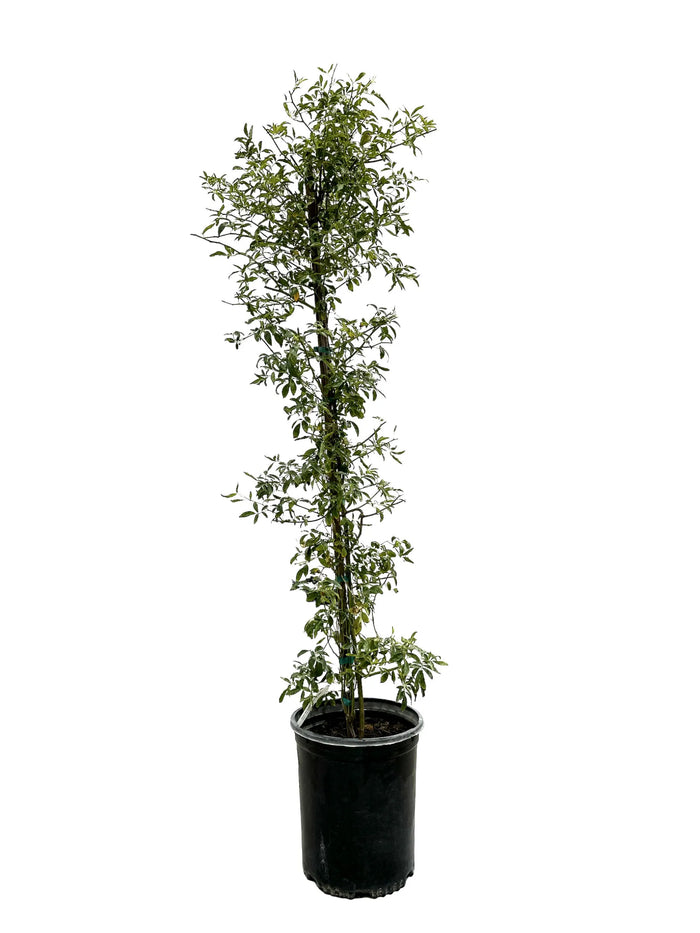
White Lady Banks Climbing Rose
Zones 6-11
Save up to $1,000 on your whole cart.
Your code will auto-apply at checkout.
From our farm to your front door
- Shipped in its nursery pot, so the roots stay undisturbed
- Soil secured so it stays put in transit
- Packed so the plant stays steady on the way to you
At a glance
- Sunlight
- Full Sun
- Water
- When the top 2" of soil is dry
- Growth & size
- Fast growth rate; can climb 15-20 feet or more if supported and reaches a width of 6-10 ft.
- Botanical name
- Rosa banksiae 'Alba Plena'
- Hardiness
- Zones 6-11
- Tolerates
- Heat tolerantHumidity tolerantDrought tolerantWind tolerantCoastal tolerant
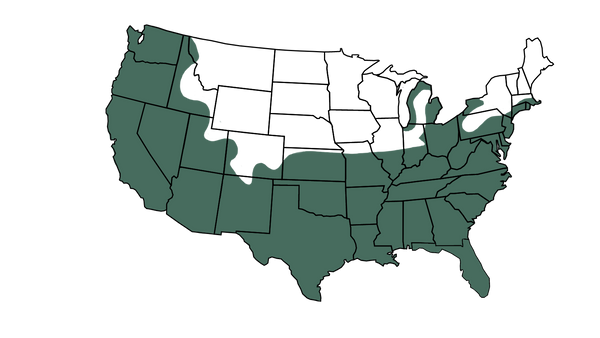
Where it grows in the groundShaded areas are the zones where it can be planted outdoors.


Size guide & what arrives
| *Trade size | **Pot size |
|---|---|
| 1 gallon | 6" |
| 3 gallon | 8 to 10" |
| 5 gallon | 10 to 12" |
| 7 gallon | 14" |
| 10 gallon | 15 to 17" |
| 15 gallon | 17" |
| "Jumbo" | 7 or 10 or 15 gallon |
*Nursery gallon sizes are trade sizes and do not equal standard liquid gallons.
**Pot sizes in inches refer to container width (diameter), not plant or pot height.
Please note: Sizing can differ between plant varieties and growers. Please chat with us if you need clarification.
For more information on sizing, please see our sizing guide.
What arrives
This rose can have a vigorous growth rate, so regular pruning may be necessary to manage its size and shape.
What customers are saying
Why customers love it
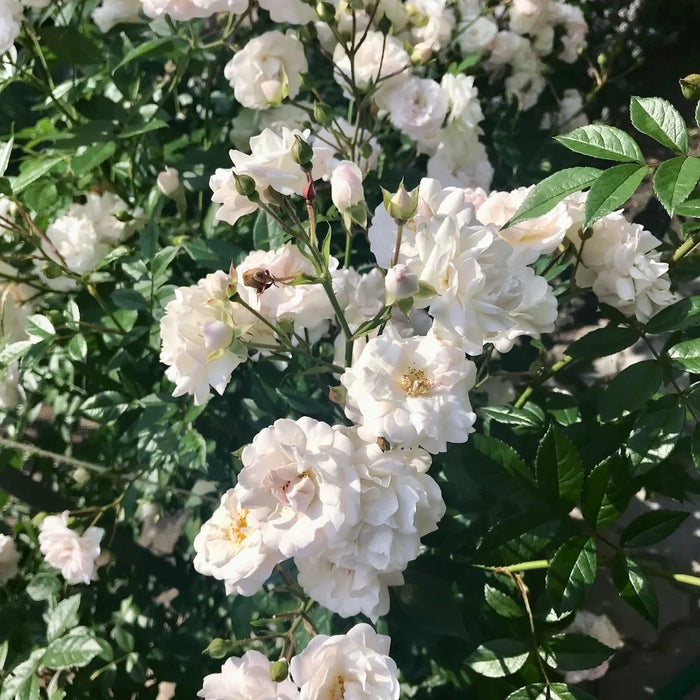
Healthy, well-rooted plants
Hand-selected and shipped in its nursery pot.
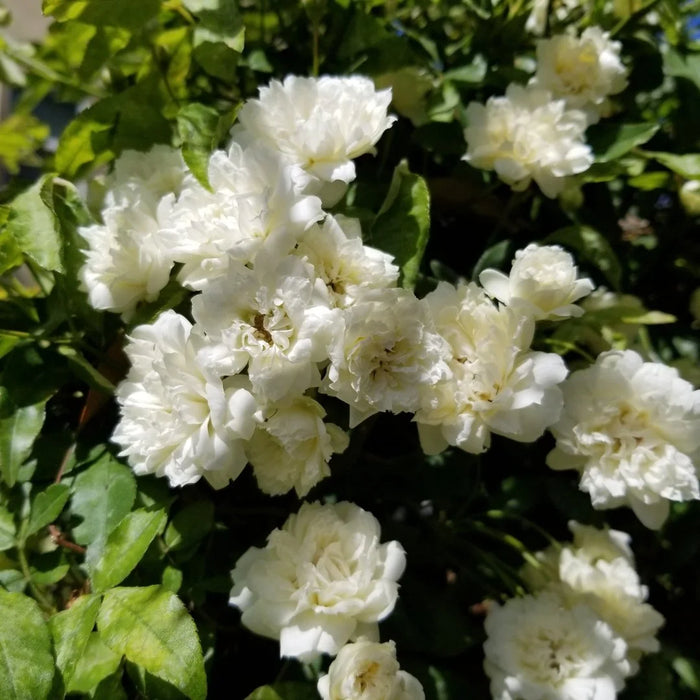
Delivered to your door
Skip the nursery trip. Very little car Tetris required.
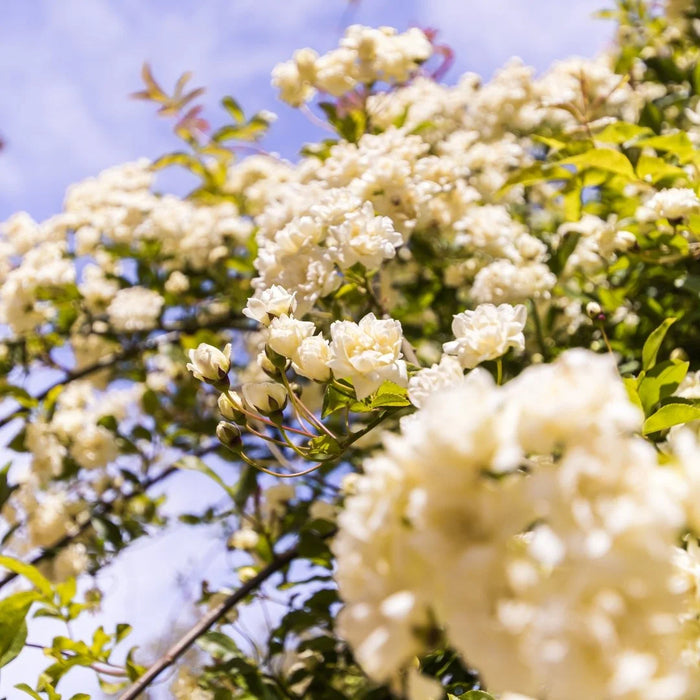
Real plant experts
Ask us anything before or after planting.
1-year guarantee
If something goes wrong, we'll help make it right.
Care made simple
Plant it right once and it does the rest.
Pick the spot before you dig.
Water slowly and deeply. Check more often in its first summer.
Enter your ZIP above to check your zone.
Your first year together
- 1Day 1
Plant it, then water slowly until the whole root ball is soaked.
- 2First few weeks
Keep the soil evenly moist while new roots settle in.
- 3First summer
Water deeply during hot, dry spells.
- 4Next spring
New growth starts. Feed as it wakes up.
Planting instructions
Watering & sunlight
Care guide
Shipping & what's inside
Your plant ships in its nursery pot with the soil secured, packed so it stays steady on the way to you.
1-year guarantee
Every plant is covered by our 1-year guarantee. If something goes wrong, contact our team and we'll walk you through it.
 Answered by Simply Trees plant experts
How big do Lady Banks climbing roses get?
Does Lady Banks climbing rose need a trellis?
How do you care for the Lady Banks climbing rose?
Planting: Choose a sunny location with well-draining soil for planting. These roses thrive in full sun.
Watering: Keep the soil consistently moist but not waterlogged, especially during the growing season. Water deeply at the base of the plant to encourage deep root growth.
Pruning: Prune your Lady Banks rose after it finishes flowering in the spring. Remove dead or damaged branches and trim to shape as needed. This helps maintain its attractive appearance.
Support: Provide a sturdy trellis or support structure for the climbing canes to grow on.
Fertilizing: Feed with a balanced, slow-release fertilizer in the early spring to promote healthy growth.
Pest and Disease Management: Lady Banks roses are generally resistant to pests and diseases, but keep an eye out for any issues and address them promptly if they occur.
Mulching: Apply mulch around the base of the plant to retain moisture and suppress weeds.
Winter Protection: In regions with harsh winters, consider providing winter protection, such as wrapping the canes with burlap, to prevent cold damage.
By following these care instructions, you can enjoy the beauty of White Lady Banks Climbing Roses in your garden.
When does the Lady Banks climbing rose bloom?
How do you prune the Lady Banks climbing rose?
Prune After Flowering: Lady Banks roses should be pruned after they finish flowering in the spring. This is typically in April or May, depending on your climate.
Remove Dead or Diseased Canes: Start by removing any dead or diseased canes (stems) from the plant. These canes will be brown or black and should be cut back to the base of the plant.
Trim for Shape: Lady Banks roses tend to have long, flexible canes that can become unruly. Trim back the canes to shape the plant and control its size. You can cut the canes back by about one-third to one-half of their length.
Thin Out Canes: If the rose has become too dense, you can also thin out some of the canes to improve air circulation. This helps prevent disease and encourages new growth.
Remove Spent Blooms: Throughout the growing season, deadhead (remove) spent blooms to encourage continuous flowering.
Be Cautious with Pruning: Lady Banks roses bloom on old wood, so avoid heavy pruning in late summer or fall, as this can remove potential flower buds for the next season.
Remember that Lady Banks roses are vigorous growers, so a little pruning can go a long way in maintaining their shape and health. Always use sharp, clean pruning shears, and make clean cuts to minimize damage to the plant.
What is the difference between yellow and white Lady Banks climbing rose?
Yellow Lady Banks Rose: The yellow Lady Banks rose, scientifically known as Rosa banksiae 'Lutea,' produces beautiful, small, double yellow flowers. These flowers are fragrant and create a stunning display when in bloom.
White Lady Banks Rose: The white Lady Banks rose, also known as Rosa banksiae 'Alba Plena,' features small, double white flowers. Like its yellow counterpart, it is also fragrant and adds a touch of elegance to gardens.
Both varieties of Lady Banks roses are known for their vigorous climbing habit and are often used to cover walls, fences, and pergolas. The choice between yellow and white Lady Banks roses primarily depends on your color preference for the flowers in your garden.
How long does it take for the Lady Banks climbing rose to bloom?
Why are the leaves on my Lady Banks climbing rose turning yellow?
Watering Issues: Overwatering or underwatering can lead to yellowing leaves. Ensure the plant receives consistent moisture, allowing the soil to dry slightly between waterings.
Nutrient Deficiency: Yellow leaves may indicate a lack of essential nutrients, particularly nitrogen. Consider fertilizing your rose with a balanced fertilizer to address this issue.
Pests or Diseases: Check for signs of pests like aphids or diseases like powdery mildew, as they can cause leaf discoloration. Treat any infestations promptly.
Soil pH: Roses prefer slightly acidic soil. If the soil is too alkaline, it can affect nutrient uptake and lead to yellowing leaves. Adjusting soil pH may be necessary.
Environmental Stress: Extreme temperatures, inadequate sunlight, or poor air circulation can stress the plant and cause leaf yellowing. Ensure the rose is in an optimal location.
Natural Leaf Drop: Some yellowing and shedding of older leaves is normal, especially in the fall.
To address yellowing leaves, identify the specific cause and take appropriate corrective actions, such as adjusting watering, fertilizing, or treating pests and diseases. Regular care and maintenance can help keep your Lady Banks climbing rose healthy and vibrant.
How do you plant the Lady Banks climbing rose?
Choose a Location: Select a sunny location in your garden or near a wall or structure where you want the rose to climb. Ensure that the trellis can be securely anchored in the ground.
Install the Trellis: Set up the trellis in the chosen location before planting. Make sure it is stable and anchored firmly in the ground or against the structure. The trellis should have horizontal and vertical supports for the rose to climb.
Prepare the Soil: Prepare the soil at the base of the trellis. Lady Banks roses prefer well-draining soil enriched with organic matter. You can amend the soil with compost or well-rotted manure.
Dig a Hole: Dig a hole near the base of the trellis that is deep and wide enough to accommodate the rose's root ball. The top of the root ball should be level with the ground.
Plant the Rose: Carefully remove the rose from its container and place it in the hole. Make sure the roots are spread out and not crowded. Backfill with soil and pat it down gently.
Water and Mulch: Water the newly planted rose thoroughly to settle the soil. Apply a layer of mulch around the base of the rose to retain moisture and discourage weeds.
Train the Rose: As the rose grows, gently guide its canes toward the trellis. You can tie them to the trellis with soft garden twine or plant ties. This encourages the rose to climb and fill the trellis with foliage and flowers.
Pruning: Prune your Lady Banks climbing rose as needed to maintain its shape and encourage new growth. Pruning is typically done after flowering, usually in the spring.
Regular Care: Provide regular water, especially during dry periods, and fertilize the rose according to the recommended schedule for healthy growth and abundant blooms.
With proper care and training, your Lady Banks climbing rose will gracefully ascend the trellis and reward you with its lovely white or pale yellow blossoms.
What kind of fertilizer should I use for the Lady Banks climbing rose?
Here's how to fertilize your Lady Banks climbing rose:
Timing: Fertilize your rose in the early spring, just as it begins to produce new growth. You can also apply a second round of fertilizer in late spring or early summer if desired.
Application: Sprinkle the granular fertilizer evenly around the base of the rose, extending it out to the drip line (the area beneath the outermost branches). Follow the manufacturer's recommended application rates for your specific fertilizer.
Watering: After applying the fertilizer, water the rose thoroughly. This helps to dissolve the fertilizer and deliver nutrients to the roots.
Mulch: Consider adding a layer of mulch around the base of the rose to help retain moisture and regulate soil temperature. Mulch also helps prevent weeds, which can compete with the rose for nutrients.
Repeat: Follow the fertilization schedule and guidelines on the fertilizer packaging for subsequent applications. Avoid over-fertilizing, as this can lead to excessive growth and reduced flower production.
Regular fertilization will provide the necessary nutrients for your Lady Banks climbing rose to grow vigorously and produce an abundance of beautiful blooms.