


White Iceberg Rose Tree
Zones 5-9
Buy more, save more
Save up to $1,000 on your whole cart.
Discounts don't stack. At checkout you automatically get whichever saves you more.
See all savings tiers
Your code will auto-apply at checkout.
From our farm to your front door
- Shipped in its nursery pot, so the roots stay undisturbed
- Soil secured so it stays put in transit
- Packed so the plant stays steady on the way to you
At a glance
- Sunlight
- Full Sun
- Water
- When the top 2" of soil is dry
- Growth & size
- Moderate growth rate; typically reaches 4-6 feet in height, with a canopy spread of about 2-3 feet.
Sizing: Our patio rose trees are primarily utilized as outdoor patio plants and are potted. Accordingly, we measure our rose trees from the bottom of the pot to the top of the tree for accuracy. - Botanical name
- Rosa x 'KORbin'
- Hardiness
- Zones 5-9
- Tolerates
- Heat tolerantHumidity tolerantDrought tolerantWind tolerant
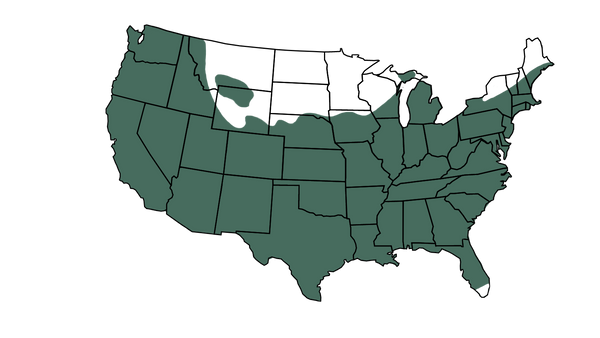
Where it grows in the groundShaded areas are the zones where it can be planted outdoors.


Size guide & what arrives
| *Trade size | **Pot size |
|---|---|
| 1 gallon | 6" |
| 3 gallon | 8 to 10" |
| 5 gallon | 10 to 12" |
| 7 gallon | 14" |
| 10 gallon | 15 to 17" |
| 15 gallon | 17" |
| "Jumbo" | 7 or 10 or 15 gallon |
*Nursery gallon sizes are trade sizes and do not equal standard liquid gallons.
**Pot sizes in inches refer to container width (diameter), not plant or pot height.
Please note: Sizing can differ between plant varieties and growers. Please chat with us if you need clarification.
For more information on sizing, please see our sizing guide.
What arrives
Regular pruning can help maintain the tree's shape and promote a robust blooming cycle.
*Sizing: Our patio rose trees are primarily utilized as outdoor patio plants and are potted. Accordingly, we measure our rose trees from the bottom of the pot to the top of the tree for accuracy.
What customers are saying
Why customers love it

Healthy, well-rooted plants
Hand-selected and shipped in its nursery pot.

Delivered to your door
Skip the nursery trip. Very little car Tetris required.

Real plant experts
Ask us anything before or after planting.

1-year guarantee
If something goes wrong, we'll help make it right.
Care made simple
Plant it right once and it does the rest.
Pick the spot before you dig.
Water slowly and deeply. Check more often in its first summer.
Enter your ZIP above to check your zone.
Your first year together
- 1Day 1
Plant it, then water slowly until the whole root ball is soaked.
- 2First few weeks
Keep the soil evenly moist while new roots settle in.
- 3First summer
Water deeply during hot, dry spells.
- 4Next spring
New growth starts. Feed as it wakes up.
Planting instructions
Watering & sunlight
Use a slow-running hose, soaker hose, or drip system to water the root ball and surrounding root zone thoroughly. Allow the water to penetrate deeply (not just wet the top few inches of soil), and avoid frequent, shallow watering.
Before watering again, check the soil 3–4 inches deep near the root ball. If it feels dry, repeat this deep-watering process. If it feels moist or soggy, wait and check again in 1–2 days. Check the soil of newly planted trees and shrubs several times per week, especially during hot, dry, or windy weather.
Irrigation run times will vary based on flow rate, soil, and system setup.
Need help? Contact our plant experts for watering guidance tailored to your plant and growing conditions.
White Iceberg Rose Tree prefers full sun, requiring at least 6 hours of direct sunlight daily for optimal growth, health, and flowering.
Care guide
Shipping & what's inside
Your plant ships in its nursery pot with the soil secured, packed so it stays steady on the way to you.
1-year guarantee
Every plant is covered by our 1-year guarantee. If something goes wrong, contact our team and we'll walk you through it.
 Answered by Simply Trees plant experts
How big does the White Iceberg Rose tree get?
Height: When grown in tree form, the White Iceberg Rose tree typically reaches a height of about 4 to 6 feet. This compact height makes it well-suited for smaller gardens, borders, and container plantings.
Spread: The spread of the White Iceberg Rose tree generally matches its height, with a spread of approximately 2 to 3 feet. This moderate spread allows the tree to maintain a balanced and well-proportioned appearance in the landscape.
Compact Growth Habit: The White Iceberg Rose tree exhibits a compact and upright growth habit, with dense foliage and a rounded canopy. This growth habit makes it an excellent choice for adding vertical interest and visual appeal to garden beds, borders, and entryways.
Pruning Influence: Regular pruning can help control the size and shape of the White Iceberg Rose tree, allowing you to maintain its desired height and spread. Light pruning in late winter or early spring helps remove dead, damaged, or overgrown branches and encourages healthy growth and abundant flowering.
Container Plantings: The compact size of the White Iceberg Rose tree makes it well-suited for container plantings on patios, decks, or balconies. When grown in containers, the tree can be kept smaller through regular pruning and root management.
Overall, the White Iceberg Rose tree's moderate size and compact growth habit make it a versatile and attractive addition to gardens, landscapes, and container plantings. With proper care and maintenance, you can enjoy the beauty of its pure white flowers and lush foliage for years to come.
How fast does the White Iceberg Rose tree grow?
Where is the best place to plant the White Iceberg Rose tree?
Sunlight: Plant the White Iceberg Rose tree in a spot that receives full sun, which means at least 6 to 8 hours of direct sunlight per day. Adequate sunlight promotes healthy growth and abundant flowering in roses.
Soil: Choose a planting site with well-draining soil that is rich in organic matter. Roses prefer loamy soil with good fertility and a slightly acidic to neutral pH. Avoid planting in heavy clay or waterlogged soil, as it can lead to root rot and other problems.
Air Circulation: Select a location with good air circulation to promote airflow around the White Iceberg Rose tree. Good air circulation helps reduce the risk of fungal diseases such as powdery mildew and black spot.
Spacing: Ensure proper spacing between the White Iceberg Rose tree and other plants or structures to allow for adequate airflow and room for the tree to grow to its full size. Space multiple trees at least 3 to 4 feet apart to prevent overcrowding and competition for resources.
Accessibility: Consider accessibility when choosing a planting site for the White Iceberg Rose tree. Select a location where you can easily access the tree for watering, pruning, and maintenance tasks.
Aesthetic Considerations: Choose a location that enhances the overall aesthetic appeal of your landscape or garden. The White Iceberg Rose tree makes an excellent focal point or specimen plant in garden beds, borders, or containers, so plant it where it can be prominently featured and appreciated.
Protection from Harsh Conditions: Avoid planting the White Iceberg Rose tree in areas prone to strong winds, which can damage the delicate foliage and flowers. Similarly, avoid planting near sources of extreme heat, such as concrete or asphalt, which can cause stress to the tree.
By considering these factors and selecting a suitable planting site, you can ensure that your White Iceberg Rose tree thrives and adds beauty to your landscape for years to come.
How often should I water my White Iceberg Rose tree?
Establishment Period: During the first few weeks after planting, water the White Iceberg Rose tree regularly to help it establish a strong root system. Water deeply at the base of the tree, ensuring that the root ball is thoroughly moistened. Water every 2-3 days or as needed to keep the soil consistently moist but not waterlogged.
Hot and Dry Weather: During periods of hot and dry weather, your White Iceberg Rose tree may require more frequent watering to prevent stress and dehydration. Water deeply at least once a week, or more often if the soil dries out quickly. Monitor the soil moisture level regularly and adjust your watering schedule accordingly.
Soil Moisture: Check the soil moisture level regularly by inserting your finger into the soil near the base of the tree. If the soil feels dry to the touch about an inch below the surface, it's time to water. Avoid watering if the soil is still moist, as overwatering can lead to root rot and other problems.
Mulching: Apply a layer of organic mulch, such as shredded bark or compost, around the base of the White Iceberg Rose tree to help retain soil moisture and reduce water evaporation. Mulching also helps suppress weeds and regulate soil temperature.
Morning Watering: Water your White Iceberg Rose tree early in the morning to minimize water loss due to evaporation and ensure that the foliage has enough time to dry before evening. Wet foliage overnight can increase the risk of fungal diseases.
Established Trees: Once the White Iceberg Rose tree is established and has developed a strong root system, it may require less frequent watering. However, continue to monitor soil moisture regularly and water as needed, especially during periods of prolonged drought or heat stress.
Remember that these are general guidelines, and the watering needs of your White Iceberg Rose tree may vary depending on specific environmental conditions and individual factors. It's essential to observe your tree closely and adjust your watering schedule accordingly to ensure optimal health and growth.
How do you take care of the White Iceberg Rose tree?
Sunlight: Plant the White Iceberg Rose tree in a location that receives full sun, with at least 6 to 8 hours of direct sunlight per day. Adequate sunlight promotes vigorous growth and abundant flowering.
Watering: Keep the soil consistently moist but not waterlogged, especially during the growing season. Water deeply at the base of the tree to encourage deep root growth. Avoid overhead watering, as wet foliage can increase the risk of fungal diseases.
Soil: Plant the White Iceberg Rose tree in well-draining soil with good fertility. Amend the soil with organic matter, such as compost or aged manure, before planting to improve soil structure and fertility.
Fertilizing: Apply a balanced fertilizer formulated for roses in early spring, just as new growth begins. Follow the manufacturer's instructions for application rates and timing. Repeat applications throughout the growing season according to the needs of the tree.
Mulching: Apply a layer of organic mulch, such as shredded bark or compost, around the base of the White Iceberg Rose tree to conserve soil moisture, suppress weeds, and regulate soil temperature. Keep the mulch layer a few inches away from the trunk to prevent moisture-related issues.
Pruning: Perform light pruning in late winter or early spring to remove dead, damaged, or diseased wood and shape the tree. Remove any crossing or rubbing branches to improve airflow and reduce the risk of disease. Deadhead spent flowers regularly to encourage continuous blooming.
Disease Management: Monitor the White Iceberg Rose tree regularly for signs of common rose diseases, such as powdery mildew, black spot, and rust. Treat any infections promptly with appropriate fungicides or other disease control measures.
Pest Control: Keep an eye out for common rose pests, such as aphids, thrips, and spider mites. Use insecticidal soaps or horticultural oils to control insect infestations, following label instructions carefully.
Winter Protection: In regions with cold winters, provide winter protection for the White Iceberg Rose tree by mulching around the base and wrapping the trunk with burlap or other insulating material to prevent damage from freezing temperatures.
By following these care tips and providing proper attention throughout the growing season, you can ensure the health, vigor, and beauty of your White Iceberg Rose tree for years to come.
Does the White Iceberg Rose tree need full sun?
Flowering: Full sun exposure encourages abundant flowering in the White Iceberg Rose tree. Roses are known to bloom profusely when they receive adequate sunlight, resulting in a stunning display of white flowers throughout the growing season.
Plant Health: Sunlight is essential for photosynthesis, the process by which plants convert sunlight into energy. Adequate sunlight promotes healthy growth, vigor, and overall plant health in the White Iceberg Rose tree, helping it resist diseases and pests.
Air Circulation: Full sun exposure promotes good air circulation around the White Iceberg Rose tree, reducing the risk of fungal diseases such as powdery mildew and black spot. Proper airflow helps keep the foliage dry and prevents moisture-related issues.
Compact Growth: Roses grown in full sun tend to have a more compact and bushy growth habit, with sturdy stems and abundant foliage. This can contribute to a more attractive and well-proportioned appearance for the White Iceberg Rose tree.
While the White Iceberg Rose tree prefers full sun, it can tolerate partial shade, especially in regions with hot summers or intense afternoon sunlight. However, insufficient sunlight may result in reduced flowering, weaker growth, and increased susceptibility to diseases. If planting the White Iceberg Rose tree in partial shade, choose a location that receives morning sun and dappled shade in the afternoon for best results.
How often does the White Iceberg Rose tree bloom?
Spring Bloom: The White Iceberg Rose tree typically produces its first flush of flowers in late spring or early summer, depending on local climate conditions and growing zone. During this time, the tree may be covered in clusters of pure white blooms, creating a stunning display.
Summer Bloom: After the initial spring bloom, the White Iceberg Rose tree continues to produce flowers throughout the summer months. With proper deadheading and care, the tree can maintain a consistent blooming cycle, with new flowers emerging regularly.
Fall Bloom: In some regions, the White Iceberg Rose tree may continue to bloom into the fall months, especially in areas with mild climates and extended growing seasons. While the intensity of blooming may decrease compared to spring and summer, the tree can still produce flowers until the onset of colder weather.
Year-Round Bloom (Under Optimal Conditions): With proper care, including adequate sunlight, water, and fertilizer, the White Iceberg Rose tree can potentially bloom year-round in regions with mild winters and favorable growing conditions. Continuous deadheading and maintenance pruning help promote new flower production and extend the blooming period.
Overall, the White Iceberg Rose tree is prized for its prolific and continuous blooming habit, making it a popular choice for landscapes, gardens, and container plantings where long-lasting beauty and color are desired. By providing proper care and maintenance, you can enjoy the stunning display of white flowers from your White Iceberg Rose tree throughout the growing season.
Should my White Iceberg Rose tree be cut back?
Deadheading:
Remove spent flowers regularly (deadheading) throughout the growing season to encourage continuous blooming. Snip off faded blooms just above a set of healthy leaves or leaf node to promote new flower production.
Light Pruning:
Perform light pruning in late winter or early spring to remove any dead, damaged, or diseased wood. Trim back any crossing or rubbing branches to improve airflow and reduce the risk of disease.
Shaping:
Maintain the desired shape of the White Iceberg Rose tree by selectively pruning branches to promote an open, balanced canopy. Remove any overly vigorous or poorly positioned branches to encourage a strong and attractive form.
Size Control:
If the White Iceberg Rose tree is becoming too large or overgrown for its space, you can selectively prune branches to control its size. Focus on removing older, woody stems and thinning out dense areas to improve light penetration and airflow.
Pruning Frequency:
The White Iceberg Rose tree typically requires less pruning compared to other rose varieties, especially if it's grown in tree form. However, regular maintenance pruning is still necessary to keep the tree healthy and attractive.
Avoid Heavy Pruning:
Avoid heavy pruning during the growing season, as this can remove potential flower buds and reduce blooming. Instead, focus on light, selective pruning to maintain the tree's shape and health.
Tool Maintenance:
Use sharp, clean pruning tools to make precise cuts and minimize damage to the plant. Disinfect pruning tools between cuts, especially when working with diseased plants, to prevent the spread of pathogens.
Always assess the specific needs of your White Iceberg Rose tree before pruning and adjust your pruning approach accordingly. With proper pruning and care, your White Iceberg Rose tree can remain healthy, vigorous, and beautifully blooming for years to come.
What is the difference between the White Iceberg Rose tree and the White Knock Out Rose tree?
Flower Type and Color:
White Iceberg Rose: The White Iceberg Rose tree produces clusters of double, pure white flowers with a slight fragrance. The blooms are abundant and may appear throughout the growing season.
White Knock Out Rose: The White Knock Out Rose tree produces single, five-petaled white flowers with yellow centers. The blooms are also abundant and may appear in flushes throughout the growing season.
Growth Habit:
White Iceberg Rose: The White Iceberg Rose tree typically has a larger, upright growth habit when grown as a tree form. It can reach a height of 4 to 6 feet with a spread of 2 to 3 feet, making it suitable for small gardens or landscapes.
White Knock Out Rose: The White Knock Out Rose tree grows in a more compact form than the White Iceberg Rose tree, reaching heights of 3 to 4 feet with a spread of 3 to 4 feet.
Foliage:
Both varieties have glossy, dark green foliage that provides an attractive backdrop to the flowers. The foliage of the White Knock Out Rose tree may be slightly darker than that of the White Iceberg Rose tree.
Disease Resistance:
Both varieties are known for their disease resistance, particularly to common rose diseases such as black spot and powdery mildew. However, the Knock Out Rose series, including the White Knock Out Rose, is specifically bred for exceptional disease resistance and low maintenance.
Fragrance:
White Iceberg Rose: The flowers of the White Iceberg Rose tree have a slight sweet honey fragrance, which may vary depending on environmental conditions and individual plants.
White Knock Out Rose: The flowers of the White Knock Out Rose tree are not typically fragrant.
Pruning Requirements:
Both varieties benefit from regular pruning to maintain their shape, promote healthy growth, and encourage blooming. However, the pruning requirements may vary slightly depending on the specific growth habit of each variety.
Overall, both the White Iceberg Rose tree and the White Knock Out Rose tree are excellent choices for landscapes and gardens, offering beautiful white flowers, disease resistance, and ease of care. The choice between the two varieties may depend on factors such as flower type, growth habit, and personal preference.
Why isn't my White Iceberg Rose tree blooming?
Immature Plant: It's common for newly planted rose bushes to take some time to establish themselves before producing abundant blooms. If your White Iceberg Rose tree is relatively young or recently planted, it may need more time to mature and develop flowering stems.
Solution: Be patient and continue to provide proper care, including adequate water, sunlight, and nutrients, to help the plant establish its root system and encourage blooming in subsequent seasons.
Pruning: Improper pruning can remove flowering stems and delay or reduce blooming. If the White Iceberg Rose tree was pruned too late in the season or pruned excessively, it may not have enough time to develop new flowering shoots.
Solution: Follow recommended pruning guidelines for roses, which typically involve light pruning in late winter or early spring to remove dead or damaged wood and shape the plant. Avoid heavy pruning during the growing season, as this can remove potential flower buds.
Sunlight: Roses require ample sunlight to produce flowers. If the White Iceberg Rose tree is planted in a location with insufficient sunlight, it may not bloom as profusely.
Solution: Ensure the rose bush receives at least 6 to 8 hours of direct sunlight per day. If the planting site is shaded by nearby structures or trees, consider transplanting the rose to a sunnier
location.
Nutrient Deficiency: A lack of essential nutrients, particularly phosphorus, can inhibit flower production in roses. Poor soil quality or depleted nutrients in the soil may contribute to the problem.
Solution: Conduct a soil test to determine if the soil lacks essential nutrients. Amend the soil with a balanced fertilizer or organic matter, such as compost, to improve soil fertility and provide necessary nutrients for healthy growth and flowering.
Watering: Inconsistent or inadequate watering can stress the rose bush and affect its ability to bloom. Roses prefer evenly moist soil, especially during the growing season.
Solution: Water the White Iceberg Rose tree regularly, providing enough water to keep the soil consistently moist but not waterlogged. Mulch around the base of the plant to retain soil moisture and regulate temperature.
Pests or Diseases: Pest infestations or diseases can weaken the rose bush and impact its flowering ability. Common pests that affect roses include aphids, thrips, and spider mites, while diseases such as powdery mildew or black spot can also affect bloom production.
Solution: Monitor the rose bush regularly for signs of pests or diseases and take appropriate measures to control infestations or infections. Use insecticidal soap or horticultural oils for insect control and fungicides for disease management, following label instructions carefully.
By addressing these potential issues and providing proper care, you can encourage your White Iceberg Rose tree to bloom abundantly and enhance the beauty of your garden.