


White Drift Rose Bush
Zones 4-11
Buy more, save more
Save up to $1,000 on your whole cart.
Discounts don't stack. At checkout you automatically get whichever saves you more.
See all savings tiers
Your code will auto-apply at checkout.
From our farm to your front door
- Shipped in its nursery pot, so the roots stay undisturbed
- Soil secured so it stays put in transit
- Packed so the plant stays steady on the way to you
At a glance
- Sunlight
- Full Sun
- Water
- When the top 2" of soil is dry
- Growth & size
- Moderate growth rate; mature height of 1-2 feet and width of 2-3 feet.
- Botanical name
- ‘Meizorland’ PP 28,054 CPBR 5,592
- Hardiness
- Zones 4-11
- Tolerates
- Cold hardyHeat tolerantHumidity tolerantDrought tolerantWind tolerant
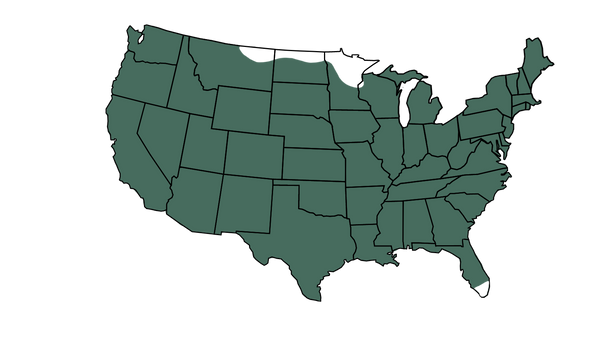
Where it grows in the groundShaded areas are the zones where it can be planted outdoors.


Size guide & what arrives
| *Trade size | **Pot size |
|---|---|
| 1 gallon | 6" |
| 3 gallon | 8 to 10" |
| 5 gallon | 10 to 12" |
| 7 gallon | 14" |
| 10 gallon | 15 to 17" |
| 15 gallon | 17" |
| "Jumbo" | 7 or 10 or 15 gallon |
*Nursery gallon sizes are trade sizes and do not equal standard liquid gallons.
**Pot sizes in inches refer to container width (diameter), not plant or pot height.
Please note: Sizing can differ between plant varieties and growers. Please chat with us if you need clarification.
For more information on sizing, please see our sizing guide.
What arrives
Regular deadheading and occasional pruning will help promote continuous blooming and maintain the plant's shape.
What customers are saying
Why customers love it

Healthy, well-rooted plants
Hand-selected and shipped in its nursery pot.

Delivered to your door
Skip the nursery trip. Very little car Tetris required.

Real plant experts
Ask us anything before or after planting.

1-year guarantee
If something goes wrong, we'll help make it right.
Care made simple
Plant it right once and it does the rest.
Pick the spot before you dig.
Water slowly and deeply. Check more often in its first summer.
Enter your ZIP above to check your zone.
Your first year together
- 1Day 1
Plant it, then water slowly until the whole root ball is soaked.
- 2First few weeks
Keep the soil evenly moist while new roots settle in.
- 3First summer
Water deeply during hot, dry spells.
- 4Next spring
New growth starts. Feed as it wakes up.
Planting instructions
Watering & sunlight
Care guide
Shipping & what's inside
Your plant ships in its nursery pot with the soil secured, packed so it stays steady on the way to you.
1-year guarantee
Every plant is covered by our 1-year guarantee. If something goes wrong, contact our team and we'll walk you through it.
 Answered by Simply Trees plant experts
How big does the White Drift Rose bush get?
Height: White Drift Rose bushes typically reach a height of about 1 to 2 feet at maturity. This compact growth habit makes them well-suited for use as ground covers, border edging, or as low-maintenance landscape plants.
Spread: In terms of spread, White Drift Roses can extend outward to cover an area of approximately 2 to 3 feet. Their spreading growth habit allows them to fill in garden beds, borders, or landscape areas with a dense carpet of foliage and blooms.
Spacing: When planting White Drift Roses, it's important to space them appropriately to allow for their spreading growth habit. Space multiple plants about 2 to 3 feet apart to ensure adequate air circulation and room for expansion.
Pruning Influence: Regular pruning, typically done in late winter or early spring, can help manage the size and shape of White Drift Rose bushes. Pruning encourages bushier growth and stimulates the development of new flowering stems, leading to a more compact and floriferous plant.
Overall, White Drift Roses are prized for their compact size, prolific blooming, and low-maintenance nature, making them ideal choices for small gardens, containers, or as accents in landscape designs. With proper care and maintenance, you can enjoy a beautiful display of white blooms and healthy foliage from your White Drift Rose bush throughout the growing season.
How fast does the White Drift Rose bush grow?
Where is the best place to plant my White Drift Rose bush?
Sunlight: Choose a site that receives at least 6-8 hours of direct sunlight daily. White Drift Roses thrive in full sun conditions, which promote robust growth and abundant flowering. Avoid planting them in shaded areas where they may not receive adequate sunlight, as this can lead to leggy growth and reduced blooming.
Soil Drainage: Ensure the planting site has well-draining soil to prevent waterlogged conditions, which can cause root rot and other moisture-related problems. White Drift Roses prefer slightly acidic to neutral soil with good drainage. Amending heavy clay soil with organic matter, such as compost or peat moss, can improve drainage and soil structure.
Air Circulation: Choose a location that allows for good air circulation around the rose bush. Adequate airflow helps reduce the risk of foliar diseases, such as powdery mildew and black spot, by promoting faster drying of foliage after rainfall or irrigation.
Space: White Drift Roses have a spreading growth habit, so provide enough space for them to grow and spread without overcrowding other plants. Space multiple plants about 2 to 3 feet apart to allow for adequate air circulation and room for expansion.
Accessibility: Consider planting your White Drift Rose bush in a location where you can easily access it for watering, pruning, and maintenance tasks. Avoid planting them too close to pathways or structures where they may obstruct passage or interfere with other garden elements.
Aesthetics: Take into account the overall design and aesthetics of your landscape when choosing a planting location for your White Drift Rose. Consider how the white blooms will complement other plants and garden features, and position the rose bush accordingly to enhance the visual appeal of your garden.
By considering these factors and selecting a suitable planting location, you can ensure that your White Drift Rose bush thrives and produces abundant blooms for years to come.
Do White Drift Roses come back every year?
Here are some key factors to ensure the long-term success and perennial nature of White Drift Roses:
Winter Hardiness: Ensure that your White Drift Roses are planted in a suitable climate zone for their winter hardiness. These roses are generally hardy in USDA zones 4-11, but specific cultivars may have different cold tolerance levels. Providing adequate winter protection, such as mulching and windbreaks, can help the plants survive harsh winter conditions.
Proper Pruning: Regular pruning, typically done in late winter or early spring, helps maintain the health and shape of White Drift Roses. Removing dead or diseased branches, as well as shaping the plant, encourages new growth and blooming in the upcoming season.
Watering and Fertilizing: Consistent watering and proper fertilization throughout the growing season support the overall health and vigor of White Drift Roses. Deep watering during dry spells and regular feeding with a balanced fertilizer promote strong root development and abundant blooming.
Disease and Pest Management: Monitoring for pests and diseases and addressing any issues promptly can prevent damage and stress to the plants, ensuring their longevity and ability to return year after year.
Renewal Pruning: Every few years, consider performing renewal pruning on older White Drift Rose bushes to rejuvenate them and encourage vigorous growth. This involves cutting back the plant more severely to stimulate fresh growth from the base.
By providing proper care, protection, and maintenance, White Drift Roses can establish themselves as reliable perennial performers in your garden, delighting you with their beautiful blooms year after year.
How often does the White Drift Rose bush bloom?
These roses have been specifically bred to exhibit exceptional flowering characteristics, with a high bud count and a long blooming period. While the exact frequency of blooming may vary depending on factors such as climate, soil conditions, and maintenance practices, White Drift Roses are renowned for their ability to bloom profusely and consistently.
In most regions, you can expect White Drift Roses to bloom every 4 to 6 weeks throughout the growing season, with individual blooms lasting for several days to a week before fading and being replaced by new flowers. Regular deadheading (removing spent blooms) can help encourage continuous blooming and prolong the flowering period.
Overall, White Drift Roses are prized for their ability to provide a stunning display of white flowers from spring to fall, making them a popular choice for gardeners seeking low-maintenance, yet beautiful, landscape plants.
How do I care for the White Drift Rose bush?
Planting Location: Choose a site that receives at least 6-8 hours of direct sunlight daily. Ensure the soil is well-draining and fertile, with a pH level around 6.0 to 6.5. Space multiple plants about 2 to 3 feet apart to allow for adequate air circulation and room for spreading.
Watering: Water newly planted White Drift Roses regularly to help establish their root systems. Once established, water deeply but infrequently, allowing the soil to dry out slightly between waterings. Avoid overhead watering, as it can increase the risk of foliar diseases. Water at the base of the plant to keep the foliage dry.
Fertilizing: Feed White Drift Roses with a balanced, slow-release fertilizer in early spring, just as new growth begins. Follow the manufacturer's instructions for application rates. Repeat the feeding every 6-8 weeks throughout the growing season to promote continuous blooming and healthy growth.
Pruning: Prune White Drift Roses in late winter or early spring, just before new growth emerges. Remove any dead, diseased, or damaged branches, as well as any crossing or crowded stems. Cut back the remaining stems to maintain the desired shape and size, typically to about 12 to 18 inches above the ground.
Mulching: Apply a layer of organic mulch, such as shredded bark or compost, around the base of the rose bush. Mulch helps conserve soil moisture, suppresses weed growth, and insulates the roots from temperature fluctuations. Aim for a thickness of 2 to 4 inches, but keep the mulch away from direct contact with the stems to prevent rot.
Disease and Pest Control: Monitor your White Drift Roses regularly for signs of pests or diseases, such as aphids, mites, or powdery mildew. Treat any issues promptly with appropriate organic or chemical controls to prevent them from spreading to other plants.
Winter Protection: While White Drift Roses are generally hardy, providing some winter protection can help them withstand harsh weather conditions. Apply a layer of mulch around the base of the plant and consider wrapping the bush with burlap if extreme cold is expected.
By following these care guidelines, you can enjoy a profusion of beautiful white blooms and healthy foliage from your White Drift Rose bush throughout the growing season.
Do Drift Roses spread?
The spreading nature of Drift Roses makes them ideal for ground cover purposes, as they can quickly fill in empty spaces in garden beds, borders, or landscape areas. Their compact size and prolific blooming also make them well-suited for use in containers, hanging baskets, or cascading over retaining walls.
It's important to note that while Drift Roses do spread, they are not considered invasive plants. Their spreading habit is controlled and manageable, and they typically do not overtake other plants or become overly aggressive in their growth. With proper pruning and maintenance, you can contain their spread and shape them to fit your desired landscape design.
Why are my White Drift Roses turning pink?
Genetic Variation: While the White Drift Roses are bred to produce predominantly white blooms, genetic variation can sometimes result in unexpected color changes. It's possible for certain environmental factors or genetic traits to cause the flowers to develop shades of pink instead of remaining pure white.
Sunlight Exposure: Exposure to intense sunlight can cause white roses to develop pink or blush tones. This phenomenon, known as sun bleaching, occurs when the UV rays break down the pigments responsible for white coloration, leading to a gradual shift towards pink hues. If your roses are planted in a location with prolonged sun exposure, this could be contributing to the color change.
Nutrient Deficiency: Imbalances in soil nutrients, particularly nitrogen, can affect flower color in roses. A deficiency in certain nutrients or an excess of others can alter the pH levels of the soil, which in turn may impact the availability of pigments responsible for flower coloration. Ensuring that your roses receive adequate nutrition through proper fertilization can help maintain the desired color.
Environmental Stress: Environmental factors such as temperature fluctuations, moisture levels, and humidity can stress the plants, potentially affecting flower color. Stress-induced changes in pigmentation pathways can lead to variations in bloom color, including the development of pink tones.
Viral Infections: Although less common, viral infections can sometimes cause changes in flower color. Certain viruses can interfere with the normal biochemical processes within the plant, resulting in altered pigmentation and color patterns.
To address the issue of White Drift Roses turning pink, consider evaluating the environmental conditions, soil health, and plant care practices in your garden. Providing optimal growing conditions, including adequate sunlight, proper nutrition, and disease prevention measures, can help maintain the desired flower color. If genetic variation is the primary cause, you may need to accept the natural color shifts or consider replacing the plants with varieties known for more stable coloration.
Should Drift Roses be cut back in the fall?
Removing Dead or Diseased Growth: Trimming back the roses in the fall allows you to remove any dead, diseased, or damaged branches before winter sets in. This helps prevent the spread of diseases and encourages new, healthy growth in the following season.
Encouraging Dormancy: Pruning in the fall signals to the rose bushes that it's time to enter dormancy. This natural resting period allows the plants to conserve energy and prepare for the cold winter months ahead.
Promoting Spring Growth: Cutting back the roses in the fall stimulates new growth buds to form along the branches. When spring arrives, these buds will develop into healthy shoots, leading to a more robust and floriferous display of blooms.
Managing Size and Shape: Fall pruning gives you an opportunity to shape the rose bushes and control their size. Trimming them back to a manageable height and shape ensures that they fit well within your garden space and maintain an attractive appearance.
When pruning Drift Roses in the fall, aim to cut back the stems to about 12 to 18 inches above the ground. This encourages compact growth and abundant flowering in the upcoming season. Remember to use clean, sharp pruning tools to make precise cuts and minimize damage to the plants.
How do you winterize Drift Roses?
Pruning: Trim back any dead or damaged branches in late fall, after the last bloom of the season. Cut back the stems to about 12 to 18 inches above the ground to encourage healthy regrowth in the spring.
Mulching: Apply a layer of organic mulch, such as shredded bark or compost, around the base of the rose plant. This helps to insulate the soil, regulate temperature, and retain moisture during the winter months. Aim for a thickness of 2 to 4 inches.
Watering: Ensure the roses are adequately hydrated before the ground freezes. Deeply water the plants to help them establish strong root systems and withstand winter stress.
Protecting Roots: For added protection, mound soil or mulch around the base of the rose bush to cover the graft union (the area where the rose is grafted onto the rootstock). This shields the sensitive area from freezing temperatures.
Wind Protection: If your area experiences strong winds during winter, consider erecting a windbreak or wrapping the rose bushes with burlap to shield them from harsh gusts.
Pest and Disease Control: Before winter sets in, inspect the roses for any signs of pests or diseases. Treat any issues accordingly to prevent them from worsening during the dormant season.
Snow Accumulation: If heavy snowfall is expected, gently brush off excess snow from the rose bushes to prevent branches from bending or breaking under the weight.
By following these winterization practices, you can help your Drift Roses survive the cold winter months and thrive when spring arrives. Remember to monitor the plants periodically during winter and make adjustments as needed to ensure their health and vigor.