


White Dogwood
Zones 5-9
Buy more, save more
Save up to $1,000 on your whole cart.
Discounts don't stack. At checkout you automatically get whichever saves you more.
See all savings tiers
Your code will auto-apply at checkout.
From our farm to your front door
- Shipped in its nursery pot, so the roots stay undisturbed
- Soil secured so it stays put in transit
- Packed so the plant stays steady on the way to you
At a glance
- Leaves
- Deciduous: drops its leaves in fall and regrows them in spring
- Sunlight
- Partial Shade
- Water
- When the top 2" of soil is dry
- Growth & size
- Moderate growth rate of 1-2 ft annually; typically reaches a mature height and width of 15-30 ft.
- Botanical name
- Cornus Florida
- Hardiness
- Zones 5-9
- Tolerates
- Cold hardyHumidity tolerantHeat tolerant
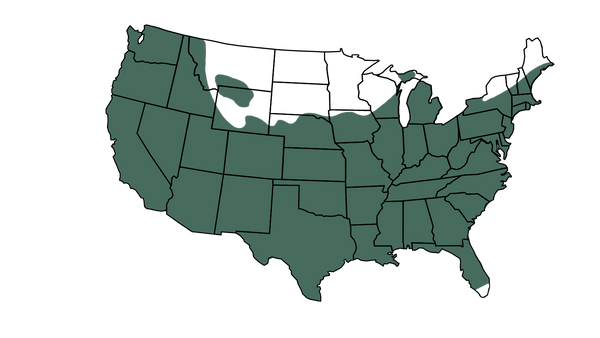
Where it grows in the groundShaded areas are the zones where it can be planted outdoors.


Size guide & what arrives
| *Trade size | **Pot size |
|---|---|
| 1 gallon | 6" |
| 3 gallon | 8 to 10" |
| 5 gallon | 10 to 12" |
| 7 gallon | 14" |
| 10 gallon | 15 to 17" |
| 15 gallon | 17" |
| "Jumbo" | 7 or 10 or 15 gallon |
*Nursery gallon sizes are trade sizes and do not equal standard liquid gallons.
**Pot sizes in inches refer to container width (diameter), not plant or pot height.
Please note: Sizing can differ between plant varieties and growers. Please chat with us if you need clarification.
For more information on sizing, please see our sizing guide.
What arrives
White Dogwood may need protection from strong winds and harsh sun exposure to maintain its best appearance.
What customers are saying
Why customers love it

Healthy, well-rooted plants
Hand-selected and shipped in its nursery pot.
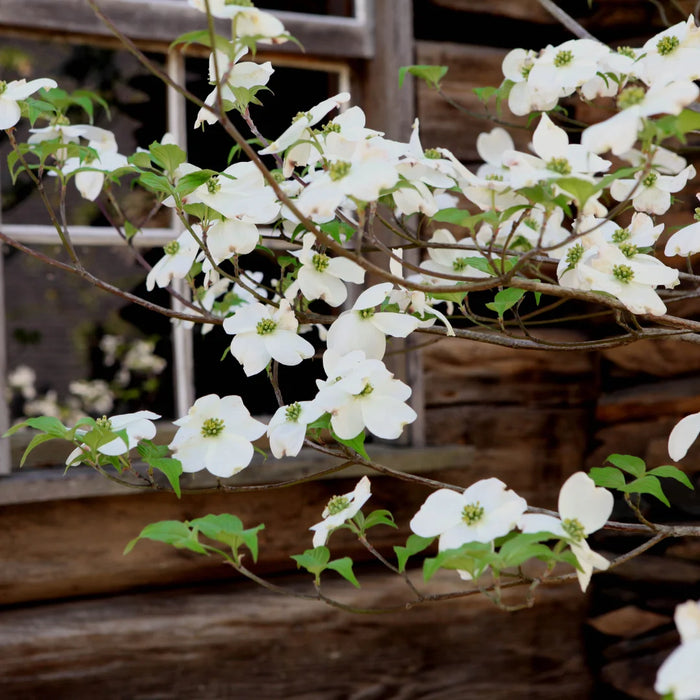
Delivered to your door
Skip the nursery trip. Very little car Tetris required.
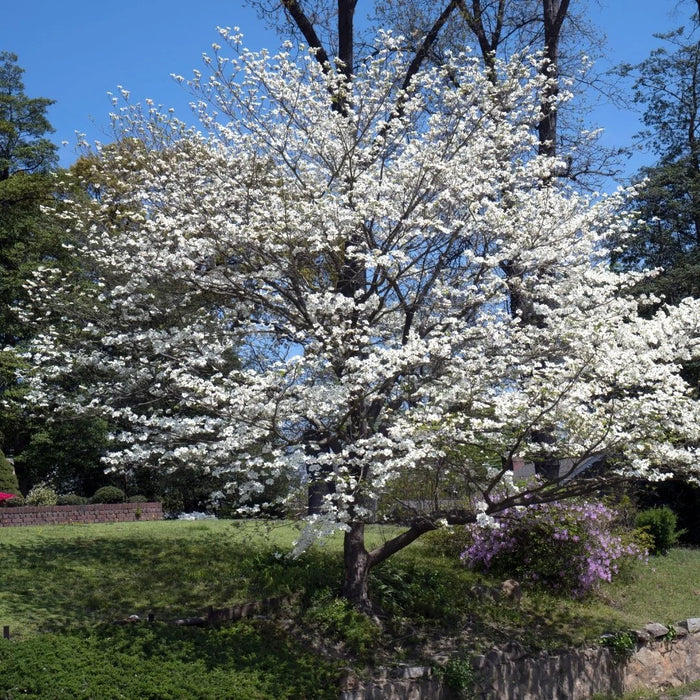
Real plant experts
Ask us anything before or after planting.

1-year guarantee
If something goes wrong, we'll help make it right.
Care made simple
Plant it right once and it does the rest.
Pick the spot before you dig.
Water slowly and deeply. Check more often in its first summer.
Enter your ZIP above to check your zone.
Your first year together
- 1Day 1
Plant it, then water slowly until the whole root ball is soaked.
- 2First few weeks
Keep the soil evenly moist while new roots settle in.
- 3First summer
Water deeply during hot, dry spells.
- 4Next spring
New growth starts. Feed as it wakes up.
Planting instructions
Watering & sunlight
Use a slow-running hose, soaker hose, or drip system to water the root ball and surrounding root zone thoroughly. Allow the water to penetrate deeply (not just wet the top few inches of soil), and avoid frequent, shallow watering. Before watering again, check the soil 3–4 inches deep near the root ball. If it feels dry, repeat this deep-watering process. If it feels moist or soggy, wait and check again in 1–2 days. Check the soil of newly planted trees and shrubs several times per week, especially during hot, dry, or windy weather. Irrigation run times will vary based on flow rate, soil, and system setup.
Need help? Contact our plant experts for watering guidance tailored to your plant and growing conditions.
White Dogwood grows best in full sun to partial shade, ideally receiving 4–6 hours of direct sunlight per day. In hotter climates, some afternoon shade can help protect the foliage from heat stress and leaf scorch.
Care guide
Shipping & what's inside
Your plant ships in its nursery pot with the soil secured, packed so it stays steady on the way to you.
1-year guarantee
Every plant is covered by our 1-year guarantee. If something goes wrong, contact our team and we'll walk you through it.
 Answered by Simply Trees plant experts
How big do White Dogwood trees get?
Where is the best place to plant White Dogwood?
Light: White Dogwoods thrive in areas with partial shade to full sun. They do well with morning sunlight and afternoon shade, especially in hotter climates.
Soil: These trees prefer well-draining, acidic to neutral soil. The soil should be rich in organic matter. Avoid areas where water tends to accumulate, as poor drainage can lead to root rot.
Space: Ensure there is enough space for the tree to grow to its full size, both in height and width. White Dogwoods can reach up to 30 feet in both height and spread.
Protection: Planting near taller trees can provide some protection from harsh conditions, like strong winds or intense afternoon sun.
Visual Appeal: Consider the visual impact of the tree's beautiful spring flowers, and plant it where it can be easily seen and enjoyed, such as near a patio, along a driveway, or as a focal point in your yard.
By choosing a location that meets these conditions, your White Dogwood should thrive and become a beautiful addition to your landscape.
How long does it take a White Dogwood to bloom?
It's important to note that the exact timing of blooming can vary based on factors like geographic location, weather patterns in a particular year, and the specific growing conditions the tree is in, such as soil quality and amount of sunlight. Once established and mature, White Dogwoods are known for their beautiful and showy blooms each spring.
Do you need two Dogwood trees to bloom?
Do Dogwoods have invasive roots?
Why are my White Dogwood flowers turning pink?
Natural Variation: Some varieties of Cornus Kousa have flowers that change color as they age, transitioning from white to a pinkish hue. This is a normal characteristic of certain cultivars.
Sun Exposure: Increased sun exposure can sometimes cause the flowers to develop a pink tint. The intensity of sunlight, especially during the late stages of bloom, can affect the pigmentation in the flowers.
Soil pH: While less common in Dogwoods compared to some other flowering plants, soil pH can sometimes influence flower color. However, this is more typically seen in plants like hydrangeas.
Stress Factors: Environmental stress, such as extreme temperatures or water stress, may also cause slight color changes in some plants, though this is less likely with Dogwoods.
If your White Dogwood's flowers are turning pink and it's not due to the natural aging process of the blooms, consider the plant's current growing conditions. Ensure it's receiving adequate water and is not exposed to excessive heat or direct, intense sunlight. However, in most cases, a slight color change in Dogwood flowers is a normal and natural occurrence.
What does an overwatered Dogwood look like?
Yellowing Leaves: One of the first signs of overwatering is the leaves turning yellow. While a few yellow leaves are normal, a sudden increase or yellowing of younger leaves suggests a problem.
Wilting: Oddly enough, overwatered Dogwoods may have leaves that wilt and look droopy, similar to the symptoms of underwatering. This is because the roots are damaged and cannot absorb water and nutrients effectively.
Edema: Excess water can cause the roots to take up more water than the leaves can transpire, leading to blisters or lesions on the leaves, a condition known as edema.
Root Rot: Prolonged overwatering can lead to root rot, which is a serious condition. You might notice a foul smell from the soil, and if you check the roots, they may be brown or black and mushy instead of firm and white.
Leaf Drop: Excessive and premature leaf drop can occur if the tree is overwatered.
Stunted Growth or Flowering: Overwatering can also affect the tree's overall health, leading to stunted growth and reduced flowering.
To prevent overwatering, ensure the White Dogwood is planted in well-draining soil, and adjust your watering schedule according to the season and weather conditions. Water only when the top inch of soil feels dry to the touch.
Why is my White Dogwood not blooming?
Age of the Tree: Young Dogwood trees, especially those less than 4-6 years old, may not bloom. Trees typically start flowering when they reach a certain level of maturity.
Light Exposure: Dogwoods need sufficient light to bloom well. If your tree is in too much shade, it may not produce flowers. They generally prefer a location with partial sun or filtered light.
Improper Pruning: If the tree has been pruned at the wrong time, it could affect blooming. Pruning should be done after the tree flowers, as pruning in late fall or winter can remove the upcoming season's flower buds.
Water Stress: Both overwatering and underwatering can stress the tree and affect its ability to bloom.
Nutrient Deficiency: Lack of essential nutrients, especially phosphorus, can impact flowering. Over-fertilization, especially with high nitrogen fertilizers, can lead to lush green growth at the expense of blooms.
Health Issues: Disease or pest infestations can also stress the tree and hinder its blooming.
Environmental Factors: Unusual weather patterns, like a late frost, can damage the flower buds.
To encourage blooming, ensure your Dogwood is planted in an appropriate location with suitable light, water it adequately, fertilize appropriately, and avoid improper pruning. As the tree matures and if the growing conditions are optimized, it should begin to bloom.
When is the best time to plant the White Dogwood?
Fall Planting: In the fall, the soil is still warm from the summer, which encourages root growth. The cooler temperatures also mean less stress on the tree and reduced water needs.
Early Spring Planting: Planting in early spring, after the last frost but before the heat of summer sets in, allows the tree to establish its roots before the growing season begins.
These timings allow the White Dogwood to establish its root system in more moderate temperatures, setting a strong foundation for growth and health in the upcoming seasons. It's important to ensure that the tree is well-watered and mulched properly after planting to support its development.
How much water does a White Dogwood need?
Watering Newly Planted Trees: For the first season after planting, water your White Dogwood regularly to help establish its root system. This might mean watering once or twice a week, depending on weather conditions and soil moisture.
Established Trees: Once established, White Dogwoods are relatively drought-tolerant but benefit from occasional deep watering during prolonged dry periods. This could be every two to three weeks, depending on rainfall and soil conditions.
Checking Soil Moisture: The best way to determine if your tree needs water is to check the soil moisture. The soil should be moist but not waterlogged. If the top 2-3 inches of soil are dry, it's time to water.
Avoid Overwatering: It’s important not to overwater, as White Dogwoods are susceptible to root rot in waterlogged soils.
Seasonal Adjustments: Reduce the frequency of watering in the fall and winter when the tree is dormant.
By following these guidelines, you can ensure your White Dogwood receives the right amount of water to stay healthy and thrive.