


Weeping Willow Tree
Zones 6-8
Buy more, save more
Save up to $1,000 on your whole cart.
Discounts don't stack. At checkout you automatically get whichever saves you more.
See all savings tiers
Your code will auto-apply at checkout.
From our farm to your front door
- Shipped in its nursery pot, so the roots stay undisturbed
- Soil secured so it stays put in transit
- Packed so the plant stays steady on the way to you
At a glance
- Leaves
- Deciduous: drops its leaves in fall and regrows them in spring
- Sunlight
- Full Sun, Partial Sun, Partial Shade
- Water
- When the top 1" of soil is dry
- Growth & size
- Fast growth rate; can reach 30-50 feet in height and 30-40 feet in width.
- Botanical name
- Salix babylonica
- Hardiness
- Zones 6-8
- Tolerates
- Heat tolerantCold hardyHumidity tolerantWind tolerant
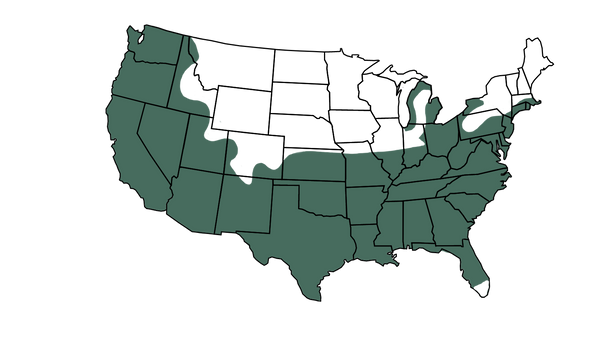
Where it grows in the groundShaded areas are the zones where it can be planted outdoors.


Size guide & what arrives
| *Trade size | **Pot size |
|---|---|
| 1 gallon | 6" |
| 3 gallon | 8 to 10" |
| 5 gallon | 10 to 12" |
| 7 gallon | 14" |
| 10 gallon | 15 to 17" |
| 15 gallon | 17" |
| "Jumbo" | 7 or 10 or 15 gallon |
*Nursery gallon sizes are trade sizes and do not equal standard liquid gallons.
**Pot sizes in inches refer to container width (diameter), not plant or pot height.
Please note: Sizing can differ between plant varieties and growers. Please chat with us if you need clarification.
For more information on sizing, please see our sizing guide.
What arrives
Weeping Willow Trees have broad root systems that may reach nearby water sources. It’s helpful to consider their placement to ensure they fit well with your garden's layout.
What customers are saying
Why customers love it

Healthy, well-rooted plants
Hand-selected and shipped in its nursery pot.

Delivered to your door
Skip the nursery trip. Very little car Tetris required.

Real plant experts
Ask us anything before or after planting.

1-year guarantee
If something goes wrong, we'll help make it right.
Care made simple
Plant it right once and it does the rest.
Pick the spot before you dig.
Water slowly and deeply. Check more often in its first summer.
Enter your ZIP above to check your zone.
Your first year together
- 1Day 1
Plant it, then water slowly until the whole root ball is soaked.
- 2First few weeks
Keep the soil evenly moist while new roots settle in.
- 3First summer
Water deeply during hot, dry spells.
- 4Next spring
New growth starts. Feed as it wakes up.
Planting instructions
Watering & sunlight
Use a slow-running hose, soaker hose, or drip system to water the root ball and surrounding root zone thoroughly. Allow the water to penetrate deeply (not just wet the top few inches of soil), and avoid frequent, shallow watering.
Before watering again, check the soil 3–4 inches deep near the root ball. If it feels dry, repeat this deep-watering process. If it feels moist or soggy, wait and check again in 1–2 days. Check the soil of newly planted trees and shrubs several times per week, especially during hot, dry, or windy weather.
Irrigation run times will vary based on flow rate, soil, and system setup.
Need help? Contact our plant experts for watering guidance tailored to your plant and growing conditions.
Weeping Willow Tree does best in full sun, where it will grow most vigorously and produce the densest foliage, but can also adapt to partial shade.
Care guide
Shipping & what's inside
Your plant ships in its nursery pot with the soil secured, packed so it stays steady on the way to you.
1-year guarantee
Every plant is covered by our 1-year guarantee. If something goes wrong, contact our team and we'll walk you through it.
 Answered by Simply Trees plant experts
How big does the Weeping Willow tree get?
Height: Weeping Willow trees can grow to towering heights, typically ranging from 30 to 50 feet tall or more. In optimal growing conditions with abundant moisture and sunlight, some specimens may even exceed 60 feet in height. The tree's weeping branches contribute to its overall height, creating a striking visual effect.
Spread: In addition to their considerable height, Weeping Willow trees have a broad, spreading canopy that can extend equally far or even wider than their height. The canopy of a mature Weeping Willow tree may span anywhere from 30 to 40 feet or more, providing ample shade and creating a distinctive silhouette in the landscape.
Root System: Below ground, Weeping Willow trees develop a vigorous root system that can extend far beyond the tree's canopy. The roots of a mature Weeping Willow may spread extensively, helping to anchor the tree and provide stability while also seeking out sources of moisture and nutrients.
Overall Size: Considering both its height and spread, a mature Weeping Willow tree can occupy a significant amount of space in the landscape. When planting a Weeping Willow, it's essential to provide ample room for the tree to grow and develop without overcrowding other plants or structures.
Due to their large size and vigorous growth habit, Weeping Willow trees are best suited for spacious landscapes such as parks, large estates, or properties with ample open space. Proper siting and regular maintenance, including pruning to manage size and shape, can help ensure the health and beauty of a mature Weeping Willow tree for years to come.
How fast does the Weeping Willow tree grow?
Where is the best place to plant the Weeping Willow tree?
Moist Soil: Weeping Willow trees prefer moist to wet soil conditions and are commonly found growing naturally near water sources such as rivers, lakes, ponds, and streams. Plant the tree in an area where the soil remains consistently moist but well-draining. Avoid planting in dry or compacted soil, as this can hinder root development and growth.
Sunlight: Weeping Willow trees require plenty of sunlight to thrive and should be planted in a location that receives full sun exposure for at least 6 to 8 hours per day. Choose a site with ample sunlight to promote healthy growth, foliage development, and overall vigor.
Space: Weeping Willow trees are large, spreading trees with cascading branches that can extend outward significantly. Plant the tree in a spacious area where it has room to grow and develop its characteristic weeping form without overcrowding other plants or structures. Ensure there is sufficient clearance from buildings, utility lines, and other obstacles.
Proximity to Water: While not strictly necessary, planting a Weeping Willow tree near a water source can provide additional moisture and create an ideal environment for the tree's growth. Consider planting near ponds, lakes, or streams to replicate the tree's natural habitat and enhance its overall health and vigor.
Aesthetics: Weeping Willow trees are prized for their graceful, pendulous branches and picturesque appearance. Plant the tree in a location where it can be appreciated as a focal point in the landscape, such as near a water feature, along a property boundary, or in a spacious backyard.
Accessibility: Consider accessibility when choosing a planting site for a Weeping Willow tree. Ensure the location is easily accessible for planting, watering, and maintenance tasks, such as pruning or mulching.
By carefully selecting a planting site that meets the specific needs of a Weeping Willow tree, you can help ensure its successful establishment and long-term growth, creating a beautiful and thriving landscape feature for years to come.
How far should I plant the Weeping Willow tree from my house?
Mature Size: Weeping Willow trees have a broad, spreading canopy and can reach heights of up to 50 feet or more with a similar spread. When selecting a planting location, choose a spot that allows sufficient room for the tree's mature size without overcrowding or encroaching on nearby structures.
Root Spread: Weeping Willow trees have vigorous root systems that can extend outward in search of moisture and nutrients. While their roots are not typically invasive in the sense of damaging foundations or underground pipes, they may seek out sources of water, potentially causing issues if planted too close to water lines or septic systems.
Overhang: Consider the overhang of the Weeping Willow's canopy when planting near your house. Branches may droop or trail towards nearby structures, so ensure there is enough clearance to prevent contact with eaves, gutters, or roofs. Prune branches regularly to maintain a safe distance from the house and prevent potential damage.
Safe Distance: As a general rule of thumb, plant Weeping Willow trees at least 50 feet away from your house to provide ample space for their mature size and root spread. This distance helps minimize the risk of root intrusion, structural damage, or obstruction caused by overhanging branches.
Utility Lines: Take into account the location of underground utilities, such as water lines, sewer lines, and electrical cables, when selecting a planting site. Avoid planting Weeping Willow trees near utility lines to prevent potential interference or damage from roots.
By planting your Weeping Willow tree at a safe distance from your house and considering its mature size, root spread, and canopy overhang, you can enjoy the beauty of the tree while minimizing potential risks to your property and infrastructure.
How often should I water my Weeping Willow tree?
Establishment Period: During the first couple of years after planting, Weeping Willow trees require consistent moisture to establish a strong root system. Water deeply and regularly, especially during dry spells or hot weather, to ensure the soil remains consistently moist but not waterlogged. Aim to provide about 1 to 2 inches of water per week, either through rainfall or supplemental irrigation.
Soil Conditions: Weeping Willow trees prefer moist to wet soil conditions, so it's essential to monitor soil moisture levels regularly. Check the soil moisture by inserting your finger into the soil near the tree's root zone. If the soil feels dry to a depth of about 2 to 3 inches, it's time to water. Avoid letting the soil dry out completely between watering sessions, as this can stress the tree and affect its growth.
Weather Conditions: Adjust your watering schedule based on prevailing weather conditions. During periods of hot, dry weather, the tree may require more frequent watering to compensate for increased evaporation rates. Conversely, reduce watering during cooler, rainy periods to prevent waterlogging and root rot.
Watering Technique: When watering your Weeping Willow tree, apply water slowly and deeply to ensure thorough penetration into the root zone. Use a soaker hose or drip irrigation system to deliver water directly to the base of the tree, allowing it to soak into the soil gradually. Avoid overhead watering, as this can promote fungal diseases and water wastage.
Mulching: Apply a layer of organic mulch, such as wood chips or shredded bark, around the base of the tree to help retain soil moisture and regulate soil temperature. Mulching also helps suppress weeds and reduces water evaporation from the soil surface, allowing the tree's roots to access moisture more efficiently.
By monitoring soil moisture levels, adjusting your watering schedule as needed, and providing consistent moisture during the Weeping Willow's establishment phase, you can help ensure the tree's health and vitality for years to come.
Do Weeping Willow trees have invasive roots?
Water-seeking Roots: Weeping Willow trees have a strong affinity for water and will extend their roots toward moisture sources such as rivers, lakes, ponds, and underground water pipes. In landscapes with limited space or where water lines are present, the roots may infiltrate drainage systems or disrupt underground utilities.
Surface Roots: The surface roots of Weeping Willow trees can be extensive and may protrude above the ground, creating uneven terrain and potential tripping hazards. These surface roots can also compete with turf grass or other plants for water and nutrients, leading to challenges in lawn maintenance.
Potential for Damage: While Weeping Willow roots are not typically aggressive or destructive, they have the potential to cause damage to sidewalks, driveways, and other hardscapes if planted too close to these structures. Additionally, their extensive root systems may seek out moisture sources in septic systems or sewer lines, leading to blockages or damage over time.
To minimize potential issues associated with Weeping Willow roots, consider the following strategies:
- Plant Weeping Willow trees at a safe distance from structures, utilities, and underground infrastructure to prevent root interference.
- Provide adequate space for the tree to spread its roots without causing crowding or competition with other plants.
- Regularly monitor the tree's growth and root development, especially in areas with sensitive infrastructure or limited space.
- Consider installing root barriers or underground barriers to redirect root growth away from vulnerable areas.
- Select suitable planting sites with well-draining soil and ample space for the tree's mature size, taking into account its root spread.
Overall, while Weeping Willow trees have vigorous root systems, proactive planning and proper maintenance can help mitigate potential issues and ensure harmonious coexistence in the landscape.
How do you plant a Weeping Willow tree?
Choose the Right Location:
- Select a planting site that receives full sunlight for at least 6 to 8 hours per day.
- Ensure the location has moist to wet soil conditions, as Weeping Willow trees prefer soil that is consistently moist but well-draining.
- Consider proximity to water sources such as ponds, lakes, or streams, as Weeping Willows naturally thrive in moist environments.
Prepare the Planting Hole:
- Dig a planting hole that is two to three times wider than the tree's root ball and of similar depth.
- Break up any compacted soil in the planting area to encourage root growth.
- Incorporate organic matter such as compost or aged manure into the backfill soil to improve soil fertility and drainage.
Plant the Tree:
- Gently remove the Weeping Willow tree from its container or burlap wrapping, taking care not to disturb the roots excessively.
- Place the tree in the center of the planting hole, ensuring that the top of the root ball is level with the surrounding soil surface.
- Backfill the hole with the amended soil, gently firming it around the roots to eliminate air pockets.
- Water the tree thoroughly after planting to settle the soil and provide moisture to the roots.
Provide Adequate Watering:
- Keep the soil consistently moist, especially during the tree's establishment period.
- Water the Weeping Willow deeply and regularly, ensuring that the root zone receives sufficient moisture.
- Monitor soil moisture levels and adjust watering frequency as needed, particularly during dry or hot periods.
Mulch and Maintain:
- Apply a layer of organic mulch, such as wood chips or shredded bark, around the base of the tree to help retain soil moisture and suppress weeds.
- Keep the area around the tree free of competing vegetation and debris that could hinder growth.
- Prune any damaged or crossing branches as needed to promote a strong, well-shaped canopy.
By following these planting guidelines and providing proper care and maintenance, you can help ensure the successful establishment and growth of your Weeping Willow tree, creating a beautiful and thriving landscape feature.
Where do Weeping Willow trees grow best?
Moist Soil: Weeping Willow trees prefer moist to wet soil conditions and are often found growing naturally near water sources such as riverbanks, lakeshores, ponds, and streams. They have a high tolerance for waterlogged soil and are well-suited to areas prone to occasional flooding or standing water.
Full Sunlight: Weeping Willow trees require plenty of sunlight to thrive, preferably in full sun exposure. Plant them in locations where they can receive at least 6 to 8 hours of direct sunlight each day to promote healthy growth and abundant foliage.
Space: Weeping Willow trees are large, spreading trees with cascading branches that can extend outward significantly. Plant them in spacious areas where they have room to grow and develop their characteristic weeping form without overcrowding other plants or structures.
Climate: Weeping Willow trees are adaptable to a wide range of climates but generally prefer temperate to subtropical regions. They can tolerate cold temperatures to a certain extent but may suffer damage in areas with severe winter frost. In warmer climates, they may grow more vigorously and retain their foliage year-round.
Proximity to Water: While not strictly necessary, Weeping Willow trees often perform best when planted near water sources. Their natural habitat along riverbanks and waterways provides them with ample moisture and creates an ideal environment for their growth. Planting them near ponds, lakes, or streams can help replicate these conditions and enhance their overall health and vigor.
Well-Draining Soil: Although Weeping Willow trees prefer moist soil, it's essential to ensure that the soil is well-draining to prevent waterlogging and root rot. Avoid planting them in heavy clay soils that retain water excessively, and amend the soil with organic matter to improve drainage if necessary.
By considering these factors and selecting a suitable planting location that meets the requirements of Weeping Willow trees, you can help ensure their success and create a beautiful and thriving landscape feature.
How long does it take for the Weeping Willow tree to mature?
Under optimal growing conditions, a Weeping Willow tree may begin to exhibit mature characteristics, such as its characteristic weeping form and full canopy, within 10 to 15 years of planting. However, it's important to note that maturity in trees is a gradual process, and even after reaching a certain size, a tree may continue to grow and develop over many years.
Factors such as proper watering, adequate sunlight, regular pruning, and fertilization can promote faster growth and help a Weeping Willow tree reach maturity more quickly. Additionally, selecting a healthy, well-established tree from a reputable nursery and providing it with proper care from the time of planting can contribute to its overall vigor and growth rate.
While Weeping Willow trees are relatively fast-growing, it's essential to be patient and allow the tree sufficient time to develop and establish a strong root system and canopy. With proper care and patience, a Weeping Willow tree can become a stunning focal point in the landscape, providing beauty, shade, and habitat for wildlife for many years to come.
What is the difference between a Willow tree and Weeping Willow tree?
Growth Habit:
Willow Tree: Standard Willow trees typically have an upright growth habit, with branches extending outward in a more horizontal fashion. Their foliage tends to be denser and more compact compared to Weeping Willows.
Weeping Willow Tree: Weeping Willow trees, on the other hand, have a weeping or pendulous growth habit, with long, cascading branches that droop gracefully towards the ground. Their slender, arching branches give them a distinctively elegant appearance.
Appearance:
Willow Tree: Willow trees often have broader, more rounded leaves and a fuller canopy compared to Weeping Willows. They may produce catkins (flowering structures) in the spring, typically before or alongside the emergence of new leaves.
Weeping Willow Tree: Weeping Willow trees are characterized by their slender, narrow leaves and long, trailing branches that create a curtain-like effect. Their branches may sway gently in the breeze, adding movement and visual interest to the landscape.
Uses:
Willow Tree: Standard Willow trees are often used for their ornamental value, shade, erosion control, and habitat for wildlife. Some species are also cultivated for their flexible branches, which can be used in crafts such as basket weaving.
Weeping Willow Tree: Weeping Willow trees are prized for their dramatic appearance and are commonly planted near water features, such as ponds, streams, or lakes, where their weeping branches can create a picturesque reflection in the water. They are also valued for their ability to stabilize riverbanks and prevent erosion.
Overall, while both Willow trees and Weeping Willow trees belong to the same genus and share some similarities, such as their preference for moist soil conditions, they differ significantly in their growth habit, appearance, and uses in landscaping.