


Tuscarora Crape Myrtle
Zones 6-11
Buy more, save more
Save up to $1,000 on your whole cart.
Discounts don't stack. At checkout you automatically get whichever saves you more.
See all savings tiers
Your code will auto-apply at checkout.
From our farm to your front door
- Shipped in its nursery pot, so the roots stay undisturbed
- Soil secured so it stays put in transit
- Packed so the plant stays steady on the way to you
At a glance
- Sunlight
- Full Sun
- Water
- When the top 2–3" of soil is dry
- Growth & size
- Fast growing; approximately 3 feet per year once established. Reaches a mature height and width of 15-25 ft.
- Botanical name
- Lagerstroemia indica 'Tuscarora'
- Hardiness
- Zones 6-11
- Tolerates
- Heat tolerantHumidity tolerantDrought tolerantWind tolerant
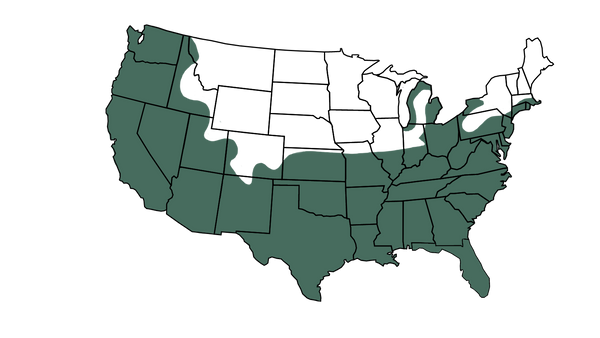
Where it grows in the groundShaded areas are the zones where it can be planted outdoors.


Size guide & what arrives
| *Trade size | **Pot size |
|---|---|
| 1 gallon | 6" |
| 3 gallon | 8 to 10" |
| 5 gallon | 10 to 12" |
| 7 gallon | 14" |
| 10 gallon | 15 to 17" |
| 15 gallon | 17" |
| "Jumbo" | 7 or 10 or 15 gallon |
*Nursery gallon sizes are trade sizes and do not equal standard liquid gallons.
**Pot sizes in inches refer to container width (diameter), not plant or pot height.
Please note: Sizing can differ between plant varieties and growers. Please chat with us if you need clarification.
For more information on sizing, please see our sizing guide.
What arrives
Tuscarora Crape Myrtle benefits from annual pruning to enhance its shape and promote abundant blooming.
What customers are saying
Why customers love it

Healthy, well-rooted plants
Hand-selected and shipped in its nursery pot.

Delivered to your door
Skip the nursery trip. Very little car Tetris required.

Real plant experts
Ask us anything before or after planting.

1-year guarantee
If something goes wrong, we'll help make it right.
Care made simple
Plant it right once and it does the rest.
Pick the spot before you dig.
Water slowly and deeply. Check more often in its first summer.
Enter your ZIP above to check your zone.
Your first year together
- 1Day 1
Plant it, then water slowly until the whole root ball is soaked.
- 2First few weeks
Keep the soil evenly moist while new roots settle in.
- 3First summer
Water deeply during hot, dry spells.
- 4Next spring
New growth starts. Feed as it wakes up.
Planting instructions
Watering & sunlight
Use a slow-running hose, soaker hose, or drip system to water the root ball and surrounding root zone thoroughly. Allow the water to penetrate deeply (not just wet the top few inches of soil), and avoid frequent, shallow watering.
Before watering again, check the soil 3–4 inches deep near the root ball. If it feels dry, repeat this deep-watering process. If it feels moist or soggy, wait and check again in 1–2 days. Check the soil of newly planted trees and shrubs several times per week, especially during hot, dry, or windy weather.
Irrigation run times will vary based on flow rate, soil, and system setup.
Need help? Contact our plant experts for watering guidance tailored to your plant and growing conditions.
Tuscarora Crape Myrtle thrives in full sun, requiring at least 6-8 hours of direct sunlight daily.
Care guide
Shipping & what's inside
Your plant ships in its nursery pot with the soil secured, packed so it stays steady on the way to you.
1-year guarantee
Every plant is covered by our 1-year guarantee. If something goes wrong, contact our team and we'll walk you through it.
 Answered by Simply Trees plant experts
How big does the Tuscarora Crape Myrtle get?
Mature Height: Tuscarora Crape Myrtles can reach a mature height of approximately 10 to 15 feet with a similar spread. However, their height can vary somewhat depending on local growing conditions and pruning practices.
Growth Rate: These crape myrtles have a moderate to fast growth rate. On average, they can grow anywhere from 1 to 2 feet in height per year under favorable conditions.
Time to Reach Maturity: It typically takes Tuscarora Crape Myrtles several years to reach their mature height and width. They will start producing significant blooms within the first few years after planting, but it may take 3 to 5 years or more for them to approach their full mature size, depending on factors such as soil quality, sunlight, and local climate.
Proper care, including regular watering, fertilization, and pruning, can help your Tuscarora Crape Myrtles reach their full potential in terms of size and beauty. Keep in mind that while they can be pruned to maintain a specific size and shape, allowing them to grow naturally can showcase their elegant vase-like form and maximize their bloom production.
What is the best time of year to plant crape myrtles?
How long does Tuscarora Crape Myrtle bloom?
How far apart should I plant the Tuscarora Crape Myrtle?
For a Hedge or Screen:
If you intend to create a crape myrtle hedge or screen, plant the Tuscarora Crape Myrtles approximately 5 to 8 feet apart, center to center. This spacing allows the plants to grow together and form a dense, continuous barrier.
For Individual Plants or Specimens:
If you are planting Tuscarora Crape Myrtles as individual specimens or focal points in your landscape, space them further apart, typically around 10 to 15 feet apart, center to center. This spacing provides each plant with adequate room to develop its natural shape and size.
Consider Mature Size:
Keep in mind the mature size of Tuscarora Crape Myrtles. They can reach a height of 10 to 15 feet with a similar width. Plan for their full dimensions when determining the spacing between plants.
Natural Growth Pattern:
Crape myrtles have a natural tendency to grow wider as they mature. Ensure that you leave enough space between plants to accommodate their mature width without overcrowding.
Soil and Maintenance:
Proper soil preparation, including amending the soil with organic matter, and regular maintenance, such as pruning and thinning, can influence the spacing requirements.
Design Aesthetics:
The spacing between Tuscarora Crape Myrtles can also be influenced by your aesthetic preferences and the overall look you want to achieve in your landscape.
Spacing can vary based on your specific conditions and design preferences, but providing sufficient space for the mature size of the plants is essential to avoid overcrowding and competition for resources. Proper care, including regular pruning to maintain shape and size, will help your Tuscarora Crape Myrtles thrive and create a visually appealing garden display.
How many years does it take for crape myrtles to bloom?
Age at Planting: If you start with larger, more mature crape myrtle plants, they may bloom sooner than smaller, younger plants.
Growing Conditions: Proper care and favorable growing conditions, including well-draining soil, adequate sunlight, and sufficient moisture, can encourage earlier blooming.
Pruning: Pruning practices can affect when crape myrtles bloom. Some gardeners choose to prune crape myrtles to shape them or control their size, which can delay flowering. On the other hand, allowing the plants to grow naturally can lead to earlier blooms.
Variety: Different crape myrtle varieties have varying bloom times. Some may bloom earlier than others.
Climate: Local climate conditions can also influence bloom time. Crape myrtles in warmer climates with longer growing seasons may bloom earlier than those in cooler regions.
Fertilization: Proper fertilization can promote healthy growth and earlier blooming. Use a balanced fertilizer specifically formulated for flowering shrubs and trees.
While it may take a couple of years for crape myrtles to start blooming, the wait is often worth it as these plants produce stunning, long-lasting flower clusters in a wide range of colors. Once they begin blooming, they can continue to do so for several months, adding beauty to your landscape throughout the growing season.
Where is the best place to plant Tuscarora Crape Myrtles?
Full Sun to Partial Shade:
Tuscarora Crape Myrtles thrive in locations with full sun to partial shade. They perform best when they receive at least 6 to 8 hours of direct sunlight each day. In hotter climates, some afternoon shade can be beneficial to protect them from scorching sun.
Well-Draining Soil:
Plant Tuscarora Crape Myrtles in well-draining soil. They are adaptable to various soil types but prefer slightly acidic to neutral soil with good drainage. Amending the soil with organic matter can improve drainage and fertility.
Adequate Air Circulation:
Provide adequate air circulation around the plants to help prevent fungal diseases. Avoid planting them in crowded or congested areas.
Protection from Strong Winds:
While Tuscarora Crape Myrtles are relatively wind-tolerant, they may benefit from some protection from strong winds, especially in exposed locations.
Space for Mature Growth:
Consider the mature size of Tuscarora Crape Myrtles, which can reach a height of 10 to 15 feet with a similar spread. Ensure that you plant them with enough space to accommodate their full growth without overcrowding.
Proximity to Structures:
Avoid planting Tuscarora Crape Myrtles too close to buildings, foundations, walkways, or driveways to prevent interference with structures or the need for frequent pruning.
Mulching:
Apply a layer of organic mulch, such as pine straw or wood chips, around the base of the plants. Mulch helps conserve soil moisture, regulate soil temperature, and reduce weed competition.
Regular Watering:
Provide consistent moisture, especially during the first growing season when the plants are establishing their root systems. Once established, they are moderately drought-tolerant but still benefit from regular watering.
Fertilization:
Apply a balanced, slow-release fertilizer formulated for flowering shrubs in the spring to promote healthy growth and flowering.
Companion Plants:
Tuscarora Crape Myrtles pair well with other sun-loving plants like daylilies, salvia, and ornamental grasses, creating an attractive and vibrant garden design.
Choosing the right planting site and providing proper care will help your Tuscarora Crape Myrtles thrive and produce their stunning coral-pink blooms throughout the summer, making them a beautiful addition to your landscape.
Why is my crape myrtle not blooming?
Insufficient Sunlight:
Crape myrtles require full sun to partial shade to produce abundant blooms. Lack of adequate sunlight can result in reduced flowering.
Solution: Ensure that your crape myrtle is planted in a location where it receives at least 6 to 8 hours of direct sunlight each day.
Pruning at the Wrong Time:
Pruning crape myrtles at the wrong time, especially in late winter or spring, can remove flower buds and inhibit blooming.
Solution: Prune your crape myrtle immediately after flowering in late spring or early summer. Avoid heavy pruning during the growing season.
Over-Pruning:
Excessive or severe pruning can remove too much growth and reduce flowering potential.
Solution: Prune crape myrtles selectively and lightly to maintain their shape, and avoid removing more than one-third of the plant's canopy at a time.
Immaturity:
Young crape myrtles may take a couple of years to establish themselves before producing abundant blooms.
Solution: Be patient and provide proper care to help the plant develop and mature.
Nutrient Deficiencies:
Nutrient imbalances, particularly a lack of phosphorus or potassium, can affect flowering.
Solution: Fertilize your crape myrtle with a balanced, slow-release fertilizer formulated for flowering shrubs in the spring. Consider a soil test to determine any specific nutrient deficiencies.
Water Stress:
Drought stress or inconsistent watering can lead to reduced flowering.
Solution: Ensure that your crape myrtle receives regular, deep watering during dry spells, especially during the growing season.
Disease or Pest Issues:
Diseases or pest infestations can weaken crape myrtles and affect their ability to bloom.
Solution: Inspect your plant for signs of disease or pests and treat as needed with appropriate control measures.
Varietal Differences:
Some crape myrtle varieties may naturally have different flowering patterns or may bloom less profusely than others.
Solution: Understand the typical flowering pattern of your specific crape myrtle variety and adjust your expectations accordingly.
Environmental Stress:
Extreme environmental conditions, such as severe cold snaps or excessive heat, can impact flowering.
Solution: Protect your crape myrtle from extreme conditions when possible and provide proper care to help it recover.
Old Age:
As crape myrtles age, they may naturally produce fewer blooms.
Solution: Consider rejuvenation pruning to stimulate new growth and flowering in older crape myrtles.
By addressing the specific issues affecting your crape myrtle and providing the appropriate care, you can encourage it to bloom and thrive in your landscape.
How often should I water the Tuscarora Crape Myrtle?
Establishment Period (First Year):
During the first year after planting, it's crucial to keep the soil consistently moist to help the plant establish a strong root system. Water deeply when the top 2-3 inches of soil begins to dry out. Watering frequency may vary depending on local weather conditions, but aim for approximately 1 to 2 inches of water per week.
Mature Plants:
Once Tuscarora Crape Myrtles are established (usually after the first year), they are moderately drought-tolerant and require less frequent watering. Water mature plants when the top 2-4 inches of soil becomes dry. Typically, they may need watering every 7 to 14 days during dry periods.
Soil and Drainage:
Soil type and drainage play a significant role in determining how often you should water. Well-draining soil retains moisture better than heavy clay soil. Check the soil moisture by inserting your finger into the soil about 1-2 inches deep. Water when it feels dry at this depth.
Rainfall:
Take into account natural rainfall when deciding when to water your Tuscarora Crape Myrtles. If your area receives consistent rainfall, you may need to water less frequently.
Mulching:
Apply a layer of organic mulch around the base of the plant. Mulch helps retain soil moisture, regulate soil temperature, and reduce evaporation.
Morning Watering:
Water your crape myrtles in the morning whenever possible. Morning watering allows the foliage to dry before evening, reducing the risk of fungal diseases.
Deep Watering:
When you water, apply water deeply to encourage the roots to grow deep into the soil. Shallow watering can lead to shallow root development.
Drought Conditions:
During extended periods of drought or hot weather, you may need to increase the frequency of watering to prevent stress to the plant.
Monitor the Plant:
Regularly inspect your Tuscarora Crape Myrtles for signs of stress, such as wilting or yellowing leaves. Adjust your watering schedule as needed to meet their moisture requirements.
Keep in mind that it's better to water deeply and less frequently than to provide shallow, frequent watering. Proper watering practices will help your Tuscarora Crape Myrtles stay healthy and produce their vibrant pink blooms throughout the growing season. Adjust your watering schedule based on your specific climate and soil conditions.
Should you cut dead blooms off crape myrtles?
Promotes Additional Blooms: Deadheading encourages the crape myrtle to produce new flower buds and continue blooming throughout the growing season. It can result in more vibrant and extended flowering.
Enhances Aesthetics: Removing dead or faded blooms improves the overall appearance of the plant, making it look neater and tidier. It also prevents the plant from having a littered or unkempt appearance due to dead flowers.
Prevents Seed Formation: Deadheading prevents the formation of seeds in the spent flowers. While crape myrtle seeds are not typically problematic, removing spent flowers can help conserve the plant's energy for producing more blooms and foliage.
Here's how to deadhead crape myrtles effectively:
1. Use clean and sharp pruning shears or hand pruners.
2. Cut the faded or dead flower clusters just above a set of healthy leaves or buds. Make the cut at a 45-degree angle, leaving a small portion of the stem.
3. Remove all the dead or faded blooms on each branch, working your way through the entire plant.
4. Continue to deadhead throughout the growing season, especially when you notice spent flowers.
5. Avoid heavy pruning or removing significant portions of the plant, especially during the growing season, as this can remove potential flower buds for future blooms.
Deadheading is a simple and effective way to maintain the appearance and encourage the continued flowering of your Tuscarora Crape Myrtle. It's best to perform this task regularly, especially after each bloom cycle, to maximize the plant's blooming potential and overall beauty.
How do I prune my Tuscarora Crape Myrtle?
Timing:
Prune Tuscarora Crape Myrtles in late winter to early spring before new growth begins. Avoid pruning in the fall, as this can stimulate late-season growth that may be susceptible to winter damage.
Remove Dead or Diseased Growth:
Start by removing any dead, diseased, or damaged branches. Cut these branches back to healthy tissue, making clean cuts just above a bud or lateral branch.
Selective Thinning:
To encourage good air circulation and reduce overcrowding, selectively thin the canopy by removing some of the interior branches. This helps prevent diseases and allows sunlight to penetrate the center of the plant. Remove small, weak, or crossing branches as well.
Maintain Natural Shape:
Tuscarora Crape Myrtles have an attractive, natural vase-like shape. Preserve this shape by selectively pruning branches that disrupt the form. Remove any vertical or excessively long branches that grow too far outward.
Remove Suckers:
Watch for suckers, which are shoots that grow from the base of the plant or from the root system. These should be removed promptly as they divert energy away from the main plant.
Suckers are often more vigorous and can overtake the desirable growth.
Avoid "Crape Murder":
Avoid heavy, indiscriminate pruning known as "crape murder." This practice, which involves severe topping or cutting back to stubs, is harmful to the plant and can lead to weak, spindly growth and fewer blooms.
Prune for Size Control:
If you need to control the size of your Tuscarora Crape Myrtle, selectively prune back the outer branches to the desired height and width. Make cuts just above a bud or lateral branch.
Minimal Maintenance:
Tuscarora Crape Myrtles are generally low-maintenance. Minimal pruning is usually sufficient to maintain their natural form and promote healthy growth.
Prune After Flowering:
If you wish to deadhead spent blooms and encourage additional flowering, you can do so immediately after the first flush of summer flowers.
Sterilize Pruning Tools:
Always use clean and sharp pruning shears or hand pruners. Sterilize your tools with rubbing alcohol or a bleach solution to prevent the spread of diseases between plants.
Remember that less is often more when it comes to pruning Tuscarora Crape Myrtles. It's better to make thoughtful, selective cuts rather than extensive pruning that can harm the plant's natural shape and flowering potential. Regular maintenance pruning should be sufficient to keep your crape myrtle healthy and attractive.