


Dwarf Italian Cypress (Tiny Tower)
Zone 7-10
Buy more, save more
Save up to $1,000 on your whole cart.
Discounts don't stack. At checkout you automatically get whichever saves you more.
See all savings tiers
Your code will auto-apply at checkout.
From our farm to your front door
- Shipped in its nursery pot, so the roots stay undisturbed
- Soil secured so it stays put in transit
- Packed so the plant stays steady on the way to you
At a glance
- Leaves
- Evergreen: keeps its leaves all year
- Sunlight
- Full Sun
- Water
- When the top 2–3" of soil is dry
- Growth & size
- Slow to moderate growth rate; typically reaches 20-30 feet in height and 2-3 feet in width.
- Botanical name
- Cupressus sempervirens 'Tiny Tower'
- Hardiness
- Zone 7-10
- Tolerates
- Heat tolerantDrought tolerantCoastal tolerantDesert tolerantWind tolerant
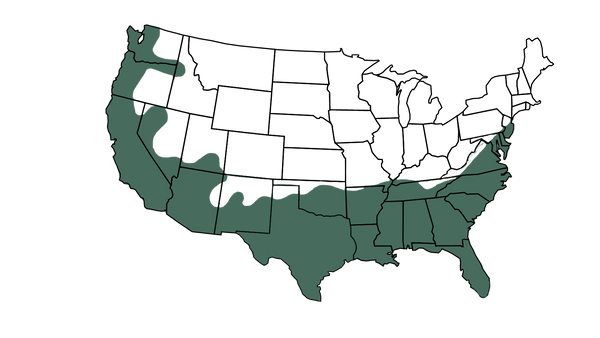
Where it grows in the groundShaded areas are the zones where it can be planted outdoors.


Size guide & what arrives
| *Trade size | **Pot size |
|---|---|
| 1 gallon | 6" |
| 3 gallon | 8 to 10" |
| 5 gallon | 10 to 12" |
| 7 gallon | 14" |
| 10 gallon | 15 to 17" |
| 15 gallon | 17" |
| "Jumbo" | 7 or 10 or 15 gallon |
*Nursery gallon sizes are trade sizes and do not equal standard liquid gallons.
**Pot sizes in inches refer to container width (diameter), not plant or pot height.
Please note: Sizing can differ between plant varieties and growers. Please chat with us if you need clarification.
For more information on sizing, please see our sizing guide.
What arrives
Tiny Tower Italian Cypress may need occasional pruning to maintain its tidy, vertical shape.
What customers are saying
Why customers love it

Healthy, well-rooted plants
Hand-selected and shipped in its nursery pot.

Delivered to your door
Skip the nursery trip. Very little car Tetris required.

Goodbye, noisy neighbors
A living screen that blocks the view, softens the sound and looks better than a fence.

1-year guarantee
If something goes wrong, we'll help make it right.
Care made simple
Plant it right once and it does the rest.
Pick the spot before you dig.
Water slowly and deeply. Check more often in its first summer.
Enter your ZIP above to check your zone.
Your first year together
- 1Day 1
Plant it, then water slowly until the whole root ball is soaked.
- 2First few weeks
Keep the soil evenly moist while new roots settle in.
- 3First summer
Water deeply during hot, dry spells.
- 4Next spring
New growth starts. Feed as it wakes up.
Planting instructions
Watering & sunlight
Use a slow-running hose, soaker hose, or drip system to water the root ball and surrounding root zone thoroughly. Allow the water to penetrate deeply (not just wet the top few inches of soil), and avoid frequent, shallow watering.
Before watering again, check the soil 3–4 inches deep near the root ball. If it feels dry, repeat this deep-watering process. If it feels moist or soggy, wait and check again in 1–2 days. Check the soil of newly planted trees and shrubs several times per week, especially during hot, dry, or windy weather.
Irrigation run times will vary based on flow rate, soil, and system setup.
Need help? Contact our plant experts for watering guidance tailored to your plant and growing conditions.
Dwarf Italian Cypress grows best in full sun, requiring at least 6-8 hours of direct sunlight daily to maintain its dense foliage and upright growth.
Care guide
Shipping & what's inside
Your plant ships in its nursery pot with the soil secured, packed so it stays steady on the way to you.
1-year guarantee
Every plant is covered by our 1-year guarantee. If something goes wrong, contact our team and we'll walk you through it.
 Answered by Simply Trees plant experts
How big does the Tiny Tower Italian Cypress get?
How fast does the Tiny Tower Italian Cypress grow?
Where is the best place to plant Tiny Tower Italian Cypress?
Sunlight: Tiny Tower Italian Cypress requires full sun to thrive, so choose a location that receives at least 6-8 hours of direct sunlight each day. Full sun exposure is crucial for promoting vigorous growth and maintaining the dense, green foliage characteristic of this tree.
Soil and Drainage: Ensure the planting site has well-draining soil. Tiny Tower Italian Cypress does not tolerate waterlogged conditions, which can lead to root rot. If your soil is heavy or clayey, consider amending it with organic material or sand to improve drainage, or choose a raised bed or an elevated area.
Space: Consider the mature size of the tree—about 20-30 feet tall and 2-3 feet wide. Ensure there is enough space for the tree to grow vertically without interference from overhead lines or structures. The narrow growth habit makes it suitable for areas where ground space is limited, but vertical space is ample.
Wind Exposure: While generally robust, these trees can benefit from some protection from strong winds, especially in exposed or high-wind areas. Planting it near a building or among other trees can provide some shelter, reducing the risk of damage during severe weather.
Aesthetic Considerations: Due to its narrow, columnar form, Tiny Tower Italian Cypress is excellent for creating vertical accents in the landscape. Consider planting it as a part of a formal garden, lining a driveway, framing entryways, or as a privacy screen. Its architectural form can complement many garden styles, particularly Mediterranean or formal English gardens.
Accessibility: Make sure the tree is accessible for occasional maintenance, such as pruning or mulching, without being too close to pathways or driveways where its roots might cause disruptions as they mature.
Choosing the right location not only ensures the health of the Tiny Tower Italian Cypress but also maximizes its decorative potential in your landscape design.
How do I care for Tiny Tower Italian Cypress?
Sunlight: Tiny Tower Italian Cypress thrives in full sun, requiring at least 6 hours of direct sunlight daily. Ensure it is planted in a location that receives ample sunlight to promote healthy growth and dense foliage.
Watering: Water newly planted trees regularly to establish a strong root system, typically once or twice a week depending on the weather and soil moisture. Once established, Tiny Tower Italian Cypress is drought-tolerant but benefits from occasional deep watering during prolonged dry periods, especially in hot climates.
Soil: Plant in well-draining soil to prevent waterlogging, which can lead to root rot. The tree tolerates a range of soil types, from sandy to loamy and even clay, as long as there is good drainage.
Fertilizing: Feed the tree with a balanced, slow-release fertilizer in early spring to support growth throughout the season. Avoid over-fertilizing, as too much growth can make the tree less hardy and more susceptible to damage.
Pruning: Tiny Tower Italian Cypress naturally grows in a narrow, columnar shape, so it requires minimal pruning. You may prune to shape the tree lightly or remove any damaged or diseased branches. It's best to prune in late winter or early spring before new growth starts.
Mulching: Apply a layer of mulch around the base of the tree to help retain soil moisture, suppress weeds, and provide insulation during extreme temperatures. Keep the mulch a few inches away from the trunk to avoid moisture buildup that can lead to fungal diseases.
Protection: In very windy areas, consider providing some support when the tree is young or during extreme weather to prevent leaning or breakage.
By following these care instructions, your Tiny Tower Italian Cypress will grow strong and maintain its elegant form, making it a striking addition to your landscape.
How often should I water Tiny Tower Italian Cypress?
Newly Planted Trees: Water newly planted Tiny Tower Italian Cypress trees more frequently to help establish their roots. Generally, water them about once or twice a week, depending on the weather conditions. The goal is to keep the soil consistently moist but not waterlogged.
Established Trees: Once established, Tiny Tower Italian Cypress is relatively drought-tolerant. However, during prolonged dry periods, especially in hotter climates, it's beneficial to water the trees every two to three weeks. In cooler or wetter climates, you might water less frequently.
Soil Type: The watering needs can also vary based on the soil type. Sandy soils, which drain quickly, may require more frequent watering, while clay soils that retain moisture might need less.
Checking Soil Moisture: Always check the soil moisture before watering. You can do this by inserting a soil probe or a long screwdriver into the soil. If it comes out dry and clean, it's time to water; if it comes out moist and with soil sticking to it, you can wait.
Watering Depth: When you water, ensure to do so deeply and slowly, allowing the water to penetrate several inches into the soil to reach the root zone. This encourages deeper root growth and enhances the tree's drought tolerance.
By adjusting your watering schedule to the needs of your Tiny Tower Italian Cypress, based on these factors, you can help promote healthy growth and maintain the tree's aesthetic appeal.
How far apart should I plant Tiny Tower Italian Cypress?
For a Privacy Screen or Hedge: If you’re planting Tiny Tower Italian Cypress to create a dense privacy screen or formal hedge, space the trees about 2 to 3 feet apart. This close spacing allows the trees to grow together and form a solid wall of green, providing good coverage and privacy as they mature.
As Individual Specimens: If you’re planting them as individual specimens to accentuate certain landscape features, space them further apart — at least 6 feet or more. This allows each tree to develop fully on all sides and prevents the crowns from merging, showcasing their narrow, columnar form.
Row Planting Along a Pathway or Driveway: For planting in a row along a pathway or driveway where you desire a formal look but don’t necessarily need a hedge, spacing them about 4 to 5 feet apart can be ideal. This allows each tree some room to grow individually while maintaining a continuous visual line.
These spacing recommendations will help ensure that your Tiny Tower Italian Cypress trees grow healthily, without undue competition for light, nutrients, and water, yet close enough to serve their desired purpose in your garden design.
What is the difference between regular Italian Cypress and the Tiny Tower Italian Cypress?
Size and Growth Habit:
Regular Italian Cypress: Typically grows much taller and can reach heights of 40 to 60 feet or more, with a width of about 5 to 10 feet. It has a fast growth rate and forms a narrow, columnar shape.
Tiny Tower Italian Cypress: This is a more compact variety, reaching about 20 to 30 feet in height and 2 to 3 feet in width. It maintains a very narrow form, making it suitable for smaller spaces and gardens where a full-sized Italian Cypress would be too large.
Maintenance and Pruning:
Regular Italian Cypress: Due to its larger size, it may require more space and potentially more pruning to keep its shape or manage its size in residential landscapes.
Tiny Tower Italian Cypress: This variety is easier to maintain due to its slower growth rate and smaller size. It requires less pruning and can fit into tighter spaces, making it ideal for formal gardens, narrow spaces, and as a vertical accent in mixed borders.
Landscaping Uses:
Regular Italian Cypress: Often used in large landscapes, for screening purposes, or as a dramatic vertical element. Its height makes it a prominent feature suitable for large gardens and parks.
Tiny Tower Italian Cypress: Perfect for smaller gardens, urban spaces, and containers. It's often used for creating formal garden structures, lining pathways, or framing doorways where space is limited but height is desired.
Both types are valued for their elegant, upright growth and their ability to bring a strong vertical element to the landscape. The choice between the two usually depends on the space available and the specific design requirements of the garden.
How do I prune Tiny Tower Italian Cypress?
Timing: The best time to prune is in the late winter or early spring before new growth starts. This timing helps avoid cutting into new growth that will emerge in the spring.
Tools: Use clean, sharp pruning shears or loppers. Sterilizing your tools before use can help prevent the spread of disease.
Minimal Trimming: Since Tiny Tower Italian Cypress grows in a naturally compact form, extensive pruning isn’t usually necessary. If you need to shape the tree or maintain a particular width, lightly trim the sides, but be careful not to cut into older, woody stems that may not produce new growth.
Removing Damaged Branches: Cut back any branches that are dead, damaged, or diseased. Make cuts close to a branch junction, but avoid leaving large stubs.
Thinning: If necessary, thin out some of the branches to increase light penetration and air circulation within the canopy. This can help prevent disease and promote healthier growth.
Height Control: While controlling the height through pruning is not typically recommended as it can spoil the natural shape of the tree, if absolutely necessary, trim the top. However, do so sparingly and try to maintain the natural conical shape.
By following these guidelines, you can keep your Tiny Tower Italian Cypress looking its best while preserving its natural, elegant form. Regular observation and minimal intervention are key to successful care of this tree.
Is the Tiny Tower Italian Cypress a dwarf tree?
How close can I plant Tiny Tower Italian Cypress to my house?
Distance from House: Aim to plant the tree at least 3 to 5 feet away from your home's foundation. This distance ensures enough space for the roots to expand without risking damage to the foundation and allows for proper air circulation around the tree.
Root System Concerns: While the root system of this tree is not typically invasive, maintaining a safe distance from the house, as well as from sidewalks and driveways, helps prevent any potential disruptions caused by root growth.
Growth Height and Width: Since this tree grows to a height of about 20-30 feet and has a narrow spread of 2-3 feet, it is also important to consider vertical space. Make sure it is planted away from roof overhangs and power lines.
Sunlight: Choose a location that receives full sun to promote healthy growth and dense foliage.
Aesthetic Placement: The upright, narrow form of the tree makes it an excellent choice for adding vertical interest to your landscape. Consider how it will complement your home's architecture and other garden elements.
Following these guidelines helps ensure that the tree will not only thrive but also contribute positively to your home's overall landscape without causing any problems.