


Texas Redbud Tree
Zones 6-9
Buy more, save more
Save up to $1,000 on your whole cart.
Discounts don't stack. At checkout you automatically get whichever saves you more.
See all savings tiers
Your code will auto-apply at checkout.
From our farm to your front door
- Shipped in its nursery pot, so the roots stay undisturbed
- Soil secured so it stays put in transit
- Packed so the plant stays steady on the way to you
At a glance
- Sunlight
- Full Sun, Partial Sun, Partial Shade
- Water
- When the top 2" of soil is dry
- Growth & size
- Moderate-growing deciduous ornamental tree. Typically reaches approximately 10–20 feet tall and 10–20 feet wide at maturity.
- Botanical name
- Cercis canadensis var. texensis
- Hardiness
- Zones 6-9
- Tolerates
- Heat tolerantCold hardyHumidity tolerantDrought tolerant
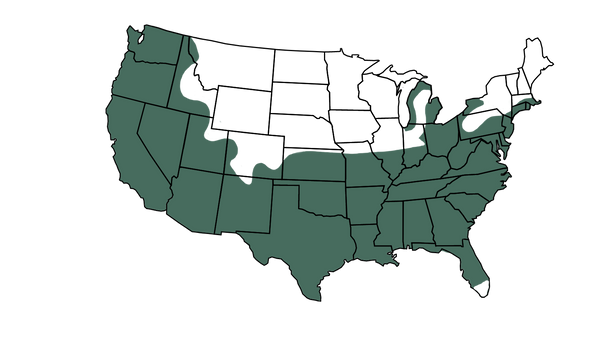
Where it grows in the groundShaded areas are the zones where it can be planted outdoors.


Size guide & what arrives
| *Trade size | **Pot size |
|---|---|
| 1 gallon | 6" |
| 3 gallon | 8 to 10" |
| 5 gallon | 10 to 12" |
| 7 gallon | 14" |
| 10 gallon | 15 to 17" |
| 15 gallon | 17" |
| "Jumbo" | 7 or 10 or 15 gallon |
*Nursery gallon sizes are trade sizes and do not equal standard liquid gallons.
**Pot sizes in inches refer to container width (diameter), not plant or pot height.
Please note: Sizing can differ between plant varieties and growers. Please chat with us if you need clarification.
For more information on sizing, please see our sizing guide.
What arrives
Texas Redbud blooms on bare branches before the foliage emerges, creating one of the most dramatic spring flowering displays among native ornamental trees.
Young trees may take a few seasons to develop their fullest flowering potential as they become established in the landscape.
What customers are saying
No reviews for Texas Redbud Tree yet. Here's what customers say about other plants and trees they ordered from Simply Trees.
Why customers love it

Healthy, well-rooted plants
Hand-selected and shipped in its nursery pot.

Delivered to your door
Skip the nursery trip. Very little car Tetris required.

Real plant experts
Ask us anything before or after planting.

1-year guarantee
If something goes wrong, we'll help make it right.
Care made simple
Plant it right once and it does the rest.
Pick the spot before you dig.
Water slowly and deeply. Check more often in its first summer.
Enter your ZIP above to check your zone.
Your first year together
- 1Day 1
Plant it, then water slowly until the whole root ball is soaked.
- 2First few weeks
Keep the soil evenly moist while new roots settle in.
- 3First summer
Water deeply during hot, dry spells.
- 4Next spring
New growth starts. Feed as it wakes up.
Planting instructions
Watering & sunlight
Use a slow-running hose, soaker hose, or drip system to water the root ball and surrounding root zone thoroughly. Allow the water to penetrate deeply (not just wet the top few inches of soil), and avoid frequent, shallow watering.
Before watering again, check the soil 3–4 inches deep near the root ball. If it feels dry, repeat this deep-watering process. If it feels moist or soggy, wait and check again in 1–2 days. Check the soil of newly planted trees and shrubs several times per week, especially during hot, dry, or windy weather.
Irrigation run times will vary based on flow rate, soil, and system setup.
Need help? Contact our plant experts for watering guidance tailored to your plant and growing conditions.
Texas Redbud grows best in full sun to partial shade. In hotter climates, some afternoon shade can help reduce stress during extreme summer heat, though mature trees tolerate full sun well.
Care guide
Shipping & what's inside
Your plant ships in its nursery pot with the soil secured, packed so it stays steady on the way to you.
1-year guarantee
Every plant is covered by our 1-year guarantee. If something goes wrong, contact our team and we'll walk you through it.
 Answered by Simply Trees plant experts