


Sweet Kumquat Tree
Zones 8-11 outdoors; or Zones 4–7 if overwintered indoors.
Can't ship to your state. Due to USDA and state agriculture regulations.
Shop plants we can ship to you ·
Can't ship to California, Florida, or Georgia.
Buy more, save more
Save up to $1,000 on your whole cart.
Discounts don't stack. At checkout you automatically get whichever saves you more.
See all savings tiers
Your code will auto-apply at checkout.
From our farm to your front door
- Shipped in its nursery pot, so the roots stay undisturbed
- Root ball wrapped and zip-tied so the soil stays put
- Packed so the tree stays steady on the way to you
At a glance
- Sunlight
- Full Sun
- Water
- When the top 2" of soil is dry
- Growth & size
- Moderate growth rate; it reaches a mature height of 6 to 10 feet and a width of 4 to 8 feet.
Sizing: Our fruit and citrus trees are primarily utilized as outdoor patio or indoor plants and are potted. Accordingly, we measure our fruit and citrus trees from the bottom of the pot to the top of the tree for accuracy. - Botanical name
- Citrus japonica 'Meiwa'
- Hardiness
- Zones 8-11 outdoors; or Zones 4–7 if overwintered indoors.
- Tolerates
- Heat tolerantHumidity tolerantCoastal tolerant
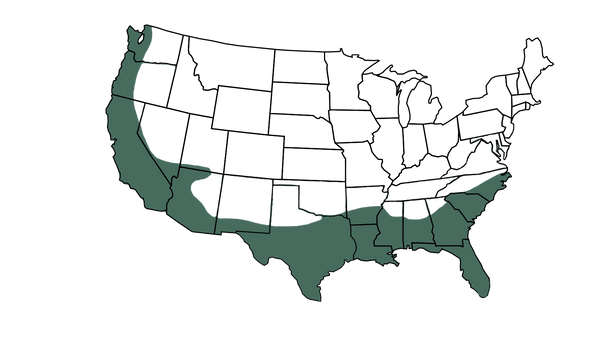
Where it grows in the groundShaded areas are the zones where it can be planted outdoors.


Size guide & what arrives

| *Trade size | **Pot size |
|---|---|
| 1 gallon | 6" |
| 3 gallon | 8 to 10" |
| 5 gallon | 10 to 12" |
| 7 gallon | 14" |
| 10 gallon | 15 to 17" |
| 15 gallon | 17" |
| "Jumbo" | 7 or 10 or 15 gallon |
*Nursery gallon sizes are trade sizes and do not equal standard liquid gallons.
**Pot sizes in inches refer to container width (diameter), not plant or pot height.
Please note: Sizing can differ between plant varieties and growers. Please chat with us if you need clarification.
For more information on sizing, please see our sizing guide.
What arrives
This kumquat variety is known for its cold tolerance and ability to produce fruit even in containers, making it a versatile option for both gardens and patios.
*We cannot guarantee the Kumquat Tree you receive will already be bearing fruit. This depends on the season and the overall growth pattern.
What customers are saying
Why customers love it

Fruit you grow yourself
Fresh citrus from your own patio or sunny window.

Grows in a pot
Patio in summer, sunny window in winter.

Fragrant blooms
White blossoms with a sweet citrus scent.

Healthy, well-rooted trees
Hand-selected from trusted growers and shipped to your door.
Care made simple
If you can keep a houseplant happy, you can grow citrus.
A sunny patio, or your brightest window in winter.
Water slowly and deeply. Skip it if the soil still feels moist.
Citrus fertilizer in early spring, mid-summer and early fall.
Bring the pot indoors before a freeze.
Your first year together
- 1Day 1
Unbox and water slowly until the whole root ball is soaked.
- 2First few weeks
A few dropped leaves is normal while it settles in.
- 3Month 3
First feeding. Hold off on fertilizer until then.
- 4Spring
Fragrant white blooms.
- 5Harvest season
Pick fruit when it is fully colored and gives a little.
Planting instructions
Watering & sunlight
Sweet Kumquat Tree requires full sun exposure, at least 6 to 8 hours of direct sunlight daily, to thrive and produce abundant fruit.
Pruning, feeding & winter care
Shipping & what's inside
Your tree ships in its nursery pot with the root ball wrapped in a protective liner and zip-tied, so the soil stays in and the tree stays steady.
1-year guarantee
Every tree is covered by our 1-year guarantee. If something goes wrong, contact our team and we'll walk you through it.
 Answered by Simply Trees plant experts
How big does the Sweet Kumquat tree get?
How fast does the Sweet Kumquat tree grow?
Where is the best place to plant Kumquat trees?
Sunlight: Full sun is essential for optimal growth and fruit production. Choose a location with plenty of direct sunlight, such as a south-facing garden or patio.
Soil: Plant in well-draining soil with a slightly acidic to neutral pH. Kumquats don’t tolerate waterlogged soil, so avoid areas where water tends to pool.
Shelter: In regions prone to frost, plant the tree near a wall or structure to provide some protection from cold winds. You can also plant it in a container that can be moved indoors during freezing temperatures.
Spacing: If planting multiple trees, space them about 6 to 10 feet apart to allow proper airflow and room for growth.
Choose a warm, sheltered spot for your Kumquat tree to thrive and produce abundant fruit, particularly in areas with mild winters.
Can I plant Kumquat trees in a pot?
Pot Selection: The Sweet Kumquat tree comes in a tall 3-gallon nursery pot (about 11 inches wide and tall). For best growth, we suggest choosing a pot that’s 2–4 inches larger on all sides, or roughly 13–15 inches in diameter and depth.
Soil: Use a well-draining potting mix designed for citrus or cactus plants. Avoid heavy, compacted soils that retain too much moisture.
Sunlight: Place the potted Kumquat tree in a location that gets at least 6-8 hours of direct sunlight daily, such as a sunny patio or near a bright, south-facing window.
Watering: Water deeply when the top 2 inches of soil feel dry. Ensure the pot drains well, as Kumquat trees are sensitive to waterlogged roots. Be more attentive to watering in hot weather, as potted plants dry out faster.
Fertilizing: Use a citrus-specific fertilizer every 4-6 weeks during the growing season (spring to early fall). Potted trees need regular feeding, as nutrients deplete quickly in containers.
Repotting: Repot your Kumquat tree every 2-3 years into a slightly larger container with fresh potting mix. This will provide more room for root growth and help keep the tree healthy.
Pruning: Lightly prune the tree to maintain its shape and remove any dead or damaged branches. Prune in late winter or early spring before new growth starts.
Frost Protection: If the Kumquat is outdoors and you live in a colder region, bring the pot indoors or move it to a sheltered location during frost or freezing temperatures.
With proper care, your potted Kumquat tree can thrive and produce fruit, giving you flexibility in placement and mobility.
Can I keep my Kumquat tree indoors?
Sunlight: Place the tree in a sunny location, such as a south-facing window, where it can receive at least 6-8 hours of direct sunlight daily. If natural light is insufficient, consider using grow lights to supplement.
Temperature: Keep indoor temperatures between 60-75°F (16-24°C) for optimal growth. Avoid drafts or placing the tree near heating vents or radiators, as extreme temperature fluctuations can stress the plant.
Humidity: Kumquats prefer moderate to high humidity levels. To increase humidity indoors, mist the leaves regularly or use a humidifier, especially during the dry winter months.
Watering: Water the tree when the top 2 inches of soil feel dry. Make sure the pot has drainage holes to prevent waterlogging. Empty the drainage tray to avoid root rot.
Fertilizing: Use a citrus-specific fertilizer every 4-6 weeks during the growing season (spring to early fall) to provide essential nutrients.
Pollination: Indoor Kumquat trees may need help with pollination if you want them to bear fruit. You can hand-pollinate the flowers using a small brush or cotton swab to transfer pollen between blossoms.
Pot and Soil: Plant in a well-draining potting mix, ideally one formulated for citrus or cacti. Repot the tree every 2-3 years as it grows, refreshing the soil to encourage healthy root development.
With the right care, your Kumquat tree can thrive indoors and even produce fruit.
How do I care for Kumquat trees?
Sunlight: Plant your Kumquat tree in a location that receives full sun, at least 6-8 hours of direct sunlight daily, for optimal growth and fruit production.
Watering: Water deeply once a week, allowing the soil to dry slightly between waterings. Increase watering frequency during hot or dry periods, and reduce watering in winter when the tree’s growth slows.
Soil: Use well-draining soil, slightly acidic to neutral, to prevent waterlogging. Kumquat trees do not tolerate soggy roots.
Fertilizing: Feed the tree with a balanced, slow-release fertilizer or a citrus-specific fertilizer every 4-6 weeks during the growing season (spring to early fall) to support healthy growth and fruiting.
Pruning: Prune in late winter or early spring to remove dead or damaged branches, improve air circulation, and maintain the tree’s shape. Light pruning encourages healthy growth and fruit production.
Mulching: Apply mulch around the base of the tree to retain moisture, regulate soil temperature, and suppress weeds, but avoid placing mulch directly against the trunk to prevent rot.
Pest Control: Monitor for common pests like aphids, scale, or spider mites. Use insecticidal soap or horticultural oil to manage infestations as needed.
Cold Protection: Kumquat trees are cold-hardy but can still suffer damage in severe frost. In regions prone to freezing temperatures, cover the tree with frost cloths or move potted trees indoors when necessary.
Pollination: Kumquats are self-pollinating, so they don’t require another tree for fruit production.
With proper care, your Kumquat tree will thrive and produce abundant fruit, especially during the cooler months.
How often should I water the Kumquat tree?
Ensure the soil is well-draining to avoid waterlogging, as kumquat trees are sensitive to root rot. In winter, when the tree’s growth slows, reduce watering but do not allow the soil to dry out completely. Always adjust watering based on the weather and soil conditions.