


Snake Plant 'Zeylanica'
Save up to $1,000 on your whole cart.
Your code will auto-apply at checkout.
From our farm to your front door
- Shipped in its nursery pot, so the roots stay undisturbed
- Soil secured so it stays put in transit
- Packed so the plant stays steady on the way to you
At a glance
- Light
- Bright Indirect Sunlight
- Water
- When the soil is dry all the way down
- Care level
- Super easy
- Pets
- Not pet friendly
- Growth & size
- Slow growth rate, with mature plants reaching up to 2-3 feet in height and 1-2 feet in width.
- Botanical name
- Sansevieria trifasciata 'Zeylanica'


Size guide & what arrives
| *Trade size | **Pot size |
|---|---|
| 1 gallon | 6" |
| 3 gallon | 8 to 10" |
| 5 gallon | 10 to 12" |
| 7 gallon | 14" |
| 10 gallon | 15 to 17" |
| 15 gallon | 17" |
| "Jumbo" | 7 or 10 or 15 gallon |
*Nursery gallon sizes are trade sizes and do not equal standard liquid gallons.
**Pot sizes in inches refer to container width (diameter), not plant or pot height.
Please note: Sizing can differ between plant varieties and growers. Please chat with us if you need clarification.
For more information on sizing, please see our sizing guide.
What arrives
The Snake Plant 'Zeylanica' is known for its air-purifying qualities, helping to improve indoor air quality.
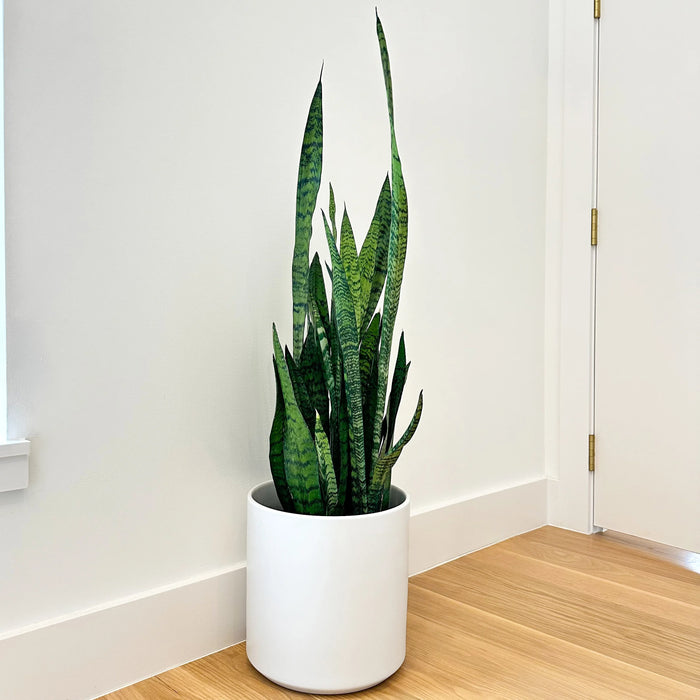
*The pot pictured is not included.
What customers are saying
Why customers love it
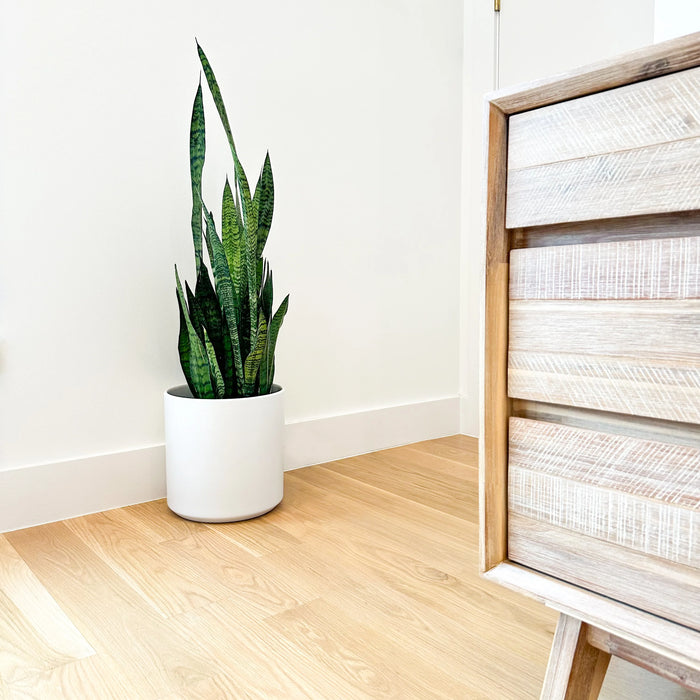
Instant life for any room
Living green that makes a space feel finished.
Healthy, well-rooted plants
Hand-selected and shipped in its nursery pot.
Delivered to your door
Skip the nursery trip. Very little car Tetris required.
Real plant experts
Ask us anything before or after it arrives.
Care made simple
Simple care, matched to this plant.
The Snake Plant 'Zeylanica' is versatile in its light requirements, able to grow in everything from low light to direct sunlight. However, it prefers indirect light where it wil...
Water every 2-6 weeks, depending on light and humidity, allowing the soil to dry completely between waterings. Water less frequently in the winter.
Super easy! This plant scoffs at your water.
Your first months together
- 1Day 1
Unbox, set it in its spot, and check the soil before you water.
- 2First few weeks
A few dropped leaves is normal while it adjusts to your home.
- 3Spring & summer
Feed during the growing season. Skip it in winter.
- 4Every 1–2 years
Repot into a slightly bigger pot once roots fill this one.
Light & water
The Snake Plant 'Zeylanica' is versatile in its light requirements, able to grow in everything from low light to direct sunlight. However, it prefers indirect light where it will thrive without being exposed to the harsh afternoon sun.
Water every 2-6 weeks, depending on light and humidity, allowing the soil to dry completely between waterings. Water less frequently in the winter.
About this plant
*The pot pictured is not included.
Care guide
Shipping & what's inside
Your plant ships in its nursery pot with the soil secured, packed so it stays steady on the way to you.
1-year guarantee
Every plant is covered by our 1-year guarantee. If something goes wrong, contact our team and we'll walk you through it.
 Answered by Simply Trees plant experts
How big do Snake Plants get?
Height: Most common varieties of Snake Plants grow to a height of 1 to 4 feet. Some specific cultivars, like the Laurentii variety, can grow even taller, up to 6 feet under optimal conditions.
Width: Snake Plants typically spread to about 1 to 2 feet in width. They grow in a clumping habit, with new shoots emerging from the base and expanding outward.
Growth Habit: Snake Plants have an upright, architectural growth habit, making them ideal for vertical interest in indoor and outdoor spaces.
By understanding the growth potential, you can choose the right location and pot size to accommodate your Snake Plant as it matures.
How fast do Snake Plants grow?
Where is the best place to put a Snake Plant?
Indirect Light: Place the Snake Plant in a spot with moderate to bright, indirect light. They can tolerate low light but will thrive better in brighter conditions. Ideal locations include near north-facing windows or a few feet away from east or west-facing windows.
Low Light Areas: Snake Plants are one of the few plants that can tolerate low light conditions. This makes them suitable for dimly lit areas such as offices, bathrooms, hallways, or bedrooms.
Avoid Direct Sunlight: While Snake Plants can handle some direct sunlight, especially in the morning or late afternoon, avoid placing them in direct midday sun, which can scorch the leaves.
Temperature Considerations: Choose a spot where the temperature stays between 60°F and 85°F (15°C to 29°C). Avoid placing the plant near drafts, heating vents, or air conditioning units, as sudden temperature changes can stress the plant.
Humidity: Snake Plants prefer low to moderate humidity. Avoid placing them in overly humid areas unless they are well-ventilated.
Decorative Spots: Due to their sleek, upright growth habit, Snake Plants make excellent decorative pieces. Place them in living rooms, bedrooms, or entryways where their architectural shape can be appreciated. They also fit well in modern and minimalist decor.
Bedroom: Because Snake Plants release oxygen at night, they are great additions to bedrooms, improving air quality while you sleep.
By placing your Snake Plant in these optimal locations, you can ensure it thrives while enhancing the aesthetic appeal of your space.
How do you care for the Snake Plant?
Light: Snake Plants thrive in a wide range of light conditions, from low light to bright, indirect sunlight. While they can tolerate low light, they grow best in moderate to bright, indirect light. Avoid direct midday sun, which can scorch the leaves.
Watering: Water the Snake Plant sparingly. Allow the soil to dry out completely between waterings. Overwatering can lead to root rot. During the growing season (spring and summer), water every 2-4 weeks. In the dormant season (fall and winter), reduce watering to every 4-6 weeks.
Soil: Use well-draining soil. A cactus or succulent mix is ideal. Good drainage is crucial to prevent waterlogging and root rot.
Temperature and Humidity: Snake Plants prefer temperatures between 60°F and 85°F (15°C to 29°C). They can tolerate temperatures down to 50°F (10°C) but are not frost-hardy. They prefer low to moderate humidity and can tolerate dry indoor air.
Fertilizing: Feed your Snake Plant with a balanced, all-purpose fertilizer diluted to half strength during the growing season (spring and summer). Fertilize once a month. Avoid fertilizing in the fall and winter.
Repotting: Repot the Snake Plant every 2-3 years or when it becomes root-bound. Choose a pot that is 1-2 inches larger in diameter than the current one. Use fresh, well-draining soil.
Pruning: Remove any damaged or dead leaves by cutting them at the base with a clean, sharp knife or scissors. Pruning helps maintain the plant’s appearance and health.
Pest Control: Snake Plants are generally pest-resistant, but occasionally they can be affected by pests like spider mites and mealybugs. Wipe the leaves with a damp cloth and use insecticidal soap if needed.
Propagation: Snake Plants can be easily propagated by division or leaf cuttings. For division, separate the rhizomes and replant them in new pots. For leaf cuttings, cut a healthy leaf into 2-3 inch sections, let them dry for a day or two, then plant them in moist soil.
By following these care tips, you can keep your Snake Plant healthy and thriving for many years.
What are the benefits of the Snake Plant?
Air Purification: Snake Plants are known for their air-purifying qualities. They can remove toxins such as formaldehyde, benzene, xylene, and trichloroethylene from the air, improving indoor air quality.
Oxygen Production: Unlike most plants, Snake Plants can perform photosynthesis at night. This means they release oxygen even in the dark, making them excellent plants for bedrooms to enhance air quality while you sleep.
Low Maintenance: Snake Plants are very easy to care for. They require minimal watering, tolerate a wide range of light conditions, and are resistant to pests and diseases. This makes them ideal for busy individuals or those new to gardening.
Aesthetic Appeal: With their tall, upright leaves and striking variegation, Snake Plants add a modern and elegant touch to any space. They are versatile in design, fitting well in homes, offices, and outdoor gardens.
Drought Tolerance: Snake Plants are highly drought-tolerant, making them suitable for xeriscaping and areas with low water availability. They thrive with infrequent watering and are well-suited for arid climates.
Humidity Regulation: By releasing moisture into the air, Snake Plants can help maintain indoor humidity levels, contributing to a more comfortable living environment.
Health Benefits: The improved air quality and increased oxygen levels provided by Snake Plants can lead to better overall health, including reduced headaches, eye irritation, and respiratory issues.
Versatility: Snake Plants can be grown both indoors and outdoors (in suitable climates), in containers, or directly in the ground, making them adaptable to various environments and landscaping needs.
These benefits make Snake Plants a valuable addition to any home or garden, offering both aesthetic and functional advantages.
Can you plant the Snake Plant outside?
Climate: The Snake Plant is best suited for warm climates. It thrives in USDA hardiness zones 9-11. It can handle temperatures down to about 50°F (10°C) but is not frost-hardy. In cooler climates, it's best to grow it in a container that can be brought indoors during cold weather.
Light Conditions: Choose a location with partial shade to full sun. Snake Plants can tolerate a range of light conditions but prefer bright, indirect sunlight. Avoid placing them in direct midday sun, which can scorch the leaves.
Soil Requirements: Plant Snake Plants in well-drained soil. They prefer sandy or gritty soil that mimics their natural arid environment. Good drainage is essential to prevent root rot.
Watering: Water the Snake Plant deeply but infrequently. Allow the soil to dry out between waterings. Overwatering can lead to root rot, so it's important to ensure the soil is dry before watering again.
Protection: In areas with high humidity or heavy rainfall, ensure the plant has good air circulation and is planted in a location that doesn't stay waterlogged.
Container Growing: If your climate is not ideal for year-round outdoor growth, consider planting the Snake Plant in a pot that can be moved indoors during colder months.
By providing the right conditions, you can successfully grow Snake Plants outdoors and enjoy their unique foliage in your garden.
When should you repot the Snake Plant?
Every 2-3 Years: Generally, Snake Plants should be repotted every 2-3 years. This helps refresh the soil and gives the roots more room to grow.
Signs It's Time to Repot:
Roots are Crowded: If you notice roots growing out of the drainage holes or the plant is becoming root-bound (roots circling around the pot), it’s time to repot.
Slow Growth: If the plant's growth has slowed significantly and it's been a few years since the last repotting, it may need more space.
Soil Degradation: If the soil has become compacted or doesn't drain well, repotting into fresh soil can help improve aeration and drainage.
Best Time to Repot: The best time to repot a Snake Plant is during the spring or early summer. This timing allows the plant to recover and grow in the warm, active growing season.
Pot Size: Choose a pot that is 1-2 inches larger in diameter than the current pot. Ensure the new pot has drainage holes to prevent waterlogging.
Procedure:
Gently remove the plant from its current pot.
Shake off excess soil from the roots.
Place the plant in the new pot and fill in with fresh, well-draining soil, such as a cactus or succulent mix.
Water lightly after repotting and allow the plant to adjust to its new pot.
By following these guidelines, you can ensure your Snake Plant remains healthy and continues to thrive.
Can the Snake Plant survive in low light?
Low Light Tolerance: Snake Plants are well-known for their ability to tolerate low light conditions. They can thrive in areas with indirect or filtered light, such as offices, bedrooms, and bathrooms with minimal natural light.
Adaptability: While they can survive in low light, Snake Plants will grow more slowly compared to those placed in brighter light. They are adaptable and can handle a wide range of lighting conditions, from low light to bright, indirect sunlight.
Avoid Direct Sunlight: Although they can tolerate bright light, it's best to avoid placing Snake Plants in direct sunlight, especially intense midday sun, as this can scorch their leaves.
Ideal Placement: For optimal growth, place your Snake Plant in a spot with moderate to bright, indirect light. However, if you have a low-light area that needs some greenery, the Snake Plant is an excellent choice.
By placing your Snake Plant in low to moderate light conditions, you can enjoy its hardy and low-maintenance nature while adding greenery to dimly lit spaces.
How often should you water the Snake Plant?
Frequency: Water the Snake Plant approximately every 2-4 weeks, depending on the environment and season. During the growing season (spring and summer), it may require more frequent watering, around every 2-3 weeks. In the dormant season (fall and winter), reduce watering to every 4-6 weeks.
Soil Check: Always check the soil before watering. Ensure the top 1-2 inches of soil are dry before watering again. Overwatering can lead to root rot, a common issue with Snake Plants.
Method: Water thoroughly, allowing excess water to drain out of the pot. Ensure the plant is not sitting in water, as this can cause root rot. In the garden, ensure the soil is well-drained to prevent waterlogging.
Signs of Overwatering: Yellowing leaves, soft or mushy leaves, and a foul smell from the soil indicate overwatering. Adjust your watering schedule if you notice these signs.
By following these guidelines, you can maintain a healthy Snake Plant with minimal risk of overwatering.
What is the ideal outdoor climate for the Snake Plant?
Temperature: Snake Plants prefer warm temperatures ranging from 60°F to 85°F (15°C to 29°C). They can tolerate temperatures as low as 50°F (10°C) but are not frost-hardy. Protect them from temperatures below 40°F (4°C).
USDA Hardiness Zones: They are best suited for USDA hardiness zones 9-11. In these zones, they can grow outdoors year-round.
Sunlight: Snake Plants thrive in bright, indirect light but can also tolerate full sun and low light conditions. When planted outdoors, they do well in partial shade to full sun, with some protection from the intense midday sun.
Humidity: They prefer low to moderate humidity levels. High humidity can increase the risk of rot and fungal diseases, so good air circulation is beneficial.
Soil: Well-drained soil is essential for Snake Plants. They do well in sandy or gritty soil that mimics their natural arid environment. Avoid heavy, waterlogged soils.
By providing these conditions, you can ensure that your Snake Plant will thrive and add its unique charm to your outdoor garden.