


Skyrocket Juniper
Zones 4-9
Save up to $1,000 on your whole cart.
Your code will auto-apply at checkout.
From our farm to your front door
- Shipped in its nursery pot, so the roots stay undisturbed
- Soil secured so it stays put in transit
- Packed so the plant stays steady on the way to you
At a glance
- Sunlight
- Full Sun
- Water
- When the top 2–3" of soil is dry
- Growth & size
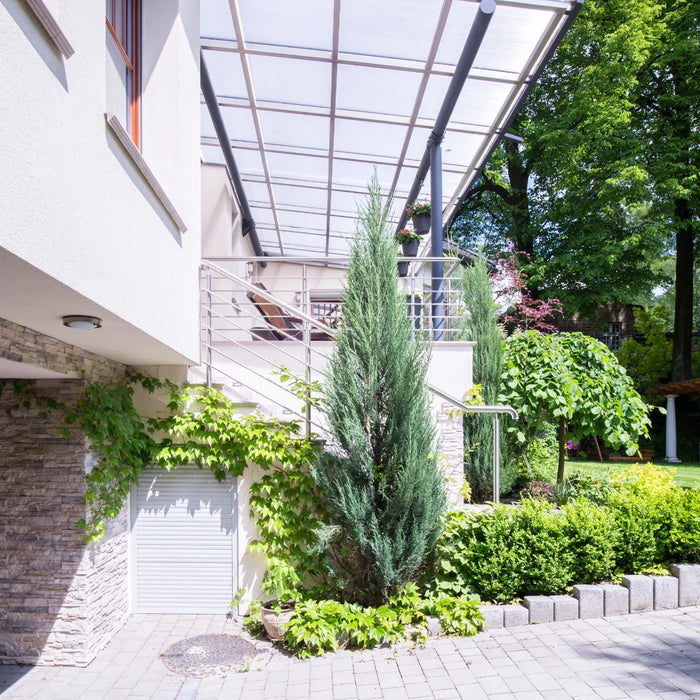
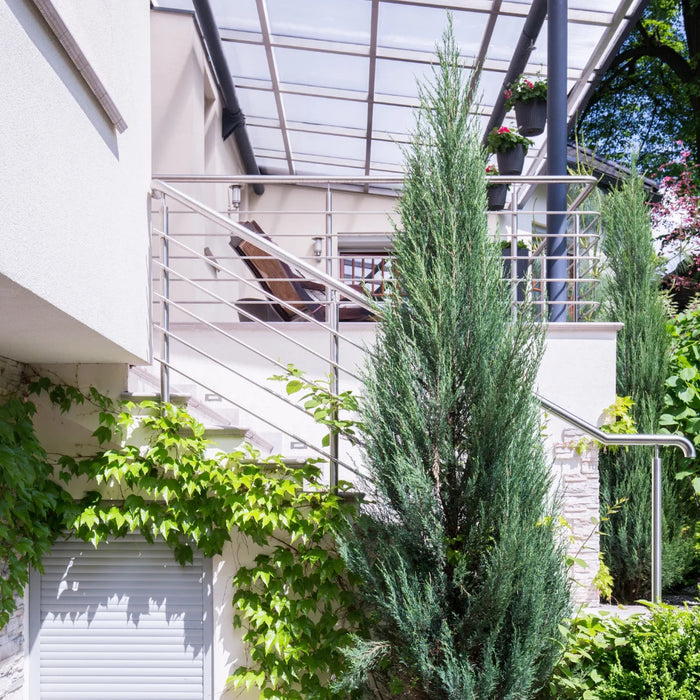
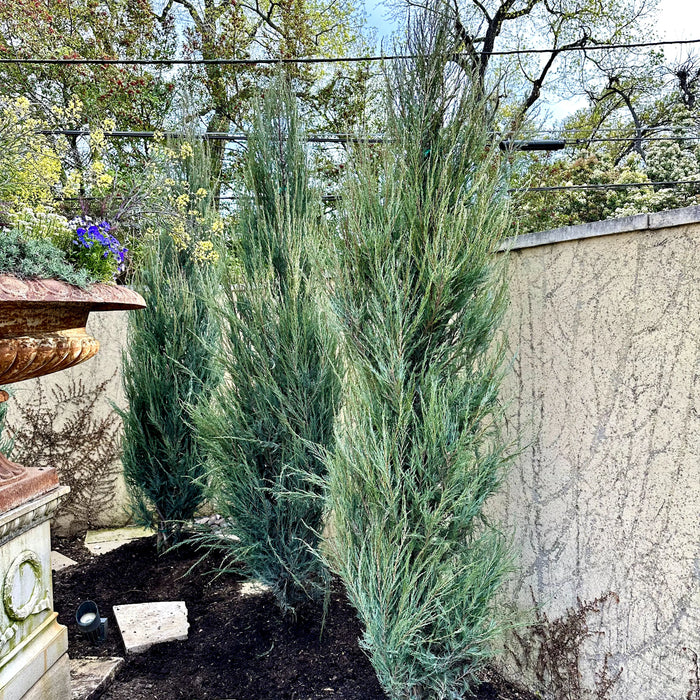
- Moderate to fast growth rate. Typically growing at a rate of about 6 to 12 inches per year. At maturity, the Skyrocket Juniper can reach a height of about 15 to 20 feet and a width of only 2 to 3 feet.
- Botanical name
- Juniperus scopulorum 'Skyrocket'
- Hardiness
- Zones 4-9
- Tolerates
- Cold hardyHeat tolerantDrought tolerantWind tolerant
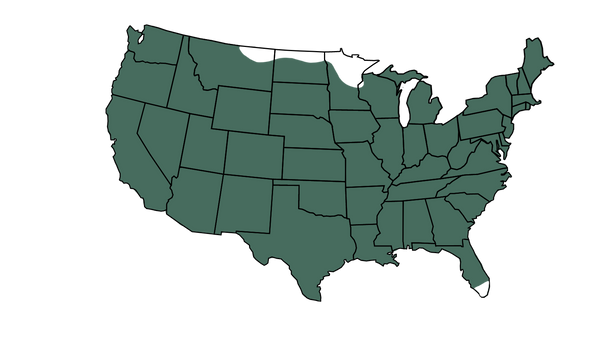
Where it grows in the groundShaded areas are the zones where it can be planted outdoors.


Size guide & what arrives
| *Trade size | **Pot size |
|---|---|
| 1 gallon | 6" |
| 3 gallon | 8 to 10" |
| 5 gallon | 10 to 12" |
| 7 gallon | 14" |
| 10 gallon | 15 to 17" |
| 15 gallon | 17" |
| "Jumbo" | 7 or 10 or 15 gallon |
*Nursery gallon sizes are trade sizes and do not equal standard liquid gallons.
**Pot sizes in inches refer to container width (diameter), not plant or pot height.
Please note: Sizing can differ between plant varieties and growers. Please chat with us if you need clarification.
For more information on sizing, please see our sizing guide.
What arrives
Skyrocket Juniper’s narrow growth can make it more susceptible to wind damage, so consider staking or placing it in a protected area if you live in a windy region.
What customers are saying
Why customers love it
Healthy, well-rooted plants
Hand-selected and shipped in its nursery pot.
Delivered to your door
Skip the nursery trip. Very little car Tetris required.
Real plant experts
Ask us anything before or after planting.
1-year guarantee
If something goes wrong, we'll help make it right.
Care made simple
Plant it right once and it does the rest.
Pick the spot before you dig.
Water slowly and deeply. Check more often in its first summer.
Enter your ZIP above to check your zone.
Your first year together
- 1Day 1
Plant it, then water slowly until the whole root ball is soaked.
- 2First few weeks
Keep the soil evenly moist while new roots settle in.
- 3First summer
Water deeply during hot, dry spells.
- 4Next spring
New growth starts. Feed as it wakes up.
Planting instructions
Watering & sunlight
Use a slow-running hose, soaker hose, or drip system to water the root ball and surrounding root zone thoroughly. Allow the water to penetrate deeply (not just wet the top few inches of soil), and avoid frequent, shallow watering.
Before watering again, check the soil 3–4 inches deep near the root ball. If it feels dry, repeat this deep-watering process. If it feels moist or soggy, wait and check again in 1–2 days. Check the soil of newly planted trees and shrubs several times per week, especially during hot, dry, or windy weather.
Irrigation run times will vary based on flow rate, soil, and system setup.
Need help? Contact our plant experts for watering guidance tailored to your plant and growing conditions.
Skyrocket Juniper thrives in full sun, receiving at least 6 to 8 hours of direct sunlight daily.
Care guide
What does "Jumbo" mean?
Shipping & what's inside
Your plant ships in its nursery pot with the soil secured, packed so it stays steady on the way to you.
1-year guarantee
Every plant is covered by our 1-year guarantee. If something goes wrong, contact our team and we'll walk you through it.
 Answered by Simply Trees plant experts
How big do Skyrocket Junipers get?
How fast do Skyrocket Junipers grow?
They’re faster-growing than many other upright junipers, making them a popular choice for creating privacy screens or vertical accents fairly quickly. Growth may slow in poor soil, low sunlight, or during drought, so for best results, plant in full sun with well-draining soil and water regularly during establishment.
Are Skyrocket Junipers hardy?
How far apart do you plant Skyrocket Junipers for privacy?
What can I plant next to Skyrocket Juniper?
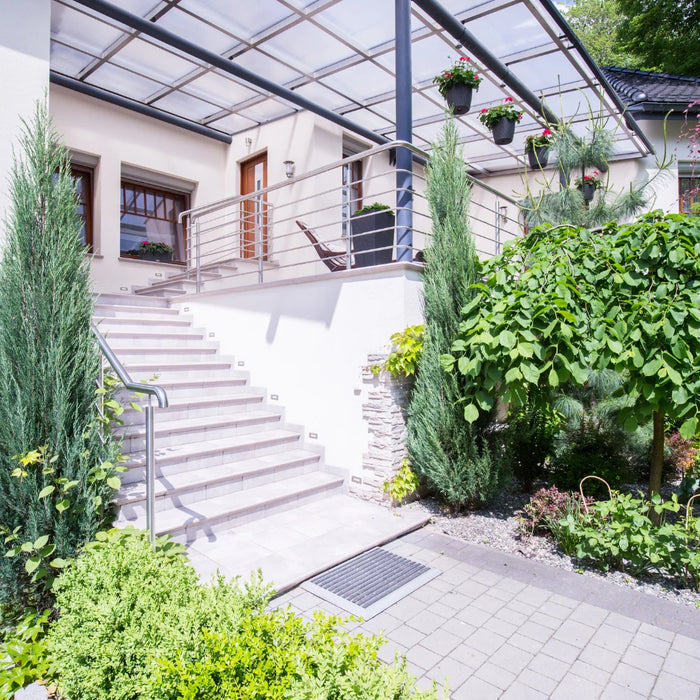
Low-Growing Shrubs: Plant low-growing shrubs like Dwarf Spirea or Blue Star Juniper to contrast with the height of the Skyrocket Junipers.
Perennial Flowers: Add perennial flowers such as Coneflowers, Salvia, or Daylilies for seasonal color and variety.
Ornamental Grasses: Ornamental grasses like Feather Reed Grass or Karl Foerster Grass can provide texture and movement in the garden.
Ground Covers: Consider ground covers like Creeping Phlox or Sedum to fill in the spaces between the junipers.
Evergreen Plants: Other evergreen plants like Boxwood or Wintergreen can provide year-round structure and color.
When choosing companion plants, consider factors such as sunlight, soil conditions, and water requirements to ensure compatibility with the Skyrocket Junipers and create an appealing landscape design.
Are junipers better than arborvitae?
Junipers:
Junipers like Skyrocket are known for their rapid vertical growth and slender form, making them great for creating tall privacy screens.
They are drought-tolerant and require minimal maintenance once established.
Junipers come in various varieties, offering different shapes and colors.
Arborvitae:
Arborvitae, like Thuja Green Giant, are also used for privacy screens but have a more dense and uniform growth habit.
They are relatively low-maintenance and respond well to pruning.
Arborvitae can tolerate a range of soil conditions and provide year-round green foliage.
The choice between Junipers and Arborvitae depends on factors such as the desired height, density, and appearance of the screen you want to create, as well as the specific growing conditions in your area. Feel free to ask one of our experts if you need more guidance!
Why are my Skyrocket Junipers turning brown?
Winter Dormancy: It's natural for the foliage of evergreen trees like Skyrocket Junipers to turn a slightly brownish or bronze color in the winter as they enter a period of dormancy. This is a protective mechanism to conserve moisture and energy during cold months.
Watering Issues: Insufficient or irregular watering, especially during dry periods, can lead to browning. Ensure the soil remains consistently moist but not waterlogged.
Disease or Pest Infestations: Junipers can be susceptible to diseases like blight or infestations by pests such as spider mites. Inspect your plants for signs of disease or pests and take appropriate measures if necessary.
Environmental Stress: Extreme weather conditions, including hot and dry spells, can stress the plants and lead to browning. Provide appropriate care during such conditions.
Soil Problems: Soil issues, such as poor drainage or soil compaction, can affect root health and foliage color. Ensure proper soil conditions.
Pruning Mistakes: Incorrect pruning or trimming at the wrong time of year can damage the foliage and cause browning. Prune in late winter or early spring before new growth begins.
Identifying the specific cause of browning and addressing it accordingly is essential for the health and vitality of your Skyrocket Junipers.
What color is the Skyrocket Juniper?
What are the differences between Skyrocket Juniper and Blue Arrow Juniper?
Color:
Skyrocket has silvery blue-green foliage, while Blue Arrow offers a deeper, steel blue tone that stands out more in the landscape.
Form:
Skyrocket is narrow but slightly more open and airy in appearance. Blue Arrow is more compact and dense, holding a tighter, more formal shape.
Size at Maturity:
Skyrocket grows 15–20 feet tall and 2–3 feet wide. Blue Arrow stays slightly shorter at 12–15 feet tall and around 2 feet wide.
Growth Rate:
Both have a moderate growth rate, but Skyrocket may grow slightly faster in ideal conditions.
Cold Hardiness:
Both are hardy in USDA Zones 4–9. Blue Arrow may have a slight edge in wind and cold tolerance due to its denser growth habit.
Best Use:
Skyrocket is great for adding vertical height and soft texture to the landscape. Blue Arrow is better for tight spaces, formal plantings, or when a neat, slender shape is preferred.
Summary:
Choose Skyrocket for a taller, classic juniper look. Choose Blue Arrow if you want a cleaner, more intense blue color with a lower-maintenance, upright shape.