


Rio Red Grapefruit Tree
Zones 9-11
Can't ship to your state. Due to USDA and state agriculture regulations.
Shop plants we can ship to you ·
Can't ship to California, Florida, or Georgia.
Buy more, save more
Save up to $1,000 on your whole cart.
See all savings tiers
Your code will auto-apply at checkout.
From our farm to your front door
- Shipped in its nursery pot, so the roots stay undisturbed
- Root ball wrapped and zip-tied so the soil stays put
- Packed so the tree stays steady on the way to you
At a glance
- Sunlight
- Full Sun
- Water
- When the top 2" of soil is dry
- Growth & size
- Moderate to fast growth rate; mature height of 15-20 feet and width of 15-20 feet, but can be kept smaller with pruning.
Sizing: Our fruit and citrus trees are primarily utilized as outdoor patio or indoor plants and are potted. Accordingly, we measure our fruit and citrus trees from the bottom of the pot to the top of the tree for accuracy. - Botanical name
- Citrus paradisi 'Rio Red'
- Hardiness
- Zones 9-11
- Tolerates
- Heat tolerantHumidity tolerantCoastal tolerant

Where it grows in the groundShaded areas are the zones where it can be planted outdoors.


Size guide & what arrives
| *Trade size | **Pot size |
|---|---|
| 1 gallon | 6" |
| 3 gallon | 8 to 10" |
| 5 gallon | 10 to 12" |
| 7 gallon | 14" |
| 10 gallon | 15 to 17" |
| 15 gallon | 17" |
| "Jumbo" | 7 or 10 or 15 gallon |
*Nursery gallon sizes are trade sizes and do not equal standard liquid gallons.
**Pot sizes in inches refer to container width (diameter), not plant or pot height.
Please note: Sizing can differ between plant varieties and growers. Please chat with us if you need clarification.
For more information on sizing, please see our sizing guide.
What arrives
The Rio Red Grapefruit Tree may require occasional pruning to maintain its shape and promote fruit production.
*We cannot guarantee the Rio Red Grapefruit Tree you receive will already be bearing fruit. This depends on the season and the overall growth pattern.
What customers are saying
Why customers love it
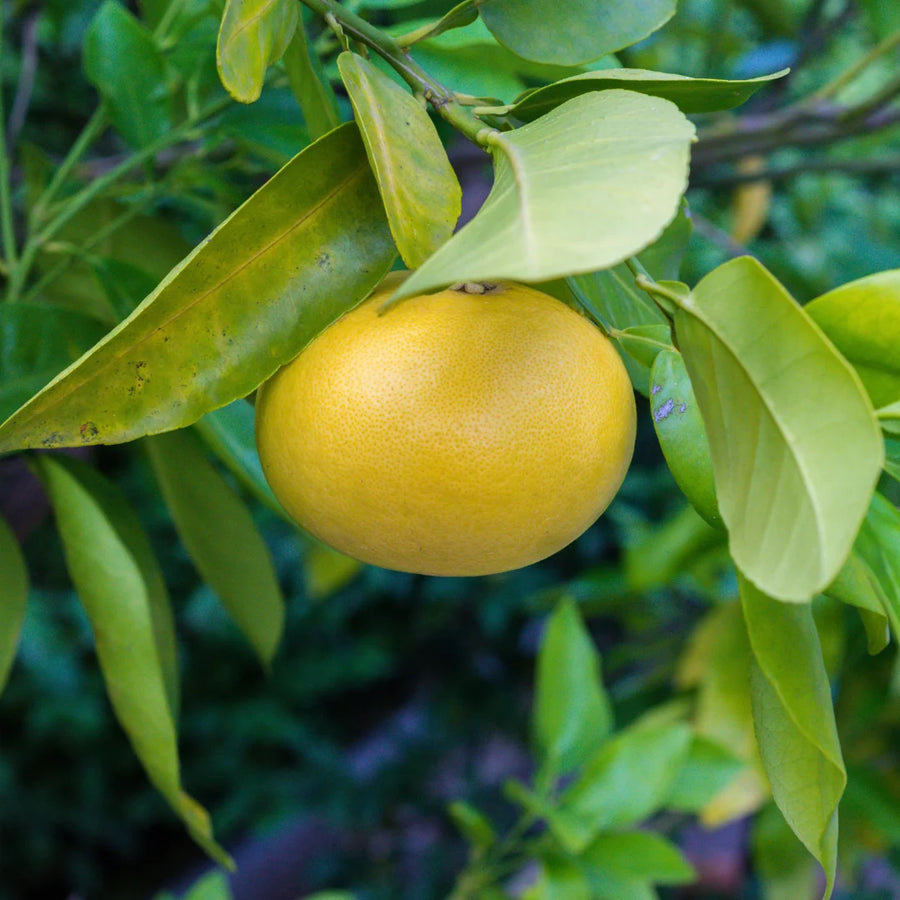
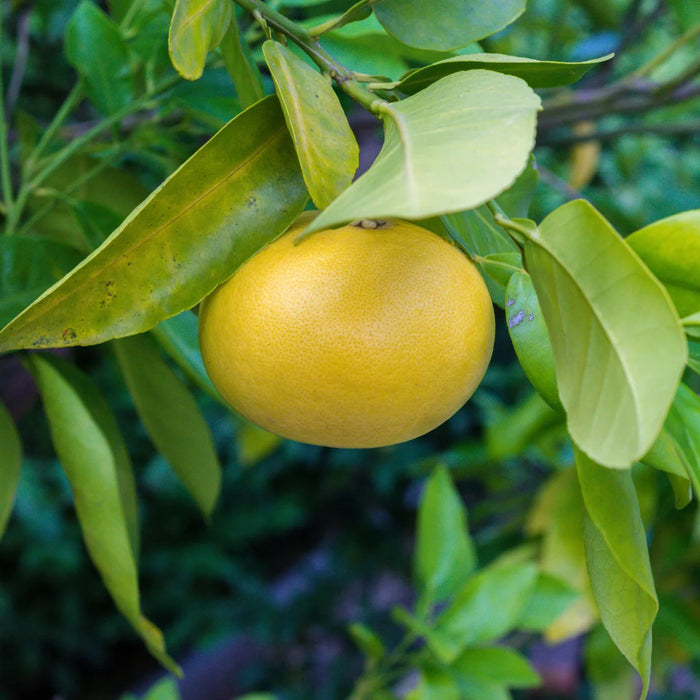
Fruit you grow yourself
Fresh citrus from your own patio or sunny window.
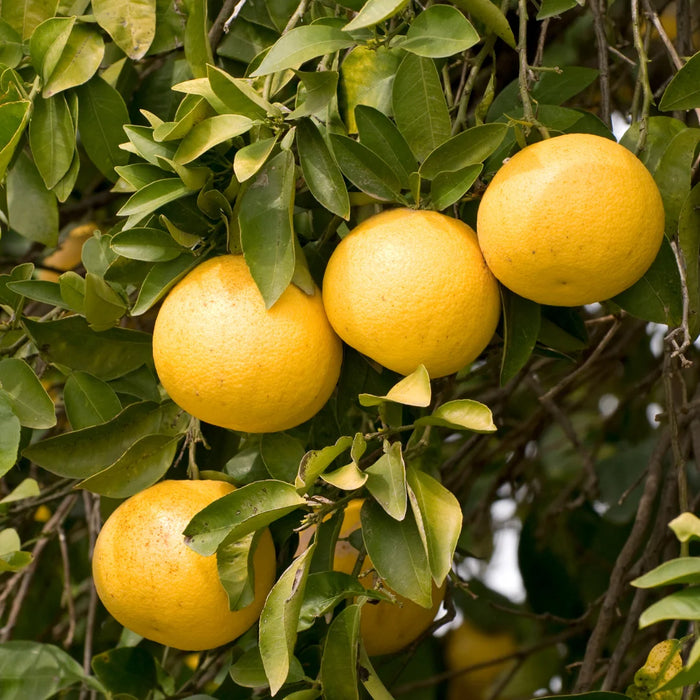
Grows in a pot
Patio in summer, sunny window in winter.
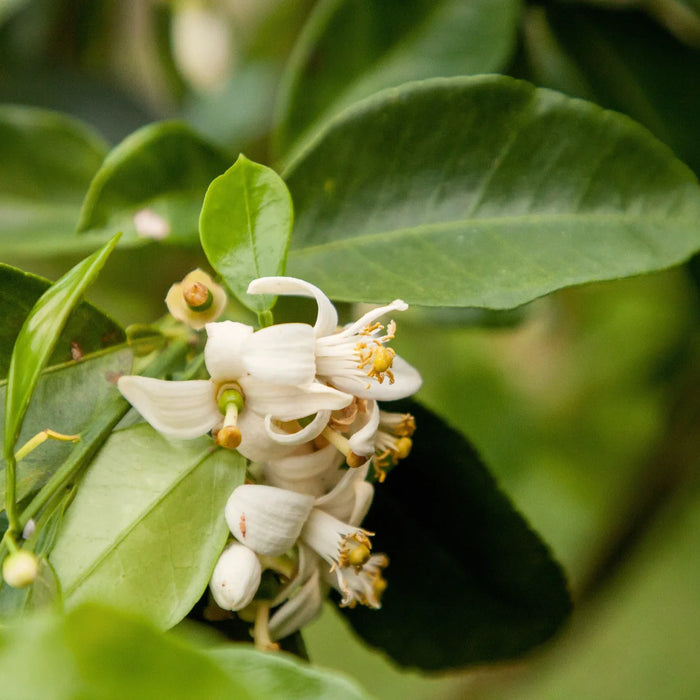
Fragrant blooms
White blossoms with a sweet citrus scent.
Healthy, well-rooted trees
Hand-selected from trusted growers and shipped to your door.
Care made simple
If you can keep a houseplant happy, you can grow citrus.
A sunny patio, or your brightest window in winter.
Water slowly and deeply. Skip it if the soil still feels moist.
Citrus fertilizer in early spring, mid-summer and early fall.
Bring the pot indoors before a freeze.
Your first year together
- 1Day 1
Unbox and water slowly until the whole root ball is soaked.
- 2First few weeks
A few dropped leaves is normal while it settles in.
- 3Month 3
First feeding. Hold off on fertilizer until then.
- 4Spring
Fragrant white blooms.
- 5Harvest season
Pick fruit when it is fully colored and gives a little.
Planting instructions
Watering & sunlight
Use a slow-running hose, soaker hose, or drip system to water the root ball and surrounding root zone thoroughly. Allow the water to penetrate deeply (not just wet the top few inches of soil), and avoid frequent, shallow watering.
Before watering again, check the soil 2 inches deep near the root ball. If it feels dry, repeat this deep-watering process. If it feels moist or soggy, wait and check again in 1–2 days. Check the soil of newly planted trees and shrubs several times per week, especially during hot, dry, or windy weather.
Irrigation run times will vary based on flow rate, soil, and system setup.
Need help? Contact our plant experts for watering guidance tailored to your plant and growing conditions.
Rio Red Grapefruit Tree requires full sun for healthy growth, flowering, and fruiting. They are an excellent choice for gardeners in warmer climates or those with protective spaces for winter.
Pruning, feeding & winter care
Shipping & what's inside
Your tree ships in its nursery pot with the root ball wrapped in a protective liner and zip-tied, so the soil stays in and the tree stays steady.
1-year guarantee
Every tree is covered by our 1-year guarantee. If something goes wrong, contact our team and we'll walk you through it.
 Answered by Simply Trees plant experts
How big does the Rio Red Grapefruit tree get?
Mature Size
Height: The Rio Red Grapefruit tree typically reaches a height of 15 to 20 feet.
Width: It can spread to a width of about 10 to 15 feet.
Growth Habit
Shape: The tree has a rounded, dense canopy with glossy green leaves. The branches are sturdy and can support the weight of the large, juicy grapefruits.
Factors Affecting Size
Pruning: Regular pruning can help control the size of the tree and maintain a manageable shape. Pruning also encourages healthy growth and improves air circulation.
Growing Conditions: The tree's size can be influenced by growing conditions such as soil quality, water availability, and sunlight. Trees grown in optimal conditions will reach their maximum potential size.
Rootstock: The type of rootstock used can also affect the overall size of the tree. Dwarf rootstocks can result in smaller trees, while standard rootstocks will allow for full-sized growth.
Space Considerations
Spacing: When planting multiple Rio Red Grapefruit trees, space them at least 12-15 feet apart to allow for adequate growth and air circulation.
Location: Ensure the planting site has enough room for the tree to spread its canopy without interfering with buildings, power lines, or other trees.
By understanding the mature size and growth habit of the Rio Red Grapefruit tree, you can effectively plan its placement in your garden to accommodate its full growth and enjoy its bountiful harvest.
How fast does the Rio Red Grapefruit tree grow?
Where is the best place to plant the Rio Red Grapefruit tree?
Ideal Planting Location
Sunlight
Full Sun: Plant the tree in a location that receives full sun, which means at least 6-8 hours of direct sunlight daily. Adequate sunlight is essential for healthy growth and optimal fruit production.
Soil
Well-Draining Soil: Ensure the soil is well-draining to prevent root rot and other water-related issues. If your soil is heavy clay or poorly draining, amend it with organic matter such as compost or sand to improve drainage.
Soil pH: Rio Red Grapefruit trees prefer slightly acidic to neutral soil with a pH range of 6.0 to 7.0.
Air Circulation
Good Airflow: Choose a site with good air circulation to help prevent fungal diseases and promote healthy growth. Avoid planting in low-lying areas where cold air can settle and increase the risk of frost damage.
Additional Factors
Protection from Wind
Windbreaks: While the tree needs good air circulation, it also benefits from protection against strong winds. Planting near a windbreak, such as a fence or a row of taller shrubs, can help shield the tree from harsh winds.
Distance from Structures
Spacing: Plant the tree at least 10-15 feet away from buildings, fences, or other structures to allow ample space for the tree's canopy to spread and to prevent any potential damage.
Proximity to Water Source
Easy Irrigation: Ensure the tree is planted within reach of a water source for easy irrigation, especially during dry periods. Consistent watering is crucial, particularly during the tree's establishment period.
Frost Protection
Sheltered Location: In regions prone to frost, choose a planting location that offers some protection from cold temperatures, such as near a south-facing wall that can radiate heat during colder months.
Avoid
Deep Shade: Avoid planting in areas that receive less than 6 hours of sunlight, as insufficient light will hinder growth and reduce fruit production.
Waterlogged Areas: Do not plant in areas with poor drainage or where water tends to pool, as this can lead to root rot and other issues.
The best place to plant your Rio Red Grapefruit tree is in a sunny, well-draining location with good air circulation and protection from strong winds. Ensure there is adequate space for the tree to grow and access to a water source for consistent irrigation. By selecting the optimal site, you can help your tree thrive and produce an abundant harvest of delicious grapefruit.
How far away should I plant the Rio Red Grapefruit tree?
Spacing Requirements
Distance from Other Trees: Plant the Rio Red Grapefruit tree at least 12-15 feet away from other trees. This ensures that each tree has enough space for its roots and canopy to grow without competing for resources.
Distance from Structures: Plant the tree at least 10-15 feet away from buildings, fences, or other structures. This prevents any potential damage to structures and allows the tree enough room to spread its branches.
Distance from Walkways and Driveways: Plant the tree at least 8-10 feet away from walkways and driveways to avoid interference with foot or vehicle traffic as the tree matures.
Considerations for Planting Location
Sunlight: Choose a location that receives full sun, with at least 6-8 hours of direct sunlight daily. Adequate sunlight is crucial for healthy growth and fruit production.
Soil: Ensure the planting site has well-draining soil. If the soil is heavy clay or tends to retain water, amend it with organic matter such as compost to improve drainage.
Air Circulation: Good air circulation helps prevent fungal diseases and supports healthy growth. Ensure the planting site is not too crowded with other plants or structures.
Additional Tips
Wind Protection: While Rio Red Grapefruit trees need good air circulation, they also benefit from protection against strong winds. Planting near a windbreak, such as a fence or a row of taller shrubs, can help shield the tree from harsh winds.
Water Source: Ensure the tree is planted within reach of a water source for easy irrigation, especially during dry periods.
By following these spacing and location guidelines, you can help ensure your Rio Red Grapefruit tree has the room it needs to grow healthily and produce abundant fruit.
Can I plant the Rio Red Grapefruit tree in a pot?
How long does it take for the Rio Red Grapefruit tree to bare fruit?
Time to Bear Fruit
Grafted Trees: If you start with a grafted Rio Red Grapefruit tree, it typically takes about 3 to 5 years to start bearing fruit. Grafted trees mature faster because they are produced by joining a mature, fruit-bearing scion (the top part of the tree) to a rootstock.
Seedling Trees: If you start with a tree grown from seed, it can take significantly longer, often 7 to 10 years, before the tree begins to produce fruit. Seedling trees go through a longer juvenile phase before they mature enough to flower and fruit.
Factors Influencing Fruit Production
Sunlight: Ensure the tree receives at least 6-8 hours of direct sunlight daily. Adequate sunlight is crucial for flower and fruit development.
Watering: Maintain consistent soil moisture, especially during dry periods. Overwatering or underwatering can stress the tree and delay fruiting.
Fertilization: Use a balanced citrus fertilizer to provide essential nutrients. Fertilize according to the manufacturer's instructions, typically three times a year (early spring, late spring, and mid-summer).
Pruning: Proper pruning helps maintain tree health and promotes good air circulation and light penetration, which are important for fruit production.
Soil Quality: Plant the tree in well-draining soil. Poor drainage can lead to root diseases that can affect fruit production.
Pests and Diseases: Regularly inspect the tree for pests and diseases. Treat any issues promptly to prevent them from impacting the tree's health and fruiting ability.
Additional Tips
Patience: Be patient, as fruiting can take several years. During this time, focus on providing the best possible care to support healthy growth and development.
First Fruits: When the tree does begin to bear fruit, the first few harvests may be smaller or of lower quality. As the tree matures, the size and quality of the fruit will improve.
By providing optimal growing conditions and proper care, you can help your Rio Red Grapefruit tree reach its fruit-bearing potential within the expected timeframe.
Is the Rio Red Grapefruit tree self-pollinating?
Self-Pollination
Self-Sufficient: The flowers of the Rio Red Grapefruit tree contain both the stamen (male part) and the pistil (female part), allowing them to pollinate themselves.
Insects: While the tree is self-pollinating, insects like bees can help improve pollination efficiency and increase fruit set by transferring pollen between flowers.
Benefits
Single Tree Planting: You can plant just one Rio Red Grapefruit tree and still enjoy a good harvest of fruit.
Consistent Production: Self-pollination ensures that the tree can produce fruit consistently every year, given proper care and growing conditions.
Additional Tips for Fruit Production
Location: Plant the tree in a sunny location with at least 6-8 hours of direct sunlight daily to promote healthy growth and abundant fruit production.
Care: Provide regular watering, balanced fertilization, and proper pruning to support the tree’s health and fruiting capabilities.
Pest Control: Keep the tree free from pests and diseases that could impact its ability to produce flowers and fruit.
By ensuring optimal growing conditions and proper care, your self-pollinating Rio Red Grapefruit tree will thrive and produce delicious fruit year after year.
How do you care for the Rio Red Grapefruit tree?
Planting
Location: Choose a sunny spot that receives at least 6-8 hours of direct sunlight daily. Full sun is crucial for optimal growth and fruiting.
Soil: Plant in well-draining soil. Sandy or loamy soils are ideal. If your soil is heavy clay, amend it with organic matter such as compost to improve drainage.
Spacing: Ensure there is enough space for the tree to grow, typically 12-15 feet apart from other trees or structures.
Watering
Establishment Period: Water newly planted trees regularly to establish their root systems. Keep the soil consistently moist but not waterlogged.
Established Trees: Once established, water deeply and infrequently. Allow the top few inches of soil to dry out between watering. Watering frequency can vary depending on weather conditions; during hot, dry periods, water more frequently.
Feeding
Fertilization: Feed your tree with a balanced citrus fertilizer. Apply fertilizer three times a year: in early spring, late spring, and mid-summer. Follow the manufacturer’s instructions for the correct dosage.
Micronutrients: Ensure the fertilizer includes micronutrients like magnesium, zinc, and iron, which are essential for citrus health.
Pruning
Timing: Prune your tree in late winter or early spring before new growth begins. Avoid heavy pruning during the growing season.
Method: Remove any dead, diseased, or damaged branches. Thin out the canopy to improve air circulation and light penetration. Shape the tree to maintain a manageable size and promote healthy growth.
Mulching
Benefits: Apply a 2-3 inch layer of mulch around the base of the tree to retain soil moisture, suppress weeds, and regulate soil temperature.
Placement: Keep mulch a few inches away from the trunk to prevent rot and pest issues.
Pest and Disease Management
Monitoring: Regularly inspect your tree for signs of pests and diseases. Common issues include aphids, scale, citrus leaf miners, and fungal diseases like sooty mold.
Treatment: Use appropriate treatments such as insecticidal soap, horticultural oils, or fungicides. Maintain good air circulation and avoid overhead watering to reduce the risk of fungal infections.
Cold Protection
Frost Protection: In regions with occasional frost, protect your tree by covering it with frost cloth or blankets during cold snaps. Mulch around the base and consider using outdoor heaters or holiday lights for additional warmth.
Harvesting
Ripeness: Rio Red Grapefruit typically ripens in late fall to early spring. Fruit is ready to harvest when it reaches full size, develops a deep red blush, and is slightly soft to the touch.
Technique: Gently twist the fruit off the tree or use pruning shears to cut the stem, being careful not to damage the branches.
Additional Tips
Pollination: While Rio Red Grapefruit trees are self-pollinating, having more than one citrus tree can improve pollination and fruit set.
Weeding: Keep the area around the tree free of weeds to reduce competition for nutrients and water.
By following these care guidelines, your Rio Red Grapefruit tree will thrive, providing you with delicious, juicy fruit and a healthy, attractive addition to your garden.
Is the Rio Red Grapefruit tree cold hardy?
Cold Hardiness
Temperature Tolerance: Rio Red Grapefruit trees can tolerate temperatures down to about 25°F (-4°C) for short periods. Prolonged exposure to temperatures below freezing can cause damage to the tree, including leaf drop, branch dieback, and fruit loss.
Ideal Climate: These trees thrive in USDA hardiness zones 9-11, where temperatures typically do not fall below freezing for extended periods.
Protecting Your Tree from Cold
Site Selection:
Location: Plant your tree in a location that offers some protection from cold winds and frost pockets. South-facing slopes or areas near buildings can provide some warmth and shelter.
Mulching:
Insulation: Apply a thick layer of mulch around the base of the tree to help insulate the roots and retain soil warmth. Avoid piling mulch directly against the trunk to prevent rot.
Covering:
Frost Protection: Use frost cloths, blankets, or burlap to cover the tree during cold snaps. Ensure the cover extends to the ground to trap heat. Remove the coverings during the day to allow sunlight and air circulation.
Watering:
Hydration: Water the tree thoroughly before a cold spell. Moist soil retains heat better than dry soil, providing some protection to the roots.
Heating:
Heat Sources: For severe frost events, consider using outdoor heaters, heat lamps, or even holiday lights (non-LED) to provide additional warmth. Ensure the heat source is safe and does not create a fire hazard.
Container Growing:
Mobility: If you live in a region with occasional frosts, consider growing your Rio Red Grapefruit tree in a container. This allows you to move the tree indoors or to a sheltered location during cold weather.
Recovery from Cold Damage
Pruning: If your tree suffers cold damage, wait until the risk of further frost has passed before pruning. Remove any dead or damaged wood to encourage new growth.
Feeding: Resume a regular fertilization schedule in the spring to support recovery and new growth.
By taking these protective measures, you can help your Rio Red Grapefruit tree survive cold spells and continue to thrive in your garden.
Why isn't my Rio Red Grapefruit tree blooming?
Common Reasons and Solutions
Age of the Tree:
Issue: Young grapefruit trees may take several years to mature before they start blooming. Typically, it can take 3-5 years for a tree to begin flowering.
Solution: If your tree is still young, be patient and ensure it receives proper care to support its development.
Light Exposure:
Issue: Grapefruit trees require full sun, with at least 6-8 hours of direct sunlight daily. Insufficient sunlight can inhibit blooming.
Solution: Ensure your tree is planted in a location that receives ample sunlight. If it's in a shaded area, consider transplanting it to a sunnier spot.
Nutrient Deficiency:
Issue: Lack of essential nutrients, particularly phosphorus, can affect blooming.
Solution: Use a balanced citrus fertilizer that is high in phosphorus. Apply it according to the package instructions, typically in early spring and again in late summer.
Watering Practices:
Issue: Both overwatering and underwatering can stress the tree and prevent it from blooming.
Solution: Water the tree deeply but infrequently, allowing the top few inches of soil to dry out between watering. Ensure the soil is well-draining to prevent waterlogging.
Pruning:
Issue: Improper pruning can remove potential flower buds or create too much vegetative growth at the expense of blooms.
Solution: Prune the tree correctly by removing dead or diseased branches and shaping it to allow good air circulation. Avoid heavy pruning during the growing season.
Temperature and Climate:
Issue: Grapefruit trees are sensitive to temperature extremes. Cold temperatures can damage buds, while high temperatures can stress the tree.
Solution: Protect your tree from frost by covering it during cold snaps. Ensure it is not exposed to prolonged periods of extreme heat without adequate water.
Pests and Diseases:
Issue: Pests such as aphids, scale, or diseases like citrus greening can affect the tree's health and its ability to bloom.
Solution: Regularly inspect your tree for signs of pests or diseases. Use appropriate treatments such as insecticidal soap or horticultural oils, and consult local extension services for disease management.
Root Health:
Issue: Poor root health due to compacted soil, root rot, or other issues can affect the tree's overall vigor and blooming capability.
Solution: Ensure the tree is planted in well-draining soil and avoid overwatering. If root health is a concern, consider root pruning or repotting if the tree is container-grown.
By addressing these factors, you can improve the chances of your Rio Red Grapefruit tree blooming and eventually producing delicious fruit.