Red Autumn Sage

✓ Ships in 1–5 days How we ship your plants
1 YEAR GUARANTEE

all our plants and trees are now covered by our 1 year guarantee. Learn more

Size
Price: $30.00
Discount level Cart total
Free Shipping
$249+
10% off any 2 items BUY2GET10
Save $50
$350+
Save $125
$750+
Save $300
$1,500+
Save $500
$2,500+
Save $750
$3,250+
Save $1,000
$4,000+

Sale ends 9/30 at 11:59PM CST

SEE HOW YOUR TREE ARRIVES
Video thumbnail play

Red Autumn Sage produces vibrant red tubular flowers above aromatic green foliage from spring through fall. This compact Texas native perennial is highly attractive to hummingbirds, butterflies, and bees while requiring little water once established. Its long bloom season and exceptional heat tolerance make it a colorful choice for xeriscapes, rock gardens, pollinator beds, containers, and sunny borders.

  • Botanical name: Salvia greggii ‘Red’
  • Bloom time: Spring through fall
  • Semi-evergreen, perennial
  • Texas Native
  • Grown in the USA

SUNLIGHT
Prefers full sunlight but tolerates light partial shade. Provide at least 6 hours of direct sunlight daily for abundant flowers and compact growth.

WATER
Allow the soil to dry slightly between waterings. Once established, water deeply during extended dry periods and avoid consistently wet soil. Watering frequency may vary based on climate, sunlight exposure, soil type, container size, and establishment phase.

IDEAL CLIMATE
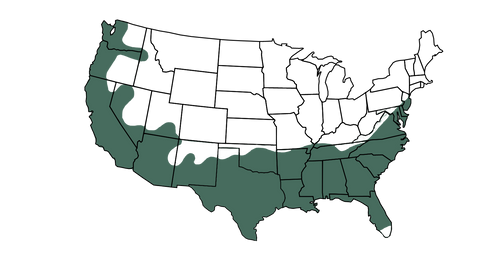
Hardy in USDA Grow Zones 7–9. Red Autumn Sage thrives in hot, sunny, dry climates and is especially well suited to Texas, the Southwest, and other water-wise landscapes. In humid regions, provide excellent drainage and good air circulation.

Note: Red Autumn Sage often produces its heaviest flower displays in spring and fall, with flowering slowing during extreme summer heat.

PLANT DESCRIPTION & MATURE SIZE

Red Autumn Sage, scientifically known as Salvia greggii ‘Red’, is a compact, shrub-like perennial that produces brilliant red tubular flowers above aromatic green foliage. Blooming in repeated flushes from spring through fall, this Texas native plant attracts hummingbirds, butterflies, bees, and other beneficial pollinators. Its exceptional heat and drought tolerance make Red Autumn Sage an excellent choice for xeriscapes, rock gardens, pollinator beds, containers, and water-wise landscapes.

GROWTH RATE & MATURE SIZE:

Moderate growth rate. Reaches approximately 2–3 feet tall and 2–3 feet wide at maturity.

WATERING & SUNLIGHT

Water newly planted Red Autumn Sage regularly until its roots become established, allowing the soil to dry slightly between waterings. Once established, water deeply during extended dry periods and avoid frequent shallow irrigation. This drought-tolerant salvia performs poorly in consistently wet soil. Watering needs vary according to climate, sunlight exposure, soil type, container size, weather, and establishment phase.

Plant Red Autumn Sage where it receives at least 6 hours of direct sunlight daily. It tolerates light partial shade, particularly in hot climates, but too much shade can produce fewer flowers and looser growth.

PLANT CARE & PLANTING INSTRUCTIONS

PRUNING
Cut the plant back by approximately one-third in late winter or early spring to encourage dense new growth. Lightly shear it between bloom cycles to promote additional flowers.

FERTILIZING
Apply a light amount of balanced, slow-release fertilizer in spring only if growth is weak or the soil is poor. Avoid fertilizing for the first 2–3 months after delivery to allow the plant to adjust and establish.

WINTER PROTECTION
Apply 2–3 inches of mulch over the root zone after the first hard freeze, keeping it away from the crown. In colder zones, grow it as an annual or overwinter container plants in a protected location.

PLANTING INSTRUCTIONS:

Choose a location with full sun to partial shade and rocky, sandy, or loamy soil that drains quickly. Dig a hole approximately twice as wide as the root ball and no deeper than its height. Remove the Red Autumn Sage from its container, gently loosen tightly circling roots, and position the crown level with or slightly above the surrounding soil. Backfill with the original soil, firm gently, and water thoroughly. Space plants approximately 2–3 feet apart to accommodate their mature spread and maintain healthy air circulation. Avoid low areas or heavy soil that remains wet after rainfall.

USDA GROW ZONE:

Zones 7-9

Red Autumn Sage grows as a perennial in USDA Zones 7 through 9 and may remain semi-evergreen during mild winters. It thrives in hot, sunny, dry climates and performs especially well in Texas, the Southwest, and other regions with freely draining soil. In humid areas, good air circulation and excellent drainage help prevent fungal and root problems. Gardeners in colder zones can grow Red Autumn Sage as a warm-season annual or overwinter it in a protected container.

Important: USDA Hardiness Zones only measure a plant's cold tolerance. They do not account for heat tolerance, humidity, rainfall, or other climate factors. Always consider your local growing conditions in addition to your USDA Zone when selecting plants.

Frequently Asked Questions

Red Autumn Sage typically reaches approximately 2–3 feet tall and 2–3 feet wide at maturity. Its compact, shrub-like habit works well in borders, rock gardens, foundation beds, and small landscapes.

Red Autumn Sage has a moderate growth rate. With warm temperatures, abundant sunlight, and proper watering during establishment, it can develop into a substantial flowering plant within one growing season.

Plant Red Autumn Sage in a sunny, well-drained location such as a xeriscape, pollinator garden, rock garden, cottage border, or water-wise foundation bed. Avoid low areas and heavy soil that remains wet after rainfall.

Space Red Autumn Sage plants approximately 2–3 feet apart, measuring from the center of each plant. This spacing allows mature plants to fill the area while maintaining adequate air circulation.

Red Autumn Sage blooms in repeated flushes from spring through fall. Flowering is often strongest in spring and autumn and may slow temporarily during extreme midsummer heat.

Yes. Its bright red tubular flowers are especially attractive to hummingbirds. The long flowering season provides a valuable nectar source during spring and fall migration as well as throughout much of the growing season.

Red Autumn Sage is generally considered resistant to deer and rabbits because of its aromatic foliage. No plant is completely animal-proof, particularly when preferred food is scarce.

Red Autumn Sage may remain evergreen or semi-evergreen during mild winters. Freezing temperatures can cause it to lose foliage or die back to the ground, but established plants usually produce new growth in spring within their recommended hardiness range.

Yes. Its compact size and drought tolerance make Red Autumn Sage suitable for sunny patio containers. Use a pot with drainage holes and a fast-draining potting mix, and expect container plants to need more frequent watering than those grown in the ground.

No. Red Autumn Sage is Salvia greggii, a member of the mint family with red tubular flowers. The shrub commonly called Texas Sage is usually Leucophyllum frutescens, a different plant with silvery foliage and purple, pink, or white flowers.

More Details

We process and ship your order as quickly as possible, typically within 1-3 business days. You will receive a shipping confirmation with tracking information once your item(s) ship.

We have perfected packaging and shipping plants & trees! That is why we DO NOT use any third-party fulfillment like most other online retailers. Your trees go straight from our farm to your door, safely packaged by our team of seasoned professionals. Our process ensures your plants leave our facility and arrive to your door in the best condition possible!

In cases of extreme cold or hot weather, we may temporarily delay shipping to ensure the well-being of your plants. Our primary focus is on delivering healthy and thriving plants to you. Rest assured, we'll make every effort to notify you of any delays promptly.

Please allow additional ship times during inclement weather and sale periods. We do not process or ship orders on the weekend or U.S. Holidays. Simply Trees is not responsible for delays due to carriers, local disruptions, or weather.

See how we pack your plants!

Learn more about our Shipping Policy

At Simply Trees, we're committed to your satisfaction. If your plants arrive considerably damaged or sustained damage beyond the point of recovery, please contact us within five days at sales@simplytrees.com with clear photos of the entire plant in question for assistance. Our 1 year guarantee covers issues after planting, subject to our terms. We can't cover plants in the wrong climate or with inadequate care, but we're here to help in other situations. For a detailed understanding of our 1 year guarantee and how we ensure a fair process, click here to learn more.

All California orders require a mandatory inspection by the Texas Department of Agriculture (yep, it’s a USDA thing!). These inspections happen about once a week—typically on Tuesdays, though the day can vary. If you place an order just after an inspection, your plant may not ship for several days until the next one. Unfortunately, we’re not able to expedite this part of the process.

Also, due to USDA regulations, we’re unable to ship oak trees, citrus or fruit trees (except olive trees) to California. This rule helps prevent the spread of pests and diseases and applies to nurseries across the country.

Thanks for your patience—we’ll make sure it’s worth the wait.

What's inside?

Your order from Simply Trees is more than just a box of plants—it’s a carefully curated experience. Here’s what’s inside:

  • We hand-select our plants for premium-quality from top growers nationwide
  • Each plant is then cleaned, prepped, and pruned to remove any blemishes and encourage new growth
  • Expertly treated and inspected for preventative measure
  • The pot is wrapped in a durable plastic bag and secured with a zip tie; house plants get extra protection with a recyclable nursery bag. Some Jumbo plants may be carefully removed from their nursery pot and burlapped to protect the rootball and ensure safe transit.
  • Your plant is strapped into our durable double-pane boxes, secured in place with a heavy-duty zip tie to ensure safe transit
  • A thank you card with a QR code leads to our guide on welcoming your new plants home

We take pride in making sure every detail is just right, so you can enjoy your new greenery from the moment it arrives.

SUSTAINABLE SHIPPING, QUALITY CARE

We've perfected the art of packaging and shipping plants and trees! Unlike most online retailers, we handle everything in-house—no third-party fulfillment. Our experienced team carefully packages your plants to ensure they arrive from our farm to your door in perfect condition.