Home / Purple Coneflower
Purple Coneflower
Purple Coneflower
Purple Coneflower
Purple Coneflower
1 / 4
Perennial

Purple Coneflower

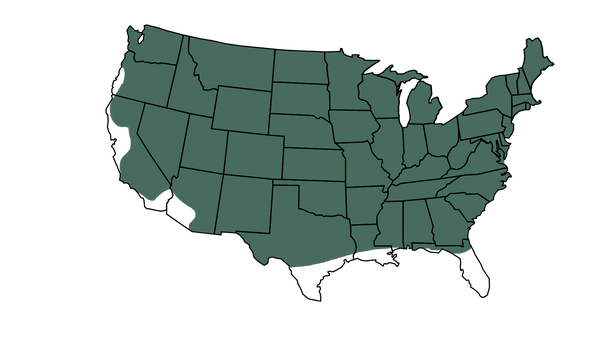
Will it grow where you live?

Zones 3-8

Size: 1 gallon
$20

Black Friday Sale

20% off sitewide

Ends inSun, Nov 29

Take 20% off orders of $150+, applied automatically at checkout.

Add $130 more with this to unlock 20% off your order.

Get it soonFree shipping over $249

Buy more, save more

Save up to $1,000 on your whole cart.

See all savings tiers
Free shipping$249+
Automatic
10% offAny 2 items
$50 off$350+
$125 off$750+
$300 off$1,500+
$500 off$2,500+
$750 off$3,250+
$1,000 off$4,000+

Your code will auto-apply at checkout.

1-year guaranteeShips in 1–5 daysReal plant experts

From our farm to your front door

  • Shipped in its nursery pot, so the roots stay undisturbed
  • Soil secured so it stays put in transit
  • Packed so the plant stays steady on the way to you

At a glance

Sunlight
Full Sun, Partial Sun
Water
When the top 1–2" of soil is dry
Growth & size
Moderate growth rate; reaches 2–4 feet tall and 1.5–2 feet wide at maturity.
Botanical name
Echinacea purpurea
Hardiness
Zones 3-8
Tolerates
Cold hardyHeat tolerant
USDA zone map for Purple Coneflower

Where it grows in the groundShaded areas are the zones where it can be planted outdoors.

Not sure it'll thrive where you live?Real people who answer questions before and after planting.
Chat now

What customers are saying

Why customers love it

Healthy, well-rooted plants

Hand-selected and shipped in its nursery pot.

Delivered to your door

Skip the nursery trip. Very little car Tetris required.

Real plant experts

Ask us anything before or after planting.

1-year guarantee

If something goes wrong, we'll help make it right.

Care made simple

Plant it right once and it does the rest.

Sun
Full Sun, Partial Sun

Pick the spot before you dig.

Water
When the top 1–2" of soil is dry

Water slowly and deeply. Check more often in its first summer.

Grows in
Zones 3-8

Enter your ZIP above to check your zone.

Your first year together

  1. 1Day 1

    Plant it, then water slowly until the whole root ball is soaked.

  2. 2First few weeks

    Keep the soil evenly moist while new roots settle in.

  3. 3First summer

    Water deeply during hot, dry spells.

  4. 4Next spring

    New growth starts. Feed as it wakes up.

Planting instructions
Choose a location in full sun to partial sun with average, well-draining soil. Dig a hole about twice as wide as the root ball and the same depth as the container. Set the plant at the same level it was growing, backfill, and water thoroughly. Space plants about 1.5–2 feet apart.
Watering & sunlight
Water newly planted coneflower when the top 1–2 inches of soil begin to dry, typically once or twice per week during the first growing season and more often during hot, dry, or windy weather. Water deeply at the base so moisture reaches the whole root ball. Once established, Purple Coneflower is drought tolerant and usually needs water only during extended dry spells. Avoid soggy soil. There is no fixed watering schedule, so always check the soil first and adjust based on climate, rainfall, temperature, sunlight, soil type, and drainage.

Need help? Contact our plant experts for watering guidance tailored to your plant and growing conditions.

Purple Coneflower blooms best in full sun. It tolerates partial sun, but with less light it flowers less and stems may lean toward the light.
Care guide

PRUNING:
Deadhead spent flowers in summer to encourage more blooms, or leave seed heads standing for birds. Cut stems back in late fall or early spring before new growth begins.

FERTILIZING:
Usually unnecessary; coneflowers prefer average soil. If growth is weak, apply a light slow-release fertilizer in spring. Avoid fertilizing for the first 2–3 months after delivery to allow the plant to adjust and establish.

WINTER PROTECTION:
Very cold hardy and typically needs no special winter protection within Zones 3–8. Good drainage matters more than mulch for winter survival.

Shipping & what's inside

Your plant ships in its nursery pot with the soil secured, packed so it stays steady on the way to you.

1-year guarantee

Every plant is covered by our 1-year guarantee. If something goes wrong, contact our team and we'll walk you through it.

Answered by Simply Trees plant experts
How big does Purple Coneflower get?
Purple Coneflower typically grows 2–4 feet tall and forms clumps about 1.5–2 feet wide at maturity.
How fast does Purple Coneflower grow?
Purple Coneflower has a moderate growth rate, filling out into a full clump of sturdy, flowering stems.
Where is the best place to plant Purple Coneflower?
Plant it in full sun to partial sun with average, well-draining soil. At least 6 hours of sun gives the most blooms and sturdiest stems. It's a backbone plant for pollinator gardens, borders, meadow and prairie plantings, and cutting gardens.
How far apart should I plant Purple Coneflower?
Space plants about 1.5–2 feet apart so each clump has room to fill out and air can circulate between plants.
Is Purple Coneflower a native plant?
Yes. Purple Coneflower (Echinacea purpurea) is native to the eastern and central United States and supports bees, butterflies, and seed-eating birds.
When does Purple Coneflower bloom?
It blooms through summer with large, daisy-like purple-pink flowers around a spiky orange-brown center, drawing bees and butterflies all season.
Should I deadhead Purple Coneflower?
It's up to you. Deadheading spent flowers in summer encourages more blooms and limits self-seeding. Leaving some seed heads standing feeds goldfinches and other birds into fall and winter.
Is Purple Coneflower drought tolerant?
Yes. Once established, it's drought tolerant and usually needs water only during extended dry spells. Water regularly during its first growing season while roots establish.
Does Purple Coneflower come back every year?
Yes. It's a perennial that's very cold hardy in USDA Zones 3–8. Good drainage matters more than mulch for winter survival, since heavy, wet soil can cause root rot.
Why is my Purple Coneflower floppy?
Rich soil, too much fertilizer, or too little sun can make stems floppy. Coneflowers prefer average soil and rarely need fertilizer, and full sun keeps stems sturdy and upright.
Still deciding? Our plant experts reply fast on live chat. Chat with us