


Phenomenal Lavender
Zones 5-9
Buy more, save more
Save up to $1,000 on your whole cart.
Discounts don't stack. At checkout you automatically get whichever saves you more.
See all savings tiers
Your code will auto-apply at checkout.
From our farm to your front door
- Shipped in its nursery pot, so the roots stay undisturbed
- Soil secured so it stays put in transit
- Packed so the plant stays steady on the way to you
At a glance
- Sunlight
- Full Sun
- Water
- When the top 2–3" of soil is dry
- Growth & size
- Moderate growth rate, reaching a mature height of 2-3 feet and a width of 2-3 feet.
- Botanical name
- Lavandula x intermedia 'Phenomenal'
- Hardiness
- Zones 5-9
- Tolerates
- Cold hardyHeat tolerantDrought tolerantWind tolerant
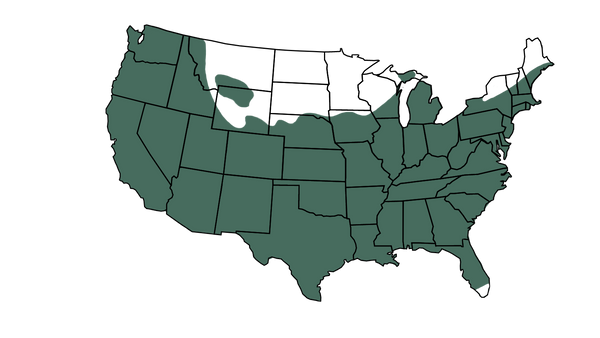
Where it grows in the groundShaded areas are the zones where it can be planted outdoors.


Size guide & what arrives
| *Trade size | **Pot size |
|---|---|
| 1 gallon | 6" |
| 3 gallon | 8 to 10" |
| 5 gallon | 10 to 12" |
| 7 gallon | 14" |
| 10 gallon | 15 to 17" |
| 15 gallon | 17" |
| "Jumbo" | 7 or 10 or 15 gallon |
*Nursery gallon sizes are trade sizes and do not equal standard liquid gallons.
**Pot sizes in inches refer to container width (diameter), not plant or pot height.
Please note: Sizing can differ between plant varieties and growers. Please chat with us if you need clarification.
For more information on sizing, please see our sizing guide.
What arrives
Phenomenal Lavender is drought-tolerant but requires good air circulation around the plant to prevent fungal diseases.
What customers are saying
Why customers love it

Healthy, well-rooted plants
Hand-selected and shipped in its nursery pot.

Delivered to your door
Skip the nursery trip. Very little car Tetris required.

Real plant experts
Ask us anything before or after planting.

1-year guarantee
If something goes wrong, we'll help make it right.
Care made simple
Plant it right once and it does the rest.
Pick the spot before you dig.
Water slowly and deeply. Check more often in its first summer.
Enter your ZIP above to check your zone.
Your first year together
- 1Day 1
Plant it, then water slowly until the whole root ball is soaked.
- 2First few weeks
Keep the soil evenly moist while new roots settle in.
- 3First summer
Water deeply during hot, dry spells.
- 4Next spring
New growth starts. Feed as it wakes up.
Planting instructions
Watering & sunlight
Care guide
Shipping & what's inside
Your plant ships in its nursery pot with the soil secured, packed so it stays steady on the way to you.
1-year guarantee
Every plant is covered by our 1-year guarantee. If something goes wrong, contact our team and we'll walk you through it.
 Answered by Simply Trees plant experts
How big does Phenomenal Lavender get?
When given adequate space to spread and grow, Phenomenal Lavender forms a dense, compact mound of foliage topped with long spikes of fragrant purple flowers. The plant's size and shape make it well-suited for use in borders, mass plantings, containers, and herb gardens.
It's worth noting that Phenomenal Lavender has a slightly larger growth habit compared to some other lavender varieties, thanks in part to its exceptional hardiness and robust growth. However, its manageable size and bushy habit make it easy to incorporate into a variety of landscape designs while still providing the beauty and fragrance that lavender is known for.
How fast does Phenomenal Lavender grow?
Where is the best place to plant Phenomenal Lavender?
Sunlight: Lavenders thrive in full sun, so choose a planting site that receives at least 6 to 8 hours of direct sunlight per day. Avoid shaded areas, as insufficient sunlight can result in leggy growth and reduced flowering.
Well-Drained Soil: Lavenders require well-drained soil to prevent waterlogging, which can lead to root rot. Plant Phenomenal Lavender in soil that is sandy or loamy with good drainage. If your soil is heavy or clayey, consider amending it with organic matter to improve drainage.
Air Circulation: Good air circulation is important for preventing fungal diseases and promoting overall plant health. Avoid planting Phenomenal Lavender in crowded or tightly enclosed areas where air movement is restricted.
Protection from Wind: While lavenders are tolerant of windy conditions, excessive wind can cause damage to the plants and disrupt flowering. If your planting site is prone to strong winds, consider providing some protection, such as planting near a windbreak or using temporary wind barriers.
Accessibility: Choose a planting site that is easily accessible for watering, pruning, and harvesting. Avoid areas that are difficult to reach or navigate, especially if you plan to incorporate Phenomenal Lavender into your garden design.
Companion Plants: Consider planting Phenomenal Lavender alongside other drought-tolerant and sun-loving plants that complement its growth habits and aesthetic appeal. Lavenders often pair well with other Mediterranean herbs, ornamental grasses, and flowering perennials.
By selecting a suitable planting site that meets these criteria, you can help ensure the success of your Phenomenal Lavender plants and enjoy their beauty and fragrance for years to come.
How far apart should I plant Phenomenal Lavender?
In the Garden: If you're planting Phenomenal Lavender in a garden bed or border, space the plants approximately 18 to 24 inches apart. This spacing allows each plant to have ample room to spread and grow while still creating a dense, visually appealing display.
In Containers: When growing Phenomenal Lavender in containers, choose a pot that is at least 12 to 18 inches in diameter to accommodate the plant's root system. You can space multiple lavender plants in a single large container, but be sure to leave enough space between each plant to prevent overcrowding.
Hedging: If you're planting Phenomenal Lavender as a hedge or mass planting, space the plants slightly closer together, approximately 12 to 18 inches (30 to 45 centimeters) apart. This tighter spacing helps create a dense, uniform hedge while still allowing each plant to thrive.
Consider Mature Size: Keep in mind the mature size of Phenomenal Lavender when spacing your plants. While the initial spacing may seem generous, lavenders can spread over time, especially in favorable growing conditions. Providing adequate spacing at planting ensures that the plants have room to reach their full size without overcrowding.
By spacing your Phenomenal Lavender plants appropriately, you can create a beautiful and healthy landscape feature that will thrive for years to come.
Do you cut back Phenomenal Lavender?
Prune Annually: Plan to prune your Phenomenal Lavender annually, typically in late summer or early fall after the plant has finished flowering for the season. This timing allows the plant to recover and produce new growth before the onset of winter.
Remove Spent Flower Stems: Begin by removing any spent flower stems or deadhead the plant by cutting them back to just above a set of healthy leaves or buds. This not only tidies up the plant's appearance but also encourages additional blooming.
Shape the Plant: Use sharp, clean pruning shears to shape the lavender plant as desired. Trim back any leggy or overgrown branches to promote a compact and bushy habit. Aim to maintain a rounded or mounded shape, with the center of the plant slightly taller than the outer edges.
Avoid Cutting Into Old Wood: When pruning, be cautious not to cut into old wood, as this can inhibit new growth. Focus on trimming back the soft, green growth from the current season while leaving the woody stems intact.
Moderate Pruning: While lavender is tolerant of pruning, avoid overly aggressive pruning, especially during the growing season, as this can stress the plant. Instead, aim for moderate pruning to maintain the plant's health and vigor.
Clean Up Debris: After pruning, remove any debris, such as fallen leaves or trimmings, from around the base of the plant to prevent the buildup of pests and diseases.
By following these pruning guidelines, you can keep your Phenomenal Lavender looking its best while promoting healthy growth and abundant flowering.
How hardy is Phenomenal Lavender?
This lavender cultivar is capable of withstanding temperatures as low as -20°F or lower, making it suitable for cultivation in USDA Hardiness Zones 5 through 9. Its ability to survive freezing temperatures sets it apart from many other lavender varieties, which may suffer winter damage or die back in colder climates.
Phenomenal Lavender's hardiness extends beyond its tolerance to cold temperatures. It is also resistant to diseases and pests, further enhancing its durability and reliability in the garden. With proper care and winterization techniques, Phenomenal Lavender can provide years of beauty and fragrance in your landscape, even in challenging climates.
How do you winterize Phenomenal Lavender?
Stop Fertilizing: Cease fertilizing your lavender plant in late summer or early fall. Fertilizing encourages new growth, which can be more susceptible to frost damage.
Reduce Watering: Lavenders are drought-tolerant plants, and overwatering during the winter can lead to root rot. Reduce watering frequency as temperatures cool down, allowing the soil to dry out slightly between waterings.
Prune: Lightly prune your lavender plant in late summer or early fall to remove any dead or diseased branches and promote airflow. Avoid heavy pruning, as this can stimulate new growth that may be vulnerable to frost.
Mulch: Apply a layer of organic mulch, such as straw or shredded leaves, around the base of the plant to insulate the soil and protect the roots from freezing temperatures. Avoid piling mulch against the stem, as this can encourage rot.
Provide Shelter: In regions with extremely cold winters, consider providing additional protection for your lavender plant. You can cover the plant with a layer of burlap or frost cloth, or move container-grown lavenders to a sheltered location, such as a garage or greenhouse, during periods of extreme cold.
Monitor Moisture: Check the soil moisture regularly during the winter months, especially if there is little precipitation. Water the plant sparingly if the soil becomes excessively dry, but avoid waterlogging.
Prune in Spring: In early spring, once the threat of frost has passed, prune your lavender plant more heavily to remove any frost-damaged growth and encourage new growth for the upcoming growing season.
By following these winterization tips, you can help protect your Phenomenal Lavender from the cold and ensure its health and vitality for the following growing season.
I live in an area with very hot summers, will Phenomenal Lavender survive?
In areas with very hot summers, Phenomenal Lavender can still flourish given the right growing conditions. Here are some tips to help your lavender thrive in hot climates:
Plant in Well-Drained Soil: Ensure your lavender is planted in well-drained soil to prevent waterlogging, which can lead to root rot. Sandy or loamy soil with good drainage is ideal.
Provide Adequate Sunlight: Lavenders thrive in full sun, so make sure your plant receives at least 6 to 8 hours of direct sunlight each day. Position it in a sunny spot in your garden where it can soak up the sun's rays.
Water Wisely: While lavender is drought-tolerant once established, it still requires regular watering, especially during periods of extreme heat. Water deeply but infrequently to encourage deep root growth and avoid shallow watering that can lead to stress.
Mulch: Apply a layer of organic mulch around the base of the plant to help retain soil moisture, regulate soil temperature, and suppress weed growth.
Prune Regularly: Prune your lavender regularly to promote bushy growth, improve air circulation, and prevent the plant from becoming woody. Avoid pruning too late in the growing season to prevent stimulating new growth that may be vulnerable to frost damage.
Monitor for Pests and Diseases: Keep an eye out for pests and diseases that may affect your lavender, particularly during hot and humid weather. Inspect the plant regularly and take appropriate measures to control any infestations or infections.
By providing proper care and maintenance, Phenomenal Lavender can thrive and add beauty and fragrance to your garden, even in areas with very hot summers.
Why is my Phenomenal Lavender drying up?
Underwatering: Lavenders prefer well-drained soil but still require regular watering, especially during hot and dry periods. If the plant is not receiving enough water, its leaves may wilt and dry up.
Root Stress: If the lavender's roots are restricted or damaged, such as in a pot-bound situation or compacted soil, it can lead to poor water uptake and drying of the plant.
Excessive Heat: Lavenders are generally drought-tolerant but can struggle in extreme heat, particularly if they are not receiving enough water to compensate for the high temperatures.
Poor Soil Conditions: Lavenders thrive in sandy or loamy soil with good drainage. If the soil is heavy or poorly draining, it can lead to waterlogged conditions and root rot, causing the plant to dry up.
Nutrient Deficiency: Lack of essential nutrients, particularly nitrogen, can cause the lavender to dry up and show signs of stress. Consider fertilizing the plant with a balanced fertilizer to provide the necessary nutrients for healthy growth.
Pests or Diseases: Infestations by pests such as aphids or diseases like root rot can cause the lavender to dry up. Inspect the plant carefully for signs of pests or disease and take appropriate measures to control them.
Environmental Stress: Environmental factors such as strong winds or excessive sun exposure can also contribute to the drying of lavender plants. Providing some shelter or shade during extreme weather conditions can help mitigate this stress.
Assessing the growing conditions of your Phenomenal Lavender and addressing any issues promptly, such as adjusting watering practices or improving soil drainage, can help revive the plant and prevent further drying.
Why is my Phenomenal Lavender dying?
Overwatering: Lavenders prefer well-drained soil and are susceptible to root rot if overwatered. Ensure that the soil is allowed to dry out slightly between waterings, especially in containers or poorly draining soil.
Poor Drainage: If the soil remains soggy for extended periods, it can lead to root rot and other fungal diseases. Consider amending the soil with sand or perlite to improve drainage, or plant the lavender in a raised bed.
Insufficient Sunlight: Lavenders require full sun to thrive and may become leggy or weak if grown in partial shade. Make sure your plant is receiving at least 6 to 8 hours of direct sunlight per day.
Nutrient Deficiency: Lavenders are not heavy feeders but benefit from occasional fertilization with a balanced fertilizer. If your plant's growth is stunted or leaves are turning yellow, it may indicate a nutrient deficiency. Consider feeding with a fertilizer formulated for flowering plants.
Pests and Diseases: Lavenders are generally resistant to pests and diseases, but they can still be affected by issues such as aphids, spider mites, or fungal diseases. Inspect your plant regularly for signs of pests or disease and treat as necessary.
Improper Pruning: Lavenders benefit from annual pruning to promote bushy growth and prevent woody stems. However, if pruned too aggressively or at the wrong time of year, it can stress the plant and lead to decline.
Extreme Temperatures: Lavenders are drought-tolerant once established but may struggle in extreme heat or cold. Protect your plant from temperature extremes, especially during winter or heatwaves.
Assessing your lavender's growing conditions and addressing any issues promptly can help revive a struggling plant. If you're unsure about the specific cause of decline, consider consulting with a local gardening expert or extension service for personalized advice.