


Peace Lily
Save up to $1,000 on your whole cart.
Your code will auto-apply at checkout.
From our farm to your front door
- Shipped in its nursery pot, so the roots stay undisturbed
- Soil secured so it stays put in transit
- Packed so the plant stays steady on the way to you
At a glance
- Light
- Bright Indirect Sunlight
- Water
- When the top 1" is dry or leaves droop
- Care level
- Pretty easy
- Pets
- Not pet friendly
- Growth & size
- Moderate growth rate; reaches a mature height of 1-4 feet
and width of 1-3 feet. - Botanical name
- Spathiphyllum


Size guide & what arrives
| *Trade size | **Pot size |
|---|---|
| 1 gallon | 6" |
| 3 gallon | 8 to 10" |
| 5 gallon | 10 to 12" |
| 7 gallon | 14" |
| 10 gallon | 15 to 17" |
| 15 gallon | 17" |
| "Jumbo" | 7 or 10 or 15 gallon |
*Nursery gallon sizes are trade sizes and do not equal standard liquid gallons.
**Pot sizes in inches refer to container width (diameter), not plant or pot height.
Please note: Sizing can differ between plant varieties and growers. Please chat with us if you need clarification.
For more information on sizing, please see our sizing guide.
What arrives
The Peace Lily is known for its air-purifying qualities, helping to improve indoor air quality.
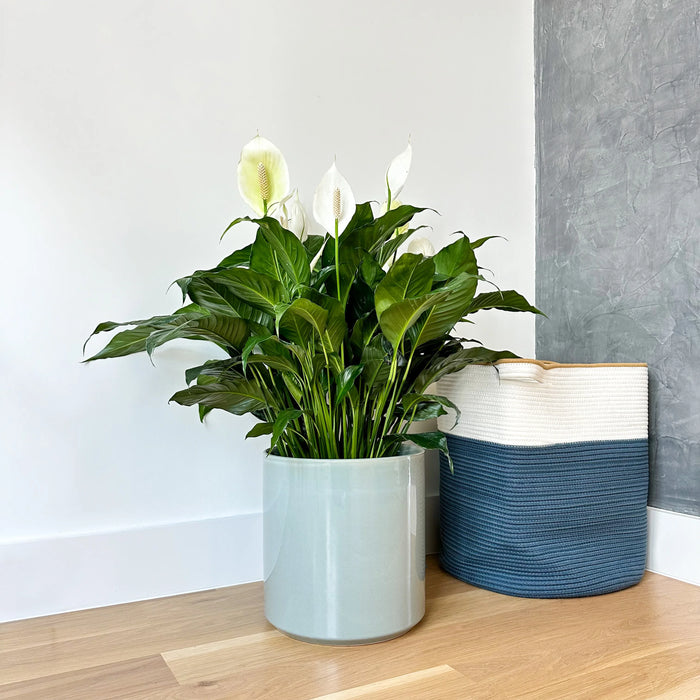
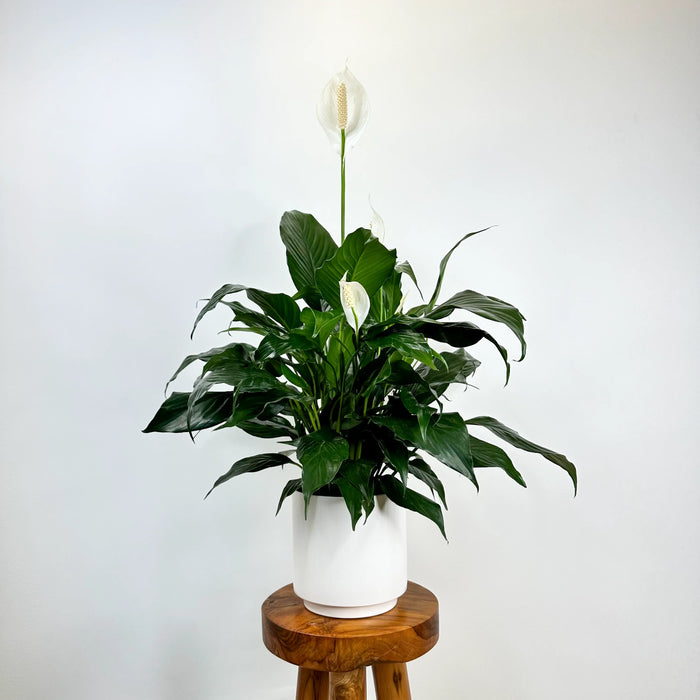
*The pot pictured is not included.
What customers are saying
Why customers love it
Instant life for any room
Living green that makes a space feel finished.
Healthy, well-rooted plants
Hand-selected and shipped in its nursery pot.
Delivered to your door
Skip the nursery trip. Very little car Tetris required.
Real plant experts
Ask us anything before or after it arrives.
Care made simple
Simple care, matched to this plant.
For optimal growth, place your Peace Lily in a spot with low to medium indirect light. Avoid direct sunlight to keep this elegant houseplant thriving.
Allow the soil to dry slightly between waterings. Water thoroughly when the top inch of soil feels dry. Avoid overwatering.
Your first months together
- 1Day 1
Unbox, set it in its spot, and check the soil before you water.
- 2First few weeks
A few dropped leaves is normal while it adjusts to your home.
- 3Spring & summer
Feed during the growing season. Skip it in winter.
- 4Every 1–2 years
Repot into a slightly bigger pot once roots fill this one.
Light & water
For optimal growth, place your Peace Lily in a spot with low to medium indirect light. Avoid direct sunlight to keep this elegant houseplant thriving.
Allow the soil to dry slightly between waterings. Water thoroughly when the top inch of soil feels dry. Avoid overwatering.
About this plant
*The pot pictured is not included.
Care guide
Shipping & what's inside
Your plant ships in its nursery pot with the soil secured, packed so it stays steady on the way to you.
1-year guarantee
Every plant is covered by our 1-year guarantee. If something goes wrong, contact our team and we'll walk you through it.
 Answered by Simply Trees plant experts
Does the Peace Lily need sunlight?
Bright, Indirect Light: Peace Lilies thrive in bright, indirect light. Place them near a window with filtered sunlight, but avoid exposing them to direct sunlight, especially during the hot afternoon hours. North or east-facing windows are often suitable locations.
Tolerant of Lower Light: Peace Lilies are adaptable and can tolerate lower light conditions. They can do well in areas with moderate to low light, making them suitable for rooms with less natural light.
Signs of Inadequate Light: When Peace Lilies do not receive enough light, they may exhibit signs such as slow growth and fewer blooms. Their dark green leaves may also become lighter in color.
Avoid Harsh Light: Protect your Peace Lily from direct sun, as it can scorch the leaves and cause damage.
Rotate the Plant: To ensure even growth and prevent the plant from leaning toward the light source, rotate your Peace Lily periodically (about once a month).
In summary, Peace Lilies require some level of light to grow and thrive, but they are relatively adaptable and can tolerate a range of lighting conditions. Bright, indirect light is ideal, but they can also do well in moderate to low light areas within your home. Monitoring the plant's response to its lighting conditions will help you determine if it's receiving an adequate amount of light.
How do you keep Peace Lilies happy?
Light: Provide bright, indirect light. Place your Peace Lily near a north or east-facing window where it receives filtered sunlight. Avoid direct sun, which can scorch the leaves. They can tolerate lower light conditions but may not bloom as frequently.
Temperature: Maintain indoor temperatures between 65-80°F (18-27°C). Avoid exposing the plant to temperature extremes or drafts.
Humidity: Peace Lilies appreciate higher humidity levels. If your home has dry air, increase humidity around the plant using methods like misting, humidity trays, or a room humidifier.
Watering: Keep the soil consistently moist but not waterlogged. Water when the top inch or two of soil feels dry to the touch. Always use well-draining pots with drainage holes to prevent waterlogging.
Quality of Water: Use room-temperature, filtered, or dechlorinated water if possible. Avoid water with high mineral content or softened water.
Fertilization: Feed your Peace Lily with a balanced, water-soluble fertilizer during the growing season (spring and summer) every 4-6 weeks. Reduce or stop fertilization during the dormant season (fall and winter).
Pruning: Remove dead or yellowing leaves and spent flowers regularly to encourage new growth and maintain an attractive appearance.
Repotting: Repot your Peace Lily when it outgrows its pot or becomes root-bound. Use a slightly larger pot with fresh, well-draining potting mix.
Avoid Overcrowding: Ensure that your Peace Lily has enough space and is not crowded by other plants.
Rotate the Plant: Rotate the plant occasionally to ensure even growth and prevent it from leaning toward the light source.
Pets and Children: Be cautious if you have pets or small children, as Peace Lilies are mildly toxic if ingested. Keep them out of reach.
Monitor for Pests: Check the plant regularly for signs of pests such as spider mites or mealybugs, and treat promptly if infestations occur.
Rest Period: Peace Lilies may have a dormant period during the fall and winter when growth slows. Adjust your care routine accordingly by reducing watering and fertilization.
By providing the right lighting, humidity, and watering conditions, along with regular maintenance, you can keep your Peace Lily healthy and happy, and it will reward you with its elegant foliage and occasional white bracts.
Where should Peace Lilies be placed in the house?
Bright, Indirect Light: Peace Lilies prefer bright, indirect light. Place them near a window with filtered sunlight, but avoid direct sunlight, which can scorch their leaves. North or east-facing windows are often ideal.
Moderate to Low Light: Peace Lilies are adaptable and can tolerate lower light conditions. They can be placed in areas with moderate to low light, such as corners of rooms or spaces with filtered or ambient light.
Avoid Harsh Light: Avoid placing your Peace Lily in direct sunlight, especially during the hot afternoon hours, as it can lead to leaf damage and stress.
Temperature: Maintain consistent indoor temperatures between 65-80°F (18-27°C). Avoid exposing the plant to temperature extremes, drafts, or sudden temperature changes.
Humidity: Peace Lilies thrive in higher humidity levels. If the air in your home is dry, consider increasing humidity around the plant using methods like misting, humidity trays, or a room humidifier.
Avoid Cold Drafts: Keep the plant away from cold drafts, such as those from open windows or doors during the winter months.
Bathrooms: Peace Lilies can do well in bathrooms with good natural or artificial light and higher humidity levels. Just ensure they receive adequate light even in the bathroom.
Decorative Containers: Consider placing your Peace Lily in a decorative container or plant stand that complements your home decor while providing the right lighting conditions.
Rotate the Plant: To encourage even growth and prevent the plant from leaning toward the light source, rotate it periodically (about once a month).
Pets and Children: Be cautious if you have pets or small children, as Peace Lilies are mildly toxic if ingested. Keep them out of reach.
Remember that Peace Lilies are adaptable and can tolerate a range of lighting conditions, but they generally thrive in bright, indirect light. Monitor the plant's response to its location, and if you notice signs of stress, such as yellowing leaves or slow growth, consider adjusting its placement to better suit its light requirements.
How often do you water the Peace Lily?
Check the Soil Moisture: Before watering, always check the moisture level of the soil. Stick your finger about an inch into the soil. If it feels dry at this depth, it's time to water.
Water Thoroughly: When it's time to water, give your Peace Lily a thorough soaking. Water until you see excess water draining from the bottom of the pot. This ensures that the entire root ball is adequately moistened.
Avoid Overwatering: Peace Lilies are sensitive to overwatering. Make sure the pot has good drainage, and never allow the plant to sit in standing water.
Adjust for Environmental Conditions: Factors such as temperature, humidity, and air circulation affect the plant's water requirements. In general, Peace Lilies may need more frequent watering in warmer, drier conditions and less in cooler, more humid conditions.
Seasonal Adjustments: During the growing season (spring and summer), when the plant is actively growing, you may need to water more frequently. In the dormant season (fall and winter), reduce the frequency of watering, allowing the top inch or two of soil to dry out before watering again.
Humidity: Peace Lilies appreciate higher humidity levels. In dry indoor environments, you may need to water more often to compensate for the lack of humidity.
Leaf Droop Indicator: Peace Lilies have a helpful visual indicator for watering. When they need water, their leaves will start to droop. Watering will typically cause the leaves to perk up again within a few hours.
Avoid Waterlogging: Be cautious not to let the plant sit in water-filled saucers, as this can lead to root rot. Empty excess water from the saucer after watering.
Quality of Water: Use room-temperature, filtered, or dechlorinated water if possible. Avoid using water with high mineral content or softened water, as these can harm the plant.
Consistency: Try to establish a consistent watering routine based on the plant's needs and environmental conditions. This can help prevent both overwatering and underwatering.
By paying attention to these factors and adjusting your watering schedule accordingly, you can keep your Peace Lily healthy and thriving. Always prioritize the plant's specific needs over a strict watering schedule.
How / When do I repot my Peace Lily?
When to Repot:
Root Bound: If the plant's roots have filled the pot and are circling around the root ball, it's time to repot. You might see roots emerging from the drainage holes or pushing the plant out of the pot.
Stagnant Growth: If your Peace Lily has stopped growing or its growth has slowed significantly, it might be root-bound or running out of nutrients in the current potting mix.
Watering Issues: If the soil dries out quickly despite regular watering, it could be due to the plant's root system taking up most of the pot.
Visible Pot Overcrowding: If the plant looks crowded in its pot, with leaves spilling over the sides, it's a sign it needs more space.
How to Repot:
Choose the Right Time: Spring or early summer is generally the best time to repot your Peace Lily. This allows it to recover and establish itself in the new pot during the growing season.
Select a New Pot: Choose a pot that is only slightly larger than the current one, about 1-2 inches (2.5-5 cm) larger in diameter. Make sure the new pot has drainage holes.
Prepare New Potting Mix: Use a well-draining potting mix suitable for Peace Lilies. A mix containing peat, perlite, and pine bark is often a good choice.
Gently Remove the Plant: Carefully remove the Peace Lily from its current pot. You can tap the pot's sides and gently tug on the plant to loosen the roots. Be cautious not to damage the roots.
Inspect and Trim Roots: If the roots are tightly circling the root ball, consider trimming some of the longer or damaged roots with clean, sharp scissors or pruning shears.
Add Fresh Soil: Place a layer of fresh potting mix at the bottom of the new pot and position the Peace Lily at the same depth it was in the old pot. Fill in around the root ball with the new potting mix.
Water Thoroughly: After repotting, water the plant thoroughly to help settle the soil and eliminate air pockets. Allow excess water to drain away.
Maintenance: After repotting, your Peace Lily may need a few weeks to adjust. During this time, keep it in bright, indirect light and avoid overwatering. Resume your regular care routine once the plant shows signs of recovery.
By following these steps, you can ensure a successful repotting process for your Peace Lily, providing it with the space it needs to thrive and grow.
How often do Peace Lilies bloom?
Maturity: Young Peace Lilies may not bloom as frequently as mature plants. They typically start blooming when they are a couple of years old.
Light: Adequate light is essential for blooming. Place your Peace Lily in bright, indirect light for the best results. Avoid direct sunlight, which can scorch the leaves.
Temperature: Peace Lilies prefer consistent indoor temperatures between 65-80°F (18-27°C). Avoid exposing them to temperature extremes or drafts.
Watering: Consistent and appropriate watering is crucial. Keep the soil evenly moist, but avoid waterlogging. Overwatering or allowing the plant to dry out excessively can inhibit blooming.
Humidity: Higher humidity levels can encourage blooming. Use methods like misting, humidity trays, or room humidifiers to maintain adequate humidity, especially in dry indoor environments.
Fertilization: Regular fertilization during the growing season (spring and summer) can promote blooming. Use a balanced, diluted liquid fertilizer every 4-6 weeks.
Pruning: Removing dead or spent blooms and yellowing leaves can redirect the plant's energy toward producing new flowers.
Repotting: Avoid repotting your Peace Lily too frequently, as they prefer slightly root-bound conditions. Repot only when the plant has clearly outgrown its pot.
With proper care and attention to these factors, a healthy Peace Lily can produce blooms several times a year, adding beauty and elegance to your indoor space. However, it's important to note that while Peace Lilies are known for their attractive white bracts, the actual flowers are small and often less conspicuous. The bracts are the showy part of the plant that gives the appearance of blooming.
Why is my Peace Lily dying?
Overwatering or Underwatering: Incorrect watering is a common issue. Overwatering can lead to root rot, while underwatering can cause drought stress. Ensure you're providing consistent, appropriate moisture for the plant's needs.
Poor Drainage: Peace Lilies require well-draining soil and pots with drainage holes. Inadequate drainage can lead to waterlogged roots.
Improper Light: Peace Lilies prefer bright, indirect light. Too much direct sunlight can scorch the leaves, while low light can lead to slow growth and reduced health.
Low Humidity: These plants thrive in higher humidity levels. Dry indoor air, especially in winter, can cause brown leaf tips and overall stress.
Pot Size: Peace Lilies prefer slightly root-bound conditions. If the pot is too large, it can hold excess moisture, leading to root problems.
Lack of Nutrients: Infrequent or inadequate fertilization can result in poor growth and overall decline. Use a balanced, water-soluble fertilizer during the growing season.
Pests and Diseases: Peace Lilies can be susceptible to pests like spider mites and mealybugs or fungal diseases. Inspect the plant regularly for signs of infestation or disease.
Pot-Bound: If the plant has outgrown its pot and become root-bound, it may struggle to absorb nutrients and moisture.
Temperature Fluctuations: Avoid exposing the plant to extreme temperature changes or drafts, which can stress the plant.
To address these issues and revive a dying Peace Lily:
- Check the plant's root health; if you suspect root rot, trim affected roots and repot the plant in fresh soil.
- Adjust your watering routine to maintain consistent moisture levels without waterlogging.
- Ensure the plant receives appropriate light and humidity levels.
- Prune away dead or damaged foliage.
- Treat any pest infestations or diseases promptly.
- Repot if the plant has outgrown its pot or if the soil has become depleted of nutrients.
By addressing the specific problems affecting your Peace Lily and providing proper care, you can often revive a struggling plant and help it recover.
How do you know if a Peace Lily is overwatered?
Yellowing Leaves: Overwatering can lead to yellowing leaves, starting at the tips and progressing toward the center of the leaf.
Wilting and Drooping: Paradoxically, overwatering can cause the plant to wilt and appear limp because the roots become waterlogged and can't supply the plant with sufficient oxygen.
Mushy or Soft Stems: When overwatered, the stems may become soft and mushy to the touch.
Brown Leaf Edges: While overwatering primarily affects the roots, it can also lead to browning at the edges of the leaves.
Yellowing Lower Leaves: The lower leaves of the Peace Lily may be the first to show signs of overwatering, turning yellow and then brown.
Soil Remains Wet: If the soil consistently feels soggy or waterlogged, even days after watering, it's a clear sign of overwatering.
To address overwatering, allow the top inch or two of the soil to dry out before watering again. Ensure that the pot has proper drainage to allow excess water to escape, and consider using a well-draining potting mix. Adjust your watering frequency to the specific needs of your Peace Lily and the environmental conditions in your home to prevent overwatering in the future.