


Otto Quast Spanish Lavender
Zones 7-11
Buy more, save more
Save up to $1,000 on your whole cart.
Discounts don't stack. At checkout you automatically get whichever saves you more.
See all savings tiers
Your code will auto-apply at checkout.
From our farm to your front door
- Shipped in its nursery pot, so the roots stay undisturbed
- Soil secured so it stays put in transit
- Packed so the plant stays steady on the way to you
At a glance
- Sunlight
- Full Sun
- Water
- When the top 2–3" of soil is dry
- Growth & size
- Moderate growth rate; typically reaches 18-24 inches in height and width.
- Botanical name
- Lavandula stoechas 'Otto Quast'
- Hardiness
- Zones 7-11
- Tolerates
- Heat tolerantDrought tolerantWind tolerantCoastal tolerant
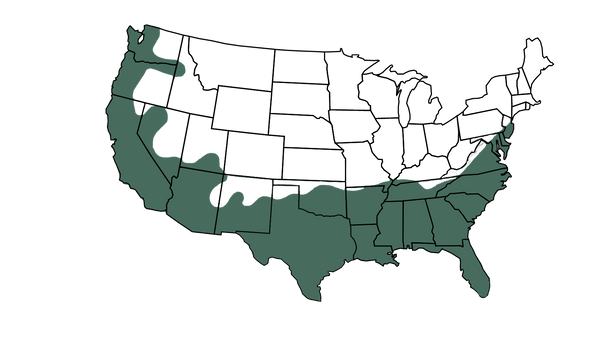
Where it grows in the groundShaded areas are the zones where it can be planted outdoors.


Size guide & what arrives
| *Trade size | **Pot size |
|---|---|
| 1 gallon | 6" |
| 3 gallon | 8 to 10" |
| 5 gallon | 10 to 12" |
| 7 gallon | 14" |
| 10 gallon | 15 to 17" |
| 15 gallon | 17" |
| "Jumbo" | 7 or 10 or 15 gallon |
*Nursery gallon sizes are trade sizes and do not equal standard liquid gallons.
**Pot sizes in inches refer to container width (diameter), not plant or pot height.
Please note: Sizing can differ between plant varieties and growers. Please chat with us if you need clarification.
For more information on sizing, please see our sizing guide.
What arrives
Otto Quast Spanish Lavender is drought-tolerant but requires well-draining soil. Regular pruning after flowering can help maintain its shape and encourage more blooms.
What customers are saying
Why customers love it

Healthy, well-rooted plants
Hand-selected and shipped in its nursery pot.

Delivered to your door
Skip the nursery trip. Very little car Tetris required.

Real plant experts
Ask us anything before or after planting.

1-year guarantee
If something goes wrong, we'll help make it right.
Care made simple
Plant it right once and it does the rest.
Pick the spot before you dig.
Water slowly and deeply. Check more often in its first summer.
Enter your ZIP above to check your zone.
Your first year together
- 1Day 1
Plant it, then water slowly until the whole root ball is soaked.
- 2First few weeks
Keep the soil evenly moist while new roots settle in.
- 3First summer
Water deeply during hot, dry spells.
- 4Next spring
New growth starts. Feed as it wakes up.
Planting instructions
Watering & sunlight
Care guide
Shipping & what's inside
Your plant ships in its nursery pot with the soil secured, packed so it stays steady on the way to you.
1-year guarantee
Every plant is covered by our 1-year guarantee. If something goes wrong, contact our team and we'll walk you through it.
 Answered by Simply Trees plant experts
How big does Otto Quast Spanish Lavender get?
How fast does Otto Quast Spanish Lavender grow?
Where is the best place to plant Otto Quast Spanish Lavender?
How do you care for Otto Quast Spanish Lavender?
Sunlight: Plant in a location that receives full sun for at least six to eight hours per day. Lavender thrives in bright sunlight and warm temperatures.
Well-drained soil: Ensure the soil is well-draining and slightly alkaline. Lavender dislikes wet feet, so avoid waterlogged or poorly draining soil.
Watering: Water deeply but infrequently, allowing the soil to dry out between waterings. Lavender is drought-tolerant once established, so avoid overwatering to prevent root rot.
Pruning: Prune Otto Quast Spanish Lavender after the first flush of blooms to encourage reblooming and maintain a compact shape. Trim back spent flower stems and lightly shape the plant as needed.
Fertilization: Lavender typically doesn't require much fertilization. Apply a balanced fertilizer sparingly in early spring if necessary, but avoid over-fertilizing, which can lead to excessive foliage growth at the expense of flowers.
Winter protection: In colder climates, provide winter protection by mulching around the base of the plant to insulate the roots from freezing temperatures.
Pest and disease management: Lavender is generally resistant to pests and diseases. Monitor for common issues such as aphids, spider mites, and fungal diseases, and treat promptly if necessary.
Propagation: Propagate Otto Quast Spanish Lavender through softwood cuttings taken in spring or summer. Ensure the cuttings have a node and remove lower leaves before planting in well-draining soil.
By providing the right growing conditions and minimal maintenance, you can enjoy the fragrant blooms and attractive foliage of Otto Quast Spanish Lavender in your garden.
How often should you water Otto Quast Spanish Lavender?
How much sun does Otto Quast Spanish Lavender need?
How do I get my Otto Quast Spanish Lavender to bloom more?
Pruning: Regularly prune the plant after each flowering cycle to encourage new growth and stimulate additional blooms. Remove spent flower spikes by cutting them back to just above the foliage.
Deadheading: Remove faded or spent flowers promptly to prevent the plant from putting energy into seed production. This encourages the plant to produce more flowers instead.
Sunlight: Ensure your lavender receives full sunlight for at least 6 to 8 hours a day. Lack of sunlight can reduce blooming.
Well-draining soil: Lavender plants prefer well-draining soil. If your soil retains too much moisture, it can lead to root rot and inhibit blooming. Consider amending the soil with sand or perlite to improve drainage.
Proper watering: While lavender is drought-tolerant once established, consistent moisture is important, especially during the plant's active growing season. Water deeply but infrequently to encourage deep root growth. Avoid overwatering, as it can cause root rot and affect blooming.
Fertilization: Lavender plants generally do not require heavy fertilization. Too much nitrogen can encourage foliage growth at the expense of flowers. Instead, use a low-nitrogen, balanced fertilizer or a fertilizer formulated specifically for flowering plants, and apply it sparingly in spring.
Air circulation: Ensure good air circulation around the plant to prevent humidity buildup, which can lead to fungal diseases that affect flowering.
By providing the right growing conditions and proper care, you can encourage your Otto Quast Spanish Lavender to produce more blooms throughout the growing season.
Is Otto Quast Spanish Lavender edible?
Herbal Teas: The dried flowers and leaves can be used to make herbal teas, either alone or in combination with other herbs.
Culinary Garnish: Fresh or dried lavender flowers make a beautiful and fragrant addition to salads, desserts, and cocktails as a decorative garnish.
Flavoring: Lavender can be used sparingly to flavor baked goods, such as cookies, cakes, and shortbread.
Infusions: Lavender-infused syrups, sugars, or oils can add a subtle floral flavor to a variety of dishes, including sauces, dressings, and marinades.
When using lavender in cooking, it's important to use it sparingly, as its flavor can be quite strong. Additionally, be sure to use culinary lavender that has not been treated with pesticides or other chemicals.
How do I protect Otto Quast Spanish Lavender in the winter?
Mulching: Apply a layer of organic mulch, such as straw, shredded leaves, or pine needles, around the base of the lavender plant. This helps to insulate the roots and soil, providing some protection against freezing temperatures.
Avoid Overwatering: Reduce watering frequency during the winter months to prevent excess moisture around the roots, which can increase the risk of frost damage.
Covering: In regions with occasional frost or light freezes, you can cover the lavender plant with a frost cloth or blanket during cold nights. Be sure to remove the cover during the day to allow sunlight and air circulation.
Plant Location: If possible, plant Otto Quast Spanish Lavender in a sheltered location, such as near a south-facing wall or in a protected garden bed, to provide some natural protection from harsh winter winds.
Pruning: Avoid heavy pruning in late fall or winter, as this can stimulate new growth that may be more susceptible to frost damage. Instead, wait until early spring to prune any dead or damaged branches.
By taking these precautions, you can help protect Otto Quast Spanish Lavender from winter damage and ensure its health and vigor when the warmer weather returns.