


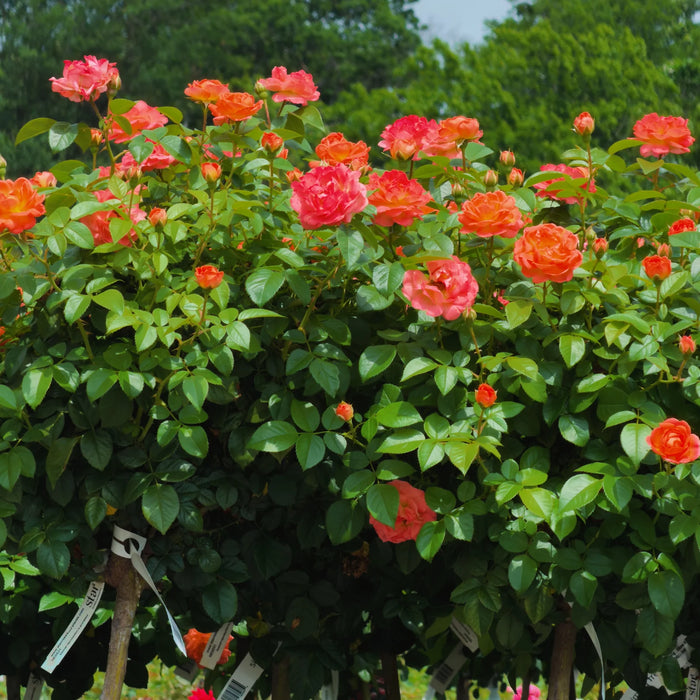
Orange Glow™ Knock Out® Rose Tree
Zones 5-11
Buy more, save more
Save up to $1,000 on your whole cart.
Discounts don't stack. At checkout you automatically get whichever saves you more.
See all savings tiers
Your code will auto-apply at checkout.
From our farm to your front door
- Shipped in its nursery pot, so the roots stay undisturbed
- Soil secured so it stays put in transit
- Packed so the plant stays steady on the way to you
At a glance
- Sunlight
- Full Sun, Partial Sun, Partial Shade
- Water
- When the top 2" of soil is dry
- Growth & size
- Moderate growth rate, reaching 3-4 feet in height and 3-4 feet in width.
Sizing: Our patio rose trees are primarily utilized as outdoor patio plants and are potted. Accordingly, we measure our rose trees from the bottom of the pot to the top of the tree for accuracy. - Botanical name
- 'Radslam' PPAF
- Hardiness
- Zones 5-11
- Tolerates
- Cold hardyHeat tolerantHumidity tolerantDrought tolerantWind tolerant
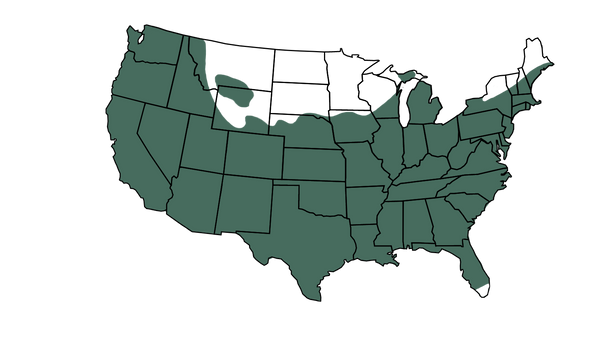
Where it grows in the groundShaded areas are the zones where it can be planted outdoors.


Size guide & what arrives
| *Trade size | **Pot size |
|---|---|
| 1 gallon | 6" |
| 3 gallon | 8 to 10" |
| 5 gallon | 10 to 12" |
| 7 gallon | 14" |
| 10 gallon | 15 to 17" |
| 15 gallon | 17" |
| "Jumbo" | 7 or 10 or 15 gallon |
*Nursery gallon sizes are trade sizes and do not equal standard liquid gallons.
**Pot sizes in inches refer to container width (diameter), not plant or pot height.
Please note: Sizing can differ between plant varieties and growers. Please chat with us if you need clarification.
For more information on sizing, please see our sizing guide.
What arrives
While the Orange Glow Knock Out Rose Tree is known for its durability, it may still benefit from occasional pruning to maintain its shape and encourage more blooms.
*Sizing: Our patio rose trees are primarily utilized as outdoor patio plants and are potted. Accordingly, we measure our rose trees from the bottom of the pot to the top of the tree for accuracy.
What customers are saying
Why customers love it
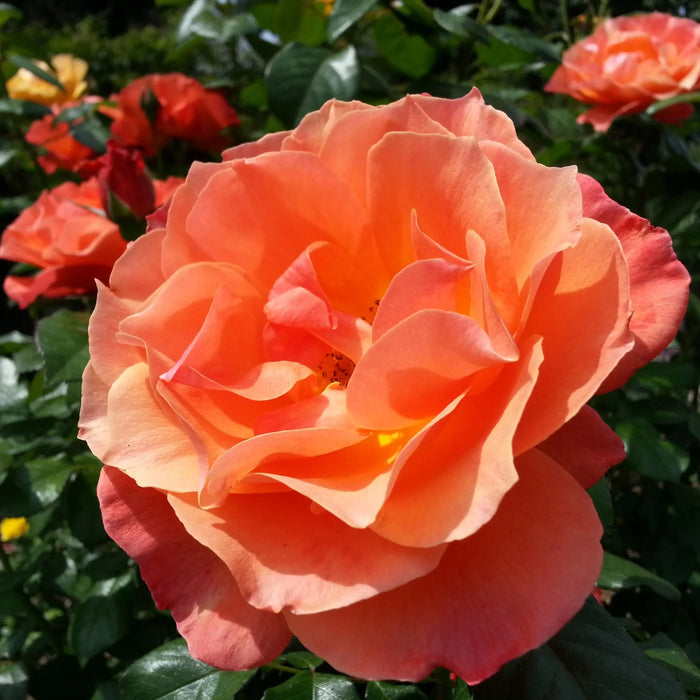
Healthy, well-rooted plants
Hand-selected and shipped in its nursery pot.
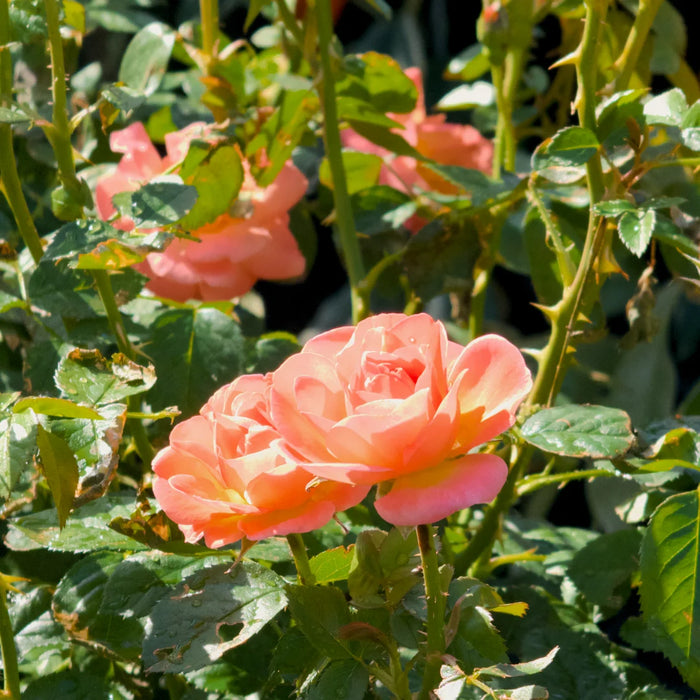
Delivered to your door
Skip the nursery trip. Very little car Tetris required.
Real plant experts
Ask us anything before or after planting.
1-year guarantee
If something goes wrong, we'll help make it right.
Care made simple
Plant it right once and it does the rest.
Pick the spot before you dig.
Water slowly and deeply. Check more often in its first summer.
Enter your ZIP above to check your zone.
Your first year together
- 1Day 1
Plant it, then water slowly until the whole root ball is soaked.
- 2First few weeks
Keep the soil evenly moist while new roots settle in.
- 3First summer
Water deeply during hot, dry spells.
- 4Next spring
New growth starts. Feed as it wakes up.
Planting instructions
Watering & sunlight
Use a slow-running hose, soaker hose, or drip system to water the root ball and surrounding root zone thoroughly. Allow the water to penetrate deeply (not just wet the top few inches of soil), and avoid frequent, shallow watering.
Before watering again, check the soil 3–4 inches deep near the root ball. If it feels dry, repeat this deep-watering process. If it feels moist or soggy, wait and check again in 1–2 days. Check the soil of newly planted trees and shrubs several times per week, especially during hot, dry, or windy weather.
Irrigation run times will vary based on flow rate, soil, and system setup.
Need help? Contact our plant experts for watering guidance tailored to your plant and growing conditions.
Orange Glow Knock Out Rose Tree flourishes in full sun, needing at least 6 to 8 hours of direct sunlight daily. Adequate sunlight is essential for the best flowering performance and overall health of the plant.
Care guide
Shipping & what's inside
Your plant ships in its nursery pot with the soil secured, packed so it stays steady on the way to you.
1-year guarantee
Every plant is covered by our 1-year guarantee. If something goes wrong, contact our team and we'll walk you through it.
 Answered by Simply Trees plant experts
How big does the Orange Glow Knock Out Rose Tree get?
In general, Knock Out Rose Trees are compact shrubs that are well-suited for smaller gardens, borders, and containers. They have a relatively rounded growth habit with dense foliage and abundant blooms, making them ideal for adding color and interest to landscapes.
Proper spacing is important when planting Orange Glow Knock Out Rose Trees to allow them to reach their full size while preventing overcrowding. Providing adequate room for air circulation also helps maintain plant health and reduces the risk of disease.
Regular pruning can help shape the tree and control its size, as well as promote healthy growth and abundant flowering. By removing dead or diseased branches and selectively pruning to maintain the desired shape, you can ensure that your Orange Glow Knock Out Rose Tree remains an attractive and vibrant addition to your garden.
How fast does the Orange Glow Knock Out Rose Tree grow?
Where is the best place to plant the Knock Out Rose Tree?
Sunlight: Select a spot with plenty of sunlight, as Knock Out Rose Trees thrive in sunny locations. Full sun exposure promotes vigorous growth and abundant flowering.
Soil Drainage: Ensure the planting site has well-draining soil to prevent waterlogging, which can lead to root rot. Avoid areas with compacted or poorly drained soil.
Air Circulation: Choose a location with good air circulation to reduce the risk of fungal diseases. Adequate airflow helps keep the foliage dry and prevents moisture buildup.
Space: Provide enough space for the Knock Out Rose Tree to grow to its full size without overcrowding. Consider the mature dimensions of the tree and plant it at least 3-4 feet away from other plants, structures, or obstacles.
Accessibility: Plant the rose tree in an easily accessible area where you can enjoy its beauty and easily care for it. Avoid planting it in low-lying areas prone to water pooling or where it may be overshadowed by larger plants or structures.
Aesthetic Appeal: Consider the overall landscape design and choose a location that enhances the beauty of your garden or outdoor space. Knock Out Rose Trees make stunning focal points in flower beds, along pathways, or as border plantings.
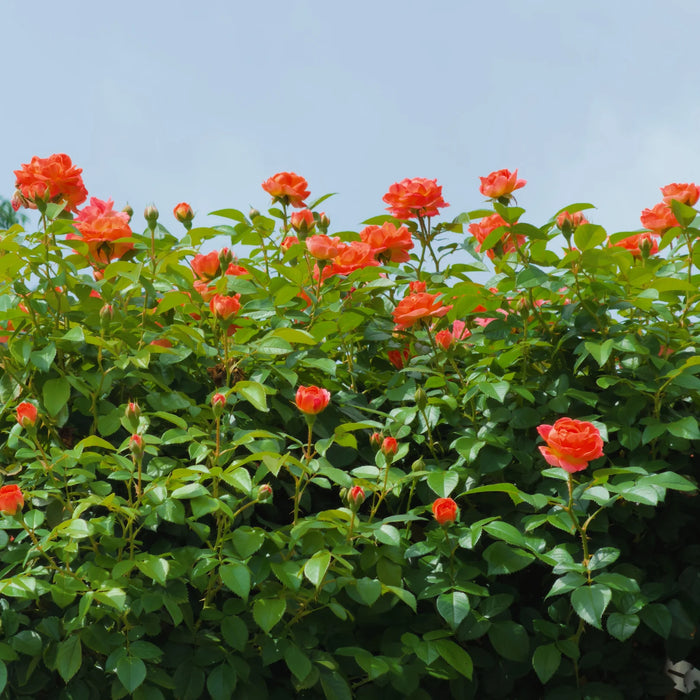
By selecting the right planting site, you can ensure that your Knock Out Rose Tree thrives and produces an abundance of vibrant orange blooms throughout the growing season.
How do I plant the Knock Out Rose Tree in a planter?
Select a Suitable Planter: Choose a large planter with drainage holes at the bottom to allow excess water to escape. The planter should be at least 18-24 inches in diameter and equally deep to accommodate the rose tree's root system.
Prepare the Planter: Fill the bottom of the planter with a layer of gravel or small stones to improve drainage. Then, fill the planter with a well-draining potting mix formulated for roses or container gardening. You can also amend the soil with compost or organic matter to improve its fertility and structure.
Planting the Rose Tree: Carefully remove the Knock Out Rose Tree from its nursery container, gently teasing the roots apart if they are tightly bound. Place the tree in the center of the planter at the same depth it was growing in its original container. Backfill the planter with soil, pressing gently to remove air pockets around the roots.
Watering: After planting, thoroughly water the Knock Out Rose Tree to settle the soil and ensure adequate moisture around the roots. Water deeply whenever the top inch of soil feels dry to the touch, but avoid overwatering, as soggy soil can lead to root rot.
Placement: Choose a sunny location for your planter, as Knock Out Rose Trees require at least six to eight hours of sunlight per day to thrive and bloom abundantly. Place the planter where it will receive adequate air circulation and avoid overcrowding with other plants.
Maintenance: Regularly check the planter's moisture levels and water the rose tree as needed, especially during hot or dry weather. Monitor the plant for signs of pests, diseases, or nutrient deficiencies, and address any issues promptly. Prune the rose tree as needed to maintain its shape and size, removing dead, damaged, or crossing branches.
By following these steps, you can successfully plant a Knock Out Rose Tree in a planter and enjoy its beautiful blooms in a confined space like a patio, balcony, or deck.
How do you take care of a Knock Out Rose Tree?
Sunlight: Plant your Knock Out Rose Tree in a location that receives at least six to eight hours of full sunlight per day. Adequate sunlight is essential for robust growth and profuse blooming.
Watering: Keep the soil consistently moist but not waterlogged, especially during the plant's active growing season in spring and summer. Water deeply at the base of the plant to encourage deep root growth. Avoid overhead watering to prevent foliage diseases.
Fertilizing: Apply a balanced, slow-release fertilizer formulated for roses in spring when new growth begins and again in midsummer to promote continuous blooming. Follow the manufacturer's instructions for application rates and frequency.
Pruning: Prune your Knock Out Rose Tree annually in late winter or early spring to remove dead, damaged, or crossing branches and encourage new growth and blooming. You can also deadhead spent flowers throughout the growing season to promote continuous blooming.
Mulching: Apply a layer of organic mulch, such as shredded bark or compost, around the base of the plant to conserve soil moisture, suppress weeds, and regulate soil temperature. Leave a gap between the mulch and the plant's stem to prevent moisture-related issues.
Disease and pest control: Monitor your Knock Out Rose Tree for signs of common rose diseases, such as powdery mildew, black spot, and rust. Treat any issues promptly with appropriate fungicides or pesticides, following label instructions carefully.
Winter protection: In regions where temperatures drop below freezing, consider providing winter protection for your Knock Out Rose Tree. Apply a thick layer of mulch around the base of the plant and consider wrapping the plant in burlap or providing a windbreak to shield it from harsh winter conditions.
By following these care guidelines, you can help your Knock Out Rose Tree thrive and reward you with beautiful blooms throughout the growing season.
When should I cut back my Knock Out Rose Tree?
Annual pruning: Knock Out Rose Trees benefit from annual pruning to remove dead, damaged, or diseased branches and encourage new growth and blooming. The best time for annual pruning is in late winter or early spring, before new growth begins. This timing allows the plant to focus its energy on producing new shoots and flowers during the growing season.
Cutting back for shape: If your Knock Out Rose Tree has become overgrown or leggy, you can also cut it back for shape during the dormant season. Use sharp, clean pruning shears to remove any excessively long or wayward branches, shaping the plant into a more compact and attractive form.
Rejuvenation pruning: If your Knock Out Rose Tree has become severely overgrown or neglected, you can perform more drastic rejuvenation pruning to renew its vigor and encourage new growth. This involves cutting the entire plant back to within 12 to 18 inches of the ground in late winter or early spring. While this may seem extreme, Knock Out Roses respond well to rejuvenation pruning and can quickly regrow and bloom.
Deadheading spent flowers: Throughout the growing season, regularly deadhead or remove spent flowers to encourage continuous blooming and prevent the plant from expending energy on seed production. Snip off faded flowers just above a set of healthy leaves or leaf nodes using pruning shears or your fingers.
By pruning your Knock Out Rose Tree at the appropriate times and with proper techniques, you can help maintain its health, shape, and blooming performance, ensuring a beautiful and vibrant display in your landscape.
How often do Knock Out Rose Trees bloom?
Continuous blooming: One of the key features of Knock Out Rose Trees is their ability to bloom continuously from spring until the first hard frost in fall. Unlike traditional rose varieties that typically have one or two main blooming periods per year, Knock Out Roses produce flowers repeatedly, providing color and interest in the landscape for an extended period.
Peak bloom periods: While Knock Out Rose Trees are known for their non-stop blooming, they may have peak bloom periods during certain times of the year. The heaviest flush of blooms often occurs in spring as the plants come out of dormancy and again in late spring to early summer. However, even outside of these peak periods, you can expect to see sporadic blooms throughout the summer and into fall.
Factors affecting blooming: The frequency of blooms on Knock Out Rose Trees can be influenced by various factors, including sunlight exposure, temperature, pruning, and overall plant health. Providing adequate sunlight (at least 6 hours of direct sunlight per day), proper fertilization, and regular watering can help promote continuous blooming.
Pruning: While not necessary for continuous blooming, periodic pruning can help rejuvenate the plants and encourage new growth and blooms. Deadheading spent flowers throughout the growing season can also promote additional blooming by redirecting the plant's energy into producing new flower buds.
Overall, Knock Out Rose Trees are renowned for their exceptional blooming performance and ability to provide vibrant color in the landscape for many months. With proper care and maintenance, you can enjoy their beautiful blooms from spring until frost.
How often do you water Knock Out Rose Trees?
Established plants: Once established, Knock Out Rose Trees are relatively drought-tolerant and prefer slightly drier conditions compared to other rose varieties. Water deeply but infrequently to encourage deep root growth. Depending on factors such as soil type, weather conditions, and sun exposure, water your established Knock Out Rose Trees every 7 to 10 days during dry periods.
Newly planted trees: Newly planted Knock Out Rose Trees require more frequent watering to help them establish strong root systems. Water them thoroughly immediately after planting, and then continue to water them regularly for the first growing season. Aim to keep the soil consistently moist but not waterlogged. Depending on weather conditions, you may need to water newly planted trees 2 to 3 times per week.
Watering method: When watering, apply water directly to the root zone rather than overhead watering, which can promote fungal diseases. Use a soaker hose or drip irrigation system to deliver water slowly and deeply to the soil around the base of the tree.
Soil moisture: Always check the soil moisture before watering. Stick your finger into the soil near the base of the tree. If the top inch of soil feels dry to the touch, it's time to water. Avoid watering if the soil is still moist, as overwatering can lead to root rot and other issues.
Mulching: Applying a layer of organic mulch around the base of the tree helps retain soil moisture, suppresses weeds, and regulates soil temperature. Apply a 2- to 3-inch layer of mulch, such as wood chips or shredded bark, but keep it a few inches away from the trunk to prevent rot.
By monitoring soil moisture levels and adjusting your watering frequency accordingly, you can ensure that your Knock Out Rose Trees receive the right amount of water to thrive and produce beautiful blooms throughout the growing season.
What kind of fertilizer should I use for Knock Out Roses?
Balanced fertilizer: Choose a balanced fertilizer formulated specifically for roses or flowering shrubs. Look for a fertilizer with an N-P-K ratio (nitrogen-phosphorus-potassium) of around 10-10-10 or similar.
Slow-release granules: Opt for a slow-release fertilizer that gradually feeds the plant over time. This helps prevent the risk of over-fertilization and ensures a steady supply of nutrients to the roses.
Micronutrients: Look for a fertilizer that contains essential micronutrients like iron, magnesium, and manganese. These nutrients are vital for healthy growth and vibrant blooms.
Organic options: Consider using organic fertilizers such as compost, manure, or fish emulsion, which provide a slow, steady release of nutrients and improve soil health over time.
Application timing: Apply fertilizer in early spring, just as new growth begins, and again in late spring or early summer after the first flush of blooms. Avoid fertilizing in late summer or fall, as this can stimulate new growth that may be susceptible to frost damage.
Follow label instructions: Always follow the manufacturer's instructions for application rates and frequency. Over-fertilizing can lead to nutrient imbalances, burned roots, or other plant stressors.
By selecting the right fertilizer and applying it correctly, you can help your Knock Out Roses thrive and produce an abundance of beautiful flowers throughout the growing season.
How do I winterize my Knock Out Rose Tree?
Mulching: Apply a layer of organic mulch around the base of the tree, extending out to the drip line. This helps to insulate the roots and retain moisture in the soil.
Pruning: Remove any dead, diseased, or damaged branches from the tree. Additionally, consider pruning back the longer branches to reduce wind resistance and prevent breakage during heavy snow or ice storms.
Watering: Before the ground freezes, give your Knock Out Rose Tree a deep watering to ensure it has enough moisture to sustain it through the winter. However, be cautious not to overwater, as soggy soil can lead to root rot.
Protecting the graft union: If your Knock Out Rose Tree is grafted, consider wrapping the graft union with burlap or tree wrap to prevent damage from freezing temperatures.
Wind protection: If your area experiences strong winds, consider erecting a windbreak around your rose tree to shield it from drying winds and prevent desiccation.
Anti-desiccant spray: Applying an anti-desiccant spray to the foliage can help reduce moisture loss through transpiration during the winter months.
Rodent protection: Install hardware cloth or wire mesh around the base of the tree to deter rodents from gnawing on the bark during the winter.
By taking these steps to winterize your Knock Out Rose Tree, you can help ensure its survival and promote healthy growth come springtime.