


Moro Blood Orange Tree
Zones 9–11 outdoors; or Zones 4–8 if overwintered indoors.
Can't ship to your state. Due to USDA and state agriculture regulations.
Shop plants we can ship to you ·
Can't ship to California, Florida, or Georgia.
Buy more, save more
Save up to $1,000 on your whole cart.
Discounts don't stack. At checkout you automatically get whichever saves you more.
See all savings tiers
Your code will auto-apply at checkout.
Overview
From our farm to your front door
- Shipped in its nursery pot, so the roots stay undisturbed
- Root ball wrapped and zip-tied so the soil stays put
- Packed so the tree stays steady on the way to you
At a glance
- Sunlight
- Full Sun
- Water
- When the top 2" of soil is dry
- Growth & size
- Moderate growth rate; reaches 8–12 ft tall and 6–8 ft wide when mature.
Sizing: Our fruit and citrus trees are primarily utilized as outdoor patio or indoor plants and are potted. Accordingly, we measure our fruit and citrus trees from the bottom of the pot to the top of the tree for accuracy. - Botanical name
- Citrus sinensis 'Moro'
- Hardiness
- Zones 9–11 outdoors; or Zones 4–8 if overwintered indoors.
- Tolerates
- Heat tolerantHumidity tolerantCoastal tolerant

Where it grows in the groundShaded areas are the zones where it can be planted outdoors.


Size guide & what arrives
| *Trade size | **Pot size |
|---|---|
| 1 gallon | 6" |
| 3 gallon | 8 to 10" |
| 5 gallon | 10 to 12" |
| 7 gallon | 14" |
| 10 gallon | 15 to 17" |
| 15 gallon | 17" |
| "Jumbo" | 7 or 10 or 15 gallon |
*Nursery gallon sizes are trade sizes and do not equal standard liquid gallons.
**Pot sizes in inches refer to container width (diameter), not plant or pot height.
Please note: Sizing can differ between plant varieties and growers. Please chat with us if you need clarification.
For more information on sizing, please see our sizing guide.
What arrives
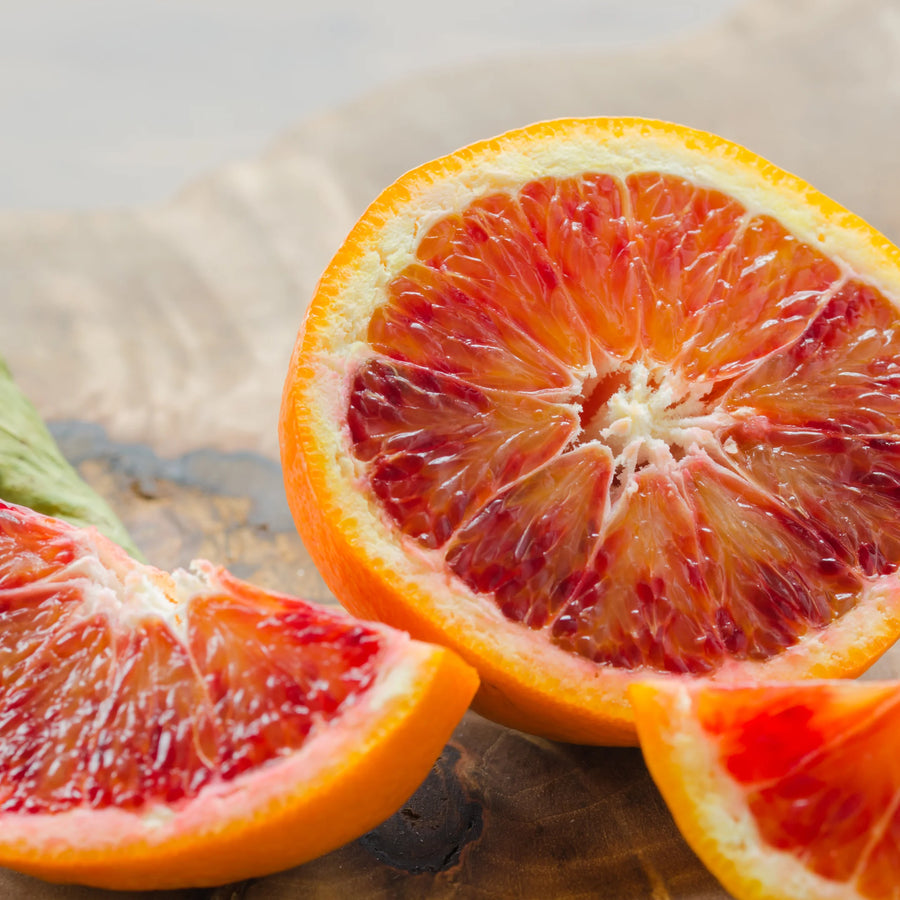
The Moro Blood Orange Tree can be grown in the ground in warm climates or kept in a container and brought indoors during colder months. It needs full sun to produce its signature dark red fruit and may not color fully in cooler climates.
We cannot guarantee the Moro Blood Orange Tree you receive will already be bearing fruit. This depends on the season and the tree’s maturity at the time of shipment.
What customers are saying
Why customers love it

Fruit you grow yourself
Fresh citrus from your own patio or sunny window.

Grows in a pot
Patio in summer, sunny window in winter.

Fragrant blooms
White blossoms with a sweet citrus scent.

Healthy, well-rooted trees
Hand-selected from trusted growers and shipped to your door.
Care made simple
If you can keep a houseplant happy, you can grow citrus.
A sunny patio, or your brightest window in winter.
Water slowly and deeply. Skip it if the soil still feels moist.
Citrus fertilizer in early spring, mid-summer and early fall.
Bring the pot indoors before a freeze.
Your first year together
- 1Day 1
Unbox and water slowly until the whole root ball is soaked.
- 2First few weeks
A few dropped leaves is normal while it settles in.
- 3Month 3
First feeding. Hold off on fertilizer until then.
- 4Spring
Fragrant white blooms.
- 5Harvest season
Pick fruit when it is fully colored and gives a little.
Planting instructions
Watering & sunlight
Moro Blood Orange Tree needs full sun to produce sweet and richly colored fruit. Aim for at least 6–8 hours of direct sunlight daily for optimal growth and fruit production.
Pruning, feeding & winter care
Shipping & what's inside
Your tree ships in its nursery pot with the root ball wrapped in a protective liner and zip-tied, so the soil stays in and the tree stays steady.
1-year guarantee
Every tree is covered by our 1-year guarantee. If something goes wrong, contact our team and we'll walk you through it.
 Answered by Simply Trees plant experts
How big does the Moro Blood Orange tree get?
Here’s how size can vary based on how it’s planted:
• In-Ground Trees: In warm climates with plenty of sun and space, the tree can reach its full mature size of around 10–12 feet tall.
• Container-Grown Trees: When grown in a pot, it usually stays smaller—around 6–8 feet tall—due to root space limitations.
You can also manage its size through light pruning, especially if you want to keep it compact for patios or indoor spaces. Despite its manageable size, the tree produces full-sized, richly flavored fruit once mature.
How fast does the Moro Blood Orange tree grow?
Where is the best place to plant the Moro Blood Orange tree?
Here’s what to consider when choosing the perfect location:
Sunlight:
Full sun is essential for strong growth and fruit production. South- or west-facing areas are usually best.
Soil:
Choose a location with well-draining soil. Avoid low-lying areas where water tends to collect, as citrus trees dislike soggy roots.
Protection from Wind:
Pick a spot that offers some protection from strong winds, which can damage branches and flowers. Planting near a wall or fence (with a few feet of space for airflow) works well.
Temperature:
If you live in a region where temperatures drop below 30°F, consider planting in a container so you can move it indoors during winter.
Spacing:
If planting in the ground, allow 8–10 feet of space between trees or from nearby structures to give your tree room to grow.
Choosing the right spot gives your Moro Blood Orange tree the best chance to thrive and produce sweet, richly colored fruit.
Can I plant the Moro Blood Orange tree in a container?
Here’s what to keep in mind:
Container Size:
Start with a pot that’s at least 16–20 inches wide and deep, with drainage holes at the bottom. As the tree grows, you may need to repot it into a larger container every 2–3 years.
Soil:
Use a well-draining potting mix, ideally formulated for citrus or with added sand or perlite to promote drainage.
Sunlight:
Place the container in a spot that gets 6–8 hours of direct sunlight daily. If growing indoors, a south-facing window or supplemental grow light is ideal.
Watering:
Container trees tend to dry out faster than in-ground ones. Water when the top 2 inches of soil feel dry, and make sure excess water can drain freely.
Mobility:
Use a rolling plant stand or pot with wheels if you plan to move it indoors during colder months—Moro Blood Orange trees are not frost-tolerant.
With the right container and care, your tree can thrive and produce delicious fruit year after year.
Is the Moro Blood Orange tree self-pollinating?
However, here’s what helps improve fruit production:
• Pollinators: If grown outdoors, bees and other pollinators can boost fruit set naturally.
• Indoor Trees: If your tree is indoors or in a greenhouse, gently shaking the branches or using a soft brush to transfer pollen between flowers can help mimic natural pollination.
Even though it’s self-sufficient, giving your tree the right conditions—plenty of sunlight, good care, and occasional help with pollination indoors—can lead to more abundant fruit.
How long does it take for the Moro Blood Orange tree to bear fruit?
Here’s what can affect that timeline:
• Tree Maturity: If you purchase a young tree (1–2 years old), expect fruiting to begin in its 3rd or 4th year. More mature trees may fruit sooner.
• Sunlight: The tree needs 6–8 hours of full sun daily to support healthy growth and fruit production.
• Care Routine: Consistent watering, proper fertilization, and good drainage all contribute to earlier fruiting.
• Climate & Environment: Trees grown in warm, mild climates or brought indoors during cold months tend to establish and fruit more quickly.
Once established, Moro Blood Orange trees will produce fruit annually, typically ripening in late winter to early spring.
How do I care for the Moro Blood Orange tree?
Sunlight:
Give it 6–8 hours of direct sunlight daily. Outdoors, choose a sunny, south-facing spot. Indoors, place it by a bright window or supplement with a grow light.
Watering:
Water when the top 2 inches of soil feel dry. Ensure soil drains well—citrus trees don’t like “wet feet.” Containers need more frequent watering than in-ground trees.
Soil:
Use well-draining soil, ideally a citrus-specific or sandy mix. For containers, make sure there are drainage holes at the bottom.
Fertilizing:
Feed your tree with a balanced citrus fertilizer starting in early spring and continue monthly through summer. Stop fertilizing in fall and winter to let the tree rest.
Pruning:
Prune in late winter or early spring to remove dead or crowded branches and shape the canopy. Don’t over-prune—light shaping is best.
Temperature:
Protect from frost. Moro Blood Orange trees prefer temperatures above 55°F, so if you’re in a cooler climate, move container trees indoors for the winter.
Pests & Disease:
Watch for pests like aphids or scale. Use organic neem oil or insecticidal soap if needed. Good airflow and clean soil help prevent issues.
Fruit Production:
Trees usually begin to bear fruit within 2–3 years. Be patient, and avoid overfeeding or overwatering, which can delay fruiting.
With regular care and attention, your Moro Blood Orange tree will reward you with sweet, richly colored fruit and fragrant blooms.
How often should I water my Moro Blood Orange tree?
For in-ground trees:
Water deeply about once a week, adjusting for weather. During hot or dry spells, you may need to water more frequently. In cooler months, reduce watering.
For container-grown trees:
Check soil moisture more often—every few days. Potted citrus dries out faster, so water thoroughly when the top 2 inches are dry. Make sure the pot has drainage holes to prevent soggy roots.
Key signs of proper watering:
• Leaves should look glossy and firm.
• If leaves curl, yellow, or drop, it’s often a sign of over- or underwatering.
• Avoid shallow watering—deep watering encourages strong root growth.
Consistency is key. Letting the soil dry out too much or keeping it too wet can stress the tree and affect growth and fruiting.
What size pot should I get for the Moro Blood Orange tree?
Why isn't my Moro Blood Orange tree fruiting?
Age of the Tree:
Moro Blood Orange trees typically take 2–3 years (sometimes longer) after planting to start producing fruit. If your tree is still young, it may just need more time to mature.
Sunlight:
Insufficient sunlight can delay or prevent fruiting. These trees need at least 6–8 hours of full sun each day to produce fruit.
Pollination Needs:
While Moro Blood Orange trees are self-pollinating, growing them indoors or in an area without airflow may reduce natural pollination. Gently shaking the branches or using a small brush to transfer pollen between flowers can help.
Fertilizer:
Too much nitrogen (especially from lawn fertilizers nearby) can encourage leafy growth at the expense of fruit. Use a balanced, citrus-specific fertilizer and follow the recommended schedule.
Watering Issues:
Overwatering or underwatering can stress the tree and affect fruit production. Keep the soil evenly moist but not soggy, and ensure it drains well.
Temperature:
Citrus trees are sensitive to extreme cold. If your tree has experienced frost, it may have delayed or stopped fruit production temporarily.
Container Size (for potted trees):
If your tree is in a container that’s too small, root crowding can limit growth and fruiting. Consider repotting if it’s root-bound.
With proper care and patience, your Moro Blood Orange tree should eventually begin producing delicious, deep-colored fruit.