


Majestic Beauty Indian Hawthorn
Zones 7-10
Buy more, save more
Save up to $1,000 on your whole cart.
Discounts don't stack. At checkout you automatically get whichever saves you more.
See all savings tiers
Your code will auto-apply at checkout.
From our farm to your front door
- Shipped in its nursery pot, so the roots stay undisturbed
- Soil secured so it stays put in transit
- Packed so the plant stays steady on the way to you
At a glance
- Leaves
- Evergreen: keeps its leaves all year
- Sunlight
- Full Sun, Partial Shade
- Water
- When the top 2" of soil is dry
- Growth & size
- Moderate growth rate; typically reaches 10-15 feet in height and width, making it one of the larger varieties of Indian Hawthorn.
- Botanical name
- Rhaphiolepis x 'Montic'
- Hardiness
- Zones 7-10
- Tolerates
- Heat tolerantHumidity tolerantDrought tolerantCoastal tolerantWind tolerant
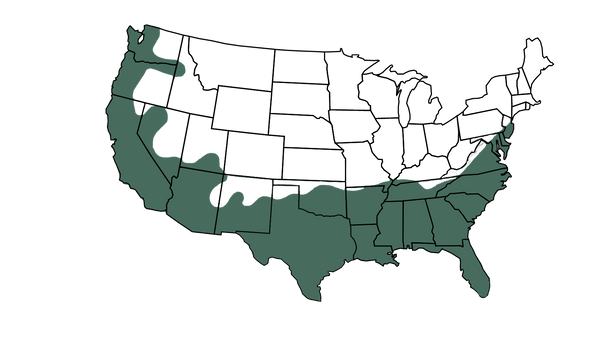
Where it grows in the groundShaded areas are the zones where it can be planted outdoors.


Size guide & what arrives
| *Trade size | **Pot size |
|---|---|
| 1 gallon | 6" |
| 3 gallon | 8 to 10" |
| 5 gallon | 10 to 12" |
| 7 gallon | 14" |
| 10 gallon | 15 to 17" |
| 15 gallon | 17" |
| "Jumbo" | 7 or 10 or 15 gallon |
*Nursery gallon sizes are trade sizes and do not equal standard liquid gallons.
**Pot sizes in inches refer to container width (diameter), not plant or pot height.
Please note: Sizing can differ between plant varieties and growers. Please chat with us if you need clarification.
For more information on sizing, please see our sizing guide.
What arrives
It is relatively drought-tolerant once established but benefits from regular watering during prolonged dry periods.
What customers are saying
Why customers love it

Healthy, well-rooted plants
Hand-selected and shipped in its nursery pot.

Delivered to your door
Skip the nursery trip. Very little car Tetris required.

Real plant experts
Ask us anything before or after planting.

1-year guarantee
If something goes wrong, we'll help make it right.
Care made simple
Plant it right once and it does the rest.
Pick the spot before you dig.
Water slowly and deeply. Check more often in its first summer.
Enter your ZIP above to check your zone.
Your first year together
- 1Day 1
Plant it, then water slowly until the whole root ball is soaked.
- 2First few weeks
Keep the soil evenly moist while new roots settle in.
- 3First summer
Water deeply during hot, dry spells.
- 4Next spring
New growth starts. Feed as it wakes up.
Planting instructions
Watering & sunlight
Care guide
Shipping & what's inside
Your plant ships in its nursery pot with the soil secured, packed so it stays steady on the way to you.
1-year guarantee
Every plant is covered by our 1-year guarantee. If something goes wrong, contact our team and we'll walk you through it.
 Answered by Simply Trees plant experts
How big does Majestic Beauty Indian Hawthorn get?
When planted in optimal growing conditions and given sufficient space to spread, Indian Hawthorn can develop into a dense, rounded shrub with a pleasing symmetrical shape. Its compact growth habit makes it well-suited for use as a hedge, border plant, small ornamental tree, or specimen shrub in the landscape.
It's important to consider the mature size of Majestic Beauty Indian Hawthorn when selecting a planting location to ensure adequate space for the shrub to grow and spread without becoming overcrowded. Proper spacing between plants allows for optimal airflow, sunlight exposure, and overall plant health.
Regular maintenance, including pruning to maintain shape and size, can help manage the growth of Indian Hawthorn and prevent it from outgrowing its allotted space in the landscape. By providing proper care and maintenance, you can enjoy the beauty and versatility of Majestic Beauty Indian Hawthorn in your garden for years to come.
How fast does Majestic Beauty Indian Hawthorn grow?
Where is the best place to plant Majestic Beauty Indian Hawthorn?
Sunlight: Select a site that receives full sun to partial shade. Indian Hawthorn thrives in full sun but can tolerate some shade, especially in hot climates. Ensure the chosen location receives at least 6 hours of sunlight per day for optimal growth and flowering.
Soil: Plant Indian Hawthorn in well-draining soil that is fertile and slightly acidic to neutral in pH. Avoid waterlogged or compacted soils, as these can lead to root rot and other issues. Amending the soil with organic matter such as compost can improve drainage and soil fertility.
Air Circulation: Choose a site with good air circulation to help prevent fungal diseases and promote overall plant health. Avoid planting Indian Hawthorn in areas with poor air circulation or in close proximity to buildings or structures that may restrict airflow.
Protection from Harsh Conditions: Consider planting Indian Hawthorn in a location that provides some protection from harsh weather conditions, such as strong winds or extreme temperatures. Planting near a windbreak or in a sheltered area can help protect the shrub from damage.
Space: Ensure there is ample space for the shrub to grow and spread. Indian Hawthorn typically reaches a mature height and spread of 10 to 12 feet, so plant it at least 8 to 10 feet away from other plants or structures to allow for adequate airflow and room for growth.
Aesthetic Considerations: Choose a planting site that complements the overall landscape design and allows the Indian Hawthorn to serve as a focal point or backdrop for other plants. Consider factors such as color, texture, and seasonal interest when selecting the planting location.
By carefully considering these factors and choosing a suitable planting site, you can ensure the success of Majestic Beauty Indian Hawthorn in your landscape, allowing it to thrive and flourish for years to come.
How do you care for Majestic Beauty Indian Hawthorn?
Sunlight: Plant Indian Hawthorn in a location that receives full sun to partial shade. While it can tolerate some shade, the shrub typically blooms more profusely and maintains better foliage color in full sun.
Soil: Ensure the soil is well-draining and fertile. Indian Hawthorn prefers slightly acidic to neutral soil conditions. Amending the soil with organic matter such as compost can improve drainage and soil structure.
Watering: Keep the soil consistently moist, especially during the shrub's establishment period. Once established, Indian Hawthorn is moderately drought-tolerant but benefits from regular watering, particularly during dry spells or hot weather.
Mulching: Apply a layer of organic mulch, such as wood chips or shredded bark, around the base of the shrub to help retain soil moisture, regulate soil temperature, and suppress weed growth. Maintain a mulch layer of 2 to 3 inches thick, keeping it away from the base of the plant to prevent stem rot.
Fertilization: Feed Indian Hawthorn with a balanced, slow-release fertilizer in spring, following the manufacturer's instructions. Avoid over-fertilizing, as excessive nitrogen can promote lush foliage growth at the expense of flowering.
Pruning: Prune Indian Hawthorn as needed to maintain its shape, remove dead or diseased branches, and promote airflow and light penetration within the shrub. The best time for pruning is after the blooming period, typically in late spring or early summer.
Pest and Disease Control: Monitor the shrub regularly for signs of pests such as aphids, scales, or spider mites, as well as common diseases like leaf spot or powdery mildew. Treat any infestations or infections promptly using appropriate methods or horticultural oils.
Winter Protection: While Indian Hawthorn is generally cold hardy, providing winter protection, such as mulching around the base of the shrub and covering with burlap or frost cloth during extreme cold snaps, can help protect it from winter damage in colder climates.
By following these care guidelines, you can help ensure the health, vigor, and beauty of Majestic Beauty Indian Hawthorn in your landscape. Regular monitoring and maintenance will help keep the shrub thriving and flourishing year-round.
How long does Majestic Beauty Indian Hawthorn bloom?
In most cases, the blooming period for Indian Hawthorn begins in late winter to early spring, usually around March or April, and can extend into late spring or early summer, lasting anywhere from two to six weeks or more. The flowers may appear as tight buds initially, gradually opening to reveal their full beauty as the blooming period progresses.
While Indian Hawthorn is prized for its profuse and long-lasting blooms, the exact duration of the blooming period can vary from year to year and may be influenced by factors such as temperature fluctuations, rainfall, and sunlight exposure. Providing proper care, including adequate water, sunlight, and occasional fertilization, can help promote healthy flowering and prolong the blooming period of Majestic Beauty Indian Hawthorn in your garden.
Should I cut back my Majestic Beauty Indian Hawthorn?
Timing: The best time to prune Majestic Beauty Indian Hawthorn is after the flowering period, typically in late spring or early summer. This allows the shrub to bloom and set new growth before pruning.
Remove Dead or Diseased Branches: Start by inspecting the shrub for any dead, diseased, or damaged branches. Use sharp, clean pruning shears to carefully remove these branches back to healthy growth or to the main stem.
Thinning: Thin out overcrowded or crossing branches to improve air circulation and light penetration within the shrub. This helps reduce the risk of disease and encourages new growth from the center of the plant.
Shape and Size: Prune Majestic Beauty Indian Hawthorn to maintain its desired shape and size. You can lightly trim the outermost branches to create a neat, compact form or selectively prune to enhance its natural growth habit.
Avoid Heavy Pruning: Avoid heavy pruning of Indian Hawthorn, especially in late summer or fall, as this can remove flower buds and reduce flowering the following season. Instead, focus on light shaping and maintenance pruning during this time.
Rejuvenation Pruning: If your Indian Hawthorn has become leggy or overgrown, you can rejuvenate it by pruning it back more severely. This should be done in late winter or early spring before new growth emerges. Cut the shrub back by up to one-third of its height, removing older, woody stems to encourage vigorous new growth from the base.
Clean Up: After pruning, remove any debris from around the shrub and dispose of it properly. This helps prevent the spread of disease and pests and keeps the area around the shrub tidy.
By following these pruning guidelines, you can help keep your Majestic Beauty Indian Hawthorn healthy, vigorous, and beautifully shaped year after year. Remember to use sharp, clean pruning tools and take care not to remove more than one-third of the shrub's growth at a time to avoid stressing the plant.
Can I plant Majestic Beauty Indian Hawthorn in a pot?
Container Size: Choose a large container that provides ample space for the shrub's root system to develop. A container with a diameter of at least 18 to 24 inches (45 to 60 cm) or larger is recommended to accommodate the shrub's growth and ensure sufficient root space.
Drainage: Ensure the container has adequate drainage holes to prevent waterlogging, as Indian Hawthorn prefers well-draining soil. Use a high-quality potting mix formulated for container plants to promote good drainage and aeration.
Soil: Select a well-draining, slightly acidic soil mix for container planting, as Indian Hawthorn thrives in slightly acidic to neutral soil conditions. Amend the potting mix with organic matter such as compost or peat moss to improve moisture retention and soil structure.
Sunlight: Position the container in a location that receives full sun to partial shade, as Indian Hawthorn requires adequate sunlight for optimal growth and flowering. Ensure the container is placed in a spot where it will receive at least 6 hours of sunlight per day.
Watering: Monitor soil moisture regularly and water the container whenever the top inch of soil feels dry to the touch. Avoid overwatering, as waterlogged soil can lead to root rot and other problems. Allow excess water to drain freely from the bottom of the container.
Winter Protection: In colder climates, consider overwintering the container indoors or providing protection from freezing temperatures and harsh winter winds. Indian Hawthorn is generally cold hardy but may require additional insulation in containers during periods of extreme cold.
Maintenance: Prune the shrub as needed to maintain its shape and size, especially if grown in a container where space is limited. Remove any dead, damaged, or overgrown branches to promote healthy growth and flowering.
By following these guidelines and providing proper care, Majestic Beauty Indian Hawthorn can be successfully grown in a pot or container, allowing you to enjoy its beauty and versatility in smaller spaces, patios, or balconies.
How cold hardy is Majestic Beauty Indian Hawthorn?
In zone 7, where temperatures can drop as low as 0 to 10°F (-17.8 to -12.2°C), the Majestic Beauty Indian Hawthorn typically fares well with proper care and protection from severe cold snaps. In colder regions, such as zone 6 or below, where temperatures regularly dip below 0°F (-17.8°C), the shrub may experience more significant cold damage and may not be as reliably hardy.
To enhance the cold hardiness of the Majestic Beauty Indian Hawthorn and help it withstand winter temperatures, consider the following tips:
Site Selection: Plant the shrub in a location that offers some protection from harsh winter winds, such as near a building or other evergreen plants. Avoid planting in low-lying areas prone to frost pockets or areas with poor drainage, as excess moisture can increase susceptibility to cold damage.
Mulching: Apply a layer of organic mulch, such as wood chips or shredded bark, around the base of the shrub to insulate the soil and protect the roots from extreme temperature fluctuations. Mulch also helps retain soil moisture, which can be beneficial during dry winter periods.
Watering: Keep the soil evenly moist but not waterlogged, especially during periods of drought or dry winter weather. Adequate soil moisture helps the shrub withstand cold stress and reduces the risk of winter desiccation.
Pruning: Avoid heavy pruning or shaping of the shrub in late summer or fall, as this can stimulate new growth that may be more susceptible to cold damage. Instead, wait to prune until early spring after the threat of frost has passed.
By providing proper care and protection, the Majestic Beauty Indian Hawthorn can thrive in colder climates and add beauty to the landscape year-round.
Does Majestic Beauty Indian Hawthorn lose its leaves in winter?
While evergreen shrubs like the Majestic Beauty Indian Hawthorn generally keep their leaves in winter, there can be exceptions depending on environmental factors, such as extreme cold temperatures or adverse weather conditions. In colder regions or during harsh winters, some leaf drop or browning may occur, particularly on the outermost branches or exposed foliage. However, overall, the shrub maintains its evergreen nature, and any leaf loss is typically minimal and temporary.
It's worth noting that proper care, including adequate watering and protection from severe weather, can help minimize stress on the shrub and maintain its lush foliage throughout the year. Additionally, selecting a suitable planting location that offers some shelter from harsh winter winds can further support the Majestic Beauty Indian Hawthorn's ability to retain its leaves and thrive in colder climates.
What does Majestic Beauty Indian Hawthorn smell like?
The scent of the Majestic Beauty Indian Hawthorn flowers can vary, but generally, it has a mild, sweet aroma. Some people describe it as subtle and pleasant, while others may not notice much fragrance at all. It's essential to note that the scent perception can vary from person to person, and factors such as environmental conditions and individual sensitivity can influence how strong or noticeable the fragrance may be.
Overall, while the Majestic Beauty Indian Hawthorn may emit a mild, sweet fragrance from its flowers, its primary appeal lies in its visual beauty and landscaping benefits rather than its scent.