


Live Oak Tree
Zones 7-10
Can't ship to your state. Due to USDA and state agriculture regulations.
Shop plants we can ship to you ·
Can't ship to California.
Buy more, save more
Save up to $1,000 on your whole cart.
Discounts don't stack. At checkout you automatically get whichever saves you more.
See all savings tiers
Your code will auto-apply at checkout.
From our farm to your front door
- Shipped in its nursery pot, so the roots stay undisturbed
- Soil secured so it stays put in transit
- Packed so the plant stays steady on the way to you
At a glance
- Leaves
- Evergreen: keeps its leaves all year
- Sunlight
- Full Sun
- Water
- When the top 2–3" of soil is dry
- Growth & size
- Slow to moderate growth rate; can reach 40-80 feet in height with a spread of 60-100 feet or more.
- Botanical name
- Quercus virginiana
- Hardiness
- Zones 7-10
- Tolerates
- Heat tolerantHumidity tolerantDrought tolerantCoastal tolerantWind tolerant
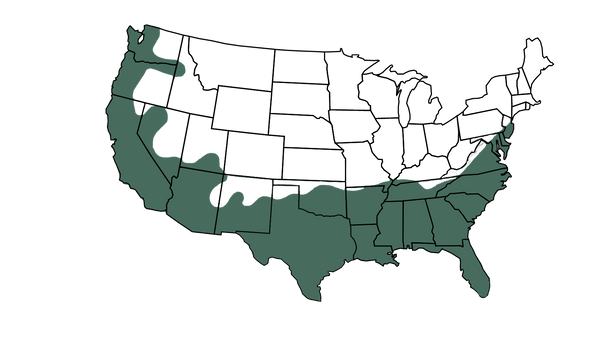
Where it grows in the groundShaded areas are the zones where it can be planted outdoors.


Size guide & what arrives
| *Trade size | **Pot size |
|---|---|
| 1 gallon | 6" |
| 3 gallon | 8 to 10" |
| 5 gallon | 10 to 12" |
| 7 gallon | 14" |
| 10 gallon | 15 to 17" |
| 15 gallon | 17" |
| "Jumbo" | 7 or 10 or 15 gallon |
*Nursery gallon sizes are trade sizes and do not equal standard liquid gallons.
**Pot sizes in inches refer to container width (diameter), not plant or pot height.
Please note: Sizing can differ between plant varieties and growers. Please chat with us if you need clarification.
For more information on sizing, please see our sizing guide.
What arrives
The Live Oak Tree's large size requires ample space, and they may drop large amounts of leaves and twigs, which is a normal part of their growth cycle.
What customers are saying
Why customers love it

Healthy, well-rooted plants
Hand-selected and shipped in its nursery pot.

Delivered to your door
Skip the nursery trip. Very little car Tetris required.

Real plant experts
Ask us anything before or after planting.

1-year guarantee
If something goes wrong, we'll help make it right.
Care made simple
Plant it right once and it does the rest.
Pick the spot before you dig.
Water slowly and deeply. Check more often in its first summer.
Enter your ZIP above to check your zone.
Your first year together
- 1Day 1
Plant it, then water slowly until the whole root ball is soaked.
- 2First few weeks
Keep the soil evenly moist while new roots settle in.
- 3First summer
Water deeply during hot, dry spells.
- 4Next spring
New growth starts. Feed as it wakes up.
Planting instructions
Watering & sunlight
Use a slow-running hose, soaker hose, or drip system to water the root ball and surrounding root zone thoroughly. Allow the water to penetrate deeply (not just wet the top few inches of soil), and avoid frequent, shallow watering.
Before watering again, check the soil 3–4 inches deep near the root ball. If it feels dry, repeat this deep-watering process. If it feels moist or soggy, wait and check again in 1–2 days. Check the soil of newly planted trees and shrubs several times per week, especially during hot, dry, or windy weather.
Irrigation run times will vary based on flow rate, soil, and system setup.
Need help? Contact our plant experts for watering guidance tailored to your plant and growing conditions.
Live Oak Tree prefers full sun but can tolerate partial shade, thriving with at least 6 hours of direct sunlight daily for optimal growth and development.
Care guide
Shipping & what's inside
Your plant ships in its nursery pot with the soil secured, packed so it stays steady on the way to you.
1-year guarantee
Every plant is covered by our 1-year guarantee. If something goes wrong, contact our team and we'll walk you through it.
 Answered by Simply Trees plant experts
How big does the Live Oak tree get?
Height: Live Oak trees can reach heights of 40 to 80 feet at maturity, although exceptional specimens may grow even taller under optimal growing conditions. The height of Live Oak trees can vary depending on factors such as environmental conditions, soil quality, and genetic factors.
Crown Spread: Live Oak trees have broad, spreading crowns that can extend to distances equal to or greater than the tree's height. The crown spread of Live Oak trees typically ranges from 60 to 100 feet or more, providing ample shade and creating a picturesque silhouette.
Trunk Diameter: The trunk of a mature Live Oak tree can have a diameter of 3 to 4 feet or more, with a massive, gnarled appearance. Live Oak trees often develop strong, sturdy trunks that provide structural support for the wide-spreading branches and dense canopy.
Root System: Live Oak trees have extensive root systems that spread wide and shallow, anchoring the tree firmly in the soil and providing stability. The roots of Live Oaks can extend far beyond the tree's canopy, often reaching distances equal to or greater than the crown spread.
Lifespan: Live Oak trees are long-lived, with some specimens living for several hundred years or more under favorable growing conditions. Their slow to moderate growth rate and resilience to environmental stressors contribute to their longevity.
Overall, Live Oak trees are renowned for their size, longevity, and iconic appearance in landscapes. These majestic trees add beauty, shade, and wildlife habitat to their surroundings and are valued for their cultural and ecological significance in many regions. When planting Live Oak trees, it's essential to consider their mature size and spacing requirements to ensure they have ample room to grow and thrive in your landscape.
How fast do Live Oak trees grow?
Where is the best place to plant Live Oak trees?
Sunlight: Live Oak trees prefer full sun to partial shade, meaning they thrive in locations that receive at least six hours of direct sunlight per day. When selecting a planting site, choose an area with ample sunlight exposure to promote healthy growth and development.
Soil Conditions: Live Oak trees are adaptable to a wide range of soil types, including sandy, loamy, or clay soils, as long as the soil is well-draining. Avoid planting in areas with poorly drained or waterlogged soil, as this can lead to root rot and other issues. Conduct a soil test to assess soil pH and fertility, and amend the soil as needed to improve drainage and nutrient levels.
Space Availability: Live Oak trees have a spreading growth habit and can reach impressive sizes at maturity. Ensure there is sufficient space for the tree to grow without overcrowding other plants, structures, or utilities. Consider the tree's mature height and crown spread when selecting a planting site, and allow ample room for the tree to expand over time.
Urban Environments: Live Oak trees are well-suited to urban environments and can thrive in residential yards, parks, streetscapes, and other urban settings. They provide valuable shade, habitat for wildlife, and aesthetic beauty in urban landscapes. When planting in urban areas, consider factors such as proximity to buildings, sidewalks, and utilities, and choose a location that minimizes potential conflicts with infrastructure.
Wind Exposure: Live Oak trees are relatively wind-resistant and can tolerate coastal conditions, making them suitable for planting in coastal areas or regions with high winds. However, provide protection from strong winds during the tree's establishment period to promote healthy root growth and reduce the risk of wind damage.
Aesthetic Considerations: Consider the role of Live Oak trees in your landscape design and choose planting locations that enhance the overall aesthetic appeal of your outdoor space. Live Oak trees make excellent focal points, shade trees, or specimens in garden beds, borders, or lawn areas.
Overall, the best place to plant Live Oak trees is in a location that provides adequate sunlight, well-draining soil, sufficient space for growth, and minimal conflicts with other plants or structures. By considering these factors and selecting a suitable planting site, you can ensure the long-term health and beauty of your Live Oak trees in your landscape.
How far should I plant a Live Oak tree from my house?
Mature Size: Live Oak trees can reach impressive sizes at maturity, with wide-spreading crowns that can extend beyond the tree's height. Consider the tree's mature height and crown spread when determining planting distance from your house.
Minimum Distance: As a general rule of thumb, plant Live Oak trees at least 20 to 30 feet away from your house to allow ample room for the tree to grow without interfering with structures or utilities. This distance helps prevent potential issues such as root intrusion, canopy overhang, or damage to foundations.
Consider Root Spread: Live Oak trees have extensive root systems that can spread far beyond the tree's canopy. Planting the tree too close to your house can lead to root intrusion into foundations, underground utilities, or septic systems over time. Maintain a safe distance to minimize the risk of root-related damage.
Utility Lines: Avoid planting Live Oak trees near underground or overhead utility lines to prevent future conflicts. Consider the location of utility lines when selecting a planting site and choose a location that allows adequate clearance from utilities.
Future Growth: Anticipate the tree's future growth and ensure sufficient space for the canopy to expand without crowding nearby structures or shading windows. Planting Live Oak trees too close to your house can result in overhanging branches, which may require pruning or cause debris accumulation on rooftops.
Local Regulations: Check local regulations, homeowner association guidelines, or municipal ordinances regarding tree planting distances and requirements. Some jurisdictions may have specific guidelines or setback requirements for planting trees near structures.
By following these guidelines and considering the tree's mature size, root spread, and potential impacts on nearby structures, you can plant Live Oak trees in a location that enhances your landscape while minimizing potential conflicts with your house and property. Consulting with a professional arborist or landscape designer can provide additional guidance tailored to your specific site and landscape needs.
How often should I water my Live Oak tree?
Establishment Period: Newly planted Live Oak trees require regular watering to establish a healthy root system. Water deeply immediately after planting, and continue to water regularly for the first year or two until the tree becomes established. Watering frequency during the establishment period may vary depending on soil moisture levels and weather conditions, but aim to keep the soil consistently moist, not waterlogged.
Soil Type: Consider the soil type in which your Live Oak is planted. Well-draining soils may require more frequent watering, especially during hot, dry weather, as they tend to dry out faster. Heavy clay soils may retain moisture longer and require less frequent watering.
Weather Conditions: Monitor weather conditions in your area to adjust your watering schedule accordingly. During periods of hot, dry weather, Live Oak trees may require more frequent watering to compensate for increased evaporation and water loss. Conversely, reduce watering during periods of heavy rainfall or cooler temperatures.
Deep Watering: When watering your Live Oak, aim to water deeply to encourage deep root growth. Apply water slowly and evenly around the tree's drip line (the outer edge of the canopy) to ensure thorough saturation of the root zone. Avoid shallow watering, which can encourage shallow root growth and make the tree more susceptible to drought stress.
Mulching: Apply a layer of organic mulch around the base of your Live Oak tree to help conserve soil moisture, regulate soil temperature, and reduce water evaporation. Mulch also helps suppress weed growth and improve soil structure over time.
Observation: Monitor your Live Oak tree regularly for signs of drought stress, such as wilting leaves, leaf curling, or browning leaf edges. Adjust your watering frequency as needed based on the tree's response and soil moisture levels.
Overall, there is no one-size-fits-all answer to how often you should water your Live Oak tree. It's essential to consider factors such as soil type, weather conditions, and the tree's individual needs when determining the appropriate watering schedule. Aim to maintain consistent soil moisture levels, avoiding both waterlogged and overly dry conditions, to promote the health and vigor of your Live Oak tree.
What is the difference between a Live Oak and regular oak tree?
Species:
Live Oak (Quercus virginiana): Live Oak is a species of oak tree native to the southeastern United States, particularly along the Gulf Coast and Atlantic Coast regions. It is an evergreen tree with small, leathery leaves that remain green throughout the year.
"Regular" Oak Trees: The term "regular" oak trees is broad and may refer to various species within the Quercus genus, including deciduous oaks such as White Oak (Quercus alba), Red Oak (Quercus rubra), and many others. These oak species are typically deciduous, meaning they shed their leaves in the fall.
Leaf Characteristics:
Live Oak: Live Oak leaves are small, thick, and leathery, with an elliptical or oval shape. They are evergreen, meaning they remain on the tree year-round.
"Regular" Oak Trees: Leaves of deciduous oak trees vary in size, shape, and texture depending on the species. They are typically larger and thinner than Live Oak leaves and turn various shades of yellow, orange, or brown in the fall before dropping from the tree.
Geographic Distribution:
Live Oak: Live Oak is primarily found in the southeastern United States, including states such as Florida, Georgia, Louisiana, Texas, and South Carolina. It thrives in coastal regions and is often seen in landscapes, parks, and along roadsides.
"Regular" Oak Trees: Deciduous oak species have a broader geographic distribution and can be found in various habitats across North America, Europe, and Asia. They occur in diverse ecosystems, including forests, woodlands, and urban areas.
Growing Habit:
Live Oak: Live Oak trees have a spreading growth habit, with low, broad crowns and wide-spreading branches. They are often prized for their picturesque form and provide ample shade in landscapes.
"Regular" Oak Trees: Deciduous oak trees exhibit a wide range of growth habits, including upright, spreading, or pyramidal forms, depending on the species. Their crown shape and size can vary significantly.
While Live Oak and deciduous oak trees are both members of the Quercus genus and share some characteristics, their species, leaf habits, geographic distribution, and growing habits distinguish them from each other. Live Oak's evergreen foliage and coastal distribution are among the most notable features that set it apart from other oak species.
Do Live Oak trees have deep roots?
Shallow and Wide-Spreading: Live Oak trees typically have shallow root systems that extend horizontally rather than deeply into the soil. These surface roots can spread out to distances equal to or greater than the width of the tree's canopy.
Adaptability: Live Oaks are well-adapted to their natural habitats, which often include sandy or loamy soils with limited water availability. Their shallow root systems help them efficiently capture water from rainfall and surface sources.
Structural Stability: Despite their shallow roots, Live Oaks are generally structurally stable trees. Their extensive root systems anchor them firmly in the ground and provide support against strong winds and storms.
Interconnected Network: Live Oak roots form an interconnected network close to the soil surface, allowing them to efficiently absorb water and nutrients. This network also facilitates communication and resource sharing among neighboring trees, contributing to the overall health of the forest ecosystem.
Surface Roots: Live Oak trees commonly produce surface roots that may become visible above the ground or cause bumps in lawns or landscapes. These surface roots are a natural part of the tree's growth habit and help stabilize the tree in the soil.
Potential Issues: While Live Oak roots are generally beneficial, they can sometimes pose challenges for homeowners or landscapers. Surface roots may interfere with lawn maintenance or landscaping activities, and care should be taken to avoid damaging them during construction or excavation projects.
Overall, Live Oak trees have a combination of deep and wide-spreading roots, with a significant portion of the root system located close to the soil surface. Understanding the characteristics of Live Oak roots can help homeowners and landscapers make informed decisions about tree care, landscaping, and property maintenance.
Should you mulch around Live Oak trees?
Moisture Retention: Mulch helps retain soil moisture by reducing evaporation and minimizing water runoff. This is particularly important for Live Oaks, which prefer moist soil conditions. Adequate soil moisture promotes healthy root growth and reduces the risk of drought stress.
Weed Suppression: Mulch acts as a natural weed barrier, suppressing weed growth around the base of the tree. Weeds compete with Live Oaks for water, nutrients, and sunlight, so reducing weed competition can benefit the tree's health.
Temperature Regulation: Mulch insulates the soil, helping to regulate soil temperature fluctuations. This is especially beneficial in regions with hot summers and cold winters, where mulch can help protect the tree's roots from extreme temperatures.
Soil Improvement: As organic mulch breaks down over time, it enriches the soil with organic matter, nutrients, and beneficial microorganisms. This improves soil structure, fertility, and drainage, creating a healthier growing environment for Live Oaks.
Erosion Control: Mulch helps prevent soil erosion by reducing the impact of raindrops and minimizing soil compaction. This is important for Live Oaks, which have shallow root systems that can be susceptible to erosion.
When mulching around Live Oak trees, follow these guidelines for best results:
- Apply a layer of mulch 2 to 4 inches thick around the base of the tree, extending out to the drip line if possible.
- Leave a gap between the mulch and the trunk of the tree to prevent moisture buildup and reduce the risk of trunk rot.
- Use organic mulch materials such as shredded bark, wood chips, or compost. Avoid using rubber mulch or inorganic materials that do not break down and may harm the tree.
- Refresh the mulch layer periodically to maintain its effectiveness and appearance.
Overall, mulching around Live Oak trees can help conserve moisture, suppress weeds, improve soil quality, and protect the tree's roots, contributing to the overall health and beauty of the landscape.
Why is my Live Oak losing its leaves?
Environmental Stress: Live Oaks may lose their leaves due to environmental stressors such as drought, extreme temperatures, or strong winds. Insufficient water or excessive heat can cause the tree to shed leaves as a survival mechanism to reduce water loss through transpiration.
Water Stress: Prolonged periods of drought or inadequate irrigation can stress Live Oaks and lead to leaf drop. Ensure your Live Oak receives sufficient water, especially during dry spells, to maintain soil moisture and prevent dehydration.
Transplant Shock: Newly planted Live Oaks may experience transplant shock, resulting in leaf drop as the tree adjusts to its new environment. Proper watering, mulching, and care during the establishment period can help minimize transplant stress and encourage root growth.
Pest Infestation: Infestations of pests such as oak leafrollers, oak leafminers, or spider mites can damage Live Oak leaves and cause premature leaf drop. Monitor your tree for signs of pest activity and treat as needed with appropriate insecticides or insecticidal soaps.
Disease: Fungal diseases such as oak wilt, anthracnose, or powdery mildew can affect Live Oaks and lead to leaf drop. Proper cultural practices, including pruning to improve air circulation and promoting overall tree health, can help prevent disease outbreaks.
Nutrient Deficiency: Nutrient deficiencies, particularly in essential nutrients such as nitrogen, can weaken Live Oaks and contribute to leaf drop. Conduct a soil test to assess nutrient levels and amend the soil as needed to improve fertility.
Physical Damage: Physical damage to the roots, trunk, or branches of Live Oaks can stress the tree and result in leaf drop. Avoid mechanical damage from lawn equipment or construction activities, and protect the tree from injury.
If your Live Oak is losing its leaves, carefully inspect the tree for signs of stress, pests, diseases, or other issues. Address any underlying problems promptly to promote tree health and minimize leaf drop. If necessary, consult with a certified arborist or horticulturalist for professional diagnosis and treatment recommendations.
Why are the leaves on my Live Oak brown?
Water Stress: Live Oaks are relatively drought-tolerant once established, but prolonged periods of drought or inconsistent watering can cause leaves to turn brown and dry out. Ensure your Live Oak is receiving adequate water, especially during dry spells, and mulch around the base to retain soil moisture.
Overwatering: Conversely, overwatering can lead to root rot, which affects the tree's ability to absorb water and nutrients, resulting in browning of the leaves. Avoid excessive watering and ensure proper drainage to prevent waterlogged soil.
Soil Issues: Poor soil quality, compaction, or nutrient deficiencies can stress Live Oaks and lead to browning of the leaves. Conduct a soil test to assess soil pH and nutrient levels, and amend the soil as needed to improve fertility and drainage.
Environmental Factors: Environmental stressors such as extreme temperatures, strong winds, or air pollution can damage Live Oak leaves, causing them to turn brown. Provide protection from harsh environmental conditions, such as planting windbreaks or providing supplemental irrigation during hot, dry weather.
Pests: Pests such as oak leafrollers, oak leafminers, or spider mites can infest Live Oaks, causing damage to the leaves and leading to browning. Monitor your tree for signs of pest infestation and treat as necessary using appropriate insecticides or insecticidal soaps.
Diseases: Fungal diseases such as oak wilt, anthracnose, or powdery mildew can affect Live Oaks, causing leaf browning, spotting, or defoliation. Proper cultural practices, such as pruning to improve air circulation and promoting overall tree health, can help prevent disease outbreaks.
Cultural Issues: Improper planting, excessive pruning, or physical damage to the roots or trunk can stress Live Oaks and result in leaf browning. Ensure proper planting depth, avoid excessive pruning, and protect the tree from mechanical damage.
Inspect your Live Oak carefully to determine the underlying cause of the leaf browning, and take appropriate action to address the issue. If the problem persists or worsens, consider consulting with a certified arborist or horticulturalist for professional diagnosis and treatment recommendations.