


Little Gem Southern Magnolia Tree
Zones 7-9
Buy more, save more
Save up to $1,000 on your whole cart.
Discounts don't stack. At checkout you automatically get whichever saves you more.
See all savings tiers
Your code will auto-apply at checkout.
From our farm to your front door
- Shipped in its nursery pot, so the roots stay undisturbed
- Soil secured so it stays put in transit
- Packed so the plant stays steady on the way to you
At a glance
- Sunlight
- Full Sun, Partial Sun, Partial Shade
- Water
- When the top 2" of soil is dry
- Growth & size
- Slow to moderate growth rate; typically reaches 15-20 feet in height and 10-15 feet in width.
- Botanical name
- Magnolia grandiflora 'Little Gem'
- Hardiness
- Zones 7-9
- Tolerates
- Heat tolerantHumidity tolerantWind tolerant
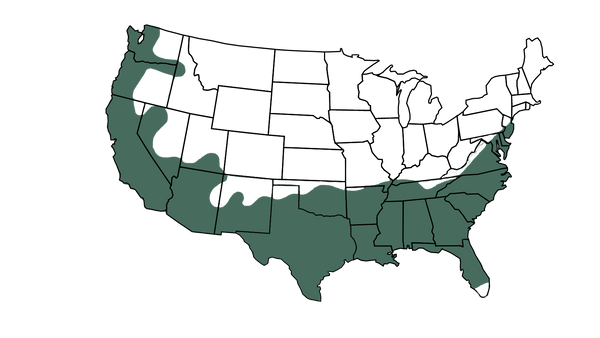
Where it grows in the groundShaded areas are the zones where it can be planted outdoors.


Size guide & what arrives
| *Trade size | **Pot size |
|---|---|
| 1 gallon | 6" |
| 3 gallon | 8 to 10" |
| 5 gallon | 10 to 12" |
| 7 gallon | 14" |
| 10 gallon | 15 to 17" |
| 15 gallon | 17" |
| "Jumbo" | 7 or 10 or 15 gallon |
*Nursery gallon sizes are trade sizes and do not equal standard liquid gallons.
**Pot sizes in inches refer to container width (diameter), not plant or pot height.
Please note: Sizing can differ between plant varieties and growers. Please chat with us if you need clarification.
For more information on sizing, please see our sizing guide.
What arrives
Its evergreen foliage may drop older leaves, which is a normal part of their aging process.
What customers are saying
Why customers love it

Healthy, well-rooted plants
Hand-selected and shipped in its nursery pot.

Delivered to your door
Skip the nursery trip. Very little car Tetris required.

Real plant experts
Ask us anything before or after planting.

1-year guarantee
If something goes wrong, we'll help make it right.
Care made simple
Plant it right once and it does the rest.
Pick the spot before you dig.
Water slowly and deeply. Check more often in its first summer.
Enter your ZIP above to check your zone.
Your first year together
- 1Day 1
Plant it, then water slowly until the whole root ball is soaked.
- 2First few weeks
Keep the soil evenly moist while new roots settle in.
- 3First summer
Water deeply during hot, dry spells.
- 4Next spring
New growth starts. Feed as it wakes up.
Planting instructions
Watering & sunlight
Use a slow-running hose, soaker hose, or drip system to water the root ball and surrounding root zone thoroughly. Allow the water to penetrate deeply (not just wet the top few inches of soil), and avoid frequent, shallow watering.
Before watering again, check the soil 3–4 inches deep near the root ball. If it feels dry, repeat this deep-watering process. If it feels moist or soggy, wait and check again in 1–2 days. Check the soil of newly planted trees and shrubs several times per week, especially during hot, dry, or windy weather.
Irrigation run times will vary based on flow rate, soil, and system setup.
Need help? Contact our plant experts for watering guidance tailored to your plant and growing conditions.
Little Gem Magnolia Tree performs best in full sun to partial shade, requiring at least 4 hours of direct sunlight daily to thrive and produce abundant flowers.
Care guide
Shipping & what's inside
Your plant ships in its nursery pot with the soil secured, packed so it stays steady on the way to you.
1-year guarantee
Every plant is covered by our 1-year guarantee. If something goes wrong, contact our team and we'll walk you through it.
 Answered by Simply Trees plant experts
How big does the Little Gem Magnolia get?
Height: Little Gem Magnolia trees typically reach a mature height of around 20 to 25 feet. However, they can sometimes grow slightly taller under optimal growing conditions.
Width: Little Gem Magnolia trees have a relatively narrow spread compared to other magnolia varieties, typically ranging from 10 to 15 feet wide. This compact growth habit makes them well-suited for smaller landscapes or confined spaces.
Overall, Little Gem Magnolia trees are valued for their smaller size, making them ideal for use as specimen trees, focal points in the landscape, or as part of mixed borders or screens. Their attractive evergreen foliage, fragrant flowers, and compact growth habit make them a popular choice among gardeners seeking a magnolia tree that fits well in smaller gardens or urban settings.
How fast does the Little Gem Magnolia grow?
Where is the best place to plant a Little Gem Magnolia tree?
Sunlight: Little Gem Magnolia trees thrive in full to partial sunlight. Choose a planting location that receives at least 4 to 6 hours of direct sunlight per day to promote healthy growth and abundant blooming. Avoid planting in areas with dense shade, as this can inhibit flowering and overall vigor.
Soil: Little Gem Magnolia trees prefer well-draining soil with good moisture retention. While they can tolerate various soil types, including loamy or sandy soil, they perform best in soil that is rich in organic matter and slightly acidic to neutral pH. Avoid planting in waterlogged or compacted soil, as this can lead to root rot and other problems.
Space: Little Gem Magnolia trees typically reach a mature height of around 20 to 25 feet with a similar spread. Ensure there is enough space for the tree to grow without being crowded by other plants or structures. Consider the tree's mature size when selecting a planting location to prevent overcrowding and allow for proper airflow and sunlight penetration.
Climate: Little Gem Magnolia trees are hardy in USDA Hardiness Zones 7 to 9, although they can tolerate slightly colder temperatures with protection. Planting in a location with a suitable climate ensures the tree's long-term health and vitality. Avoid planting in areas prone to strong winds or frost pockets, as these conditions can damage the tree.
Aesthetic Considerations: Little Gem Magnolia trees are prized for their attractive foliage, fragrant flowers, and compact growth habit. Choose a planting location where the tree's beauty can be appreciated, whether as a focal point in the landscape, a specimen tree, or part of a mixed border or screen.
Accessibility: Consider the accessibility of the planting site for watering, maintenance, and enjoyment. Plant the Little Gem Magnolia tree in an area that is easy to reach and maintain to ensure proper care and attention.
By carefully considering these factors and selecting a suitable planting site, you can ensure the successful establishment and growth of your Little Gem Magnolia tree, allowing it to thrive and enhance the beauty of your landscape for years to come.
How do you plant the Little Gem Magnolia?
Choose the Right Location: Select a planting site that receives full to partial sunlight and has well-draining soil. Little Gem Magnolias prefer slightly acidic to neutral soil conditions but can tolerate a range of soil types. Ensure there is enough space for the tree to reach its mature size without being crowded by other plants or structures.
Prepare the Planting Hole: Dig a planting hole that is approximately twice as wide but just as deep as the root ball of the Little Gem Magnolia tree. Loosen the soil in the bottom of the hole to encourage root penetration and growth.
Remove the Tree from its Container: Carefully remove the Little Gem Magnolia tree from its container, being cautious not to damage the roots. If the roots are circling around the root ball, gently tease them apart to encourage outward growth.
Plant the Tree: Place the Little Gem Magnolia tree in the center of the planting hole, ensuring that the top of the root ball is level with the surrounding soil surface. Backfill the hole with soil, gently firming it around the roots to remove any air pockets. Water the tree thoroughly to settle the soil and encourage root establishment.
Mulch: Apply a layer of organic mulch, such as shredded bark or compost, around the base of the newly planted Little Gem Magnolia tree. Mulch helps retain soil moisture, suppress weed growth, and regulate soil temperature. Keep the mulch a few inches away from the trunk to prevent rot.
Watering: Keep the soil consistently moist, especially during the first growing season after planting, to promote root growth and establishment. Water deeply at least once a week, or more frequently during hot, dry weather.
Staking (if necessary): If the Little Gem Magnolia tree is tall or prone to leaning, consider staking it to provide support until the roots become established. Use soft ties to secure the tree to the stakes, being careful not to damage the trunk or branches.
Maintenance: Monitor the tree regularly for signs of stress, such as wilting or yellowing leaves, and address any issues promptly. Avoid planting grass or other competing plants near the base of the tree, as they can compete for water and nutrients.
By following these planting guidelines and providing proper care and maintenance, you can ensure the successful establishment and growth of your Little Gem Magnolia tree, allowing it to thrive and beautify your landscape for years to come.
Should you prune Little Gem Magnolia trees?
Timing: The best time to prune Little Gem Magnolia trees is in late winter or early spring, just before new growth begins. Pruning during this time allows the tree to heal quickly and minimizes the risk of disease or pest infestation.
Purpose: Pruning Little Gem Magnolia trees serves several purposes, including removing dead, diseased, or damaged branches, shaping the tree for aesthetic purposes, and thinning out overcrowded areas to improve air circulation and sunlight penetration.
Techniques: When pruning Little Gem Magnolia trees, use sharp, clean pruning tools to make smooth cuts and minimize damage to the tree. Remove any dead or diseased branches first, followed by any crossing or rubbing branches. Shape the tree by selectively pruning branches to maintain its natural form and structure.
Avoid Overpruning: While some pruning is beneficial for maintaining the health and appearance of Little Gem Magnolia trees, avoid overpruning, as this can stress the tree and reduce blooming potential. Focus on selective pruning to address specific issues without removing excessive foliage.
Deadheading: Deadheading, or the removal of spent flowers, can be performed after the blooming season to improve the tree's appearance and prevent the formation of seed pods. Use sharp pruners to snip off the faded flower heads just below the base of the flower cluster.
Overall, regular pruning is an essential part of Little Gem Magnolia tree care, helping to keep the tree healthy, shapely, and blooming profusely season after season. Be sure to use proper pruning techniques and avoid overpruning to ensure the long-term health and vitality of your Magnolia tree. If you're unsure about pruning techniques or have concerns about the health of your tree, consider consulting with a professional arborist for assistance.
What does a Little Gem Magnolia look like in winter?
Evergreen Foliage: Little Gem Magnolia trees retain their glossy, dark green leaves throughout the winter months. The evergreen foliage remains vibrant and adds color and texture to the landscape, even during the colder season.
Conical Form: The natural conical form of the Little Gem Magnolia remains intact during winter, with branches reaching upward and outward. The tree maintains its compact, dense growth habit, making it an attractive focal point in the winter garden.
Texture and Structure: The leathery texture of the Magnolia leaves and the architectural structure of the branches provide visual interest in the winter landscape. Against the backdrop of snow or frost, the dark green foliage stands out, creating a striking contrast.
Persistent Flower Buds: In some cases, Little Gem Magnolia trees may retain flower buds during the winter months. These flower buds, formed in late summer or early fall, can add anticipation and excitement for the upcoming spring blooming season.
Overall, Little Gem Magnolia trees maintain their attractive appearance and provide structure and color in the winter garden. Their evergreen foliage and architectural form make them a valuable addition to any landscape, offering beauty and interest year-round.
How do I create a hedge with the Little Gem Magnolia?
Choose the Right Location: Select a planting site that receives full to partial sunlight and has well-draining soil. Ensure there is enough space for the Little Gem Magnolia hedge to reach its mature size without overcrowding other plants or structures.
Spacing: Determine the desired spacing between individual Little Gem Magnolia plants based on their mature size. For a dense hedge, space the plants closer together, typically around 4 to 6 feet apart. For a more open hedge, increase the spacing to 6 to 8 feet.
Prepare the Soil: Before planting, prepare the soil by loosening it to a depth of at least 12 inches and incorporating organic matter such as compost or peat moss to improve soil fertility and drainage.
Planting: Dig planting holes that are slightly wider and deeper than the root balls of the Little Gem Magnolia plants. Place each plant in its hole, ensuring the top of the root ball is level with the surrounding soil surface. Backfill the holes with soil and water thoroughly to settle the soil around the roots.
Mulching: Apply a layer of organic mulch, such as shredded bark or compost, around the base of the newly planted Little Gem Magnolia hedge. Mulch helps retain soil moisture, suppress weed growth, and regulate soil temperature.
Watering: Keep the soil evenly moist, especially during the first growing season after planting, to promote root establishment and growth. Water deeply at least once a week, or more frequently during hot, dry weather.
Pruning and Maintenance: Prune the Little Gem Magnolia hedge regularly to maintain its desired height, shape, and density. Pruning can be done in late winter or early spring, just before new growth begins. Remove any dead, diseased, or crossing branches, and shape the hedge as desired.
Fertilization: Apply a balanced fertilizer formulated for acid-loving plants, such as a 10-10-10 or similar formulation, in early spring and again in late spring to support healthy growth and blooming.
By following these steps and providing proper care and maintenance, you can create a beautiful and functional hedge with Little Gem Magnolia that enhances the beauty and privacy of your landscape.
What is the difference between a Teddy Bear Magnolia and Little Gem Magnolia?
Size: Little Gem Magnolia is generally smaller in size compared to Teddy Bear Magnolia. Little Gem typically grows to a height of around 20 to 25 feet with a spread of 10 to 15 feet, while Teddy Bear tends to be slightly larger, reaching heights of 25 to 30 feet with a similar spread.
Growth Rate: Little Gem Magnolia is known for its relatively slow to moderate growth rate, while Teddy Bear Magnolia tends to grow at a slightly faster pace.
Leaf Size and Texture: The leaves of Little Gem Magnolia are smaller and more compact compared to Teddy Bear Magnolia. Little Gem leaves are glossy green and elliptical-shaped, while Teddy Bear leaves are broader and have a more leathery texture.
Flower Size and Quantity: Both cultivars produce large, fragrant, creamy-white flowers typical of Magnolia grandiflora. However, Teddy Bear Magnolia often produces larger individual flowers and may have a slightly higher flower count compared to Little Gem Magnolia.
Cold Hardiness: Little Gem Magnolia is known for its excellent cold hardiness, making it suitable for growing in a wider range of climates compared to Teddy Bear Magnolia, which may be more sensitive to cold temperatures.
Overall Appearance: Little Gem Magnolia has a compact, dense growth habit, making it suitable for smaller landscapes or confined spaces. Teddy Bear Magnolia, while still relatively compact, may have a more open and spreading growth habit.
In summary, while both Teddy Bear and Little Gem Magnolias share many similarities as cultivars of Magnolia grandiflora, they differ in size, growth rate, leaf characteristics, flower attributes, cold hardiness, and overall appearance. The choice between the two cultivars may depend on factors such as available space, desired growth rate, and climate conditions.
What is the best fertilizer for Little Gem Magnolias?
Additionally, consider using a slow-release or controlled-release fertilizer to provide a steady supply of nutrients to the tree over an extended period. This helps prevent over-fertilization and reduces the risk of nutrient runoff.
When applying fertilizer to your Little Gem Magnolia, follow these guidelines:
Timing: Fertilize your Little Gem Magnolia in early spring, just as new growth begins, and again in late spring or early summer to support blooming and growth throughout the growing season.
Application: Scatter the fertilizer evenly around the base of the tree, avoiding direct contact with the trunk to prevent burning. Follow the manufacturer's instructions regarding application rates based on the size and age of your magnolia tree.
Watering: After applying fertilizer, water the tree thoroughly to help dissolve the nutrients and carry them down to the root zone. This ensures proper uptake of the fertilizer by the tree's roots.
Mulching: Consider applying a layer of organic mulch, such as pine bark or compost, around the base of the tree. Mulch helps retain soil moisture, regulate soil temperature, and suppress weed growth while also gradually releasing nutrients into the soil as it decomposes.
Regular fertilization with a balanced fertilizer designed for acid-loving plants can help promote healthy growth, lush foliage, and abundant blooms on your Little Gem Magnolia tree. Be sure to monitor the tree's response to fertilization and adjust your fertilizing schedule or method as needed to meet its specific needs.
Why is my Little Gem Magnolia not blooming?
Immaturity: Young Little Gem Magnolia trees may take several years to reach maturity and begin blooming. It's not uncommon for newly planted trees to focus on establishing their root systems before allocating energy to flower production.
Insufficient Sunlight: Magnolia trees, including Little Gem varieties, require full to partial sunlight to bloom profusely. If your tree is planted in a shaded area or is not receiving enough sunlight, it may not produce many blooms.
Pruning Practices: Improper pruning can remove potential flower buds and inhibit blooming. Little Gem Magnolias typically bloom on old wood, so pruning should be done immediately after flowering, if necessary, to avoid removing developing buds.
Environmental Stress: Environmental factors such as drought, extreme temperatures, or fluctuations in weather conditions can stress the tree and affect blooming. Ensure your Little Gem Magnolia receives adequate water, especially during dry periods, and protect it from extreme heat or cold.
Nutrient Deficiency: A lack of essential nutrients, particularly phosphorus, can impact flower production. Consider fertilizing your Little Gem Magnolia with a balanced fertilizer high in phosphorus to support blooming.
Pest or Disease Issues: Pests or diseases, such as scale insects or fungal infections, can affect the health of the tree and inhibit blooming. Monitor the tree for signs of pests or diseases and treat them promptly if detected.
Incorrect Soil pH: Magnolias prefer slightly acidic to neutral soil conditions. Soil that is too alkaline or acidic can affect nutrient availability and impact blooming. Test the soil pH and amend it if necessary to ensure it falls within the preferred range for magnolias.
By addressing these potential issues and providing proper care, you can encourage your Little Gem Magnolia to bloom beautifully in the future.