


Limelight Hydrangea
Zones 3-9
Buy more, save more
Save up to $1,000 on your whole cart.
Discounts don't stack. At checkout you automatically get whichever saves you more.
See all savings tiers
Your code will auto-apply at checkout.
From our farm to your front door
- Shipped in its nursery pot, so the roots stay undisturbed
- Soil secured so it stays put in transit
- Packed so the plant stays steady on the way to you
At a glance
- Sunlight
- Full Sun, Partial Sun, Partial Shade
- Water
- When the top 1" of soil is dry
- Growth & size
- Fast growth rate; can reach 6-8 feet in height and spread, in the most ideal conditions.
- Botanical name
- 'Limelight' Panicle Hydrangea
- Hardiness
- Zones 3-9
- Tolerates
- Cold hardyHeat tolerantHumidity tolerant
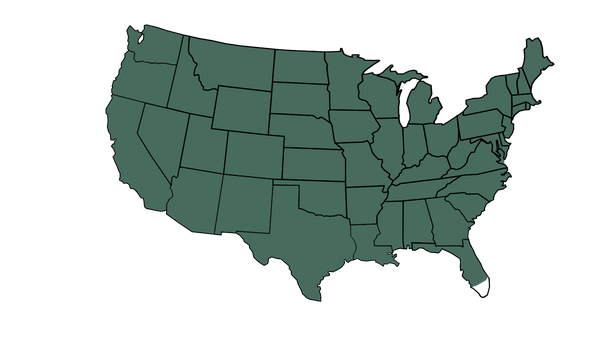
Where it grows in the groundShaded areas are the zones where it can be planted outdoors.


Size guide & what arrives
| *Trade size | **Pot size |
|---|---|
| 1 gallon | 6" |
| 3 gallon | 8 to 10" |
| 5 gallon | 10 to 12" |
| 7 gallon | 14" |
| 10 gallon | 15 to 17" |
| 15 gallon | 17" |
| "Jumbo" | 7 or 10 or 15 gallon |
*Nursery gallon sizes are trade sizes and do not equal standard liquid gallons.
**Pot sizes in inches refer to container width (diameter), not plant or pot height.
Please note: Sizing can differ between plant varieties and growers. Please chat with us if you need clarification.
For more information on sizing, please see our sizing guide.
What arrives
Pruning in late winter or early spring will help maintain its shape and encourage robust flowering.
What customers are saying
Why customers love it
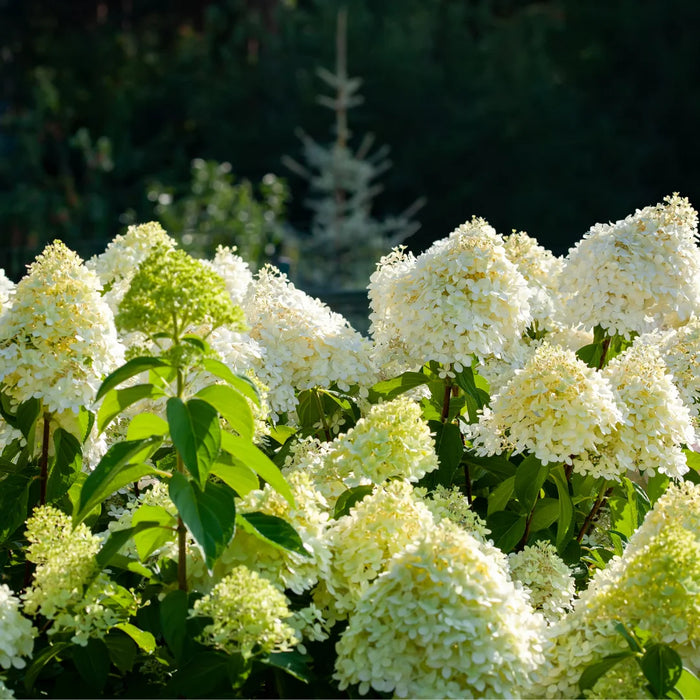
Healthy, well-rooted plants
Hand-selected and shipped in its nursery pot.
Delivered to your door
Skip the nursery trip. Very little car Tetris required.
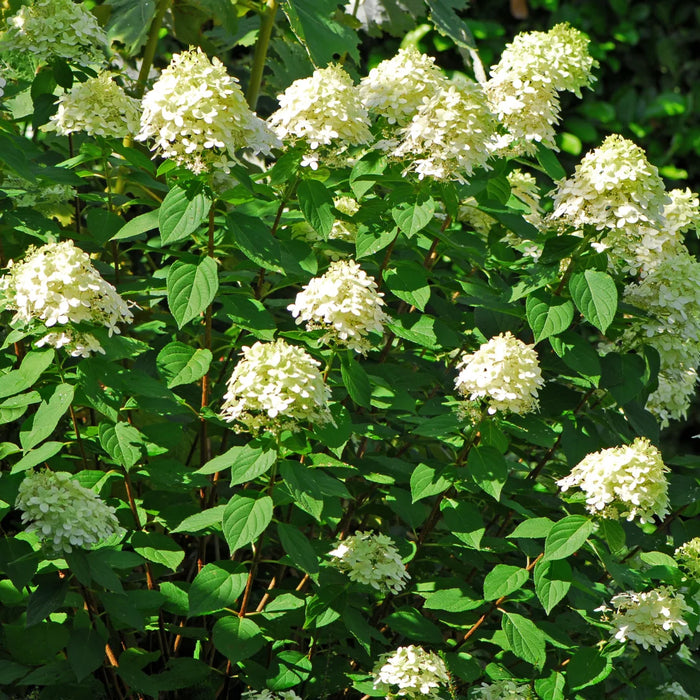
Real plant experts
Ask us anything before or after planting.
1-year guarantee
If something goes wrong, we'll help make it right.
Care made simple
Plant it right once and it does the rest.
Pick the spot before you dig.
Water slowly and deeply. Check more often in its first summer.
Enter your ZIP above to check your zone.
Your first year together
- 1Day 1
Plant it, then water slowly until the whole root ball is soaked.
- 2First few weeks
Keep the soil evenly moist while new roots settle in.
- 3First summer
Water deeply during hot, dry spells.
- 4Next spring
New growth starts. Feed as it wakes up.
Planting instructions
Watering & sunlight
Care guide
Shipping & what's inside
Your plant ships in its nursery pot with the soil secured, packed so it stays steady on the way to you.
1-year guarantee
Every plant is covered by our 1-year guarantee. If something goes wrong, contact our team and we'll walk you through it.
 Answered by Simply Trees plant experts
How big does the Limelight Hydrangea get?
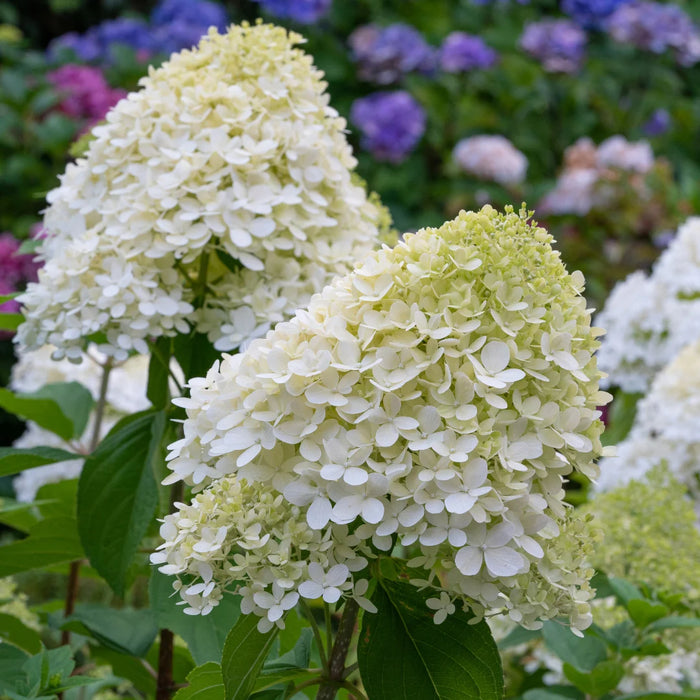
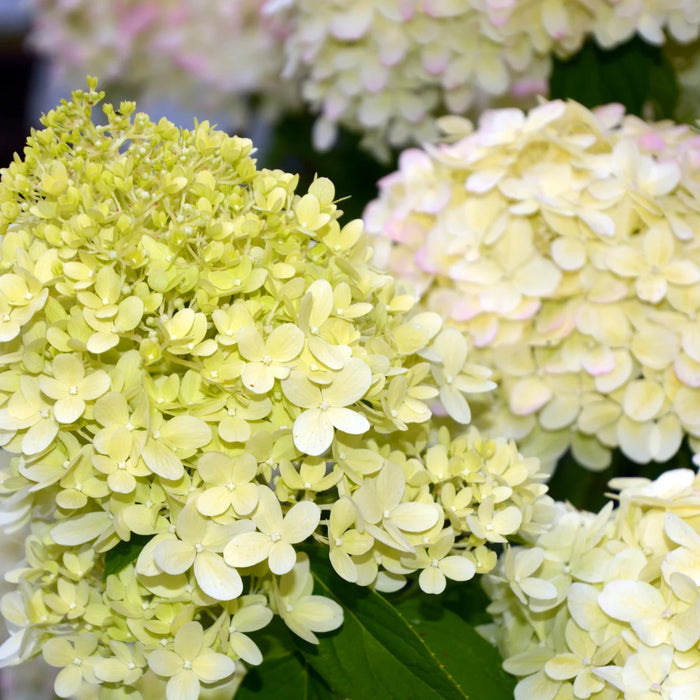
The 'Limelight' Hydrangea's size is complemented by its large, conical flower heads, which can be up to 8 inches long. The flowers start as a soft lime green, transition to a bright white, and then age to shades of pink, red, and burgundy as the season progresses into fall. This changing color palette adds long-lasting visual interest to gardens from mid-summer through fall.
To ensure 'Limelight' Hydrangeas reach their full potential in size and bloom, they should be planted in a location that meets their needs for sunlight, soil, and water:
Sunlight: They perform best in full sun to partial shade, with at least 4 hours of direct sunlight each day.
Soil: Plant in well-draining soil rich in organic matter. Although they are adaptable to various soil types, they prefer slightly acidic to neutral pH levels.
Watering: Provide consistent moisture, especially during dry spells, but ensure good drainage to avoid waterlogged conditions.
Pruning: Prune in late winter or early spring to encourage vigorous growth and abundant blooms. 'Limelight' hydrangeas bloom on new wood, so annual pruning is beneficial.
With proper care and optimal growing conditions, 'Limelight' Hydrangeas will become a sizable and eye-catching feature in your garden, offering lush foliage and spectacular blooms that can enhance the beauty of your outdoor space for many years.
How fast does the Limelight Hydrangea grow?
Where is the best place to plant Limelight Hydrangeas?
Sunlight and Shade: 'Limelight' Hydrangeas thrive in full sun to partial shade. They require at least 4 hours of direct sunlight each day to bloom profusely but also benefit from some shade in the afternoon, especially in hotter climates. A location that receives morning sun and afternoon shade is often ideal, providing the light needed for growth while protecting the plants from the intense heat of the day.
Well-Draining Soil: Good drainage is crucial to prevent root rot and other moisture-related issues. Choose a spot with well-draining soil, or amend the soil with organic matter like compost to improve drainage and nutrient content. A slightly acidic to neutral soil pH (6.0-7.0) is optimal for 'Limelight' Hydrangeas.
Protection from Wind: Although 'Limelight' Hydrangeas are sturdy, they can benefit from protection against strong winds, which might damage stems and flowers or cause drying out. Planting near a fence, wall, or among other shrubs can provide necessary shelter.
Room for Growth: These hydrangeas can reach up to 6-8 feet in height and width, so ensure there is ample space for them to grow without being cramped. This consideration is vital for both the health of the plant and the overall design of your garden.
Visual Impact: Consider how 'Limelight' Hydrangeas will fit into your landscape design. They make excellent focal points, so planting them where they can be easily seen from your home or garden seating areas is a good strategy. They also work well as hedge plants or in mass plantings along a property border for dramatic effect.
Accessibility for Maintenance: Ensure you can easily access the plants for pruning, watering, and other care. 'Limelight' Hydrangeas require minimal maintenance but benefit from annual pruning in late winter or early spring and occasional watering during dry periods.
By choosing a planting location that meets these conditions, you'll provide your 'Limelight' Hydrangeas with a strong foundation for vigorous growth and stunning blooms. Whether you're creating a serene garden retreat or a vibrant landscape feature, 'Limelight' Hydrangeas can add significant beauty and enjoyment to your outdoor space.
What side of the house should you plant hydrangeas?
Sunlight Requirements: 'Limelight' Hydrangeas thrive in full sun to partial shade. They need at least 4 hours of direct sunlight each day to bloom well, but they also benefit from some afternoon shade in hotter climates. This makes the east or southeast side of the house an ideal location, as it usually receives morning sunlight and partial afternoon shade.
Protection from Harsh Conditions: While 'Limelight' Hydrangeas are quite adaptable, they appreciate protection from harsh afternoon sun and strong winds, which can cause stress, leaf scorch, and excessive moisture loss. Planting on a site that receives morning sun and is shielded from the intense afternoon sun and strong winds—such as the northeast side of your house—can also be beneficial.
Soil and Drainage: Choose a site with well-draining soil rich in organic matter, regardless of the side of the house. 'Limelight' Hydrangeas do not tolerate waterlogged roots well, so avoid areas where water tends to accumulate. You might need to amend the soil with compost or peat moss to improve its structure and fertility.
Aesthetic Considerations: Consider the visual impact and how the hydrangeas will integrate with your overall landscape design. 'Limelight' Hydrangeas can make a beautiful statement along a walkway, as a foundation planting, or as a standalone feature in a garden bed. The location should complement your home’s architecture and other garden elements.
Space for Growth: 'Limelight' Hydrangeas can grow quite large, up to 6-8 feet tall and wide, so ensure there is enough space for them to mature. Avoid planting too close to the foundation or other plants to prevent overcrowding and promote good air circulation.
In summary, the east or southeast side of your house is typically the best choice for planting 'Limelight' Hydrangeas, offering an ideal balance of morning sunlight and afternoon shade. However, the northeast side can also be suitable, especially in hotter climates. Ultimately, the right location will depend on your specific garden conditions, including sun exposure, soil quality, and aesthetic preferences. Careful consideration of these factors will help your 'Limelight' Hydrangeas flourish and bring vibrant beauty to your garden.
How often should I water Limelight Hydrangeas?
Regular Watering Schedule: 'Limelight' Hydrangeas generally require watering once to twice a week, ensuring the soil stays consistently moist but not waterlogged. During hot or dry periods, the frequency may need to increase to prevent stress from drought conditions.
Deep Watering Technique: It's better to water deeply and less frequently rather than a little every day. Deep watering encourages the roots to grow deeper into the soil, which helps the plant become more drought-resistant and sturdy. Aim for the water to penetrate 6 to 8 inches into the soil.
Adjust According to Conditions: The amount and frequency of watering will depend on your local climate, the current weather, and the soil's ability to retain moisture. Sandy soils drain faster and may require more frequent watering, while clay soils hold moisture longer and may need less.
Morning Watering: Watering in the morning is ideal because it allows the water to seep deeply into the soil before the heat of the day can cause evaporation. It also helps keep the leaves dry, reducing the risk of fungal diseases.
Mulching: Applying a layer of organic mulch around the base of your hydrangeas can help retain soil moisture, reduce water evaporation, and keep the root zone cooler. A 2 to 3-inch layer of mulch is beneficial for maintaining consistent soil moisture levels.
Monitoring Moisture Levels: Use a garden trowel or your finger to check the soil's moisture level before watering. If the top inch of soil feels dry, it's time to water. Over-watering can be as harmful as under-watering, leading to root rot and other issues.
Mature Plant Considerations: Established 'Limelight' Hydrangeas are somewhat drought-tolerant but will perform best with consistent moisture, especially during bloom time. Young plants or those recently planted need more frequent watering as they establish their root systems.
By following these watering guidelines, you can ensure your 'Limelight' Hydrangeas remain healthy and vibrant, showcasing their spectacular blooms throughout the growing season. Regular observation and adjustment of your watering practices as needed will help your hydrangeas thrive.
Should Limelight Hydrangeas be cut back?
When to Prune: The best time to prune 'Limelight' Hydrangeas is in late winter or early spring, just before new growth begins. This timing ensures that you won't accidentally cut off any of the current year's buds, which are necessary for that year's blooms. 'Limelight' Hydrangeas bloom on new wood, meaning they produce flowers on the growth of the current season.
How Much to Prune: Generally, it's recommended to cut back about one-third of the plant's total height. This helps to encourage the development of strong, new growth that can support the weight of the blooms. However, if the plant is overgrown or hasn't been pruned in several years, a more substantial pruning may be necessary. In such cases, 'Limelight' Hydrangeas can be cut back to about 2 to 3 feet from the ground without harming the plant.
Pruning Technique: When pruning, make your cuts just above a set of healthy buds. This encourages the plant to produce new branches from those points, leading to a fuller plant with more blooms. Remove any dead or weak stems, as well as any branches that cross over each other, to improve air circulation and overall plant health.
Shaping the Plant: While cutting back, consider the overall shape of the plant. 'Limelight' Hydrangeas can be pruned into a tree form or maintained as a bushy shrub, depending on your landscape design and personal preference. Pruning is a powerful tool to control the size and shape of your hydrangea.
Renovation Pruning: If a 'Limelight' Hydrangea has been severely neglected or is in poor health, it may benefit from renovation pruning. This involves cutting the entire plant back to about 1 to 2 feet from the ground. While this can drastically reduce blooming in the first year after pruning, it rejuvenates the plant and leads to healthier growth and more blooms in subsequent years.
Pruning 'Limelight' Hydrangeas is a straightforward task that can significantly impact the plant's health, shape, and bloom production. By following these guidelines, gardeners can enjoy lush, beautiful hydrangeas that are a highlight of the summer garden.
How do you keep Limelight Hydrangeas blooming?
Proper Pruning: 'Limelight' Hydrangeas bloom on new wood, meaning they produce flowers on the current year's growth. Prune them in late winter or early spring before new growth begins. Remove about one-third of the total height of the plant to encourage vigorous new growth and more flowering sites. This also helps remove any dead or weak stems that can detract from the plant's energy and bloom production.
Adequate Sunlight: 'Limelight' Hydrangeas perform best in locations that receive full sun to partial shade. Ensure they get at least 4 hours of direct sunlight each day. Adequate sunlight is crucial for optimal blooming.
Watering Needs: Consistent, deep watering is essential, especially during dry spells. 'Limelight' Hydrangeas prefer moist, but not waterlogged, soil. Water at the base of the plant to avoid wetting the leaves, which can lead to fungal diseases.
Soil Conditions: Plant your 'Limelight' Hydrangeas in well-draining soil rich in organic matter. A slightly acidic to neutral soil pH (6.0-7.0) is ideal. Amend your soil with compost or well-rotted manure to improve its structure and fertility.
Fertilization: Apply a balanced, slow-release fertilizer in early spring as the plant begins to leaf out. A second application can be made in mid-summer to support continued growth and blooming, but avoid fertilizing late in the season, as this can stimulate new growth that won't have time to harden off before winter.
Mulching: Apply a layer of organic mulch around the base of the plant. Mulch helps retain soil moisture, keep roots cool, and gradually improves soil quality as it decomposes.
Pest and Disease Management: Keep an eye out for pests and diseases that can affect the health and blooming capability of your hydrangeas. Treat any infestations or infections early, using appropriate fungicides or insecticides as needed.
Avoid Late Pruning: Since 'Limelight' Hydrangeas bloom on new growth, avoid pruning them after new growth begins in spring. Late pruning can remove flower buds, reducing the bloom display.
By following these care tips, you'll encourage your 'Limelight' Hydrangeas to produce bountiful blooms throughout the growing season, adding spectacular visual interest to your garden or landscape. Regular observation and maintenance will help keep your hydrangeas healthy and flourishing year after year.
What soil is best for hydrangeas?
Well-Draining Soil: The ideal soil for 'Limelight' Panicle Hydrangeas should be well-draining. These plants do not thrive in waterlogged conditions, which can lead to root rot and other diseases. Incorporating organic matter such as compost or well-rotted manure into the planting site can improve soil structure and drainage.
Rich in Organic Matter: Soil rich in organic matter is beneficial for 'Limelight' Hydrangeas. Organic matter not only improves soil fertility and moisture retention but also encourages beneficial microbial activity. This promotes a healthy root system and supports robust plant growth.
Slightly Acidic to Neutral pH: While 'Limelight' Hydrangeas are less sensitive to soil pH than some other hydrangea varieties, they generally prefer a slightly acidic to neutral pH range, approximately 6.0 to 7.0. Testing your soil's pH and adjusting it with sulfur (to lower the pH) or lime (to raise the pH) can help create an optimal growing environment.
Loamy Soil: A loamy soil that balances sand, silt, and clay is ideal, offering an excellent mix of drainage and moisture retention. If your garden soil is heavy clay or too sandy, amending it with organic material can help achieve the desired loamy texture.
Mulching: After planting, applying a layer of organic mulch around the base of your 'Limelight' Hydrangeas can help retain soil moisture, regulate soil temperature, and reduce weed competition. Mulch also gradually breaks down, adding nutrients back into the soil.
Regular Soil Testing: Periodic soil testing can be very beneficial to monitor the pH and nutrient levels, allowing you to adjust soil amendments as needed for optimal plant health.
By focusing on creating the best soil conditions for your 'Limelight' Hydrangeas, you'll not only enhance the health and beauty of your plants but also enjoy the lush, vibrant blooms that make these hydrangeas a favorite among homeowners and garden enthusiasts.
What is the best fertilizer for hydrangeas?
Balanced Fertilizer: A balanced, slow-release fertilizer with an NPK ratio of 10-10-10 or 20-20-20 is ideal. This provides an equal amount of nitrogen, phosphorus, and potassium, essential nutrients for overall health, root development, and bloom production.
Low Nitrogen Formula: If your soil is already rich in nitrogen, you might opt for a fertilizer with a lower nitrogen component to discourage leafy growth over blooms. In such cases, a formula like 10-20-10 may be more suitable.
Organic Options: For those preferring organic gardening practices, well-composted manure, bone meal (for phosphorus), and potassium sulfate are excellent choices. These not only feed the plant but also improve soil structure and microbial life.
Soil pH Adjustments: 'Limelight' hydrangeas, unlike some other hydrangea varieties, are less affected by soil pH in terms of bloom color. However, ensuring your soil is at a pH that is conducive to nutrient uptake (typically between 6.0 and 7.0 for panicle hydrangeas) is crucial. Use a soil test kit to determine your soil's pH and adjust accordingly with lime (to raise pH) or sulfur (to lower pH) if needed.
Application Timing: Apply fertilizer in early spring as new growth appears and again in early summer to support bloom development. Avoid fertilizing late in the season, as this can stimulate new growth that won't harden off before winter.
Proper Application: Follow the instructions on the fertilizer packaging for application rates and methods. Generally, applying fertilizer to the soil around the base of the plant, avoiding direct contact with the stems and leaves, is best. Water the plant well after fertilizing to help distribute the nutrients into the soil.
Choosing the right fertilizer and following these guidelines can help ensure your Limelight Hydrangeas are healthy, with strong stems and vibrant blooms. Regular monitoring of soil conditions and plant health will guide you in adjusting care practices to keep your hydrangeas flourishing.
How do you keep hydrangeas from flopping?
Proper Planting: Choose a location with adequate sunlight and well-draining soil. 'Limelight' hydrangeas thrive in full sun to partial shade. Ensuring they receive at least four hours of sunlight daily promotes strong stem growth, reducing the likelihood of flopping.
Watering Techniques: Water deeply and less frequently to encourage deep root development, which supports the plant better. Avoid overhead watering to minimize leaf wetness and reduce the risk of stem weakening.
Staking: For hydrangeas that are already flopping or in areas with high winds, consider gentle staking. Use soft ties to attach the plant to bamboo stakes or a plant support frame. This provides temporary support while the stems strengthen.
Pruning: Proper pruning is crucial. For 'Limelight' hydrangeas, prune in late winter or early spring before new growth begins. Remove a third of the oldest stems to encourage the development of stronger, newer stems that can support the weight of the blooms.
Fertilization: Apply a balanced, slow-release fertilizer in the spring. Avoid over-fertilization, especially with high nitrogen fertilizers, as this can lead to lush foliage at the expense of sturdy stems.
Mulching: Apply a layer of organic mulch around the base of the plant. This retains soil moisture, keeps roots cool, and gradually improves soil quality, contributing to the overall stability and health of the plant.
Selecting Right Varieties: Some varieties of 'Limelight' hydrangeas have been specifically bred for stronger stems and a more upright habit. Consider these for areas where flopping has been a consistent issue.
By following these tips, homeowners can enjoy the lush, full beauty of their Hydrangeas without the worry of them flopping over. Regular care and observation will ensure your hydrangeas remain a stunning focal point in your garden, showcasing their vibrant blooms to their fullest potential.