Home / Japanese Beautyberry
Wine Spritzer Beautyberry 'Shiji Murasaki'
1 / 3
Shrub

Japanese Beautyberry

Will it grow where you live?

Zones 5-8

Size: 3 gallon
$125

Black Friday Sale

20% off sitewide

Ends inSun, Nov 29

Take 20% off orders of $150+, applied automatically at checkout.

Add $25 more with this to unlock 20% off your order.

Get it soonFree shipping over $249

Buy more, save more

Save up to $1,000 on your whole cart.

See all savings tiers
Free shipping$249+
Automatic
10% offAny 2 items
$50 off$350+
$125 off$750+
$300 off$1,500+
$500 off$2,500+
$750 off$3,250+
$1,000 off$4,000+

Your code will auto-apply at checkout.

1-year guaranteeShips in 1–5 daysReal plant experts

From our farm to your front door

  • Shipped in its nursery pot, so the roots stay undisturbed
  • Soil secured so it stays put in transit
  • Packed so the plant stays steady on the way to you

At a glance

Leaves
Deciduous: drops its leaves in fall and regrows them in spring
Water
When the top 2" of soil is dry
Growth & size
Moderate growth; reaches 4-6 ft tall and 4-6 ft wide
Botanical name
Callicarpa dichotoma 'Shiji Murasaki'
Hardiness
Zones 5-8
Tolerates
Cold hardyHeat tolerantHumidity tolerant
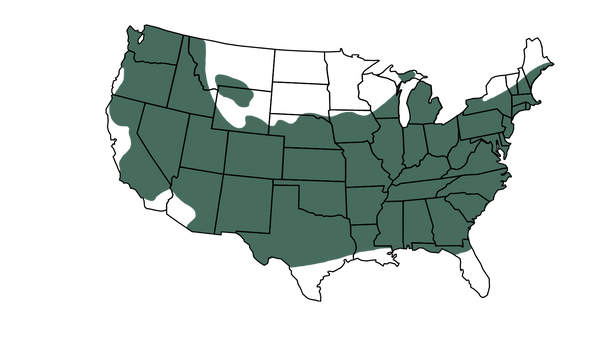
USDA zone map for Japanese Beautyberry

Where it grows in the groundShaded areas are the zones where it can be planted outdoors.

Not sure it'll thrive where you live?Real people who answer questions before and after planting.
Chat now

What customers are saying

Why customers love it

Healthy, well-rooted plants

Hand-selected and shipped in its nursery pot.

Delivered to your door

Skip the nursery trip. Very little car Tetris required.

Real plant experts

Ask us anything before or after planting.

1-year guarantee

If something goes wrong, we'll help make it right.

Care made simple

Plant it right once and it does the rest.

Water
When the top 2" of soil is dry

Water slowly and deeply. Check more often in its first summer.

Grows in
Zones 5-8

Enter your ZIP above to check your zone.

Your first year together

  1. 1Day 1

    Plant it, then water slowly until the whole root ball is soaked.

  2. 2First few weeks

    Keep the soil evenly moist while new roots settle in.

  3. 3First summer

    Water deeply during hot, dry spells.

  4. 4Next spring

    New growth starts. Feed as it wakes up.

Planting instructions
Select a location with well-draining soil and good air circulation. Dig a hole twice as wide as the root ball and just as deep. Set the plant so the top of the root ball is level with the soil surface. Backfill, gently firm the soil, and water deeply. Space multiple plants about 3–5 feet apart for a full, bushy effect. Mulch around the base to retain moisture and suppress weeds while giving your beautyberry a tidy, finished look.
Watering & sunlight
Water weekly during the first growing season; once established, water every 10–14 days or during dry spells. Prefers full sun for the best foliage color and berry display but tolerates partial shade. At least 4–6 hours of sunlight ensures optimal growth.
Care guide

PRUNING:
Prune in late winter or early spring before new growth begins. Japanese Beautyberry blooms and fruits on new wood, so pruning helps encourage fuller growth and more abundant berries. You can cut the plant back by up to one-third to maintain shape and size.

FERTILIZING:
Apply a balanced slow-release fertilizer in early spring to support healthy growth and berry production. Avoid fertilizing for the first 2–3 months after delivery to allow the plant to adjust and establish.

WINTER PROTECTION:
Japanese Beautyberry is cold hardy within its recommended zones and typically requires no special winter protection once established. In colder areas, applying 2–3 inches of mulch around the base can help protect roots and retain moisture through winter.

Shipping & what's inside

Your plant ships in its nursery pot with the soil secured, packed so it stays steady on the way to you.

1-year guarantee

Every plant is covered by our 1-year guarantee. If something goes wrong, contact our team and we'll walk you through it.

Answered by Simply Trees plant experts
How big does Japanese Beautyberry get?
Japanese Beautyberry typically grows to about 4 to 6 feet tall and 4 to 6 feet wide at maturity. Its arching branches give it a graceful, spreading shape, making it a great choice for borders, mass plantings, or as a standout specimen in the landscape. Regular pruning can help maintain a more compact form if desired.
How fast does Japanese Beautyberry grow?
Japanese Beautyberry has a moderate growth rate, typically adding 1 to 2 feet of new growth per year under ideal conditions. It fills out gradually into a rounded, arching shrub and can reach its mature size in about 3 to 5 years with regular care, sunlight, and well-drained soil.
Where is the best place to plant Japanese Beautyberry?
The best place to plant Japanese Beautyberry is in a spot with full sun to partial shade and well-draining soil. It does best where it gets at least a few hours of direct sunlight each day, which helps bring out the vibrant variegation in the foliage and supports berry production. Use it as an accent in borders, mixed beds, or near patios where its colorful leaves and fall berries can be enjoyed up close.
Does Japanese Beautyberry repel mosquitos?
Japanese Beautyberry is not known to repel mosquitoes. While some species of beautyberry, like American Beautyberry, have been studied for mosquito-repelling properties in their leaves, there’s no evidence that this specific variety has the same effect. It’s best to use dedicated mosquito repellents if that’s your goal.
Can Japanese Beautyberry grow in containers?
Yes, Japanese Beautyberry can be grown in containers. Choose a large pot with good drainage and fill it with well-draining soil. Make sure the container gets plenty of sunlight—at least 4–6 hours a day. Regular watering and yearly pruning will help keep the plant healthy and compact. Just keep in mind that container-grown plants may need more frequent watering and fertilizing than those planted in the ground.
Does Japanese Beautyberry have flowers?
Yes, Japanese Beautyberry does produce flowers. In summer, it develops clusters of small, soft pink to pale lavender blooms along its stems. While these flowers are subtle compared to the plant’s striking variegated foliage, they attract pollinators like bees and butterflies. However, this variety is not a prolific bloomer, and its main appeal lies in its decorative leaves and occasional bright purple berries.
When do the berries appear on the Japanese Beautyberry?
The berries on the Japanese Beautyberry typically appear in late summer to early fall, following its small pale pink/lavender flowers that bloom in mid to late summer. The berries start out green and gradually turn a vivid shade of purple, standing out beautifully against the plant’s variegated foliage as the season changes.
What fertilizer should I use for Japanese Beautyberry?
For Japanese Beautyberry, use a balanced, slow-release fertilizer with an N-P-K ratio like 10-10-10 or 14-14-14 in early spring as new growth begins. This supports healthy foliage, flowering, and berry production. You can also amend the soil with compost or organic matter to improve nutrients and drainage. Avoid over-fertilizing, as too much nitrogen can reduce berry production.
Is the Japanese Beautyberry deer resistant?
Yes, Japanese Beautyberry is generally considered deer resistant. While no plant is completely deer-proof, deer tend to avoid it due to its aromatic foliage and texture. This makes it a great choice for gardens in areas where deer browsing is a common issue.
Are the berries edible on the Japanese Beautyberry?
The berries on the Japanese Beautyberry are not considered edible for humans. While they aren’t highly toxic, they can cause stomach upset if eaten in large quantities and are best left for the birds, who enjoy them in fall and winter. It’s safest to admire the berries for their ornamental value rather than as a food source.
Still deciding? Our plant experts reply fast on live chat. Chat with us