


Jane Magnolia Tree
Zones 4-8
Save up to $1,000 on your whole cart.
Your code will auto-apply at checkout.
From our farm to your front door
- Shipped in its nursery pot, so the roots stay undisturbed
- Soil secured so it stays put in transit
- Packed so the plant stays steady on the way to you
At a glance
- Sunlight
- Full Sun, Partial Sun
- Water
- When the top 2" of soil is dry
- Growth & size
- Slow to moderate growth rate; mature height of 10-15 feet and width of 8-12 feet.
- Botanical name
- Magnolia x 'Jane'
- Hardiness
- Zones 4-8
- Tolerates
- Cold hardyHeat tolerantHumidity tolerant
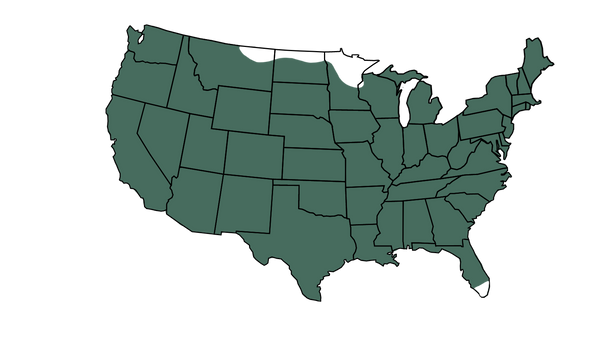
Where it grows in the groundShaded areas are the zones where it can be planted outdoors.


Size guide & what arrives
| *Trade size | **Pot size |
|---|---|
| 1 gallon | 6" |
| 3 gallon | 8 to 10" |
| 5 gallon | 10 to 12" |
| 7 gallon | 14" |
| 10 gallon | 15 to 17" |
| 15 gallon | 17" |
| "Jumbo" | 7 or 10 or 15 gallon |
*Nursery gallon sizes are trade sizes and do not equal standard liquid gallons.
**Pot sizes in inches refer to container width (diameter), not plant or pot height.
Please note: Sizing can differ between plant varieties and growers. Please chat with us if you need clarification.
For more information on sizing, please see our sizing guide.
What arrives
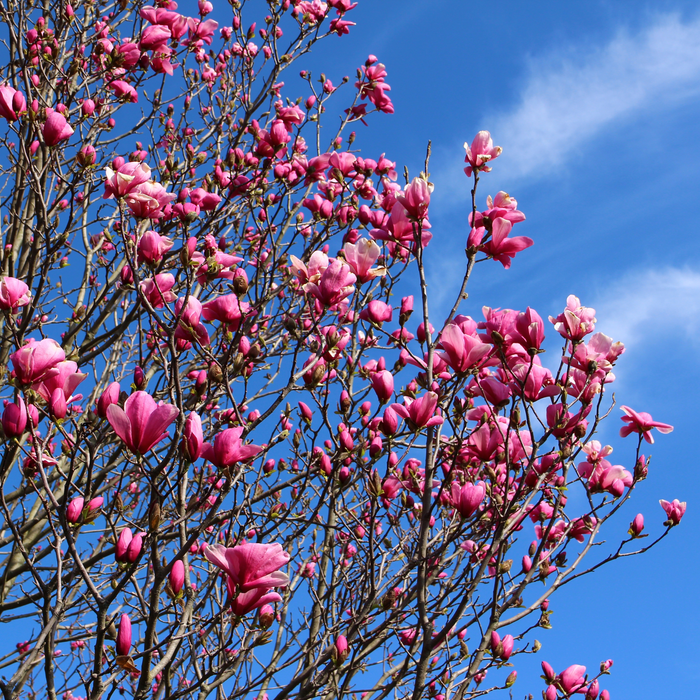
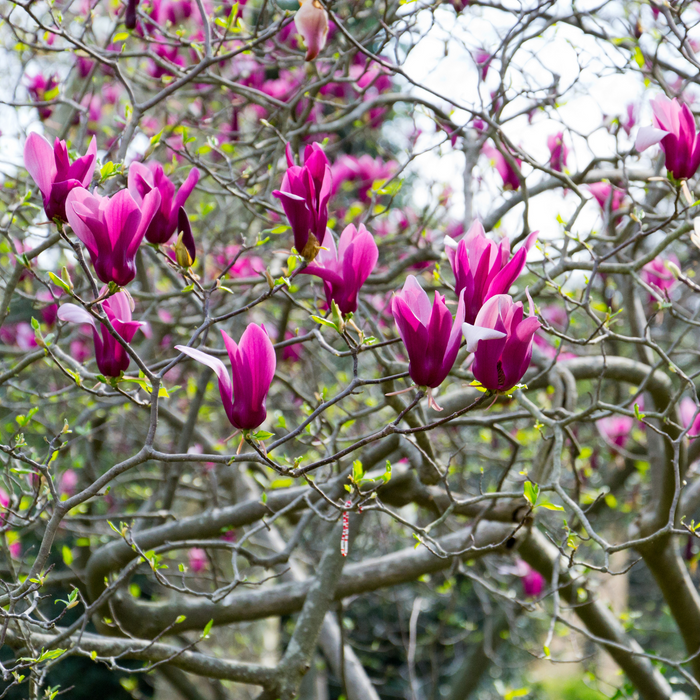
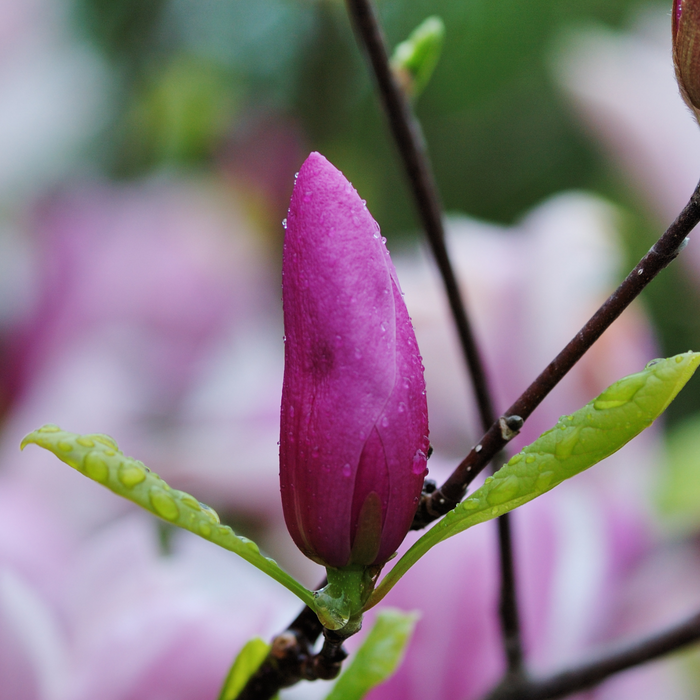
The Jane Magnolia beautiful spring blooms may require some protection from late frosts to ensure the flowers remain intact.
What customers are saying
Why customers love it
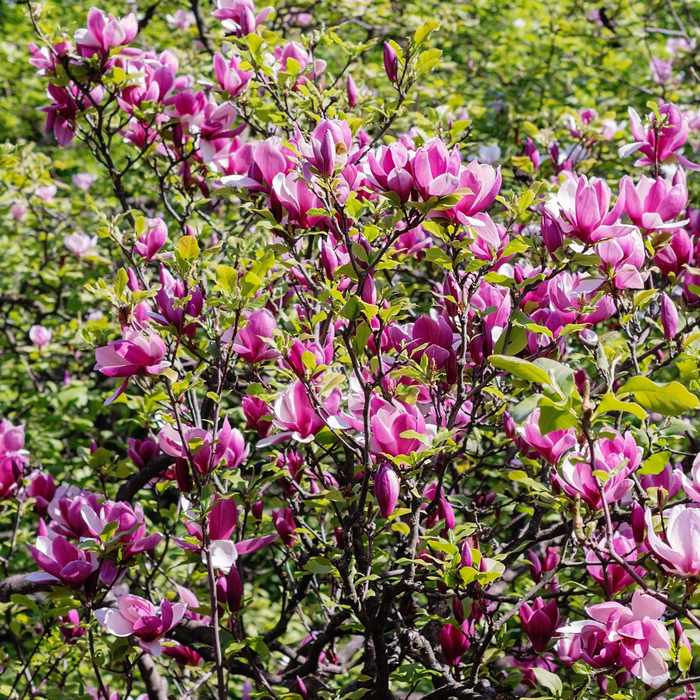
Healthy, well-rooted plants
Hand-selected and shipped in its nursery pot.
Delivered to your door
Skip the nursery trip. Very little car Tetris required.
Real plant experts
Ask us anything before or after planting.
1-year guarantee
If something goes wrong, we'll help make it right.
Care made simple
Plant it right once and it does the rest.
Pick the spot before you dig.
Water slowly and deeply. Check more often in its first summer.
Enter your ZIP above to check your zone.
Your first year together
- 1Day 1
Plant it, then water slowly until the whole root ball is soaked.
- 2First few weeks
Keep the soil evenly moist while new roots settle in.
- 3First summer
Water deeply during hot, dry spells.
- 4Next spring
New growth starts. Feed as it wakes up.
Planting instructions
Watering & sunlight
Use a slow-running hose, soaker hose, or drip system to water the root ball and surrounding root zone thoroughly. Allow the water to penetrate deeply (not just wet the top few inches of soil), and avoid frequent, shallow watering.
Before watering again, check the soil 3–4 inches deep near the root ball. If it feels dry, repeat this deep-watering process. If it feels moist or soggy, wait and check again in 1–2 days. Check the soil of newly planted trees and shrubs several times per week, especially during hot, dry, or windy weather.
Irrigation run times will vary based on flow rate, soil, and system setup.
Need help? Contact our plant experts for watering guidance tailored to your plant and growing conditions.
Jane Magnolia prefers full sun for the best flowering but can tolerate partial shade, especially in hotter climates.
Care guide
Shipping & what's inside
Your plant ships in its nursery pot with the soil secured, packed so it stays steady on the way to you.
1-year guarantee
Every plant is covered by our 1-year guarantee. If something goes wrong, contact our team and we'll walk you through it.
 Answered by Simply Trees plant experts
How big does the Jane Magnolia get?
How fast does the Jane Magnolia grow?
Where is the best place to plant the Jane Magnolia?
How hardy is the Jane Magnolia?
How long does it take for Jane Magnolia to bloom?
How far should I plant Jane Magnolia from my house?
Mature Size: Jane Magnolias typically reach a height of about 10 to 15 feet and have a spread of 8 to 12 feet. However, their size can vary based on growing conditions and pruning practices.
Spacing: To prevent potential issues with overcrowding, allow sufficient space between the Jane Magnolia and your house. A distance of at least 6 to 8 feet from the foundation is advisable to accommodate the plant's mature spread.
Consider Branch Spread: Keep in mind the lateral spread of the branches when determining the planting distance. You want to ensure that the branches have ample room to develop without encroaching on your house or other structures.
Future Growth: Anticipate the tree's future growth when selecting the planting location. Even though Jane Magnolias are relatively compact compared to other magnolia varieties, they will still require space to expand as they mature.
Foundation Damage: Planting too close to your house can potentially lead to foundation damage from roots or moisture-related issues. Providing adequate distance helps mitigate these risks.
Aesthetic Considerations: Additionally, consider the visual impact of the mature tree on your landscape and its proximity to other plants, structures, or features in your yard.
By planting your Jane Magnolia at an appropriate distance from your house, you can ensure both the health of the tree and the integrity of your property's infrastructure.
How often do I need to water the Jane Magnolia?
Establishment Period: During the first year after planting, it's crucial to keep the soil consistently moist but not waterlogged. Water deeply at the base of the tree whenever the top inch of soil feels dry to the touch. Ensure that the root zone receives enough moisture to encourage healthy root development.
Subsequent Years: Once established, Jane Magnolias are relatively drought-tolerant but still benefit from regular watering during dry periods, especially in hot weather. Water deeply and infrequently rather than shallow, frequent watering to encourage deep root growth and drought resistance.
Weather Conditions: Adjust your watering frequency based on weather conditions. During periods of extended heat or drought, increase the frequency of watering to prevent stress on the tree. Conversely, reduce watering during periods of heavy rainfall or cooler weather to avoid waterlogged soil.
Mulching: Apply a layer of organic mulch, such as wood chips or compost, around the base of the tree. Mulch helps retain soil moisture, regulate soil temperature, and suppress weed growth. Leave a gap between the mulch and the trunk to prevent moisture-related issues.
Monitoring: Regularly monitor the soil moisture level around your Jane Magnolia. Stick your finger into the soil near the root zone to gauge moisture levels. If the soil feels dry several inches below the surface, it's time to water.
Watering Technique: When watering, apply water directly to the root zone rather than overhead sprinkling, which can promote fungal diseases and water wastage. Consider using a soaker hose or drip irrigation system for efficient watering.
By following these watering guidelines and adjusting based on your local climate and soil conditions, you can help your Jane Magnolia thrive and maintain its health and vigor.
Do I need to prune my Jane Magnolia?
Timing: Ideally, prune your Jane Magnolia immediately after it finishes blooming, typically in late spring or early summer. Pruning at this time allows the tree to recover and set buds for the following year's blooms without interfering with the flowering process.
Pruning Technique: When pruning, focus on removing any dead, diseased, or broken branches first. Then, selectively prune to improve the tree's shape, removing any crossing branches or those growing inward towards the center of the tree. Make clean cuts just outside the branch collar to promote proper healing.
Minimal Pruning: Avoid heavy pruning, especially in the first few years after planting, as this can remove potential flower buds and delay blooming. Jane Magnolias typically have a naturally pleasing shape and require minimal intervention.
Tools: Use sharp and clean pruning tools to make precise cuts and minimize the risk of introducing disease. Disinfect your tools between cuts if you suspect any branches are diseased.
Consultation: If you're unsure about pruning or dealing with specific issues, consider consulting with a local arborist or horticulturist for personalized advice tailored to your tree's needs and your gardening goals.
Overall, while Jane Magnolias don't require extensive pruning, light maintenance pruning can help maintain their health, shape, and flowering performance over time.
Why is my Jane Magnolia not blooming?
Immaturity: If the plant is young, it might not have reached maturity yet. Magnolia trees typically take a few years to establish themselves before producing abundant blooms.
Pruning: Improper pruning can remove flower buds. Magnolias bloom on old wood, so pruning at the wrong time or too aggressively can remove potential flower buds.
Environmental Stress: Stressors like extreme weather conditions, inadequate sunlight, or inconsistent watering can hinder blooming.
Nutrient Deficiency: A lack of essential nutrients, particularly phosphorus, can affect blooming. Consider fertilizing with a balanced fertilizer formulated for flowering plants.
Pests or Diseases: Infestations or diseases affecting the plant's health can also impact blooming. Check for signs of pests or diseases and treat accordingly.
Genetics: While Jane Magnolias are known for their prolific blooms, individual variations or genetic factors could affect blooming in some cases.
By addressing these potential issues and providing optimal growing conditions, you can encourage your Jane Magnolia to bloom more reliably.