Home / Jacaranda Tree
Jacaranda Tree
Jacaranda Tree
Jacaranda Tree
Jacaranda Tree
Jacaranda Tree
Jacaranda Tree
Jacaranda Tree
1 / 7
Flowering Tree

Jacaranda Tree

5.0/5 1 review
Will it grow where you live?

Zones 9-11

Size: 6-7 ft
$184 $230

Black Friday price 20% off, applied automatically at checkout

Black Friday Sale

20% off sitewide

Ends inSun, Nov 29

Take 20% off orders of $150+, applied automatically at checkout.

Unlocked. You save $46 on this at checkout.

Get it soonFree shipping over $249

Buy more, save more

Save up to $1,000 on your whole cart.

See all savings tiers
Free shipping$249+
Automatic
10% offAny 2 items
$50 off$350+
$125 off$750+
$300 off$1,500+
$500 off$2,500+
$750 off$3,250+
$1,000 off$4,000+

Your code will auto-apply at checkout.

1-year guaranteeShips in 1–5 daysReal plant experts

From our farm to your front door

  • Shipped in its nursery pot, so the roots stay undisturbed
  • Soil secured so it stays put in transit
  • Packed so the plant stays steady on the way to you

At a glance

Sunlight
Full Sun
Water
When the top 2" of soil is dry
Growth & size
Fast growth rate; it reaches a mature height of 25 to 50 feet and a width of 15 to 30 feet.
Botanical name
Jacaranda mimosifolia
Hardiness
Zones 9-11
Tolerates
Heat tolerantDrought tolerantDesert tolerantCoastal tolerantWind tolerant
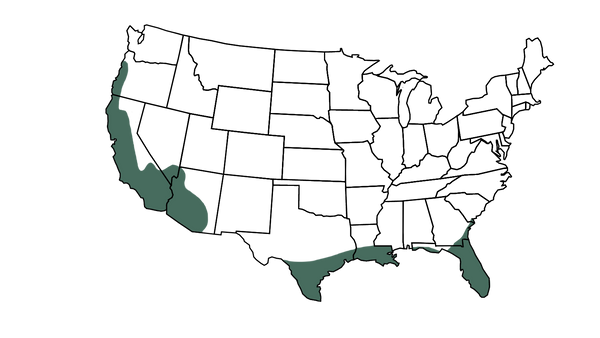
USDA zone map for Jacaranda Tree

Where it grows in the groundShaded areas are the zones where it can be planted outdoors.

Not sure it'll thrive where you live?Real people who answer questions before and after planting.
Chat now

What customers are saying

5.0
out of 5 · 1 verified reviews

Why customers love it

Healthy, well-rooted plants

Hand-selected and shipped in its nursery pot.

Delivered to your door

Skip the nursery trip. Very little car Tetris required.

Real plant experts

Ask us anything before or after planting.

1-year guarantee

If something goes wrong, we'll help make it right.

Care made simple

Plant it right once and it does the rest.

Sun
Full Sun

Pick the spot before you dig.

Water
When the top 2" of soil is dry

Water slowly and deeply. Check more often in its first summer.

Grows in
Zones 9-11

Enter your ZIP above to check your zone.

Your first year together

  1. 1Day 1

    Plant it, then water slowly until the whole root ball is soaked.

  2. 2First few weeks

    Keep the soil evenly moist while new roots settle in.

  3. 3First summer

    Water deeply during hot, dry spells.

  4. 4Next spring

    New growth starts. Feed as it wakes up.

Planting instructions
Choose a location with well-drained soil and full sun exposure. Dig a hole twice as wide and as deep as the root ball. Place the Jacaranda Tree in the hole so the top of the root ball is level with the ground surface. Backfill with soil, firm gently, and water thoroughly to settle. Mulch around the base to retain moisture and suppress weeds, keeping the mulch a few inches away from the trunk to prevent rot. Provide regular watering during the first growing season to help the tree establish.
Watering & sunlight
Watering needs are never one-size-fits-all. Weather, soil type, drainage, plant size, and planting time all affect how quickly a plant dries out.

Use a slow-running hose, soaker hose, or drip system to water the root ball and surrounding root zone thoroughly. Allow the water to penetrate deeply (not just wet the top few inches of soil), and avoid frequent, shallow watering.

Before watering again, check the soil 3–4 inches deep near the root ball. If it feels dry, repeat this deep-watering process. If it feels moist or soggy, wait and check again in 1–2 days. Check the soil of newly planted trees and shrubs several times per week, especially during hot, dry, or windy weather.

Irrigation run times will vary based on flow rate, soil, and system setup.

Need help? Contact our plant experts for watering guidance tailored to your plant and growing conditions.

Jacaranda Tree requires full sun exposure—at least 6 to 8 hours of direct sunlight daily—to thrive and produce abundant blooms.
Care guide

PRUNING:
Prune in late winter or early spring to maintain shape, remove dead or diseased branches, and promote better air circulation. Prune to encourage a strong central leader and well-spaced branches to prevent limb breakage.

FERTILIZING:
Apply a balanced, slow-release fertilizer in early spring to support healthy growth and abundant blooming. Avoid excessive fertilization, which can promote foliage growth at the expense of flowers. Avoid fertilizing for the first 2–3 months after delivery to allow the plant to adjust and establish.

WINTER PROTECTION:
In cooler climates, protect young trees from frost by covering them or planting in a sheltered location. Mulching around the base can help insulate roots against cold temperatures.

Shipping & what's inside

Your plant ships in its nursery pot with the soil secured, packed so it stays steady on the way to you.

1-year guarantee

Every plant is covered by our 1-year guarantee. If something goes wrong, contact our team and we'll walk you through it.

Answered by Simply Trees plant experts
How big does the Jacaranda Tree get?
The Jacaranda tree typically grows to a height of 40 to 50 feet at maturity, with a wide, spreading canopy that can reach 15 to 30 feet across. Its large, airy crown and graceful, arching branches make it an excellent shade tree. In open spaces with optimal growing conditions, Jacarandas can occasionally grow even taller, especially in warm, subtropical regions. Their expansive size and vibrant spring blooms make them a striking addition to large landscapes and public spaces.
How fast does the Jacaranda Tree grow?
The Jacaranda tree has a moderate to fast growth rate, typically growing about 12 to 24 inches per year under optimal conditions. In its early years, it may grow faster, especially in warm climates with plenty of sunlight and well-draining soil. With proper care, a Jacaranda tree can reach a height of 25 to 40 feet within 7 to 10 years, eventually reaching its mature height of 40 to 50 feet over time. Regular watering, proper soil conditions, and full sun exposure help support its growth rate.
Where is the best place to plant the Jacaranda Tree?
The best place to plant a Jacaranda tree is in a sunny, open location that receives at least 6 to 8 hours of direct sunlight daily, which is essential for optimal growth and bloom production. Jacarandas prefer well-draining, sandy or loamy soil, ideally with a slightly acidic to neutral pH. Avoid areas with compacted or clay-heavy soil, which can lead to root rot.

Choose a spot with ample space, at least 15 to 20 feet away from structures, other trees, and power lines, as Jacarandas can grow up to 40 to 50 feet tall with a wide, spreading canopy. Planting in an open area allows the tree’s graceful shape to develop fully and reduces potential interference with buildings or utilities. Jacarandas are ideal for large yards, parks, or street plantings where their vibrant blooms can be enjoyed each spring.
Can I grow the Jacaranda Tree in Florida?
Yes, you can grow the Jacaranda tree in Florida. Jacarandas thrive in Florida’s warm, subtropical to tropical climate, particularly in USDA zones 9b to 11. They do well in areas with mild winters and are commonly found in South Florida, where the temperatures rarely dip below freezing. In North Florida, where occasional freezes occur, Jacaranda trees may need some winter protection when young or be planted in more sheltered areas. With the right conditions, Jacarandas flourish in Florida, producing their beautiful lavender-blue blooms each spring. Be careful with humidity and extra moisture in the soil as the Jacaranda is drought tolerant.
How far should I plant the Jacaranda Tree from structures?
When planting a Jacaranda tree, it’s best to position it at least 15 to 20 feet away from structures such as houses, fences, or walls. Jacaranda trees can grow up to 40 to 50 feet tall and have a wide, spreading canopy that can reach 30 to 40 feet across. Planting at this distance allows the tree enough space to grow without causing potential damage to nearby structures or interfering with roofs, windows, or foundations. This spacing also ensures that the tree’s canopy has room to develop its naturally open, graceful form.
Can the Jacaranda Tree survive a freeze?
The Jacaranda tree is sensitive to frost and does not tolerate extended freezing temperatures well. It can survive brief exposure to temperatures as low as 25°F (-4°C), but prolonged freezes or temperatures below this threshold can cause significant damage, especially to young trees. In colder climates, it’s best to plant Jacaranda trees in a sheltered location or near a structure that can provide some warmth.

For young trees, consider covering them with frost cloths or blankets during cold snaps to help protect them. In regions prone to severe freezes, growing Jacaranda trees in containers and moving them indoors during winter may be a better option.
When does the Jacaranda Tree bloom?
The Jacaranda tree typically blooms in late spring to early summer, with its peak flowering period occurring between April and June, depending on the climate. In warmer regions, particularly in tropical and subtropical areas, Jacarandas may begin blooming earlier or even have a secondary, lighter bloom in the fall. During its bloom period, the tree produces abundant clusters of lavender-blue, trumpet-shaped flowers that cover its branches, creating a stunning display that can last several weeks.
How do I care for the Jacaranda Tree?
To care for a Jacaranda tree, plant it in a location with full sun, as it needs at least 6 to 8 hours of direct sunlight daily to thrive and produce its characteristic lavender-blue blooms. Ensure the soil is well-draining, as Jacarandas prefer sandy, slightly acidic to neutral soil; avoid areas with compacted or clay-heavy soils, which can lead to root rot.

Watering: Water the tree deeply once a week during its first few years to help establish a strong root system, allowing the soil to dry slightly between waterings. Once established, Jacaranda trees are drought-tolerant and only need supplemental watering during prolonged dry spells or extreme heat.

Fertilizing: Fertilize in early spring with a balanced, slow-release fertilizer like 10-10-10 to encourage healthy growth, avoiding high-nitrogen formulas, which can promote leaf growth over blooms. Apply organic matter, like compost, to improve soil health if needed.

Pruning: Prune the tree lightly in late winter or early spring to remove dead or damaged branches and shape it as desired. Avoid excessive pruning, as Jacarandas have a naturally open, spreading form that’s best left unaltered.

Winter Protection: In colder regions, protect young trees from frost by covering them or planting them in a sheltered location. Jacaranda trees are low-maintenance once established, offering beautiful seasonal color and shade with minimal upkeep.
How often should I water the Jacaranda Tree?
Water your Jacaranda tree deeply once a week during its first few years to help establish a strong root system. Allow the soil to dry slightly between waterings, as the tree prefers well-draining soil and does not tolerate consistently wet conditions. Once established, Jacaranda trees are fairly drought-tolerant and generally only need watering during extended dry spells or extreme heat. Overwatering can lead to root rot, so it’s best to reduce watering during cooler months or if there’s adequate rainfall. Adjust your watering schedule based on soil moisture, climate, and the tree’s age.
What fertilizer should I use for the Jacaranda Tree?
For the Jacaranda tree, use a balanced, slow-release fertilizer with a formulation like 10-10-10 or 12-12-12, which provides equal amounts of nitrogen, phosphorus, and potassium. This balanced approach encourages healthy growth without promoting excessive foliage over blooms.

Apply fertilizer in early spring, just before the growing season, and again in midsummer if needed. For young trees, use a diluted application to prevent overstimulation. Organic options, such as compost or well-rotted manure, can also be beneficial, especially if your soil is naturally nutrient-poor. Avoid high-nitrogen fertilizers, as these can lead to more foliage growth at the expense of the tree’s iconic lavender-blue blooms.
Still deciding? Our plant experts reply fast on live chat. Chat with us