


Italian Cypress
Zones 8-10
Buy more, save more
Save up to $1,000 on your whole cart.
Discounts don't stack. At checkout you automatically get whichever saves you more.
See all savings tiers
Your code will auto-apply at checkout.
From our farm to your front door
- Shipped in its nursery pot, so the roots stay undisturbed
- Soil secured so it stays put in transit
- Packed so the plant stays steady on the way to you
At a glance
- Leaves
- Evergreen: keeps its leaves all year
- Sunlight
- Full Sun, Partial Sun, Partial Shade
- Water
- When the top 2–3" of soil is dry
- Growth & size
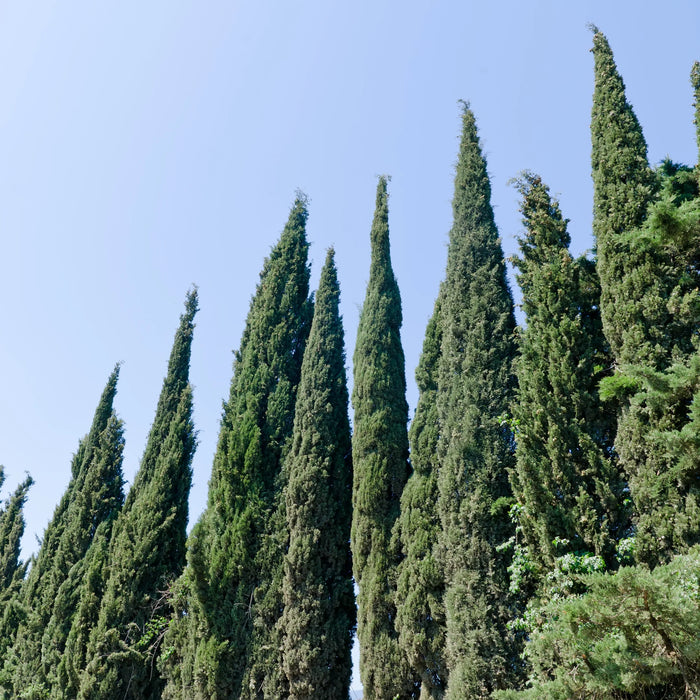
- Moderate to fast growth rate, typically adding 1-2 feet per year; it reaches a mature height of 40 to 70 feet and a width of 4 to 10 feet over 15-20 years.
- Botanical name
- Cupressus sempervirens
- Hardiness
- Zones 8-10
- Tolerates
- Heat tolerantDrought tolerantWind tolerantHigh elevation tolerantCoastal tolerantDesert tolerant
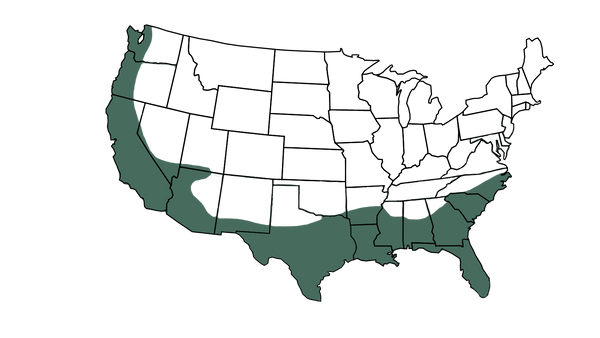
Where it grows in the groundShaded areas are the zones where it can be planted outdoors.


Size guide & what arrives
| *Trade size | **Pot size |
|---|---|
| 1 gallon | 6" |
| 3 gallon | 8 to 10" |
| 5 gallon | 10 to 12" |
| 7 gallon | 14" |
| 10 gallon | 15 to 17" |
| 15 gallon | 17" |
| "Jumbo" | 7 or 10 or 15 gallon |
*Nursery gallon sizes are trade sizes and do not equal standard liquid gallons.
**Pot sizes in inches refer to container width (diameter), not plant or pot height.
Please note: Sizing can differ between plant varieties and growers. Please chat with us if you need clarification.
For more information on sizing, please see our sizing guide.
What arrives
This cypress variety is known for its tolerance to heat and drought, making it an excellent choice for low-water landscapes or as a statement tree in arid regions.
What customers are saying
Why customers love it

Healthy, well-rooted plants
Hand-selected and shipped in its nursery pot.
Delivered to your door
Skip the nursery trip. Very little car Tetris required.

Real plant experts
Ask us anything before or after planting.

1-year guarantee
If something goes wrong, we'll help make it right.
Care made simple
Plant it right once and it does the rest.
Pick the spot before you dig.
Water slowly and deeply. Check more often in its first summer.
Enter your ZIP above to check your zone.
Your first year together
- 1Day 1
Plant it, then water slowly until the whole root ball is soaked.
- 2First few weeks
Keep the soil evenly moist while new roots settle in.
- 3First summer
Water deeply during hot, dry spells.
- 4Next spring
New growth starts. Feed as it wakes up.
Planting instructions
Watering & sunlight
Use a slow-running hose, soaker hose, or drip system to water the root ball and surrounding root zone thoroughly. Allow the water to penetrate deeply (not just wet the top few inches of soil), and avoid frequent, shallow watering.
Before watering again, check the soil 3–4 inches deep near the root ball. If it feels dry, repeat this deep-watering process. If it feels moist or soggy, wait and check again in 1–2 days. Check the soil of newly planted trees and shrubs several times per week, especially during hot, dry, or windy weather.
Irrigation run times will vary based on flow rate, soil, and system setup.
Need help? Contact our plant experts for watering guidance tailored to your plant and growing conditions.
Italian Cypress prefers full sun to partial shade, requiring at least 6 hours of direct sunlight daily to thrive and maintain its dense foliage.
Care guide
What does "Jumbo" mean?
Shipping & what's inside
Your plant ships in its nursery pot with the soil secured, packed so it stays steady on the way to you.
1-year guarantee
Every plant is covered by our 1-year guarantee. If something goes wrong, contact our team and we'll walk you through it.
 Answered by Simply Trees plant experts
How big do Italian Cypress get?
How fast does Italian Cypress grow?
With proper care, Italian Cypress trees can reach their mature height of 40-70 feet in 15-20 years.
Where is the best place to plant Italian Cypress?
1. Full Sun: Choose a spot that receives at least 6-8 hours of direct sunlight daily.
2. Well-Draining Soil: Ensure the soil is well-draining to prevent root rot. If your soil tends to hold water, amend it with sand or organic matter.
3. Protection from High Winds: While Italian Cypress is sturdy, planting in a sheltered area can protect its tall, narrow form from strong winds.
4. Space for Growth: Allow enough room for the trees to grow to their full height and width without crowding nearby structures or plants. Place them at least 3 feet away from buildings or fences.
5. Warm Climate: Ideal in USDA Hardiness Zones 8-10, Italian Cypress thrives in warm, dry areas with mild winters.
A sunny, spacious, and well-draining area will ensure your Italian Cypress grows strong and healthy.
How far apart should you plant Italian Cypress?
The closer spacing encourages overlapping growth, creating a full, lush barrier, while wider spacing allows each tree to grow individually without crowding. Always consider the mature width of the trees when determining spacing, and ensure the planting site has enough sunlight and well-draining soil to support healthy growth.
How do I care for Italian Cypress?
1. Sunlight: Plant in a location that receives at least 6-8 hours of full sun daily.
2. Watering: Water deeply but infrequently. Allow the soil to dry slightly between waterings. During hot weather, water once a week; in cooler months, reduce to once every 3-4 weeks.
3. Soil: Use well-draining soil to prevent waterlogging, which can lead to root rot. If your soil retains water, consider adding sand or organic matter to improve drainage.
4. Fertilizer: Feed with a balanced, slow-release evergreen fertilizer in early spring and late summer to support healthy growth.
5. Pruning: Trim any dead or damaged branches as needed. Avoid heavy pruning, as it can disrupt the tree’s natural shape.
6. Pests and Diseases: Regularly inspect for pests like spider mites or cypress bark beetles. Treat infestations with neem oil or insecticidal soap. Prevent fungal diseases by avoiding overwatering and ensuring good air circulation around the tree.
7. Mulching: Apply a 2-3 inch layer of mulch around the base (but not against the trunk) to retain moisture and regulate soil temperature.
Consistent care ensures Italian Cypress trees maintain their striking, upright appearance and thrive in their environment.
What is the best climate for Italian Cypress?
• Mild Winters: Temperatures should generally not drop below 0°F, as prolonged freezing can damage the tree.
• Hot, Dry Summers: They are highly drought-tolerant once established and perform well in arid or Mediterranean climates.
• Low Humidity: Excessive humidity can increase the risk of fungal diseases, so they do best in areas with moderate to low humidity levels.
For optimal growth, plant Italian Cypress in a location with well-draining soil and plenty of sunlight to mimic its native Mediterranean environment.
How often should I water Italian Cypress?
• During Establishment (First Year): Water 1-2 times per week, ensuring the soil is moist but not waterlogged. Use enough water to penetrate at least 12-18 inches deep.
• Normal Weather (Mild Temperatures): Water once every 10-14 days, depending on soil drainage. Allow the top few inches of soil to dry out between waterings.
• Hot Weather (High Temperatures or Drought): Increase watering to once a week or as needed to keep the soil consistently moist. Deeply water to prevent heat stress.
• Cool Weather (Fall and Winter): Water less frequently, about once every 3-4 weeks, as the tree’s growth slows. Avoid overwatering, especially if rainfall is sufficient.
Always check the soil moisture around the root zone before watering to prevent overwatering, which can lead to root rot.
How much sun do Italian Cypress need?
Why is my Italian Cypress turning brown?
1. Water Stress: Overwatering or underwatering can cause browning. Ensure the soil is well-draining and water deeply but infrequently.
2. Pests: Infestations of spider mites or cypress bark beetles can damage the tree and cause browning. Inspect the foliage for tiny webs, holes in the bark, or other signs of pests, and treat with insecticidal soap or neem oil as needed.
3. Fungal Diseases: Root rot, cankers, or other fungal infections can lead to browning. Prune away affected branches and avoid overwatering to reduce fungal growth.
4. Nutrient Deficiency: A lack of essential nutrients like nitrogen can cause discoloration. Fertilize with a slow-release evergreen fertilizer to promote healthy growth.
5. Environmental Stress: Extreme weather conditions, such as heatwaves or frost, can stress the tree and result in browning. Mulching around the base can help regulate soil temperature and moisture.
Regularly inspecting your tree and addressing issues promptly can help restore its health.