


Heritage® River Birch
Zones 4-9
Buy more, save more
Save up to $1,000 on your whole cart.
Discounts don't stack. At checkout you automatically get whichever saves you more.
See all savings tiers
Your code will auto-apply at checkout.
From our farm to your front door
- Shipped in its nursery pot, so the roots stay undisturbed
- Soil secured so it stays put in transit
- Packed so the plant stays steady on the way to you
At a glance
- Leaves
- Deciduous: drops its leaves in fall and regrows them in spring
- Sunlight
- Full Sun, Partial Sun, Partial Shade
- Water
- When the top 1" of soil is dry
- Growth & size
- Fast growth rate; it reaches a mature height of 40 to 70 feet and a width of 30 to 40 feet.
- Botanical name
- Betula nigra 'Cully'
- Hardiness
- Zones 4-9
- Tolerates
- Cold hardyHeat tolerantHumidity tolerantWind tolerant
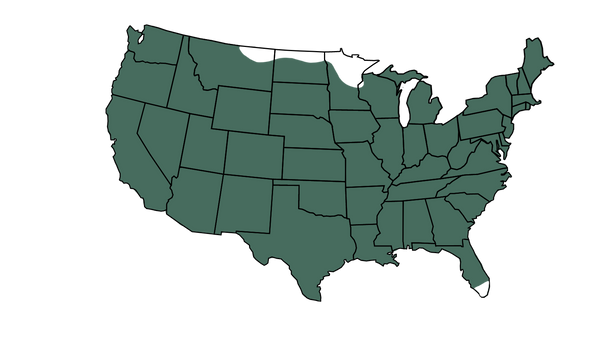
Where it grows in the groundShaded areas are the zones where it can be planted outdoors.


Size guide & what arrives
| *Trade size | **Pot size |
|---|---|
| 1 gallon | 6" |
| 3 gallon | 8 to 10" |
| 5 gallon | 10 to 12" |
| 7 gallon | 14" |
| 10 gallon | 15 to 17" |
| 15 gallon | 17" |
| "Jumbo" | 7 or 10 or 15 gallon |
*Nursery gallon sizes are trade sizes and do not equal standard liquid gallons.
**Pot sizes in inches refer to container width (diameter), not plant or pot height.
Please note: Sizing can differ between plant varieties and growers. Please chat with us if you need clarification.
For more information on sizing, please see our sizing guide.
What arrives
This variety is known for its resistance to the bronze birch borer, making it a more durable choice compared to other birch species.
This is a clump variety, meaning it has multiple trunks.
What customers are saying
Why customers love it

Healthy, well-rooted plants
Hand-selected and shipped in its nursery pot.

Delivered to your door
Skip the nursery trip. Very little car Tetris required.

Real plant experts
Ask us anything before or after planting.

1-year guarantee
If something goes wrong, we'll help make it right.
Care made simple
Plant it right once and it does the rest.
Pick the spot before you dig.
Water slowly and deeply. Check more often in its first summer.
Enter your ZIP above to check your zone.
Your first year together
- 1Day 1
Plant it, then water slowly until the whole root ball is soaked.
- 2First few weeks
Keep the soil evenly moist while new roots settle in.
- 3First summer
Water deeply during hot, dry spells.
- 4Next spring
New growth starts. Feed as it wakes up.
Planting instructions
Watering & sunlight
Use a slow-running hose, soaker hose, or drip system to water the root ball and surrounding root zone thoroughly. Allow the water to penetrate deeply (not just wet the top few inches of soil), and avoid frequent, shallow watering.
Before watering again, check the soil 3–4 inches deep near the root ball. If it feels dry, repeat this deep-watering process. If it feels moist or soggy, wait and check again in 1–2 days. Check the soil of newly planted trees and shrubs several times per week, especially during hot, dry, or windy weather.
Irrigation run times will vary based on flow rate, soil, and system setup.
Need help? Contact our plant experts for watering guidance tailored to your plant and growing conditions.
Heritage River Birch prefers full sun to partial shade, requiring at least 6 hours of direct sunlight daily to thrive and achieve its fast growth rate.
Care guide
Shipping & what's inside
Your plant ships in its nursery pot with the soil secured, packed so it stays steady on the way to you.
1-year guarantee
Every plant is covered by our 1-year guarantee. If something goes wrong, contact our team and we'll walk you through it.
 Answered by Simply Trees plant experts
How big does the Heritage River Birch get?
How fast does the Heritage River Birch grow?
Where is the best place to plant the Heritage River Birch?
Heritage River Birches do best in slightly acidic to neutral soil, though they are adaptable to a range of soil types, including clay, sandy, and loamy soils. Avoid planting in dry or heavily compacted soils, as they prefer consistently moist conditions. Provide enough space for the tree to grow to its mature size—typically 40 to 70 feet tall and 30 to 40 feet wide. This tree is highly tolerant of urban conditions, so it can also do well in larger yards, parks, and naturalized areas where its unique peeling bark can be enjoyed.
How often should I water the Heritage River Birch?
During extreme heat or drought, monitor the soil and water as needed to prevent the roots from drying out, as the Heritage River Birch thrives best in moist conditions. Mulching around the base of the tree helps retain moisture and regulate soil temperature, reducing the need for frequent watering.
What is the difference between river birch and Heritage River Birch?
Bark Color and Texture: While both have attractive peeling bark, the Heritage River Birch has a more striking, lighter bark with shades of creamy beige to cinnamon-brown, which exfoliates more noticeably. Standard river birch trees may have darker or less prominent bark peeling, depending on their environment and age.
Disease Resistance: The Heritage River Birch is a cultivated variety selectively bred for increased resistance to common birch diseases, particularly bronze birch borer. This makes it a better choice for urban and residential landscapes where disease resilience is desirable.
Growth and Adaptability: The Heritage River Birch is more tolerant of different soil types and environmental conditions, including heat and drought, compared to the standard river birch. It adapts well to a range of soils, including compacted and wet soils, making it versatile for various planting locations.
Overall, the Heritage River Birch is a refined, low-maintenance choice for ornamental use, offering enhanced beauty and resilience compared to the standard river birch.
How often does the bark shed on the Heritage River Birch?
Does the Heritage River Birch flower?
Do I need to prune the Heritage River Birch?
Start by removing any dead, damaged, or diseased branches. You can also thin out crowded areas to improve air circulation and sunlight penetration, which helps reduce the risk of disease. Additionally, remove any crossing or rubbing branches to prevent damage as the tree grows.
Since the Heritage River Birch has a naturally graceful shape, avoid heavy pruning, which can disrupt its form. Focus on light, selective pruning to maintain its natural beauty.
What is the best fertilizer for Heritage River Birch?
For mature trees, you may only need to fertilize every couple of years, especially if the tree is planted in nutrient-rich soil. Adding a layer of compost or organic mulch around the base of the tree can also improve soil health and provide a slow release of nutrients, which the Heritage River Birch appreciates. Avoid high-nitrogen fertilizers, as these can lead to excessive foliage growth at the expense of the tree’s natural shape.