


Hass Avocado Tree
Zones 9-11
Can't ship to your state. Due to USDA and state agriculture regulations.
Shop plants we can ship to you ·
Can't ship to California or Georgia.
Buy more, save more
Save up to $1,000 on your whole cart.
See all savings tiers
Your code will auto-apply at checkout.
From our farm to your front door
- Shipped in its nursery pot, so the roots stay undisturbed
- Soil secured so it stays put in transit
- Packed so the plant stays steady on the way to you
At a glance
- Sunlight
- Full Sun
- Water
- When the top 2–3" of soil is dry
- Growth & size
- Moderate growth rate; mature height of 15-30 feet and width of 15-20 feet, but can be kept smaller with pruning.
Sizing: Our fruit and citrus trees are primarily utilized as outdoor patio or indoor plants and are potted. Accordingly, we measure our fruit and citrus trees from the bottom of the pot to the top of the tree for accuracy. - Botanical name
- Persea americana 'Hass'
- Hardiness
- Zones 9-11
- Tolerates
- Heat tolerantHumidity tolerantCoastal tolerantWind tolerant

Where it grows in the groundShaded areas are the zones where it can be planted outdoors.


Size guide & what arrives
| *Trade size | **Pot size |
|---|---|
| 1 gallon | 6" |
| 3 gallon | 8 to 10" |
| 5 gallon | 10 to 12" |
| 7 gallon | 14" |
| 10 gallon | 15 to 17" |
| 15 gallon | 17" |
| "Jumbo" | 7 or 10 or 15 gallon |
*Nursery gallon sizes are trade sizes and do not equal standard liquid gallons.
**Pot sizes in inches refer to container width (diameter), not plant or pot height.
Please note: Sizing can differ between plant varieties and growers. Please chat with us if you need clarification.
For more information on sizing, please see our sizing guide.
What arrives
Hass Avocado Trees may need protection from frost in cooler climates and should be planted in well-draining soil. Regular watering is essential during dry periods.
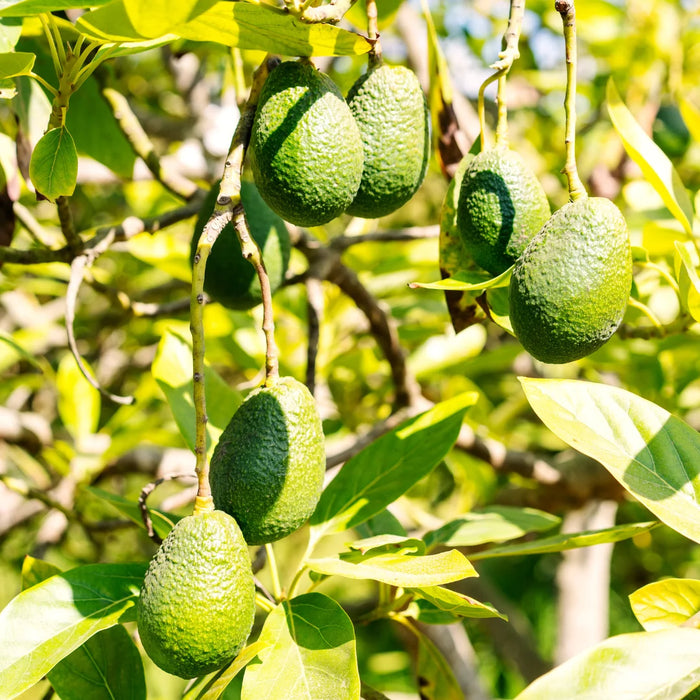
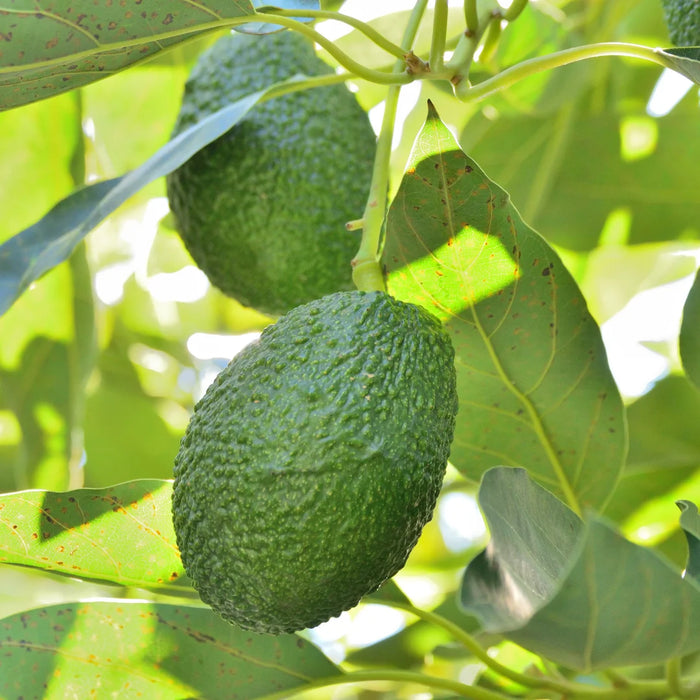
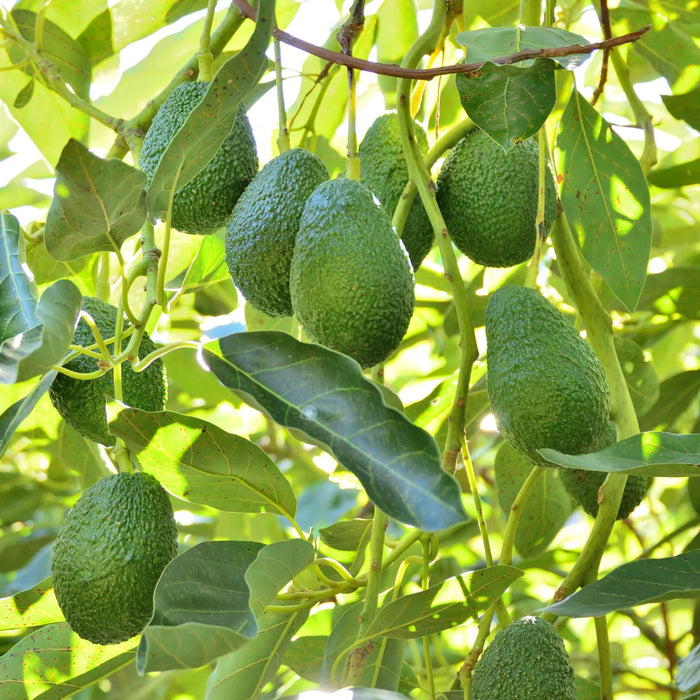
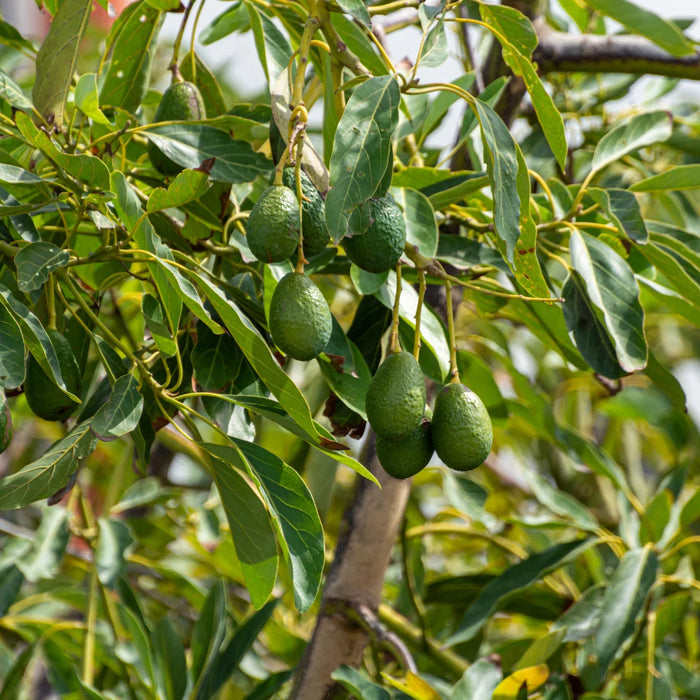
*We cannot guarantee the Hass Avocado Tree you receive will already be bearing fruit. This depends on the season and the overall growth pattern.
What customers are saying
Why customers love it
Healthy, well-rooted plants
Hand-selected and shipped in its nursery pot.
Delivered to your door
Skip the nursery trip. Very little car Tetris required.
Real plant experts
Ask us anything before or after planting.
1-year guarantee
If something goes wrong, we'll help make it right.
Care made simple
Plant it right once and it does the rest.
Pick the spot before you dig.
Water slowly and deeply. Check more often in its first summer.
Enter your ZIP above to check your zone.
Your first year together
- 1Day 1
Plant it, then water slowly until the whole root ball is soaked.
- 2First few weeks
Keep the soil evenly moist while new roots settle in.
- 3First summer
Water deeply during hot, dry spells.
- 4Next spring
New growth starts. Feed as it wakes up.
Planting instructions
Watering & sunlight
Use a slow-running hose, soaker hose, or drip system to water the root ball and surrounding root zone thoroughly. Allow the water to penetrate deeply (not just wet the top few inches of soil), and avoid frequent, shallow watering.
Before watering again, check the soil 3–4 inches deep near the root ball. If it feels dry, repeat this deep-watering process. If it feels moist or soggy, wait and check again in 1–2 days. Check the soil of newly planted trees and shrubs several times per week, especially during hot, dry, or windy weather.
Irrigation run times will vary based on flow rate, soil, and system setup.
Need help? Contact our plant experts for watering guidance tailored to your plant and growing conditions.
Hass avocado tree requires full sun to produce fruit optimally. They are suited for gardeners in warmer climates or those able to provide winter protection in cooler areas.
Care guide
Shipping & what's inside
Your plant ships in its nursery pot with the soil secured, packed so it stays steady on the way to you.
1-year guarantee
Every plant is covered by our 1-year guarantee. If something goes wrong, contact our team and we'll walk you through it.
 Answered by Simply Trees plant experts
How big does the Hass Avocado tree get?
Height: Mature Hass Avocado trees typically reach heights ranging from 20 to 30 feet tall. However, some trees may grow taller under optimal growing conditions or if left unpruned, while others may remain slightly smaller, especially if grown in containers or subjected to pruning.
Spread: The canopy spread of a mature Hass Avocado tree can vary widely, depending on factors such as growing space, environmental conditions, and pruning practices. Generally, the canopy spread of a mature tree can range from 15 to 25 feet or more. Avocado trees tend to have a spreading growth habit, with branches extending outward from the trunk.
Growth Habit: Hass Avocado trees typically have an upright, pyramidal growth habit when young, with a single trunk and dense foliage. As the tree matures, it may develop a broader canopy with multiple lateral branches, creating a more rounded or spreading form.
Root System: Avocado trees have extensive root systems that spread horizontally near the soil surface, making them susceptible to damage from digging or soil compaction. It's essential to provide adequate space for root development and avoid disturbing the root zone when planting or landscaping around the tree.
When planting a Hass Avocado tree, it's essential to consider its potential size at maturity and provide ample space for growth. Planting the tree too close to structures or other plants can result in crowding, competition for resources, and potential damage to nearby structures as the tree grows. Additionally, regular pruning may be necessary to maintain the tree's size and shape, especially in urban or confined spaces.
How fast does the Hass Avocado tree grow?
Do you need 2 Hass Avocado trees?
However, while Hass Avocado trees are self-pollinating, having a second avocado tree nearby, preferably a different variety, can increase the likelihood of successful pollination and fruit set. Cross-pollination between different avocado varieties can enhance fruit production and yield, resulting in larger harvests and potentially better-quality fruit.
If you have space for only one avocado tree, you can still expect it to produce fruit, especially if it is well cared for and provided with optimal growing conditions. However, if you have the space and resources to plant multiple avocado trees, including a second variety alongside your Hass Avocado tree can potentially improve fruit set and increase your overall avocado yield.
Ultimately, the decision to plant one or more avocado trees depends on factors such as available space, personal preference, and desired fruit production. If you're unsure about whether to plant multiple avocado trees, consider consulting with a local horticultural expert or nursery professional for personalized advice based on your specific growing conditions and goals.
How long does it take for the Hass Avocado tree to bear fruit?
Tree Age: Avocado trees typically take several years to mature and reach a size where they are capable of bearing fruit. Young avocado trees may focus on establishing a strong root system and vegetative growth before allocating resources to fruit production. As the tree matures, it becomes more capable of bearing fruit.
Cultural Practices: Proper care and management practices, including irrigation, fertilization, pruning, and pest control, can influence the fruiting time of avocado trees. Providing optimal growing conditions and appropriate care can help promote earlier fruiting and maximize fruit yield.
Growing Conditions: Environmental factors such as sunlight, temperature, soil quality, and water availability can impact the growth and development of avocado trees. Avocado trees require warm temperatures, full sun exposure, well-drained soil, and adequate moisture to thrive and produce fruit. Suboptimal growing conditions may delay fruiting.
Pollination: While Hass Avocado trees are generally self-pollinating, they may benefit from cross-pollination with another avocado variety to enhance fruit set and yield. Planting compatible avocado varieties nearby can increase the likelihood of successful pollination and earlier fruiting.
Varietal Differences: Some avocado varieties may have inherent differences in fruiting time and productivity. Hass Avocado trees are known for their reliable fruit production and are one of the most popular and widely cultivated avocado varieties worldwide.
In general, patience is key when growing avocado trees, as they may take several years to reach maturity and begin bearing fruit. Providing proper care, including regular watering, fertilization, and pruning, can help encourage earlier fruiting and ensure a bountiful harvest once the tree starts producing avocados. If you're unsure about the fruiting time of your Hass Avocado tree, consult with a local horticultural expert or arborist for personalized advice and recommendations based on your specific growing conditions.
Where is the best place to plant the Hass Avocado tree?
Climate: Hass Avocado trees thrive in subtropical to tropical climates with mild temperatures and minimal frost. Choose a planting site with a climate that is suitable for avocado cultivation, characterized by mild winters, warm summers, and protection from freezing temperatures.
Sunlight: Avocado trees require plenty of sunlight to thrive and produce fruit. Plant your Hass Avocado tree in a location that receives full sun exposure for at least six to eight hours per day. Avoid planting near tall buildings or trees that may shade the tree and reduce sunlight exposure.
Protection from Wind: Strong winds can damage avocado trees, especially when they are young or during storms. Select a planting site that offers some protection from strong winds, such as near a windbreak or natural barrier.
Soil Drainage: Avocado trees prefer well-drained soil with good aeration to prevent waterlogging, which can lead to root rot. Choose a planting site with sandy loam or loamy soil that drains well. Avoid heavy clay soils that retain excess moisture.
Elevation: Avocado trees are sensitive to frost, especially when they are young. Plant your Hass Avocado tree in a location with a slightly higher elevation or on a slope, if possible, to reduce the risk of frost damage. Cold air tends to settle in low-lying areas, so avoid planting in frost pockets.
Space: Hass Avocado trees can grow quite large, with mature trees reaching heights of 20 to 30 feet and spreading canopy widths of 15 to 20 feet or more. Choose a planting site with ample space to accommodate the tree's size at maturity, considering both height and spread.
Accessibility: Consider accessibility when choosing a planting site for your avocado tree. Ensure that the site is easily accessible for planting, watering, pruning, and harvesting fruit. Avoid planting in areas that are difficult to access or require extensive maintenance.
By selecting a planting site that meets these criteria and providing proper care and maintenance, you can help your Hass Avocado tree thrive and produce bountiful harvests of delicious avocados for years to come.
Can I plant my Hass Avocado tree in a pot?
What is the best climate for Hass Avocado trees?
Mild Temperatures: Hass Avocado trees prefer temperatures that range between 60°F and 85°F (15°C to 30°C). They are sensitive to both cold and heat extremes. Temperatures below 50°F (10°C) can damage the tree, especially during flowering and fruit development. Conversely, temperatures consistently above 90°F (32°C) can inhibit fruit set and lead to sunburn or heat stress.
Frost-Free Conditions: Avocado trees are highly susceptible to frost damage, particularly when young. They require protection from freezing temperatures, as frost can kill the foliage, flowers, and even branches of the tree. In areas prone to frost, consider planting avocado trees in sheltered locations or using frost protection measures such as frost blankets or overhead irrigation.
Moderate Humidity: While Hass Avocado trees prefer moderate humidity levels, they can tolerate a range of humidity conditions. However, excessively dry or humid conditions can stress the tree and affect fruit production. Adequate moisture in the air can help prevent leaf desiccation and promote healthy growth.
Consistent Rainfall or Irrigation: Avocado trees require regular watering, especially during dry periods or when they are actively growing or fruiting. Adequate soil moisture is essential for healthy root development, fruit set, and overall tree health. Supplemental irrigation may be necessary during periods of drought or low rainfall.
Well-Drained Soil: Avocado trees prefer well-drained soil with good aeration to prevent waterlogging, which can lead to root rot and other issues. Sandy loam or loamy soil types are ideal for avocado cultivation. Avoid heavy clay soils that retain excess moisture.
Sunlight: Avocado trees require plenty of sunlight to thrive and produce fruit. Plant your avocado tree in a location that receives full sun exposure for at least six to eight hours per day. However, in areas with intense afternoon sun, some protection from the hot afternoon sun may be beneficial, especially for young trees.
Protection from Wind: Strong winds can damage avocado trees, especially during storms or hurricanes. Planting avocado trees in sheltered locations or using windbreaks can help protect them from wind damage.
Overall, the best climate for Hass Avocado trees is a subtropical to tropical climate with mild temperatures, moderate humidity, and protection from frost and wind. By providing the right growing conditions, you can maximize the health, growth, and fruit production of your avocado trees.
How often should I water my Hass Avocado tree?
Soil Moisture: Avocado trees prefer consistently moist soil but not waterlogged conditions. Before watering, check the soil moisture by inserting your finger into the soil near the tree. If the top inch of soil feels dry to the touch, it's time to water.
Seasonal Considerations: During the active growing season in spring and summer, when the tree is putting out new growth and potentially bearing fruit, it will require more frequent watering. In contrast, watering frequency may decrease during the dormant season in fall and winter.
Weather Conditions: Adjust your watering schedule based on weather conditions. Hot, dry weather may necessitate more frequent watering to prevent drought stress, while cooler or rainy weather may require less frequent watering.
Established Trees: Once established, avocado trees have deep root systems that can access water from deeper in the soil. Water deeply and infrequently, allowing the soil to partially dry out between waterings to encourage the development of a strong root system.
Container-Grown Trees: If your avocado tree is grown in a container, it may require more frequent watering compared to trees planted in the ground. Check the soil moisture regularly and water when the top inch of soil feels dry.
Watering Technique: When watering your avocado tree, apply water slowly and deeply to ensure thorough penetration of the root zone. Water the soil around the tree's drip line rather than directly at the trunk to encourage root spread.
Mulching: Applying a layer of organic mulch around the base of the avocado tree can help retain soil moisture, regulate soil temperature, and reduce water loss through evaporation. Mulching can also suppress weed growth and improve soil structure over time.
Observation: Monitor your avocado tree regularly for signs of water stress, such as wilting leaves, drooping foliage, or dry, crispy leaf edges. Adjust your watering schedule as needed based on the tree's response.
By paying attention to soil moisture levels, seasonal changes, and the specific needs of your Hass Avocado tree, you can develop a watering routine that promotes healthy growth and fruit production.
Why is my Hass Avocado tree not bearing fruit?
Age of the Tree: Avocado trees typically take several years to mature and begin bearing fruit. A young avocado tree may not produce fruit until it reaches 3 to 4 years of age or older, depending on growing conditions and cultivar.
Pollination Issues: Avocado trees are generally self-pollinating, but they may benefit from cross-pollination to increase fruit set and yield. Ensure that there are compatible avocado varieties nearby to facilitate cross-pollination. Additionally, environmental factors such as wind and insects play a role in pollination, so ensure adequate pollinator activity in the area.
Environmental Stress: Environmental factors such as temperature extremes, drought, or excessive rainfall can stress avocado trees and affect fruit production. Provide consistent care, including appropriate watering, protection from extreme weather conditions, and optimal growing conditions to minimize stress on the tree.
Pruning Practices: Improper pruning can affect the development of fruiting wood and may reduce fruit production. Avoid heavy pruning during the growing season, especially on branches that bear fruit. Prune sparingly and selectively to maintain the tree's shape and structure.
Nutrient Deficiencies: Avocado trees require adequate nutrients, especially nitrogen, phosphorus, and potassium, for fruit development. Conduct a soil test to determine if the soil pH and nutrient levels are optimal for avocado growth. Fertilize your tree with a balanced fertilizer formulated for fruit trees, following recommended application rates.
Watering and Drainage: Inconsistent watering or waterlogged soil can affect fruit production in avocado trees. Provide regular, deep watering during the growing season, allowing the soil to partially dry out between waterings. Ensure proper drainage to prevent waterlogging, which can lead to root rot and other issues.
Pest and Disease Pressure: Pest infestations or diseases can affect the health and productivity of avocado trees. Monitor your tree regularly for signs of pests such as aphids, mites, or avocado lace bugs, as well as diseases like anthracnose or root rot. Treat any infestations or diseases promptly using appropriate methods.
Seasonal Variability: Avocado trees may exhibit natural fluctuations in fruit production from year to year due to factors such as weather conditions, flowering patterns, and tree health. Be patient and continue providing proper care to encourage fruit production over time.
By addressing these potential issues and providing optimal care for your Hass Avocado tree, you can increase the likelihood of fruit production and enjoy a bountiful harvest in the future.
Why are the leaves falling off my Hass Avocado tree?
Watering Issues: Overwatering or underwatering can stress avocado trees, leading to leaf drop. Avocado trees prefer consistently moist but well-draining soil. Ensure that you water your tree deeply and allow the top inch of soil to dry out between waterings.
Environmental Stress: Avocado trees are sensitive to environmental changes, such as temperature fluctuations, drafts, or sudden changes in light exposure. Ensure that your tree is placed in a stable environment with adequate sunlight, protection from drafts, and suitable temperature and humidity levels.
Nutrient Deficiencies: Avocado trees require proper nutrition to thrive. Lack of essential nutrients, particularly nitrogen, potassium, and magnesium, can cause leaf drop. Consider fertilizing your tree with a balanced fertilizer formulated for avocado trees, following the manufacturer's instructions.
Pests and Diseases: Avocado trees may be susceptible to pests such as spider mites, aphids, or avocado lace bugs, as well as diseases like root rot, anthracnose, or avocado sunblotch. Inspect your tree regularly for signs of pest infestation or disease, and treat promptly using appropriate methods or organic pesticides.
Transplant Shock: If your avocado tree has recently been transplanted or repotted, it may experience transplant shock, resulting in leaf drop. Ensure that the tree receives proper care and acclimation to its new environment to minimize stress.
Pruning or Damage: Improper pruning or physical damage to the tree, such as broken branches or root damage, can lead to leaf drop. Handle your avocado tree with care and avoid unnecessary pruning or damage to its foliage or roots.
Seasonal Changes: Avocado trees may naturally shed some leaves as part of their seasonal growth cycle. If the leaf drop is occurring during the fall or winter months, it may be a normal response to seasonal changes.
By identifying and addressing the underlying cause of leaf drop, you can help your Hass Avocado tree regain its health and vitality.