


Pink Abelia
Zones 6-9
Buy more, save more
Save up to $1,000 on your whole cart.
Discounts don't stack. At checkout you automatically get whichever saves you more.
See all savings tiers
Your code will auto-apply at checkout.
From our farm to your front door
- Shipped in its nursery pot, so the roots stay undisturbed
- Soil secured so it stays put in transit
- Packed so the plant stays steady on the way to you
At a glance
- Leaves
- Deciduous: drops its leaves in fall and regrows them in spring
- Sunlight
- Full Sun, Partial Sun, Partial Shade
- Water
- When the top 2" of soil is dry
- Growth & size
- Fast growth rate, reaching a mature height of 3-5 feet and a width of 3-5 feet.
- Botanical name
- Abelia x 'Edward Goucher'
- Hardiness
- Zones 6-9
- Tolerates
- Heat tolerantHumidity tolerantDrought tolerantWind tolerant
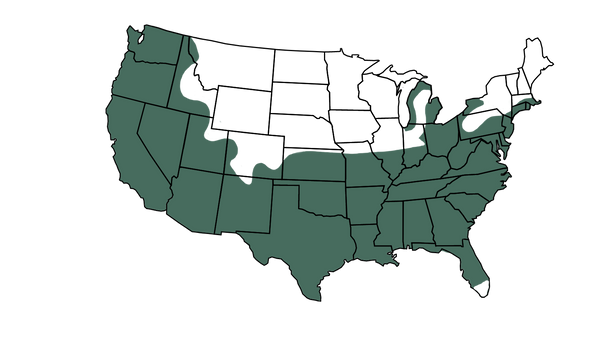
Where it grows in the groundShaded areas are the zones where it can be planted outdoors.


Size guide & what arrives
| *Trade size | **Pot size |
|---|---|
| 1 gallon | 6" |
| 3 gallon | 8 to 10" |
| 5 gallon | 10 to 12" |
| 7 gallon | 14" |
| 10 gallon | 15 to 17" |
| 15 gallon | 17" |
| "Jumbo" | 7 or 10 or 15 gallon |
*Nursery gallon sizes are trade sizes and do not equal standard liquid gallons.
**Pot sizes in inches refer to container width (diameter), not plant or pot height.
Please note: Sizing can differ between plant varieties and growers. Please chat with us if you need clarification.
For more information on sizing, please see our sizing guide.
What arrives
Pink Abelia may benefit from occasional pruning to maintain its compact shape and encourage dense growth.
What customers are saying
Why customers love it

Healthy, well-rooted plants
Hand-selected and shipped in its nursery pot.

Delivered to your door
Skip the nursery trip. Very little car Tetris required.

Real plant experts
Ask us anything before or after planting.

1-year guarantee
If something goes wrong, we'll help make it right.
Care made simple
Plant it right once and it does the rest.
Pick the spot before you dig.
Water slowly and deeply. Check more often in its first summer.
Enter your ZIP above to check your zone.
Your first year together
- 1Day 1
Plant it, then water slowly until the whole root ball is soaked.
- 2First few weeks
Keep the soil evenly moist while new roots settle in.
- 3First summer
Water deeply during hot, dry spells.
- 4Next spring
New growth starts. Feed as it wakes up.
Planting instructions
Watering & sunlight
Care guide
Shipping & what's inside
Your plant ships in its nursery pot with the soil secured, packed so it stays steady on the way to you.
1-year guarantee
Every plant is covered by our 1-year guarantee. If something goes wrong, contact our team and we'll walk you through it.
 Answered by Simply Trees plant experts
How big does Pink Abelia get?
Pink Abelia is valued for its compact and rounded growth habit, which makes it suitable for use as a specimen plant, in mixed borders, or as a low hedge. The plant's size and shape make it well-suited for smaller landscapes and gardens where space is limited.
It's worth noting that Pink Abelia tends to have a slightly larger growth habit compared to some other Abelia varieties. However, its manageable size and attractive foliage, combined with its abundant and fragrant flowers, make it a popular choice for landscapes, gardens, and containers.
With proper care and maintenance, including regular pruning to control size and shape, Pink Abelia can provide years of beauty and enjoyment in your outdoor space.
How fast does Pink Abelia grow?
Where is the best place to plant Pink Abelia?
Sunlight: Pink Abelia thrives in full sun to partial shade, so choose a planting site that receives at least 4 to 6 hours of direct sunlight per day. In warmer climates, some afternoon shade can help protect the plant from intense heat and sunburn.
Soil Conditions: Pink Abelia prefers well-drained soil that is rich in organic matter. Ensure that the planting site has good drainage to prevent waterlogging, which can lead to root rot. Amending heavy or compacted soil with organic matter can improve drainage and soil fertility.
Moisture: While Pink Abelia is relatively drought-tolerant once established, it benefits from regular watering, especially during periods of hot and dry weather. Planting Pink Abelia near a water source or in a location where it can receive supplemental irrigation as needed can help ensure its health and vitality.
Air Circulation: Good air circulation is important for preventing fungal diseases and promoting overall plant health. Avoid planting Pink Abelia in crowded or tightly enclosed areas where air movement is restricted. Allow space between plants for adequate airflow.
Protection from Wind: Pink Abelia can be susceptible to damage from strong winds, especially when young or in exposed locations. Planting Pink Abelia near a windbreak, such as a fence or building, can provide some protection from harsh winds.
Companion Plants: Consider planting Pink Abelia alongside other shrubs, perennials, or annuals that complement its growth habits and aesthetic appeal. Pink Abelia pairs well with a variety of plants, including other flowering shrubs, ornamental grasses, and ground covers.
Accessibility: Choose a planting site for Pink Abelia that is easily accessible for watering, pruning, and maintenance tasks. Avoid planting in areas that are difficult to reach or navigate, especially if you plan to incorporate Pink Abelia into your garden design.
By selecting a suitable planting site that meets these criteria, you can help ensure the success of your Pink Abelia plants and enjoy their beauty and fragrance in your landscape for years to come.
How far apart should I plant Pink Abelia?
In the Garden: Space Pink Abelia plants approximately 3 to 4 feet apart when planting them in garden beds or borders. This spacing allows each plant to have enough room to spread and grow to its full size without overcrowding neighboring plants.
Hedging or Mass Plantings: If you're planting Pink Abelia as a hedge or in mass plantings, space the plants slightly closer together, approximately 2 to 3 feet apart. This tighter spacing helps create a dense and uniform appearance, providing coverage and visual impact.
Consider Mature Size: Keep in mind the mature size of Pink Abelia when spacing your plants. While the initial spacing may seem generous, Pink Abelia has a moderate spreading habit and will fill in the gaps over time. Providing adequate spacing at planting ensures that the plants have room to reach their full size without overcrowding.
Growth and Maintenance: Regular pruning and maintenance can help control the size and spread of Pink Abelia plants. Pruning encourages bushy growth and prevents the plants from becoming too leggy or sprawling, contributing to a more balanced and visually appealing landscape.
By spacing your Pink Abelia plants appropriately, you can create a beautiful and healthy landscape feature that will thrive for years to come, providing color, fragrance, and interest to your outdoor space.
Does abelia spread?
Here are some points to consider regarding the spreading nature of Pink Abelia:
Moderate Spread: While Pink Abelia can spread gradually over the years, it generally maintains a compact and tidy growth habit, especially with regular pruning and maintenance. Its spreading nature adds to its appeal as a landscape plant, filling in gaps and providing coverage in garden beds and borders.
Rooting at Nodes: Like many shrubs, Pink Abelia has the potential to root at nodes along its stems, which can contribute to its spreading habit. However, this rooting tendency is typically not as pronounced as in some other plants, and the shrub's spread is manageable with proper care and maintenance.
Pruning: Pruning can help control the spread of Pink Abelia and maintain its desired shape and size. Regular pruning, especially in spring or after flowering, can help promote bushy growth and prevent the plant from becoming too leggy or sprawling.
Spacing: When planting Pink Abelia in the landscape, consider its mature size and spreading habit. Providing adequate spacing between plants allows room for growth and prevents overcrowding, which can contribute to a more balanced and visually appealing landscape.
Overall, while Pink Abelia does have a tendency to spread, its moderate growth rate and manageable habit make it a popular choice for gardens and landscapes where a versatile and adaptable shrub is desired. With proper care and maintenance, you can enjoy the beauty of Pink Abelia without concerns about excessive spreading.
How often should I water my abelia?
Establishment Period: During the first growing season after planting, it's essential to keep the soil consistently moist but not waterlogged to help the plant establish a healthy root system. Water your newly planted Pink Abelia regularly, especially during dry periods, to ensure that the root ball remains evenly moist.
Weather Conditions: Monitor the weather and adjust your watering frequency accordingly. In hot and dry weather, Pink Abelia may require more frequent watering to prevent stress and dehydration. Conversely, during cooler or rainy periods, you may need to water less frequently to avoid waterlogged soil.
Soil Moisture: Check the soil moisture regularly by inserting your finger into the soil near the base of the plant. If the soil feels dry to the touch, it's time to water. Avoid overwatering, as Pink Abelia is susceptible to root rot if the soil remains consistently soggy.
Deep Watering: When you water your Pink Abelia, water deeply to encourage deep root growth. Apply water at the base of the plant rather than overhead to minimize water loss through evaporation and reduce the risk of foliar diseases.
Mulching: Apply a layer of organic mulch, such as wood chips or bark, around the base of the plant to help retain soil moisture, regulate soil temperature, and suppress weed growth. Mulching also helps conserve water by reducing evaporation from the soil surface.
Drought Tolerance: Once established, Pink Abelia is relatively drought-tolerant and can withstand short periods of dryness. However, it's still essential to water the plant during prolonged dry spells to maintain its health and vitality.
By following these watering guidelines and monitoring the moisture levels of the soil, you can help ensure that your Pink Abelia remains healthy and thriving in your garden. Adjust your watering practices as needed based on the specific conditions of your landscape and the plant's requirements.
Does Pink Abelia have a fragrance?
The fragrance of Pink Abelia's flowers adds to its overall appeal in the garden, attracting pollinators such as bees, butterflies, and hummingbirds. Additionally, the delightful scent enhances the sensory experience of spending time outdoors, making Pink Abelia a popular choice for landscapes, gardens, and natural areas.
What does Pink Abelia attract?
Bees: Pink Abelia's flowers produce nectar, which is highly attractive to bees. Honeybees, bumblebees, and native bees are all frequent visitors to the blooms, gathering nectar and pollen as they forage.
Butterflies: The colorful and fragrant flowers of Pink Abelia also attract butterflies to the garden. Species such as swallowtails, monarchs, and painted ladies are commonly seen feeding on the nectar-rich blossoms.
Hummingbirds: While not as strongly associated with Pink Abelia as bees and butterflies, hummingbirds may also be attracted to the plant's tubular flowers. The vibrant blooms and sweet nectar may entice these tiny birds to visit the garden.
Other Pollinators: Pink Abelia's flowers may also attract other pollinators, such as moths and hoverflies, which play a vital role in pollinating plants and maintaining healthy ecosystems.
Overall, Pink Abelia's ability to attract a diverse array of pollinators adds to its value in the garden, not only for its beauty but also for its role in supporting local wildlife populations. Providing a food source for pollinators contributes to the health and biodiversity of the garden ecosystem.
Will abelia survive a freeze?
Here are some considerations regarding Pink Abelia and freezing temperatures:
Hardiness: Pink Abelia is typically rated for hardiness zones 6 to 9, where temperatures can occasionally dip below freezing. In colder regions, it may experience more frequent or severe freezes, which can potentially damage the plant.
Establishment: Newly planted Pink Abelia may be more vulnerable to freeze damage compared to established plants. Providing adequate water and mulch during the establishment period can help the plant develop a healthy root system, which enhances its ability to withstand freezes.
Protection: During periods of freezing temperatures, especially in colder climates or during unseasonable frosts, you can protect Pink Abelia by covering it with frost cloth or blankets. Additionally, planting the shrub in a sheltered location, such as near a building or under trees, can offer some protection from frost.
Recovery: If Pink Abelia experiences freeze damage, it may show symptoms such as wilted or brown foliage. However, the plant often has the ability to recover from light to moderate freezes, especially if the damage is not severe. Pruning away any dead or damaged branches in spring can encourage new growth and promote the plant's recovery.
While Pink Abelia is generally resilient and can tolerate light frosts and occasional freezes, prolonged exposure to freezing temperatures or severe freezes may cause more significant damage to the plant. It's essential to consider your specific climate and provide appropriate care and protection to help your Pink Abelia thrive, especially during periods of extreme cold.
What does abelia look like in the fall and winter?
Fall Foliage: As temperatures cool in autumn, the foliage of Pink Abelia often transitions to vibrant shades of bronze, copper, and purple. The leaves may take on a rich, warm hue, adding a burst of color to the landscape before winter sets in.
Persistent Flowers: While the abundant blooms of Pink Abelia may begin to fade as fall progresses, some flowers may persist into late autumn, especially in milder climates. These lingering blooms continue to attract pollinators and add visual interest to the plant.
Evergreen Foliage: Pink Abelia retains its evergreen foliage throughout the winter months in many regions. The leaves may turn a darker shade of green as temperatures drop, providing a backdrop of lush foliage against the winter landscape.
Berries: In late fall and winter, Pink Abelia may produce small, ornamental berries that add further interest to the plant. These berries typically range in color from red to purple and may persist into early winter, providing food for birds and wildlife.
Overall, Pink Abelia maintains visual appeal throughout the fall and winter seasons, offering a combination of colorful foliage, persistent flowers, and ornamental berries. Its evergreen nature ensures that it remains a valuable addition to the landscape year-round, providing structure and beauty even in the colder months.