


Flowering Purple Plum Tree
Zones 4-9
Buy more, save more
Save up to $1,000 on your whole cart.
Discounts don't stack. At checkout you automatically get whichever saves you more.
See all savings tiers
Your code will auto-apply at checkout.
Overview
From our farm to your front door
- Shipped in its nursery pot, so the roots stay undisturbed
- Soil secured so it stays put in transit
- Packed so the plant stays steady on the way to you
At a glance
- Leaves
- Deciduous: drops its leaves in fall and regrows them in spring
- Sunlight
- Full Sun, Partial Sun
- Water
- When the top 2–3" of soil is dry
- Growth & size
- Moderate growth rate; it typically reaches a mature height of 15 to 20 feet and a width of 10 to 15 feet.
- Botanical name
- Prunus cerasifera 'Krauter Vesuvius'
- Hardiness
- Zones 4-9
- Tolerates
- Cold hardyHeat tolerantHumidity tolerantWind tolerant
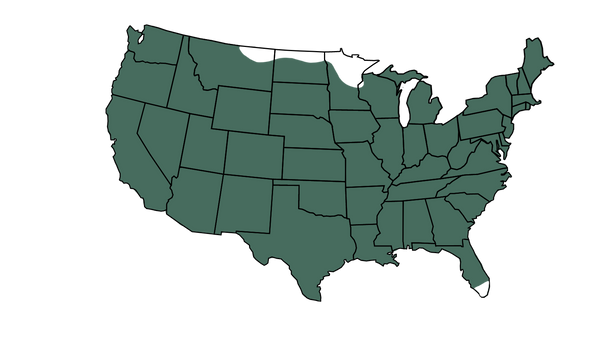
Where it grows in the groundShaded areas are the zones where it can be planted outdoors.


Size guide & what arrives
| *Trade size | **Pot size |
|---|---|
| 1 gallon | 6" |
| 3 gallon | 8 to 10" |
| 5 gallon | 10 to 12" |
| 7 gallon | 14" |
| 10 gallon | 15 to 17" |
| 15 gallon | 17" |
| "Jumbo" | 7 or 10 or 15 gallon |
*Nursery gallon sizes are trade sizes and do not equal standard liquid gallons.
**Pot sizes in inches refer to container width (diameter), not plant or pot height.
Please note: Sizing can differ between plant varieties and growers. Please chat with us if you need clarification.
For more information on sizing, please see our sizing guide.
What arrives
This tree variety is known for its beautiful purple leaves and vibrant pink blossoms, but be aware that the tree’s growth habit may require occasional pruning to maintain shape, especially as it matures.
What customers are saying
Why customers love it

Healthy, well-rooted plants
Hand-selected and shipped in its nursery pot.

Delivered to your door
Skip the nursery trip. Very little car Tetris required.

Real plant experts
Ask us anything before or after planting.

1-year guarantee
If something goes wrong, we'll help make it right.
Care made simple
Plant it right once and it does the rest.
Pick the spot before you dig.
Water slowly and deeply. Check more often in its first summer.
Enter your ZIP above to check your zone.
Your first year together
- 1Day 1
Plant it, then water slowly until the whole root ball is soaked.
- 2First few weeks
Keep the soil evenly moist while new roots settle in.
- 3First summer
Water deeply during hot, dry spells.
- 4Next spring
New growth starts. Feed as it wakes up.
Planting instructions
Watering & sunlight
Use a slow-running hose, soaker hose, or drip system to water the root ball and surrounding root zone thoroughly. Allow the water to penetrate deeply (not just wet the top few inches of soil), and avoid frequent, shallow watering.
Before watering again, check the soil 3–4 inches deep near the root ball. If it feels dry, repeat this deep-watering process. If it feels moist or soggy, wait and check again in 1–2 days. Check the soil of newly planted trees and shrubs several times per week, especially during hot, dry, or windy weather.
Irrigation run times will vary based on flow rate, soil, and system setup.
Need help? Contact our plant experts for watering guidance tailored to your plant and growing conditions.
Krauter Vesuvius Purple-Leaf Plum Tree thrives with ample sunlight.
Care guide
Shipping & what's inside
Your plant ships in its nursery pot with the soil secured, packed so it stays steady on the way to you.
1-year guarantee
Every plant is covered by our 1-year guarantee. If something goes wrong, contact our team and we'll walk you through it.
 Answered by Simply Trees plant experts
How big does the Krauter Vesuvius Plum tree get?
This tree maintains a columnar shape, meaning it grows more vertically than outward, making it a great choice for areas where space is limited.
How fast does the Krauter Vesuvius Plum tree grow?
With proper care, this tree can reach its mature height of 15-20 feet in about 10-15 years. Providing full sun, well-drained soil, and regular deep watering will help it grow at its best pace while maintaining its signature deep purple foliage.
Where is the best place to plant the Krauter Vesuvius Plum tree?
Sunlight: Needs at least 6-8 hours of direct sun daily to maintain its deep purple foliage and strong growth.
Soil: Prefers well-draining soil; avoid areas prone to standing water.
Spacing: Plant at least 15-20 feet away from other trees or structures to allow for full canopy development. If planting near sidewalks or driveways, keep it at least 10 feet away to prevent root interference.
Climate: Best suited for USDA Zones 4-9, tolerating a range of temperatures but thriving in moderate climates.
Wind Protection: While it can tolerate some wind, planting in a location sheltered from strong, drying winds will help prevent stress and leaf drop.
This tree is an excellent choice for front yards, streetscapes, or as an ornamental accent in gardens, adding vibrant color and spring blooms to the landscape.
How far apart should I plant the Krauter Vesuvius Plum tree?
If planting near a building, driveway, or sidewalk, keep it at least 10 feet away to prevent root interference and allow space for the mature canopy. Proper spacing also helps reduce the risk of disease by improving airflow around the tree.
How often should I water the Krauter Vesuvius Plum tree?
During establishment (first 1-2 years): Water deeply once or twice a week, soaking the soil around the root zone.
Spring and fall: Water once a week, letting the hose run for several minutes to ensure deep moisture.
Extreme heat (summer): Water twice a week, giving it a slow, deep soak to help the roots stay hydrated. If the soil dries out too quickly, adding mulch around the base can help retain moisture.
Winter: Water every few weeks only if the soil is dry, as the tree needs less moisture when dormant.
Check the soil before watering—if the top 2-3 inches feel dry, it’s time to water. Avoid shallow watering, as deep soaking encourages strong root growth.
How much sun does the Krauter Vesuvius Plum tree need?
Does the Krauter Vesuvius Plum tree produce fruit?
Why are the leaves on my Krauter Vesuvius Plum tree more red?
New Growth: Fresh leaves often emerge with a reddish hue before maturing into their signature deep purple shade. This is a natural part of the tree’s growth cycle.
Sun Exposure: While this tree thrives in full sun, intense direct sunlight can sometimes enhance red tones, especially in hotter climates.
Soil pH & Nutrients: Slight changes in soil pH or nutrient availability (particularly phosphorus or nitrogen levels) can impact leaf pigmentation, sometimes bringing out more red tones.
Seasonal Changes: As temperatures shift in late summer or fall, the leaves may develop redder hues before dropping.
Stress or Watering Issues: Heat stress, drought, or inconsistent watering can sometimes cause color variations, including more red tones in the foliage.
As long as the tree is healthy and growing well, some natural variation in leaf color is normal and not a cause for concern.
Why are the leaves on my Krauter Vesuvius Plum tree turning green?
Lack of Sunlight: This tree needs full sun (at least 6-8 hours per day) to maintain its dark purple color. If planted in partial shade, the leaves may turn greener.
New Growth: Young leaves may start off greenish before maturing into their deep purple shade.
Nutrient Deficiency: A lack of certain nutrients, particularly phosphorus, can lead to color fading. Fertilizing with a balanced, slow-release fertilizer in spring may help.
Heat Stress or Seasonal Changes: Extremely hot weather or the transition into fall may cause some temporary greening.
If your tree is healthy otherwise, ensuring it gets full sun and proper nutrition should help maintain its signature dark foliage.