


Ficus Audrey
Save up to $1,000 on your whole cart.
Your code will auto-apply at checkout.
From our farm to your front door
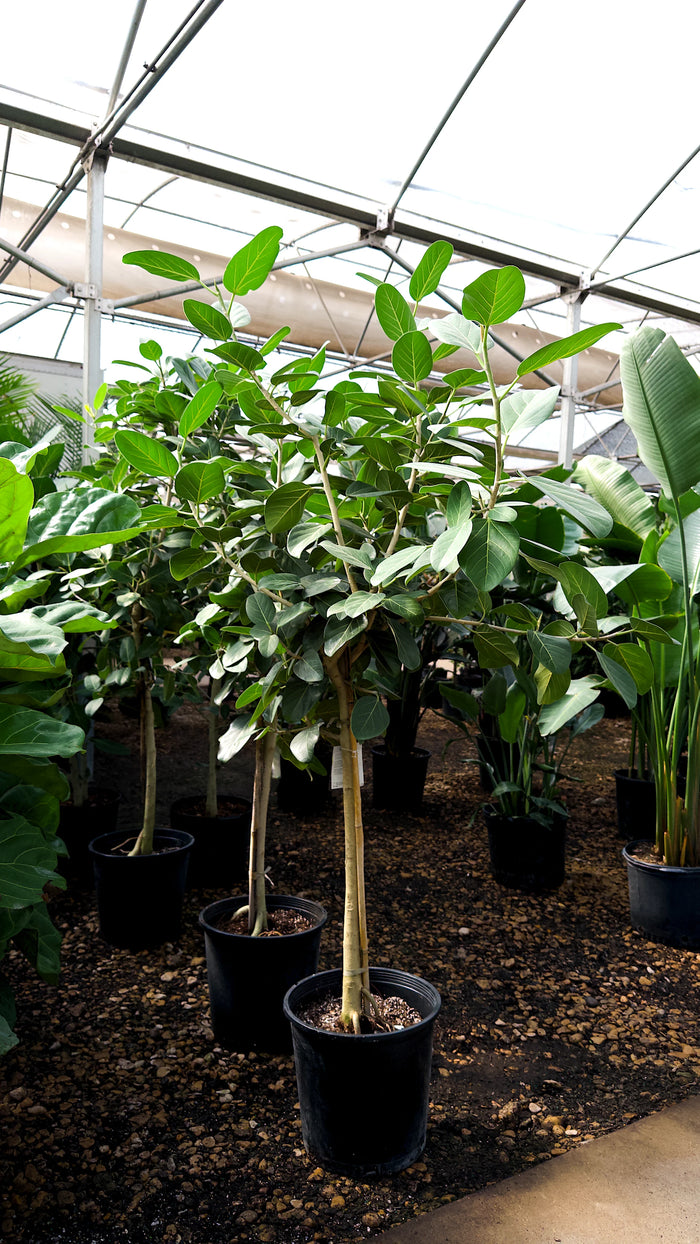
- Shipped in its nursery pot, so the roots stay undisturbed
- Soil secured so it stays put in transit
- Packed so the plant stays steady on the way to you
At a glance
- Light
- Bright Indirect Sunlight
- Water
- When the top 2" of soil is dry
- Care level
- Pretty easy
- Pets
- Not pet friendly
- Growth & size
- Medium growth rate; reaches up to 5-10 feet in height indoors, with a spread of 2-3 feet.
- Botanical name
- Ficus Audrey


Size guide & what arrives
| *Trade size | **Pot size |
|---|---|
| 1 gallon | 6" |
| 3 gallon | 8 to 10" |
| 5 gallon | 10 to 12" |
| 7 gallon | 14" |
| 10 gallon | 15 to 17" |
| 15 gallon | 17" |
| "Jumbo" | 7 or 10 or 15 gallon |
*Nursery gallon sizes are trade sizes and do not equal standard liquid gallons.
**Pot sizes in inches refer to container width (diameter), not plant or pot height.
Please note: Sizing can differ between plant varieties and growers. Please chat with us if you need clarification.
For more information on sizing, please see our sizing guide.
What arrives
The Ficus Audrey can be sensitive to changes in its environment, so avoid moving it frequently.
*The pot pictured is not included.
What customers are saying
Why customers love it
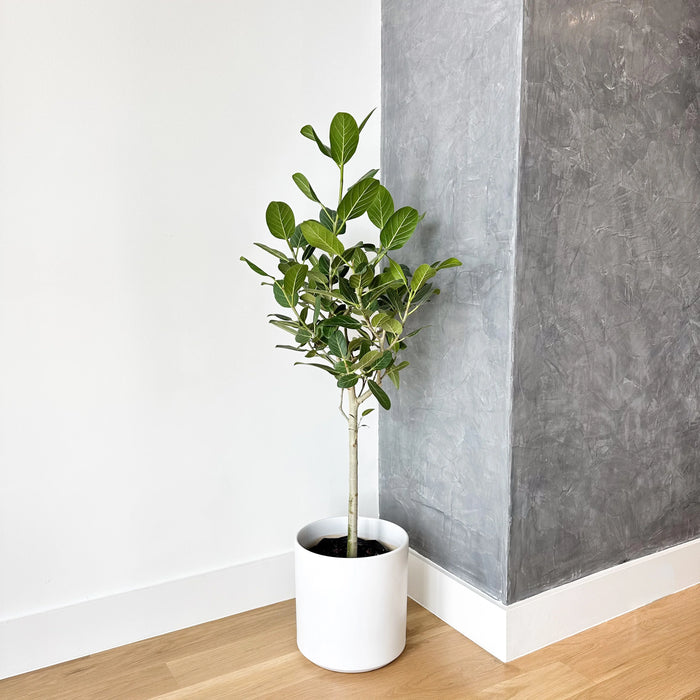
Instant life for any room
Living green that makes a space feel finished.
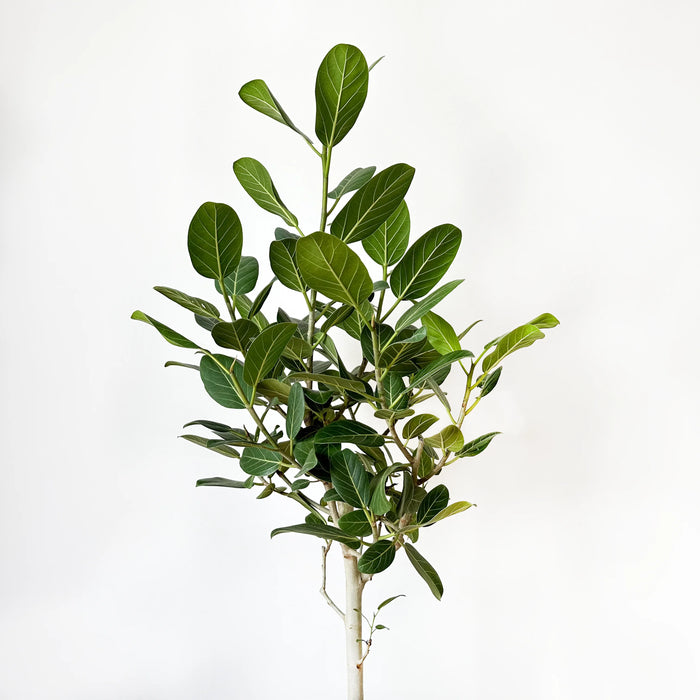
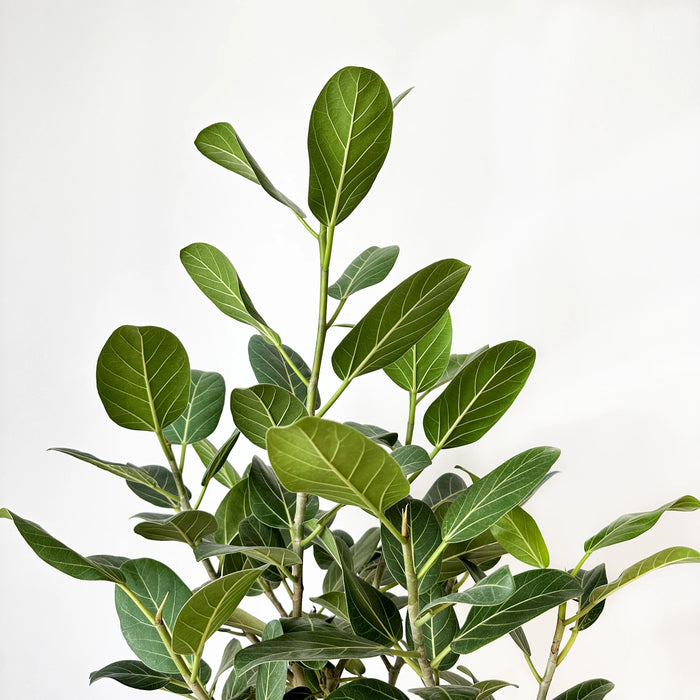
Healthy, well-rooted plants
Hand-selected and shipped in its nursery pot.
Delivered to your door
Skip the nursery trip. Very little car Tetris required.
Real plant experts
Ask us anything before or after it arrives.
Care made simple
Simple care, matched to this plant.
Prefers bright, indirect sunlight.
Water when the topsoil feels dry to the touch, approximately every 1-2 weeks.
Easy. Suitable for beginners and experts.
Your first months together
- 1Day 1
Unbox, set it in its spot, and check the soil before you water.
- 2First few weeks
A few dropped leaves is normal while it adjusts to your home.
- 3Spring & summer
Feed during the growing season. Skip it in winter.
- 4Every 1–2 years
Repot into a slightly bigger pot once roots fill this one.
Light & water
Prefers bright, indirect sunlight.
Water when the topsoil feels dry to the touch, approximately every 1-2 weeks.
About this plant
*The pot pictured is not included.
Care guide
Shipping & what's inside
Your plant ships in its nursery pot with the soil secured, packed so it stays steady on the way to you.
1-year guarantee
Every plant is covered by our 1-year guarantee. If something goes wrong, contact our team and we'll walk you through it.
 Answered by Simply Trees plant experts
How do you take care of a Ficus Audrey plant?
Light: Ficus Audrey prefers bright, indirect light. It can tolerate some direct sunlight, but too much can burn its leaves. A spot near a window with sheer curtains would be ideal.
Watering: Water your Ficus Audrey when the top inch of the soil feels dry. It's important to avoid over-watering, which can lead to root rot. Ensure the pot has drainage holes to let excess water escape.
Humidity: This plant enjoys a bit of humidity. If your home is dry, especially in winter, consider using a humidifier or placing the plant on a tray of water and pebbles (without the pot sitting in water) to increase humidity around it.
Temperature: Ficus Audrey prefers a warm environment with temperatures between 60-75°F (15-24°C). Avoid placing it in drafts or near heating and air conditioning vents.
Feeding: During the growing season (spring and summer), you can feed your plant with a balanced, water-soluble fertilizer once a month. Reduce feeding in fall and winter when plant growth naturally slows down.
Pruning: Prune your Ficus Audrey to maintain its shape and remove any dead or yellowing leaves. This will also encourage new growth.
Repotting: Repot your plant every couple of years or when it becomes root-bound. Choose a pot that is slightly larger than the current one with good drainage.
Remember, every plant is unique, so observe your Ficus Audrey's response to its environment and adjust care as needed. Regularly checking the soil moisture and observing the leaves for signs of distress (like browning or drooping) will help you maintain a healthy plant.
Does Ficus Audrey need direct sunlight?
How often should you water a Ficus Audrey?
It's crucial not to follow a rigid schedule but rather check the soil's moisture level regularly. During the winter months, when the plant's growth slows down, it will require less water. Over-watering can lead to root rot, so ensuring the pot has good drainage is also important. Always allow excess water to drain away and avoid letting the plant sit in water.
How tall does a Ficus Audrey get?
Its growth can be controlled through regular pruning and by choosing an appropriately sized pot. If you want to maintain a smaller size, regular pruning is essential. The plant responds well to pruning, allowing you to shape it according to your space and preference.
How do I get my Ficus Audrey to grow more leaves?
Proper Light: Ensure the plant receives bright, indirect light. If it's not getting enough light, its growth may be stunted.
Consistent Watering: Water when the top inch of the soil feels dry, but avoid over-watering. Consistent moisture without waterlogging is key.
Humidity: Ficus Audrey enjoys a bit of humidity. If your home is dry, use a humidifier or a pebble tray with water to increase humidity around the plant.
Fertilizing: Feed your plant with a balanced, water-soluble fertilizer once a month during the growing season (spring and summer). This will provide the necessary nutrients for growth.
Pruning: Regularly prune the plant to encourage new growth. Pruning the top can stimulate the plant to grow more side shoots and leaves.
Repotting: If your plant is root-bound, consider repotting it into a slightly larger pot with fresh soil. This can rejuvenate the plant and promote growth.
Temperature: Keep the plant in a warm environment, ideally between 60-75°F (15-24°C), and avoid drafts.
Pest Control: Regularly check for pests, as an infestation can hinder growth. Treat any infestations promptly.
By providing these optimal growing conditions and regular care, your Ficus Audrey should grow more leaves and maintain a healthy appearance. Remember, patience is key, as noticeable growth can take time.
How should I prune my Ficus Audrey?
Timing: The best time to prune is during the growing season, which is spring and summer. This is when the plant is most resilient and can recover quickly from pruning.
Tools: Use sharp, clean pruning shears or scissors. Disinfect them before use to prevent the spread of disease.
Assess the Plant: Before you start cutting, take a moment to assess your plant. Identify any dead, damaged, or diseased branches, as well as any branches that are crossing or growing inwards.
Prune for Health: Start by removing any dead, damaged, or diseased leaves and branches. This helps direct the plant's energy towards healthy growth.
Shape the Plant: After removing unhealthy parts, focus on shaping the plant. If you want to encourage a bushier appearance, prune back the longer branches. You can also trim back any leggy growth to encourage fuller growth.
Make Clean Cuts: When pruning, make clean cuts just above a leaf node (the point where a leaf attaches to the stem). This is where new growth will occur.
Avoid Over-Pruning: Don't remove more than 20-30% of the plant at one time. Over-pruning can stress the plant.
Regular Maintenance: Regularly remove any yellowing or dead leaves to keep your Ficus Audrey healthy and encourage new growth.
Remember, pruning is not just about cutting back the plant; it's also about encouraging healthy growth and maintaining the desired shape of your Ficus Audrey. After pruning, care for your plant as usual, and it should continue to thrive.
Why are the leaves on my Ficus Audrey drooping?
Watering Issues: Both over-watering and under-watering can lead to drooping leaves. Check the soil moisture; if it's too dry, the plant needs more water. If it's soggy, you may be over-watering. The soil should be moist but not waterlogged.
Light Conditions: Insufficient light can cause the leaves to droop. Ficus Audrey prefers bright, indirect light. If it's in a spot that's too dark, consider moving it to a brighter location.
Temperature Stress: Extreme temperatures or drafts can also cause leaves to droop. Ficus Audrey prefers a warm, stable environment without sudden temperature changes.
Humidity: Low humidity levels can lead to drooping leaves. If the air in your home is dry, try increasing humidity around the plant with a humidifier or a pebble tray with water.
Pests or Disease: Occasionally, pests or diseases can weaken the plant, leading to drooping leaves. Inspect the plant for any signs of pests or disease and treat accordingly.
Root Problems: Root rot due to over-watering or poor drainage can also cause leaves to droop. If you suspect root rot, you may need to repot the plant in fresh soil and trim any damaged roots.
To resolve the issue, first diagnose the cause by checking the plant's environment and care routine. Adjusting your watering schedule, improving lighting conditions, or managing the room's temperature and humidity can often help restore the plant's health and stop the leaves from drooping.
Why are the leaves on my Ficus Audrey turning brown and falling off?
Watering Issues: Both over-watering and under-watering can cause leaves to turn brown and fall off. Over-watering leads to root rot and under-watering causes the plant to dry out. Ensure the soil is moist but not waterlogged, and allow the top inch of soil to dry out before watering again.
Low Humidity: Ficus Audrey prefers a humid environment. Low humidity can cause the leaf edges and tips to turn brown. Consider using a humidifier or placing a tray of water and pebbles near the plant to increase humidity.
Poor Light Conditions: If the plant is not receiving enough light or is exposed to direct sunlight, it can react by dropping leaves. Ficus Audrey thrives in bright, indirect light. Avoid placing it in a spot with harsh direct sunlight.
Temperature Stress: Sudden changes in temperature or drafts can also lead to brown leaves and leaf drop. Keep the plant in a stable environment away from cold drafts and extreme heat sources.
Pests: Pests like spider mites, mealybugs, or aphids can cause leaf damage leading to browning and falling off. Regularly check for pests and treat if necessary.
Nutrient Deficiency: A lack of essential nutrients can also cause leaves to turn brown. Use a balanced, water-soluble fertilizer during the growing season to ensure your plant gets the nutrients it needs.
To address this problem, first identify the cause by examining your plant's environment and care routine. Adjust your watering practices, consider the humidity and light conditions, and check for pests. Correcting the underlying issue will usually help your plant recover and prevent further leaf browning and dropping.
How do I thicken my Ficus Audrey trunk?
Adequate Light: Ensure your plant receives bright, indirect light. Good light exposure is essential for healthy growth, which contributes to trunk thickening.
Proper Watering: Consistent watering encourages healthy growth. Allow the top inch of soil to dry out between waterings. Over- or under-watering can stress the plant and hinder trunk development.
Nutrition: Feed your Ficus Audrey with a balanced, water-soluble fertilizer during the growing season (spring and summer). Proper nutrition supports overall plant health and growth.
Right Pot Size: If the pot is too small, it can restrict the growth of the trunk. Make sure your plant has enough room to grow. Repot to a larger size if necessary, allowing the roots and trunk to develop.
Pruning: Strategic pruning can encourage growth. By pruning back the upper branches, you can stimulate the plant to put more energy into trunk development.
Stable Environment: Avoid moving the plant frequently. A stable environment with consistent temperature and humidity levels is beneficial for steady growth.
Support Structures: In some cases, using stakes or other support structures can help the trunk grow straight and thick. However, allowing the plant to support its own weight can also encourage the trunk to become stronger and thicker.
Patience is key, as trunk thickening in Ficus Audrey is a gradual process that happens over time with consistent, proper care.
Is Ficus Audrey low maintenance?
Light Requirements: It thrives in bright, indirect light but is more tolerant of less-than-ideal light conditions than some other Ficus species.
Watering: Ficus Audrey prefers to dry out slightly between waterings, and it's less sensitive to fluctuations in watering schedules compared to some other plants.
Humidity and Temperature: While it appreciates humidity, it can adapt to less humid environments typical of many homes. It also tolerates a range of indoor temperatures.
Pest Resistance: It's generally more resistant to pests than many other houseplants, though regular checks are still recommended.
Pruning: It responds well to pruning, but it doesn't require frequent trimming. You can prune it to shape or manage its size as needed.
Despite being low maintenance, it's still important to provide your Ficus Audrey with consistent care and to monitor its environment for changes that might affect its health. Regular checks for soil moisture, adequate light, and general plant health will help keep your Ficus Audrey thriving.