Home / Emerald Petite® Arborvitae
Emerald Petite Arborvitae
Evergreen Tree

Emerald Petite® Arborvitae

Will it grow where you live?

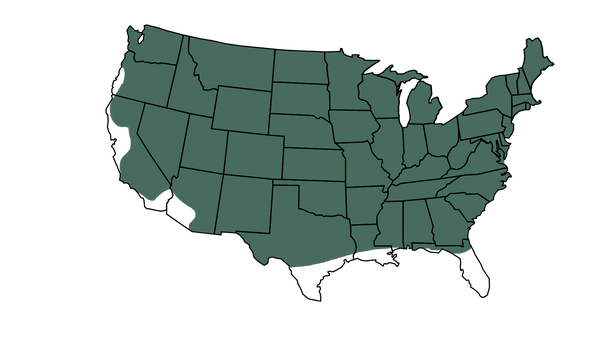
Zones 3-8

Size: 2-3 ft
$130

Black Friday Sale

20% off sitewide

Ends inSun, Nov 29

Take 20% off orders of $150+, applied automatically at checkout.

Add $20 more with this to unlock 20% off your order.

Get it soonFree shipping over $249

Buy more, save more

Save up to $1,000 on your whole cart.

See all savings tiers
Free shipping$249+
Automatic
10% offAny 2 items
$50 off$350+
$125 off$750+
$300 off$1,500+
$500 off$2,500+
$750 off$3,250+
$1,000 off$4,000+

Your code will auto-apply at checkout.

1-year guaranteeShips in 1–5 daysReal plant experts

From our farm to your front door

  • Shipped in its nursery pot, so the roots stay undisturbed
  • Soil secured so it stays put in transit
  • Packed so the plant stays steady on the way to you

At a glance

Leaves
Evergreen: keeps its leaves all year
Sunlight
Full Sun, Partial Sun, Partial Shade
Water
When the top 2" of soil is dry
Growth & size
Slow to moderate growth rate. Reaches approximately 5-6 feet tall and 2 feet wide at maturity.
Botanical name
Thuja Occidentalis 'Thusid4' USPP 33360
Hardiness
Zones 3-8
Tolerates
Cold hardy
USDA zone map for Emerald Petite® Arborvitae

Where it grows in the groundShaded areas are the zones where it can be planted outdoors.

Not sure it'll thrive where you live?Real people who answer questions before and after planting.
Chat now

What customers are saying

Why customers love it

Healthy, well-rooted plants

Hand-selected and shipped in its nursery pot.

Delivered to your door

Skip the nursery trip. Very little car Tetris required.

Goodbye, noisy neighbors

A living screen that blocks the view, softens the sound and looks better than a fence.

1-year guarantee

If something goes wrong, we'll help make it right.

Care made simple

Plant it right once and it does the rest.

Sun
Full Sun, Partial Sun, Partial Shade

Pick the spot before you dig.

Water
When the top 2" of soil is dry

Water slowly and deeply. Check more often in its first summer.

Grows in
Zones 3-8

Enter your ZIP above to check your zone.

Your first year together

  1. 1Day 1

    Plant it, then water slowly until the whole root ball is soaked.

  2. 2First few weeks

    Keep the soil evenly moist while new roots settle in.

  3. 3First summer

    Water deeply during hot, dry spells.

  4. 4Next spring

    New growth starts. Feed as it wakes up.

Planting instructions
Choose a location with full sun to partial shade and well-draining soil. Dig a hole approximately twice as wide as the root ball but no deeper than the root ball itself. Remove the nursery pot or any wrapping around the root ball, then gently loosen tightly bound or circling roots. Position the plant so the top of the root ball sits level with or slightly above the surrounding soil. Backfill using only the native soil removed from the planting hole without adding compost, peat moss, sand, rock, or other amendments directly to the hole. Gently firm the soil and water slowly and deeply throughout the root ball and surrounding soil. Apply a 2–3 inch layer of mulch around the root zone, keeping mulch several inches away from the trunk.

For individual plants, space Emerald Petite® approximately 2–3 feet apart. For a tighter hedge or privacy screen, plants can be positioned closer together based on the desired finished look.
Watering & sunlight
Watering needs are never one-size-fits-all. Weather, soil type, drainage, plant size, and planting time all affect how quickly a plant dries out.

Use a slow-running hose, soaker hose, or drip system to water the root ball and surrounding root zone thoroughly. Allow the water to penetrate deeply (not just wet the top few inches of soil), and avoid frequent, shallow watering.

Before watering again, check the soil 3–4 inches deep near the root ball. If it feels dry, repeat this deep-watering process. If it feels moist or soggy, wait and check again in 1–2 days. Check the soil of newly planted trees and shrubs several times per week, especially during hot, dry, or windy weather.

Irrigation run times will vary based on flow rate, soil, and system setup.

Need help? Contact our plant experts for watering guidance tailored to your plant and growing conditions.

Emerald Petite® Arborvitae grows best in full sun to partial shade. At least 6 hours of direct sunlight generally produces the densest, most compact growth, though it can tolerate some afternoon shade, particularly in warmer climates.
Care guide

PRUNING
Emerald Petite® naturally maintains a compact, upright shape, so regular pruning is usually unnecessary. If needed, lightly trim new growth to maintain the desired shape and remove any dead or damaged branches.

FERTILIZING
Avoid fertilizing for the first 2–3 months after delivery to allow the plant to adjust and establish. Once established, apply a balanced slow-release fertilizer in spring if needed. Avoid fertilizing in fall or winter.

WINTER PROTECTION
Emerald Petite® is very cold hardy and generally needs little winter protection once established. Apply a 2–3 inch layer of mulch over the root zone, keeping it away from the trunk. In exposed locations, protection from harsh winter winds can help prevent foliage from drying out.

Shipping & what's inside

Your plant ships in its nursery pot with the soil secured, packed so it stays steady on the way to you.

1-year guarantee

Every plant is covered by our 1-year guarantee. If something goes wrong, contact our team and we'll walk you through it.

Answered by Simply Trees plant experts
How big does Emerald Petite® Arborvitae get?
Emerald Petite® Arborvitae reaches approximately 5-6 feet tall and 2 feet wide at maturity. Its narrow, compact habit makes it especially useful in landscapes where a traditional arborvitae would become too tall or wide.
How fast does Emerald Petite® Arborvitae grow?
Emerald Petite® has a slow to moderate growth rate and can typically grow approximately 6–12 inches per year once established under favorable conditions. Growth varies depending on sunlight, climate, soil, moisture, and overall plant health.
Where is the best place to plant Emerald Petite® Arborvitae?
Plant Emerald Petite® in full sun to partial shade with well-draining soil. Its compact footprint works especially well along foundations, property lines, walkways, entryways, patios, and smaller areas where you want year-round structure or screening.
How far apart should I plant Emerald Petite® Arborvitae?
For individual specimens with some separation at maturity, space Emerald Petite® approximately 2–3 feet apart. For a denser hedge or screen, plants can be positioned closer together depending on how quickly you want the foliage to fill in.
Can Emerald Petite® Arborvitae be used as a privacy hedge?
Yes. Its dense foliage and narrow upright habit make Emerald Petite® an excellent choice for a compact privacy hedge or screen, especially where planting space is limited. Keep in mind that its mature height is only around 6 feet, so it is best for moderate-height screening rather than a tall privacy wall.
Does Emerald Petite® Arborvitae need full sun?
Emerald Petite® grows best in full sun to partial shade. Providing around 6 or more hours of direct sunlight per day generally results in denser foliage and a more compact habit, although some afternoon shade can be beneficial in warmer climates.
Can Emerald Petite® Arborvitae grow in a container?
Yes. Its compact size makes Emerald Petite® a good candidate for a large outdoor container, provided the container has excellent drainage and enough room for the root system. Container-grown plants require more frequent moisture checks and may need additional winter protection in colder climates because their roots are more exposed to freezing temperatures.
Does Emerald Petite® Arborvitae need to be pruned?
Very little pruning is usually necessary. Emerald Petite® naturally develops a dense, tidy shape, so you can simply remove dead or damaged growth and lightly trim it if you want a more formal appearance.
Is Emerald Petite® Arborvitae cold hardy?
Yes. Emerald Petite® is hardy in approximately Zones 3–8, making it a strong option for landscapes with cold winters.
Why is my Emerald Petite® Arborvitae turning brown?
Browning can occur from several types of stress, but improper soil moisture is one of the first things to check. Both a root ball that becomes too dry and soil that remains consistently saturated can cause browning. Check the soil 1–2 inches within the root ball before watering and adjust based on actual moisture rather than following a fixed schedule.
Still deciding? Our plant experts reply fast on live chat. Chat with us