


Eastern Redbud Tree
Zones 4-9
Buy more, save more
Save up to $1,000 on your whole cart.
Discounts don't stack. At checkout you automatically get whichever saves you more.
See all savings tiers
Your code will auto-apply at checkout.
From our farm to your front door
- Shipped in its nursery pot, so the roots stay undisturbed
- Soil secured so it stays put in transit
- Packed so the plant stays steady on the way to you
At a glance
- Sunlight
- Full Sun, Partial Sun, Partial Shade
- Water
- When the top 2" of soil is dry
- Growth & size
- Moderate growth rate; mature height of 20-30 feet and width of 25-35 feet.
- Botanical name
- Cercis canadensis
- Hardiness
- Zones 4-9
- Tolerates
- Cold hardyHeat tolerantHumidity tolerant
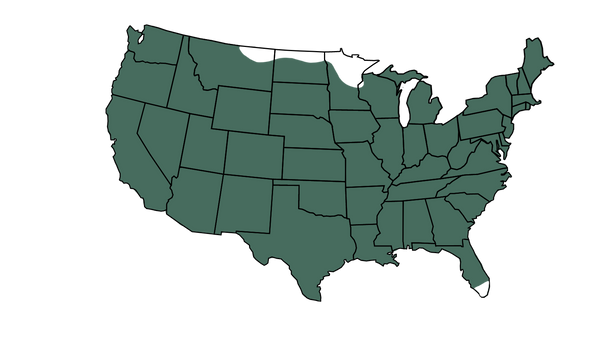
Where it grows in the groundShaded areas are the zones where it can be planted outdoors.


Size guide & what arrives
| *Trade size | **Pot size |
|---|---|
| 1 gallon | 6" |
| 3 gallon | 8 to 10" |
| 5 gallon | 10 to 12" |
| 7 gallon | 14" |
| 10 gallon | 15 to 17" |
| 15 gallon | 17" |
| "Jumbo" | 7 or 10 or 15 gallon |
*Nursery gallon sizes are trade sizes and do not equal standard liquid gallons.
**Pot sizes in inches refer to container width (diameter), not plant or pot height.
Please note: Sizing can differ between plant varieties and growers. Please chat with us if you need clarification.
For more information on sizing, please see our sizing guide.
What arrives
Eastern Redbud Tree is known for its beautiful spring flowers and distinctive foliage. It benefits from occasional pruning to maintain its shape and encourage a strong, balanced structure.
What customers are saying
Why customers love it

Healthy, well-rooted plants
Hand-selected and shipped in its nursery pot.

Delivered to your door
Skip the nursery trip. Very little car Tetris required.

Real plant experts
Ask us anything before or after planting.

1-year guarantee
If something goes wrong, we'll help make it right.
Care made simple
Plant it right once and it does the rest.
Pick the spot before you dig.
Water slowly and deeply. Check more often in its first summer.
Enter your ZIP above to check your zone.
Your first year together
- 1Day 1
Plant it, then water slowly until the whole root ball is soaked.
- 2First few weeks
Keep the soil evenly moist while new roots settle in.
- 3First summer
Water deeply during hot, dry spells.
- 4Next spring
New growth starts. Feed as it wakes up.
Planting instructions
Watering & sunlight
Use a slow-running hose, soaker hose, or drip system to water the root ball and surrounding root zone thoroughly. Allow the water to penetrate deeply (not just wet the top few inches of soil), and avoid frequent, shallow watering.
Before watering again, check the soil 3–4 inches deep near the root ball. If it feels dry, repeat this deep-watering process. If it feels moist or soggy, wait and check again in 1–2 days. Check the soil of newly planted trees and shrubs several times per week, especially during hot, dry, or windy weather.
Irrigation run times will vary based on flow rate, soil, and system setup.
Need help? Contact our plant experts for watering guidance tailored to your plant and growing conditions.
Eastern Redbud prefers full sun to partial shade. Sunnier areas will produce more flowers.
Care guide
Shipping & what's inside
Your plant ships in its nursery pot with the soil secured, packed so it stays steady on the way to you.
1-year guarantee
Every plant is covered by our 1-year guarantee. If something goes wrong, contact our team and we'll walk you through it.
 Answered by Simply Trees plant experts
How big does the Eastern Redbud tree get?
Height: Eastern Redbud trees typically grow to heights of 20 to 30 feet at maturity. However, some specimens may reach heights of up to 40 feet under optimal growing conditions, while others may remain smaller, especially in less favorable environments.
Spread: The spread of Eastern Redbud trees generally matches their height, with a spread of 25 to 35 feet at maturity. The tree's canopy typically forms a rounded or vase-shaped silhouette, providing a broad, spreading canopy of foliage.
Cultivar Differences: Different cultivars of Eastern Redbud trees may exhibit variations in size and growth habit. Some cultivars are more compact and smaller in stature, making them suitable for smaller landscapes or container gardening. Conversely, other cultivars may have larger or more vigorous growth habits, reaching greater heights and spreads.
Environmental Factors: Environmental conditions such as sunlight exposure, soil quality, moisture levels, and climate can influence the size of Eastern Redbud trees. Trees planted in full sun and provided with adequate water and nutrients tend to grow more vigorously and achieve larger sizes than those planted in shaded or dry conditions.
Pruning: Pruning practices can also affect the size and shape of Eastern Redbud trees. Regular maintenance pruning can help control the tree's growth and maintain an attractive form, while excessive or improper pruning may stunt growth or cause stress to the tree.
Overall, Eastern Redbud trees are valued for their moderate size, making them suitable for a wide range of landscape applications, including residential gardens, parks, and urban landscapes. With their graceful form, attractive foliage, and stunning spring flowers, Eastern Redbud trees add beauty and ornamental value to any outdoor space.
How fast does the Eastern Redbud tree grow?
Where is the best place to plant the Eastern Redbud tree?
Sunlight: Eastern Redbud trees prefer locations that receive full sun to partial shade. Planting in full sun encourages optimal flowering and foliage development, while partial shade can help protect the tree from intense afternoon sun in hotter climates.
Soil Conditions: Choose a planting site with well-drained soil that is rich in organic matter. Eastern Redbud trees are adaptable to a range of soil types, including loamy, sandy, or clay soils, as long as drainage is adequate. Avoid planting in waterlogged or compacted soil, which can lead to root rot and other issues.
Space: Eastern Redbud trees require sufficient space to grow and develop their canopy without being crowded by other plants or structures. Ensure that there is enough room for the tree to reach its mature height and spread, which can vary depending on the specific cultivar.
Air Circulation: Good air circulation around the Eastern Redbud tree is important for preventing fungal diseases and promoting overall tree health. Avoid planting in areas with restricted airflow, such as narrow alleys or close to buildings or tall structures.
Aesthetic Considerations: Consider the visual impact of the Eastern Redbud tree within the landscape. Plant in a location where the tree's spring flowers and fall foliage can be appreciated, such as near a patio, walkway, or other focal points in the garden.
Utility Lines and Structures: Take into account the presence of overhead utility lines, buildings, or structures when selecting a planting site. Avoid planting Eastern Redbud trees beneath utility lines or too close to buildings, where their mature height and spread may cause interference or potential damage.
Accessibility: Choose a planting site that is easily accessible for maintenance tasks such as watering, pruning, and fertilizing. Ensure that there is enough space around the tree for equipment and personnel to maneuver comfortably.
By carefully considering these factors and selecting an appropriate planting site, you can help ensure the long-term health and vitality of your Eastern Redbud tree. If you're unsure about the best location for planting, consider consulting with a local nursery or landscape professional for personalized advice tailored to your specific property and landscape needs.
When is the best time to plant an Eastern Redbud tree?
Early Spring: Planting Eastern Redbud trees in early spring, before new growth begins and while the soil is still cool, allows the tree to establish its root system before the onset of summer heat. Aim to plant in early spring once the ground has thawed and there is no longer a risk of frost.
Late Fall: Planting in late fall, after the tree has gone dormant but before the ground freezes, is also a suitable time for establishing Eastern Redbud trees. Fall planting allows the tree to focus on root development during the dormant season, giving it a head start for growth in the following spring.
Avoiding Extreme Temperatures: It's best to avoid planting Eastern Redbud trees during periods of extreme heat or cold, as these conditions can stress the tree and inhibit successful establishment. Planting during milder weather conditions minimizes transplant shock and promotes healthy growth.
Soil Preparation: Regardless of the planting time chosen, it's important to prepare the planting site properly by amending the soil with organic matter, ensuring good drainage, and removing any weeds or debris. This sets the stage for successful root establishment and overall tree health.
Watering Considerations: Provide adequate water to newly planted Eastern Redbud trees, especially during the first growing season, to help them establish healthy root systems. Monitor soil moisture levels and water deeply and infrequently to encourage deep root growth.
Mulching: Apply a layer of organic mulch around the base of the tree after planting to conserve soil moisture, suppress weed growth, and regulate soil temperature. Maintain a mulch layer of 2 to 3 inches deep, but avoid piling mulch against the tree trunk.
By planting Eastern Redbud trees at the optimal time and providing proper care, you can help ensure their successful establishment and long-term health in your landscape.
When does the Eastern Redbud tree bloom?
Timing: Eastern Redbud trees usually begin to bloom in early spring, typically in March or April, although the exact timing may vary slightly depending on geographical location and weather patterns. In warmer climates, blooming may occur earlier, while in cooler regions, it may occur later in the spring.
Before Leaf Emergence: One of the distinctive features of Eastern Redbud trees is that they bloom before the emergence of their heart-shaped leaves. The flowers appear directly on the branches and trunk of the tree, creating a breathtaking display of color against the bare wood.
Duration: The blooming period for Eastern Redbud trees typically lasts for several weeks, with the flowers persisting for a variable amount of time depending on weather conditions and individual tree health. During the peak blooming period, the tree is adorned with clusters of small, magenta-pink to purplish-red flowers that add beauty and charm to the landscape.
Abundance: Eastern Redbud trees are known for their profuse flowering, often covering the entire canopy with a blanket of colorful blooms. The abundance of flowers makes Eastern Redbud trees highly valued ornamental trees, prized for their stunning spring display.
Overall, the blooming of Eastern Redbud trees heralds the arrival of spring and brings a burst of color and beauty to gardens, parks, and landscapes. The sight of these exquisite flowering trees in full bloom is a sure sign that winter is giving way to warmer days ahead.
How far away from my house should I plant a redbud tree?
Mature Size: Eastern Redbud trees typically reach a height of 20 to 30 feet and a spread of 25 to 35 feet at maturity. Consider the tree's mature size when selecting a planting location to ensure that it has sufficient space to grow without overcrowding nearby structures.
Root Spread: While Eastern Redbud trees generally have shallow to moderately deep root systems, their roots can extend outward beyond the tree's canopy. To prevent potential damage to your house's foundation, avoid planting the tree too close to the house, where its roots may interfere with underground utilities or drainage systems.
Distance from House: A general recommendation is to plant Eastern Redbud trees at least 10 to 15 feet away from the foundation of your house. This distance provides ample space for the tree to grow and develop without posing a risk to the structural integrity of your home.
Considerations for Overhanging Branches: Keep in mind the potential for overhanging branches as the tree matures. To prevent branches from touching or rubbing against your house, plant the Redbud tree a sufficient distance away from the structure or prune the tree regularly to maintain clearance.
Local Regulations: Check local ordinances, homeowner association guidelines, or municipal regulations regarding tree planting distances from structures. Some areas may have specific requirements or restrictions for planting trees near buildings or property lines.
By planting your Eastern Redbud tree at an appropriate distance from your house, you can enjoy its beauty and benefits while minimizing the risk of potential conflicts or damage to your home's foundation and structure. If you're unsure about the best planting location, consider consulting with a local arborist or landscape professional for personalized advice tailored to your specific property and landscape needs.
What does the Eastern Redbud tree look like every season?
Spring: In spring, the Eastern Redbud bursts into vibrant display with an explosion of tiny, magenta-pink to purplish-red flowers that bloom profusely along its bare branches. These delicate flowers appear in clusters before the emergence of the tree's heart-shaped leaves, creating a stunning contrast against the backdrop of emerging green foliage.
Summer: As summer arrives, the Eastern Redbud tree's heart-shaped leaves unfurl to create a lush canopy of greenery. The leaves are typically medium to dark green in color and provide a refreshing shade beneath the tree's branches. In some cultivars, new growth may exhibit reddish or bronze tints, adding visual interest to the foliage.
Fall: In autumn, the foliage of the Eastern Redbud tree undergoes a transformation, turning from green to shades of yellow, gold, or even orange. The tree's leaves may also develop hints of red or purple before eventually dropping to the ground. This seasonal color change adds warmth and charm to the landscape.
Winter: In winter, the Eastern Redbud tree's bare branches reveal its elegant, architectural structure. While devoid of leaves, the tree's distinctive branching pattern adds visual interest to the winter landscape, especially against a backdrop of snow. Some cultivars may also develop interesting bark texture or coloration during this time.
Throughout the seasons, the Eastern Redbud tree offers something unique and beautiful to admire, from its stunning floral display in spring to its graceful silhouette in winter. Its year-round appeal makes it a beloved choice for landscape design, providing beauty and interest in every season.
How often should I water the Eastern Redbud tree?
Establishment Period: Newly planted Eastern Redbud trees require regular watering to establish healthy root systems. Water deeply immediately after planting to settle the soil and ensure good root-to-soil contact. Provide supplemental watering as needed during the first growing season, especially during hot and dry periods.
Soil Moisture: Check the moisture level of the soil around the Eastern Redbud tree regularly. Water when the top few inches of soil feel dry to the touch. Use a soil moisture meter or simply insert your finger into the soil to gauge moisture levels.
Weather Conditions: Adjust your watering frequency based on weather conditions. During periods of hot and dry weather, Eastern Redbud trees may require more frequent watering to maintain adequate moisture levels. Conversely, reduce watering during cooler and wetter periods to prevent waterlogging.
Deep Watering: When watering, apply water deeply to encourage deep root growth. Water slowly and deeply, allowing the water to penetrate the soil to the depth of the root zone. Avoid frequent shallow watering, as this can promote shallow root development and increase the tree's susceptibility to drought stress.
Mulching: Apply a layer of organic mulch, such as wood chips or bark mulch, around the base of the Eastern Redbud tree. Mulch helps conserve soil moisture, regulate soil temperature, and suppress weed growth. Maintain a mulch layer of 2 to 3 inches deep, but avoid piling mulch against the tree trunk.
Drought Tolerance: Once established, Eastern Redbud trees exhibit some drought tolerance, but they still benefit from occasional deep watering during prolonged dry periods. Monitor the tree's foliage for signs of wilting or stress, which may indicate the need for additional watering.
By providing regular watering and maintaining soil moisture levels, you can help ensure the health and vitality of your Eastern Redbud tree. Adjust watering frequency based on the tree's specific needs and environmental conditions to promote optimal growth and flowering.
Do redbud trees have deep roots?
Shallow Roots: In general, Eastern Redbud trees tend to have shallow root systems that spread horizontally near the soil surface. These shallow roots can extend outward beyond the tree's canopy, often reaching distances equal to or slightly greater than the tree's height.
Moderately Deep Roots: While the majority of the roots are shallow, Eastern Redbud trees may also develop some moderately deep roots that penetrate deeper into the soil. These deeper roots help anchor the tree and provide additional support, particularly during periods of high winds or storms.
Adaptability: Eastern Redbud trees are adaptable to a variety of soil types, including clay, loam, and sandy soils. Their root systems can adjust to soil conditions, but they typically prefer well-drained soil with adequate moisture.
Drought Tolerance: Despite their shallow root systems, Eastern Redbud trees have some drought tolerance once established. Their ability to access moisture from the upper soil layers helps them survive dry periods, but they may still benefit from supplemental watering during prolonged droughts.
Spacing Considerations: When planting Eastern Redbud trees, it's essential to consider their root spread and avoid planting them too close to structures or paved areas where shallow roots could cause problems. Providing sufficient space for root expansion encourages healthy growth and reduces the risk of root-related issues.
Overall, while Eastern Redbud trees generally have shallow to moderately deep root systems, their adaptability and relatively non-invasive nature make them suitable for planting in a variety of landscapes. Proper care, including regular watering and mulching, helps support healthy root development and overall tree growth.
Why isn't my Eastern Redbud tree blooming?
Young Age: Eastern Redbud trees typically take a few years to mature before they begin flowering. If your tree is still relatively young, it may simply need more time to reach flowering maturity.
Pruning: Pruning at the wrong time or excessive pruning can remove flower buds and inhibit blooming. Eastern Redbud trees bloom on old wood, so avoid heavy pruning during the growing season. Prune immediately after flowering to shape the tree and remove any dead or damaged branches.
Environmental Stress: Environmental factors such as extreme temperatures, drought, or waterlogging can stress the tree and affect flowering. Ensure that your Eastern Redbud tree is planted in well-drained soil and receives adequate water, especially during hot and dry periods.
Nutrient Deficiency: A lack of essential nutrients, particularly phosphorus, can affect flowering. Test the soil to determine if any nutrient deficiencies are present and amend as necessary with a balanced fertilizer formulated for flowering trees.
Improper Location: Eastern Redbud trees prefer full sun to partial shade. If your tree is planted in a location with too much shade, it may not flower as abundantly. Ensure that your tree receives adequate sunlight to encourage flowering.
Disease or Pests: While Eastern Redbud trees are generally resistant to pests and diseases, infestations or infections can occur and affect flowering. Monitor your tree for signs of pest infestations or disease symptoms and treat promptly if necessary.
Varietal Differences: Some Eastern Redbud cultivars may naturally bloom more profusely than others. If your tree is a specific cultivar, it may have different flowering characteristics compared to the species.