


Dwarf Oleander Pink
Zones 8-11
Buy more, save more
Save up to $1,000 on your whole cart.
Discounts don't stack. At checkout you automatically get whichever saves you more.
See all savings tiers
Your code will auto-apply at checkout.
From our farm to your front door
- Shipped in its nursery pot, so the roots stay undisturbed
- Soil secured so it stays put in transit
- Packed so the plant stays steady on the way to you
At a glance
- Sunlight
- Full Sun
- Water
- When the top 2–3" of soil is dry
- Growth & size
- Moderate growth rate; typically reaches 3-5 feet in height and 3-4 feet in width.
- Botanical name
- Nerium oleander 'Petite Pink'
- Hardiness
- Zones 8-11
- Tolerates
- Heat tolerantDrought tolerantCoastal tolerantDesert tolerantWind tolerant
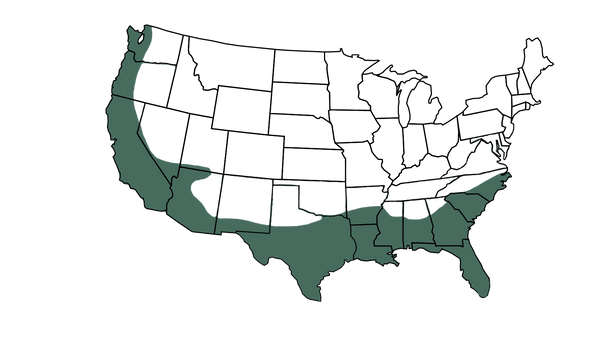
Where it grows in the groundShaded areas are the zones where it can be planted outdoors.


Size guide & what arrives
| *Trade size | **Pot size |
|---|---|
| 1 gallon | 6" |
| 3 gallon | 8 to 10" |
| 5 gallon | 10 to 12" |
| 7 gallon | 14" |
| 10 gallon | 15 to 17" |
| 15 gallon | 17" |
| "Jumbo" | 7 or 10 or 15 gallon |
*Nursery gallon sizes are trade sizes and do not equal standard liquid gallons.
**Pot sizes in inches refer to container width (diameter), not plant or pot height.
Please note: Sizing can differ between plant varieties and growers. Please chat with us if you need clarification.
For more information on sizing, please see our sizing guide.
What arrives
Dwarf Oleander Pink is known for its vibrant flowers and compact form but can be toxic if ingested. Ensure it is placed where pets and children are unlikely to chew on the foliage.
What customers are saying
Why customers love it

Healthy, well-rooted plants
Hand-selected and shipped in its nursery pot.

Delivered to your door
Skip the nursery trip. Very little car Tetris required.

Real plant experts
Ask us anything before or after planting.

1-year guarantee
If something goes wrong, we'll help make it right.
Care made simple
Plant it right once and it does the rest.
Pick the spot before you dig.
Water slowly and deeply. Check more often in its first summer.
Enter your ZIP above to check your zone.
Your first year together
- 1Day 1
Plant it, then water slowly until the whole root ball is soaked.
- 2First few weeks
Keep the soil evenly moist while new roots settle in.
- 3First summer
Water deeply during hot, dry spells.
- 4Next spring
New growth starts. Feed as it wakes up.
Planting instructions
Watering & sunlight
Care guide
Shipping & what's inside
Your plant ships in its nursery pot with the soil secured, packed so it stays steady on the way to you.
1-year guarantee
Every plant is covered by our 1-year guarantee. If something goes wrong, contact our team and we'll walk you through it.
 Answered by Simply Trees plant experts
How big does Dwarf Oleander Pink get?
Height: Dwarf Oleander Pink typically reaches a height of 3 to 5 feet at maturity. This compact stature allows it to fit well in confined spaces or smaller garden settings, adding a burst of color without overwhelming the landscape.
Spread: The spread of Dwarf Oleander Pink is generally comparable to its height, ranging from 3 to 4 feet. The plant may develop a rounded or slightly spreading form as it matures, filling out the space around its base.
Compact Growth Habit: One of the key characteristics of Dwarf Oleander Pink is its compact growth habit, with densely clustered foliage and a neat, tidy appearance. This makes it an excellent choice for formal gardens, hedges, or borders, where a more tailored look is desired.
Container Culture: Dwarf Oleander Pink can also be grown successfully in containers or pots, where its smaller size allows it to thrive in confined spaces such as patios, balconies, or courtyards. When grown in containers, Dwarf Oleander Pink can be pruned to maintain its compact shape and size.
Cultivar Variations: It's important to note that there may be variations in size among different cultivars of Dwarf Oleander Pink. Some cultivars may be slightly larger or smaller than others, so it's essential to research the specific characteristics of the cultivar you're considering for your garden.
Overall, Dwarf Oleander Pink is valued for its manageable size, attractive foliage, and colorful blooms, making it a versatile and popular choice for a wide range of garden settings. With proper care and maintenance, Dwarf Oleander Pink can provide years of beauty and enjoyment in the landscape.
How fast does Dwarf Oleander Pink grow?
Where is the best place to plant Oleander?
Sunlight: Oleander thrives in full sunlight and requires at least six hours of direct sunlight daily to bloom profusely. Choose a planting location that receives ample sunlight throughout the day, such as a south-facing exposure or an open area with minimal shade.
Soil Drainage: Oleander prefers well-draining soil and can tolerate a wide range of soil types, including sandy, loamy, or clay soils. However, it's essential to ensure that the planting site has good drainage to prevent waterlogging. Avoid planting Oleander in areas with poorly drained or compacted soil.
Climate: Oleander is well-suited to warm, Mediterranean-like climates and is tolerant of heat, drought, and coastal conditions. It thrives in USDA hardiness zones 8 to 11 but can also be grown in protected microclimates in colder regions.
Space and Height: Consider the mature size of the Oleander cultivar you're planting and ensure that there is enough space for it to grow without overcrowding other plants or structures. Dwarf Oleander can range in height from 3 to 5 feet so choose a location that can accommodate its mature size.
Safety: Due to its toxicity, especially to pets and children, it's essential to plant Oleander in an area where accidental ingestion or contact can be avoided. Keep Oleander away from high-traffic areas, play areas, and locations where pets may roam freely.
Aesthetic Considerations: Oleander is prized for its attractive evergreen foliage and colorful blooms, making it an excellent choice for creating hedges, screens, or focal points in the landscape. Plant Oleander where it can be appreciated for its beauty and where its size and form complement other elements in the garden.
Overall, the best place to plant Oleander is in a sunny, well-draining location with ample space to accommodate its growth and where its toxic nature can be managed safely. With proper siting and care, Oleander can thrive and add beauty to your landscape for years to come.
How far apart should I plant Dwarf Oleander?
Individual Specimens: If planting Dwarf Oleander as individual specimens or focal points in the landscape, space them approximately 3 to 5 feet apart. This spacing allows each plant to develop its natural shape and size without overcrowding.
Hedges or Borders: When planting Dwarf Oleander to form a hedge or border, space the plants closer together to create a dense, uniform look. For a dense hedge, space Dwarf Oleander plants approximately 2 to 3 feet apart. This spacing allows the plants to grow together and form a continuous hedge over time.
Keep in mind that Dwarf Oleander can spread slightly as it matures, so spacing will also depend on the desired final width of the planting area. Additionally, consider the mature size of the cultivar you're planting, as some Dwarf Oleander varieties may be more compact than others.
Before planting, it's a good idea to lay out the spacing and arrangement of the plants in the planting area to ensure they are evenly spaced and will fill the space as desired as they grow. Proper spacing will help each plant receive adequate sunlight, airflow, and nutrients, promoting healthy growth and vibrant blooms.
Can I plant Dwarf Oleander in a pot?
When planting Dwarf Oleander in a pot, follow these guidelines:
Container Size: Choose a container that is large enough to accommodate the root system of the Oleander and has drainage holes at the bottom to allow excess water to escape. A pot with a diameter of at least 18-24 inches is recommended to provide ample room for root growth.
Potting Mix: Use a well-draining potting mix formulated for container plants. Avoid heavy soils that may retain too much water, as this can lead to root rot. You can also add perlite or coarse sand to improve drainage.
Sunlight: Place the pot in a location that receives full sunlight for most of the day. Oleanders thrive in sunny conditions and require at least six hours of direct sunlight daily to bloom profusely.
Watering: Water the Oleander thoroughly after planting to settle the soil around the roots. Afterward, water the plant deeply whenever the top inch of soil feels dry to the touch. Allow excess water to drain away, and avoid waterlogging the soil.
Fertilization: Feed Dwarf Oleander with a balanced, slow-release fertilizer formulated for flowering shrubs. Apply the fertilizer according to the manufacturer's instructions, typically in spring and early summer.
Pruning: Prune the Oleander selectively to maintain its desired shape and size, promote air circulation, and remove dead or damaged branches. Avoid heavy pruning during the blooming season to avoid removing potential flower buds.
Overwintering: In regions with cold winters, consider overwintering potted Oleander indoors or in a sheltered location to protect it from frost or freezing temperatures.
By planting Dwarf Oleander in a pot and providing it with the right growing conditions and care, you can enjoy its beautiful blooms and foliage in a container garden setting. Just remember to exercise caution when handling Oleander, as all parts of the plant are toxic if ingested.
How do you care for Dwarf Oleander?
Sunlight: Plant Dwarf Oleander in a location that receives full sunlight for most of the day. These plants thrive in sunny conditions and require at least six hours of direct sunlight daily to bloom profusely.
Soil: Choose well-draining soil with a slightly acidic to neutral pH for Dwarf Oleander. Amending the soil with organic matter such as compost can improve drainage and soil structure.
Watering: Water newly planted Dwarf Oleander regularly to help establish its root system. Once established, water deeply but infrequently, allowing the soil to dry out slightly between waterings. Avoid overwatering, as Oleander is drought-tolerant once established.
Fertilization: Feed Dwarf Oleander with a balanced, slow-release fertilizer formulated for flowering shrubs in spring and early summer. Follow the manufacturer's instructions for application rates and timing.
Pruning: Prune Dwarf Oleander selectively to maintain its desired shape and size, promote air circulation, and remove dead or damaged branches. Avoid heavy pruning during the blooming season, as this can remove potential flower buds.
Pest and Disease Control: Monitor Dwarf Oleander regularly for signs of pests such as aphids, scale insects, or caterpillars, as well as diseases such as powdery mildew or leaf spot. Treat infestations or infections promptly with appropriate methods or products.
Protection from Frost: While Oleanders are generally hardy, protect Dwarf Oleander from frost or freezing temperatures, especially in colder climates. Cover the plant with a frost cloth or move containers indoors during winter if necessary.
Safety Precautions: Exercise caution when handling Dwarf Oleander, as all parts of the plant are toxic if ingested. Keep pets and children away from the plant and wear gloves when pruning or handling Oleander to avoid skin contact with the sap.
By following these care tips, you can ensure that your Dwarf Oleander Pink remains healthy, vibrant, and beautiful throughout the growing season, adding color and charm to your garden landscape.
Is it ok to touch Oleander?
While casual contact with Oleander is unlikely to cause harm, it's advisable to avoid touching the plant unnecessarily, especially if you have sensitive skin or are prone to allergies. If you do come into contact with Oleander sap or plant parts, wash the affected area thoroughly with soap and water and avoid rubbing your eyes or touching other sensitive areas.
Additionally, it's essential to keep pets and children away from Oleander plants to prevent accidental ingestion, which can result in severe poisoning and potentially fatal consequences. If you have Oleander in your garden, consider planting it in an area that is inaccessible to pets and children or providing appropriate barriers or fencing to prevent contact.
Overall, while Oleander is a beautiful and popular landscape plant, it's essential to treat it with caution and respect its toxic properties to ensure the safety of yourself, your family, and your pets. If you have any concerns about handling Oleander or if accidental ingestion or exposure occurs, seek medical attention immediately.
How often should I water Oleander after planting?
Initial Watering: Immediately after planting, thoroughly water the Oleander to settle the soil around the roots and ensure adequate moisture penetration. Water until the soil is evenly moist but not waterlogged.
First Few Weeks: During the first few weeks after planting, monitor the soil moisture closely and water the Oleander as needed to keep the soil consistently moist. Avoid allowing the soil to dry out completely, as this can stress the newly planted shrub.
Established Root System: Once the Oleander establishes a healthy root system, typically after the first few months, gradually transition to a more moderate watering schedule. Water deeply but infrequently, allowing the soil to dry out slightly between waterings.
Weather Conditions: Adjust your watering frequency based on weather conditions. During hot, dry periods, you may need to water more frequently to prevent the soil from drying out. In cooler or rainy weather, reduce watering to prevent waterlogged soil.
Soil Drainage: Ensure that the soil around the Oleander has good drainage to prevent waterlogged conditions, which can lead to root rot. If the soil retains water excessively, consider amending it with organic matter or planting Oleander in raised beds.
Drought Tolerance: Once established, Oleander is drought-tolerant and can withstand periods of dry soil. However, regular watering during prolonged dry spells can help promote healthy growth and blooming.
Overall, the goal is to provide consistent moisture to the Oleander while avoiding waterlogged or overly dry conditions. By monitoring soil moisture and adjusting your watering practices accordingly, you can help ensure the healthy establishment and growth of your Oleander 'Petite Salmon'.
What does Oleander attract?
Butterflies: Oleander's colorful blooms and sweet nectar attract various butterfly species, including monarchs, swallowtails, and painted ladies. These butterflies visit the flowers to feed on nectar, while inadvertently transferring pollen from one flower to another, aiding in pollination.
Bees: Bees are attracted to Oleander flowers for their nectar and pollen. They play a vital role in pollinating the flowers as they collect nectar and pollen to feed themselves and their colonies.
Hummingbirds: Although less common than butterflies and bees, hummingbirds are also attracted to Oleander blooms. The tubular shape of the flowers is well-suited for their long bills, allowing them to access the nectar within.
By attracting these pollinators, Oleander not only enhances the beauty of your garden but also contributes to the ecosystem by supporting important pollinator populations.
Why isn't my Oleander blooming?
Insufficient Sunlight: Oleanders require full sunlight to bloom profusely. If your plant is not receiving at least 6 hours of direct sunlight per day, it may not bloom as expected. Consider moving it to a sunnier location if possible.
Pruning Practices: Oleanders bloom on new growth, so excessive pruning or pruning at the wrong time can remove potential flower buds. Avoid heavy pruning during the growing season, and prune lightly after flowering to encourage new growth and blooms.
Nutrient Deficiency: A lack of essential nutrients, particularly phosphorus, can inhibit flowering. Consider fertilizing your Oleander with a balanced fertilizer formulated for flowering plants, following the manufacturer's instructions.
Watering Issues: Overwatering or underwatering can stress the plant and affect blooming. Oleanders prefer slightly dry conditions and are drought-tolerant once established. Ensure proper drainage and water the plant deeply but infrequently.
Temperature and Climate: Oleanders may not bloom if temperatures are too high or too low. Extreme heat or cold can stress the plant and inhibit flower production. Ensure your Oleander is grown within its suitable hardiness zone and provide protection during extreme weather conditions.
By addressing these potential issues and providing optimal growing conditions, you can encourage your Oleander to bloom and thrive.