


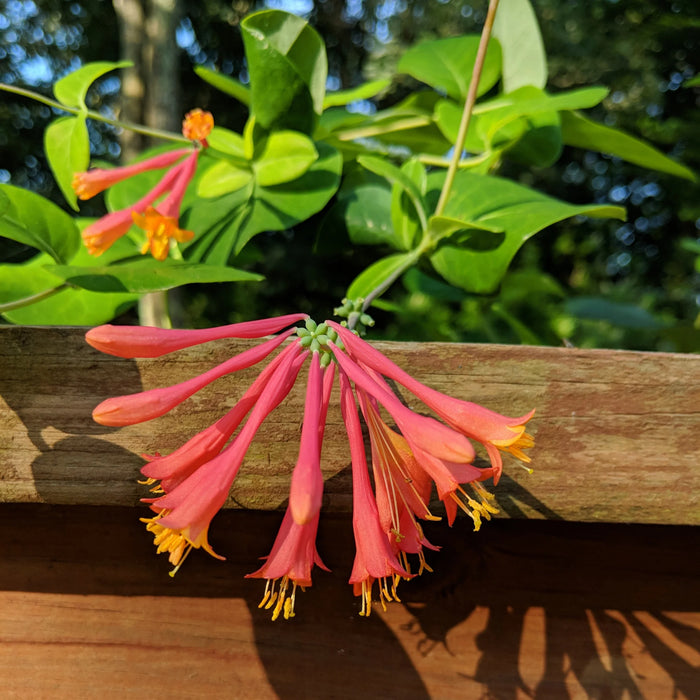
Coral Honeysuckle Vine
Zones 4-9
Save up to $1,000 on your whole cart.
Your code will auto-apply at checkout.
From our farm to your front door
- Shipped in its nursery pot, so the roots stay undisturbed
- Soil secured so it stays put in transit
- Packed so the plant stays steady on the way to you
At a glance
- Sunlight
- Full Sun, Partial Sun, Partial Shade
- Water
- When the top 2" of soil is dry
- Growth & size
- Fast growth rate; it reaches a mature height of 10 to 20 feet and a spread of 3 to 6 feet.
- Botanical name
- Lonicera sempervirens
- Hardiness
- Zones 4-9
- Tolerates
- Cold hardyHeat tolerantHumidity tolerantDrought tolerantWind tolerant
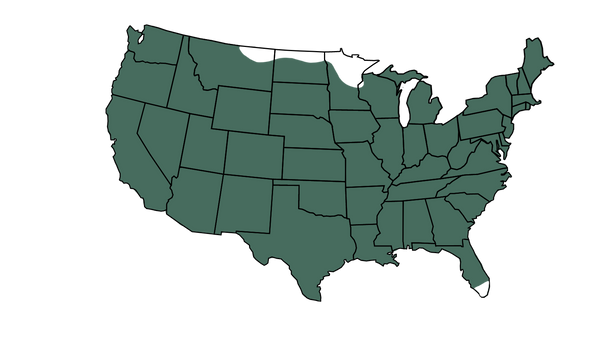
Where it grows in the groundShaded areas are the zones where it can be planted outdoors.


Size guide & what arrives
| *Trade size | **Pot size |
|---|---|
| 1 gallon | 6" |
| 3 gallon | 8 to 10" |
| 5 gallon | 10 to 12" |
| 7 gallon | 14" |
| 10 gallon | 15 to 17" |
| 15 gallon | 17" |
| "Jumbo" | 7 or 10 or 15 gallon |
*Nursery gallon sizes are trade sizes and do not equal standard liquid gallons.
**Pot sizes in inches refer to container width (diameter), not plant or pot height.
Please note: Sizing can differ between plant varieties and growers. Please chat with us if you need clarification.
For more information on sizing, please see our sizing guide.
What arrives
This honeysuckle variety is known for its ability to climb and spread quickly, making it perfect for covering trellises, fences, or walls, but be prepared for regular pruning to keep it in check.
What customers are saying
Why customers love it
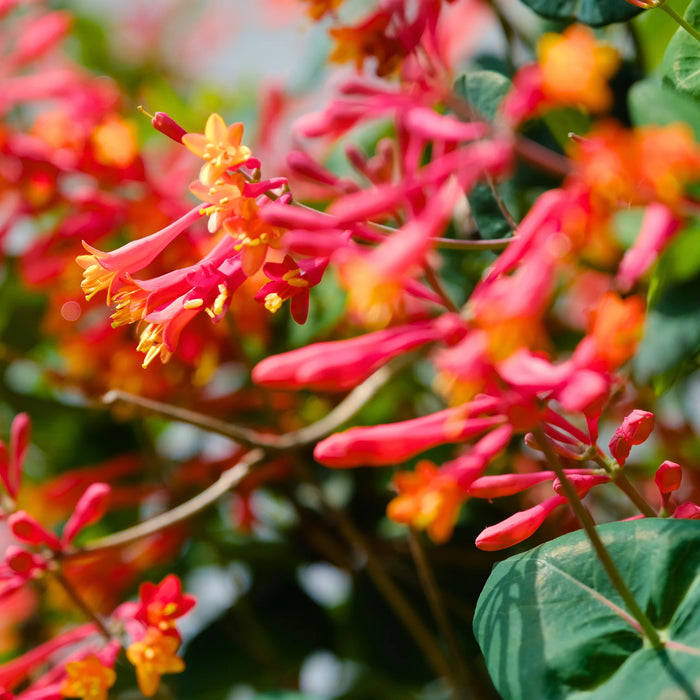
Healthy, well-rooted plants
Hand-selected and shipped in its nursery pot.
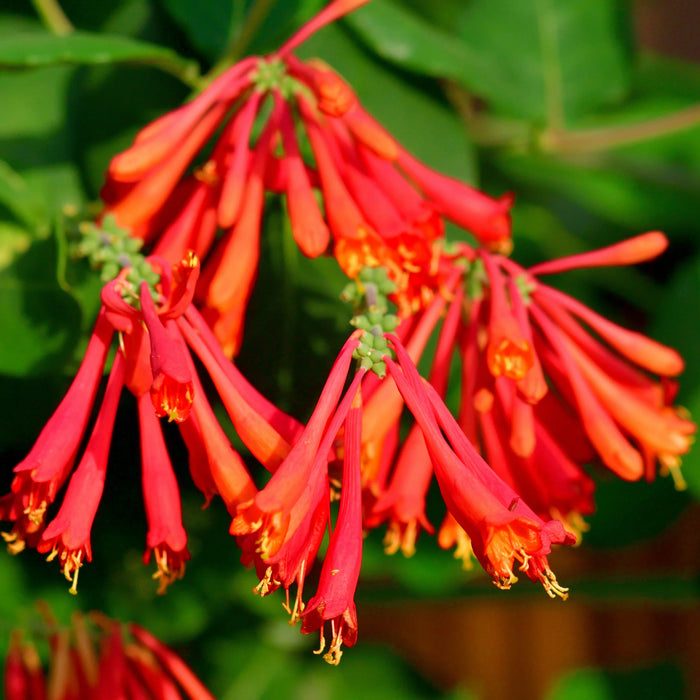
Delivered to your door
Skip the nursery trip. Very little car Tetris required.
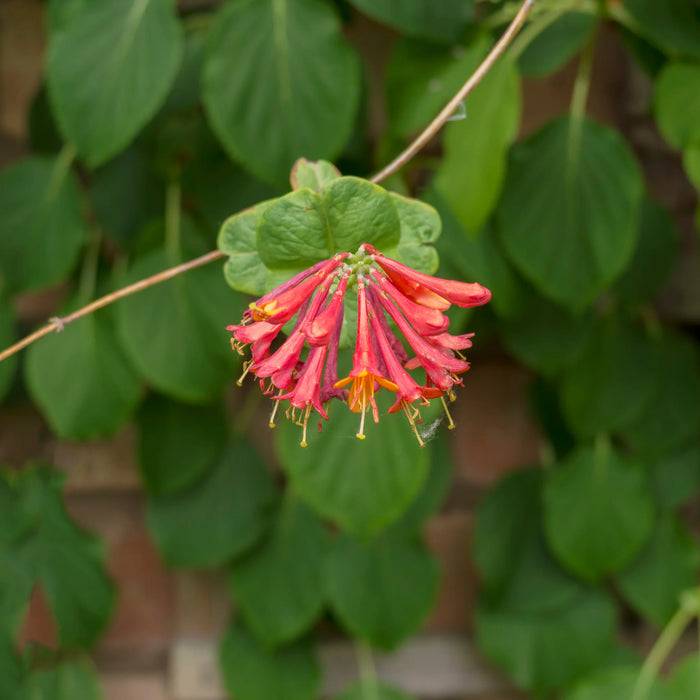
Real plant experts
Ask us anything before or after planting.
1-year guarantee
If something goes wrong, we'll help make it right.
Care made simple
Plant it right once and it does the rest.
Pick the spot before you dig.
Water slowly and deeply. Check more often in its first summer.
Enter your ZIP above to check your zone.
Your first year together
- 1Day 1
Plant it, then water slowly until the whole root ball is soaked.
- 2First few weeks
Keep the soil evenly moist while new roots settle in.
- 3First summer
Water deeply during hot, dry spells.
- 4Next spring
New growth starts. Feed as it wakes up.
Planting instructions
Watering & sunlight
Care guide
Shipping & what's inside
Your plant ships in its nursery pot with the soil secured, packed so it stays steady on the way to you.
1-year guarantee
Every plant is covered by our 1-year guarantee. If something goes wrong, contact our team and we'll walk you through it.
 Answered by Simply Trees plant experts
How big does the Coral Honeysuckle vine get?
How fast does the Coral Honeysuckle vine grow?
How do I plant the Coral Honeysuckle vine?
1. Choose the Right Location: Select a spot with full sun to partial shade and well-draining soil. Ensure there is a support structure, like a trellis, fence, or arbor, nearby for the vine to climb.
2. Prepare the Soil: Loosen the soil to a depth of 12-18 inches and mix in organic matter, such as compost, to improve drainage and nutrient content.
3. Dig the Hole: Dig a hole that is twice as wide and the same depth as the vine’s root ball to allow roots to spread easily.
4. Position the Plant: Gently remove the vine from its container, loosen the roots if they are compacted, and place it in the hole. Ensure the top of the root ball is level with the soil surface.
5. Backfill and Water: Fill in the hole with soil, tamping it down lightly to eliminate air pockets. Water thoroughly to help the soil settle and ensure good root-to-soil contact.
6. Mulch: Apply a 2-3 inch layer of mulch around the base of the plant to retain moisture, regulate soil temperature, and suppress weeds. Keep the mulch a few inches away from the stem to prevent rot.
7. Train the Vine: Gently tie the vine to the support structure with soft ties or garden twine to guide its growth as it climbs.
By following these steps, your Coral Honeysuckle vine will establish quickly and thrive in its new home.
How many Coral Honeysuckle vines do I need to cover a trellis?
For faster coverage, you can plant vines closer together, spacing them about 4 to 6 feet apart, but ensure each has enough room to grow without overcrowding. Proper training and pruning will help the vine spread evenly across the trellis.
How do I care for the Coral Honeysuckle vine?
Sunlight: Plant in full sun to partial shade for optimal flowering. It thrives with at least 6 hours of sunlight daily.
Watering: Water deeply once a week during the growing season, allowing the soil to dry slightly between waterings. Reduce watering during cooler months.
Soil: Ensure the soil is well-draining and enriched with organic matter. Coral Honeysuckle can adapt to a range of soil types but prefers slightly acidic to neutral soil.
Fertilization: Apply a balanced fertilizer, such as 10-10-10, in early spring to encourage healthy growth and vibrant blooms. Compost or well-rotted manure can also be used.
Pruning: Prune annually in late winter or early spring to remove dead or damaged growth and encourage vigorous flowering. Light trimming throughout the season can keep the vine tidy.
Support: Train the vine on a trellis, fence, or arbor to provide proper support and shape its growth.
Pest and Disease Control: Coral Honeysuckle is generally resistant to pests and diseases but inspect periodically for aphids or powdery mildew. Treat as needed with organic solutions like neem oil.
Winter Care: In colder climates, mulch around the base in late fall to protect the roots and ensure survival through winter.
With regular care, the Coral Honeysuckle will reward you with its stunning flowers and ability to attract hummingbirds and pollinators.
How often should I water the Coral Honeysuckle vine?
Do I need winter protection for the Coral Honeysuckle vine?
• Mulch: Apply a 2-3 inch layer of mulch around the base of the plant to insulate the roots and retain soil moisture.
• Pruning: Avoid heavy pruning in late fall to protect the plant from frost damage.
• Shelter: If grown in an exposed area, consider wrapping the base with burlap or providing a wind barrier to prevent winter burn.
These steps will help ensure the vine survives harsh conditions and regrows vigorously in spring.